

We may earn a commission when you buy through links on this page, at no extra cost to you. Learn more.
Caymus wine price depends mainly on the bottling, vintage, bottle format, and retailer, because Napa Valley Cabernet Sauvignon, Special Selection, California Cabernet, and Napa Valley Zinfandel are different wines. Compare the same cuvée and bottle size before judging a retailer’s offer; a 750 ml Napa Cabernet is not equivalent to a broader California bottling or a selected-barrel wine. Identify the label first, then assess vintage, seller terms, and bottle condition.
Caymus is a familiar name in American Cabernet, but the name alone does not identify one fixed bottle or one uniform market position. The Wagner family makes several wines under the Caymus name, and appellation, grape variety, and barrel selection explain much of the difference between listings. This guide shows how to compare them without confusing a California Cabernet with a Napa Valley bottling. It also separates product identity from retailer claims, so a buyer can decide whether a listing is genuinely the same wine being offered elsewhere. That distinction is useful for online shopping, gifts, and repeat purchases.
Who This Is For
This guide is for shoppers comparing Caymus bottles, choosing a gift, or deciding whether a Napa Valley Cabernet suits a meal. It is useful when listings say Napa Valley, California, or Special Selection but all display the Caymus name.
For ribeye, grilled beef, or a holiday roast, start with Napa Valley Cabernet. Special Selection is the selected-barrel bottling; California Cabernet has a broader appellation, and limited Napa Valley Zinfandel is a separate grape and style.
Store location, vintage, bottle format, promotions, and cuvée explain why listings differ. Total Wine cautions that price, vintage, and availability can vary by store, so an online listing is not a universal winery price. The Caymus wine overview distinguishes the lineup from its flagship Cabernet.
Do not choose by name recognition alone. Cabernet Sauvignon is generally high in tannin and full in body, so a buyer who prefers lighter reds may favor another grape or region. The guide is equally relevant to someone buying for a dinner host: choosing the right grape and style is more helpful than matching a bottle to a guessed idea of prestige. A guest who enjoys fruit-forward Napa Cabernet may welcome Caymus, while a drinker who prefers delicate Pinot Noir may not.
Key Factors That Affect Caymus Wine Price
The largest difference is the exact wine: Napa Valley Cabernet, Special Selection Cabernet, California Cabernet, and Napa Valley Zinfandel are not interchangeable. Bottle size, vintage, retailer location, and sale conditions then determine whether two listings are genuinely comparable.
Appellation is the first detail to check. Caymus Napa Valley Cabernet is identified with Napa Valley, California, while Caymus California Cabernet carries the broader California appellation and draws fruit from sites across the state. The winery says it reserves its best Napa Valley Cabernet barrels each year for Special Selection. Those distinctions matter more than a retailer’s shortened title. In American wine labeling, a narrower place name tells you more about geographic origin than a broad state designation, so the words beneath the brand are important. A store’s category filter may simply say Cabernet Sauvignon and conceal that difference.
Vintage and format matter too. A 750 ml bottle is the standard comparison point, while a larger format contains more wine and should not be compared by sticker total alone. Growing conditions differ by year, so an older vintage is not automatically better.
| Caymus bottling | Documented detail | What to compare |
|---|---|---|
| Napa Valley Cabernet Sauvignon | A 2023 retailer listing identifies a 750 ml bottle at 14.2% ABV. | Confirm Napa Valley, vintage, and 750 ml format. |
| Special Selection Cabernet Sauvignon | Introduced in 1975; Caymus reserves its best Napa Valley Cabernet barrels for this wine. | Compare with the same cuvée and vintage. |
| California Cabernet Sauvignon | Introduced with the 2021 vintage; a 2023 listing reports 14.7% ABV. | Do not treat the broader California appellation as Napa Valley. |
| Napa Valley Zinfandel | A limited bottling made from Zinfandel, a different grape from Cabernet Sauvignon. | Compare it with Zinfandel, not Cabernet. |
Retailers may offer temporary promotions or multi-bottle discounts, and shipping, pickup, taxes, and state delivery rules can affect the checkout total. Check whether a discount applies to one bottle or requires a case. The producer’s Caymus wine range and vineyard description explains the lineup in more detail. ABV can help identify a specific listing, but it is not a quality score: a 2023 Napa Cabernet listing reports 14.2% ABV and a 2023 California Cabernet listing reports 14.7%, figures that do not apply to every vintage.
Step-by-Step: Compare a Bottle Before You Buy
Compare in order: identify the wine, standardize bottle size, confirm vintage, and check buying terms. This prevents Napa Valley and California Cabernet listings being confused.
- Read the full wine name. Identify Napa Valley Cabernet Sauvignon, Special Selection Cabernet Sauvignon, California Cabernet Sauvignon, or Napa Valley Zinfandel. Do not rely on the word Caymus alone.
- Confirm the appellation. Napa Valley and California are not interchangeable. Caymus California Cabernet draws from sites around the state, while its Napa Valley Cabernet has a more specific regional designation.
- Match the vintage. Compare the same harvest year where possible. If the years differ, treat that as a separate variable; an older year is not automatically better or more valuable.
- Standardize bottle size. Use 750 ml as the reference format. For a larger bottle, compare the cost per milliliter or standard 5 oz pour rather than the total alone.
- Read the offer terms. Check whether the displayed amount is for one bottle or a case, whether a multi-bottle promotion is required, and whether pickup or delivery changes the total.
- Check the seller and bottle condition. Choose a reputable retailer. For an older bottle, ask about storage and provenance; a low offer is not reassuring if the storage history is unknown.
- Match the wine to the occasion. Choose Napa Cabernet for the familiar Caymus reference style, Special Selection for the selected-barrel bottling, California Cabernet for the broader appellation, or Zinfandel when that grape is what you want.
Compare the full wine name, vintage, bottle size, seller, offer conditions, and final total. Record “Napa Valley Cabernet, 2023, 750 ml, single bottle” rather than simply “Caymus” to avoid choosing a different wine later. If the retailer uses a stock photograph, verify the actual label and vintage in the written description or ask customer service before checkout. This extra check is worthwhile for a gift, because a replacement from another branch may carry a different vintage or appellation even when the main brand name looks identical.
Tip: Save the complete label name, vintage, and bottle size before visiting a store. Those three details prevent most mistaken comparisons between Caymus’s Napa, California, and Special Selection wines.
The Caymus Cabernet page is the most relevant starting point when the goal is specifically Napa Valley Cabernet Sauvignon, rather than any wine carrying the producer’s name.
Caymus Wine Styles and What You Are Paying For
Caymus makes several red-wine styles. Appellation, grape variety, and barrel selection determine what is in the bottle and which comparison makes sense.
Napa Valley Cabernet Sauvignon is the central reference wine for the name. Caymus describes it as dark and concentrated, with ripe fruit and a soft, generous texture that can be approachable from release while retaining tannin and structure for aging. The winery grows Cabernet on low-fertility soils on the valley floor and nearby mountains, using practices that include some dry farming and yield thinning. Expect a full-bodied red with ripe dark fruit and firm Cabernet structure. It is the most straightforward choice for a buyer who specifically wants Napa Valley on the label and a familiar expression of the winery’s Cabernet style. Special Selection Cabernet Sauvignon is made from the best barrels of the winery’s Napa Valley Cabernet selection. The Wagner family timeline records its introduction in 1975. Compare its vintage with another Special Selection; a retailer’s generic use of “reserve” does not establish that designation.
California Cabernet Sauvignon was introduced with the 2021 vintage. Caymus says it draws from sites across California selected for suitable climate, soil, and topography, and describes it as supple, dark, and rich in the house style. The broader appellation distinguishes it from Napa Valley Cabernet; it may suit someone who wants the winery’s ripe style but does not require Napa Valley on the label. Napa Valley Zinfandel is a limited bottling that honors co-founder Charlie Wagner Sr., for whom Zinfandel was a favorite. Zinfandel is not a Cabernet substitute; compare it with other Zinfandels. The Caymus red wine overview separates the family’s Cabernet and Zinfandel choices.
Style determines who is likely to enjoy the bottle. Cabernet has high tannin and suits rich food; Zinfandel offers a different balance of fruit, body, and spice. Consider whether the recipient enjoys full-bodied reds.
Common Buying Mistakes
The most common mistake is comparing unlike bottles: Napa Valley Cabernet against California Cabernet, or standard Cabernet against Special Selection. Another is assuming a higher listing means a better wine without checking vintage, format, provenance, and sale terms. Not every Caymus bottling is Cabernet: the winery makes a limited Napa Valley Zinfandel, and its California Cabernet has a broader appellation than its Napa wine. Check grape and appellation because short product titles may omit them.
Do not overvalue vintage age. Older does not automatically mean better, and age alone says nothing about storage. For a gift or near-term drinking, reliable storage and provenance matter more than choosing the oldest year. A vintage printed on the bottle identifies the harvest year, not the date the wine was bottled or how long a retailer has held it. Ask whether an older bottle has been kept in a cool, stable environment before treating it as a special find. ABV is not a measure of quality or sweetness; tasting notes such as blackberry, cassis, cocoa, or vanilla set expectations, but impressions vary with temperature, glassware, and food.
Finally, do not treat a multi-bottle promotion as a saving unless you intended to buy that quantity. A case offer may reduce the per-bottle figure but still require a much larger outlay. Check the single-bottle option and final total. The retailer’s Caymus Cabernet listing is one example of a product page that displays bottle format and notes that store pricing, vintage, and availability can differ.
Serving and Storage Tips
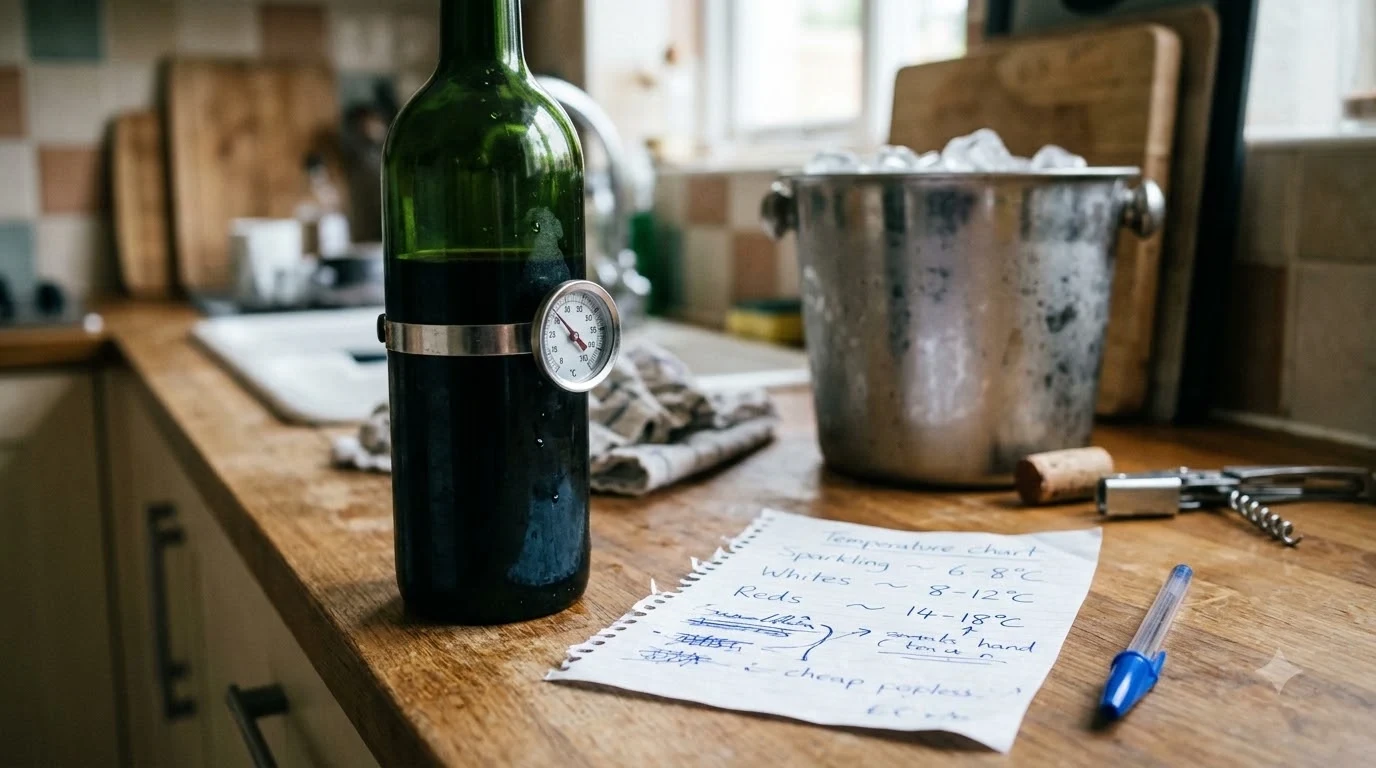
Good handling protects the bottle after purchase. For Caymus Cabernet, aim for a full-red serving temperature of 60–65°F, use a standard 5 oz pour, and give a young, full-bodied red 30–60 minutes in a decanter when it needs air. Temperature changes the wine’s feel: too warm, a Cabernet can seem heavier; too cold, its aroma may mute and tannin feel firmer. Cool a room-temperature bottle before serving and avoid the freezer.
Food is part of the buying decision. Cabernet Sauvignon’s high tannin pairs well with the protein and fat in grilled steak, roast beef, lamb, or a well-marbled burger. Salt and fat soften the perception of tannin, helping a structured red feel more balanced. Aged cheddar can also work. Avoid pairing a tannic red with delicate oily fish, where the wine’s structure can clash with the dish. If serving a rich red with chili-heavy barbecue, remember that alcohol and tannin can make chili heat feel more intense; a mildly seasoned brisket or grilled beef dish is a safer match.
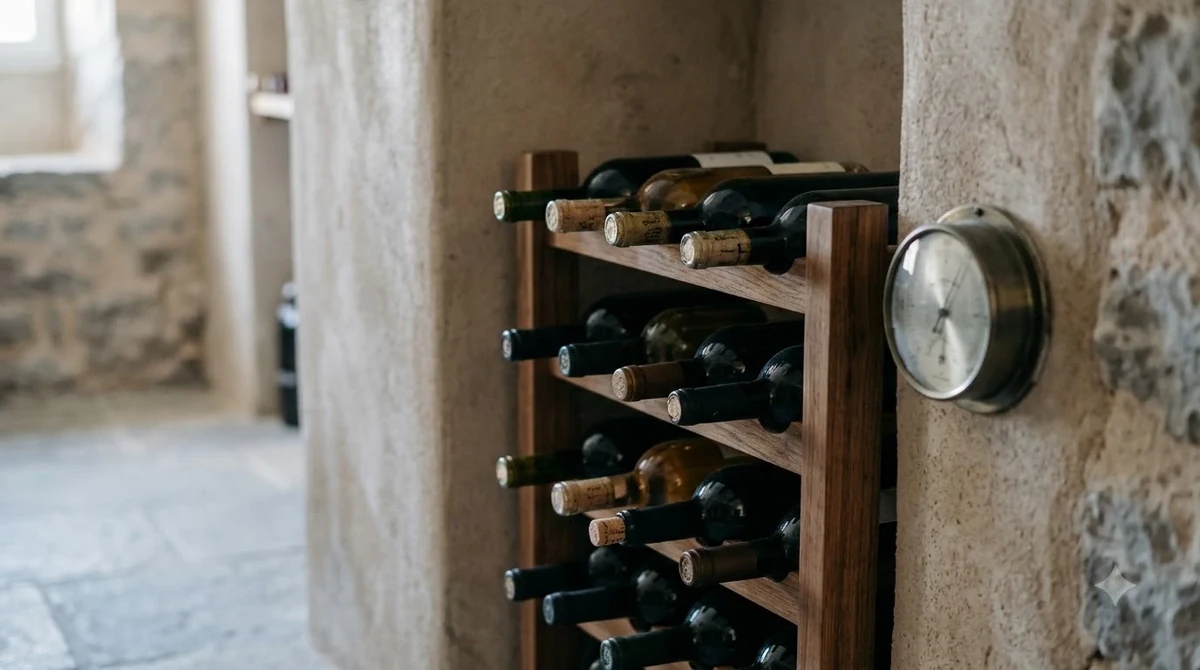
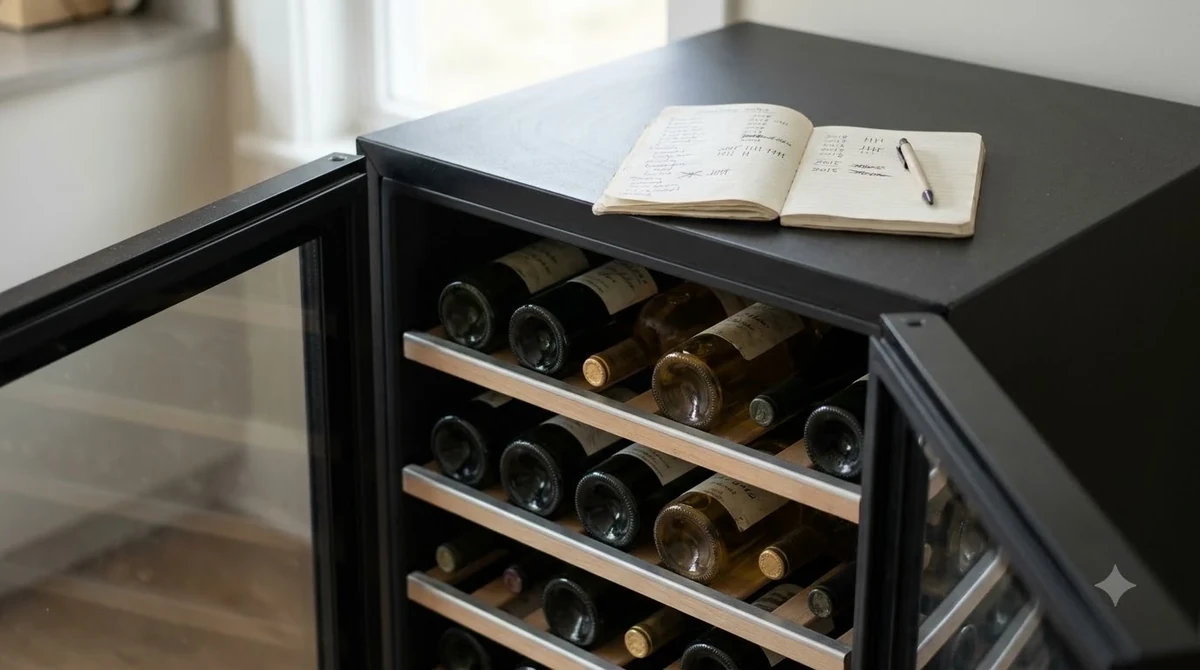
Store unopened bottles on their sides in a cool, dark place near 55°F, with stable temperature and little vibration. Keep them away from heat, sunlight, and temperature swings; a wine refrigerator or cellar is preferable for long-term storage.
After opening, reseal and refrigerate the wine. Still wines generally keep for about 3–5 days; bring the remaining Cabernet back toward serving temperature before pouring.
Frequently Asked Questions
These answers clarify the wine’s origin, selection method, and serving format.
Is Caymus always made in Napa Valley?
No. The winery is based in Rutherford, Napa Valley, but its California Cabernet draws on vineyard sites around the state. Caymus also offers seated winery tastings by appointment.
Is Special Selection a single-vineyard wine?
No. It is a barrel selection, not a single-vineyard bottling. The Wagner family timeline records that the wine was named Wine Spectator’s Wine of the Year in both 1984 and 1990.
How many glasses are in a standard Caymus bottle?
A 750 ml bottle yields about five standard 5 oz pours. Each pour is roughly 150 ml, so a bottle shared among five people provides one standard serving each.
Does Caymus Cabernet need to be aged before drinking?
Not necessarily. Caymus Vineyards began in 1972 with an initial production of 240 cases of Cabernet Sauvignon. That founding history is separate from the choice to cellar an individual bottle.
What does the name Caymus refer to?
The name came from Rancho Caymus, a 19th-century Mexican land grant associated with the area. It refers to local history, not a grape variety.
The fairest comparison starts with the full bottling name, appellation, vintage, and bottle size, then checks seller terms and storage history. Once those details match, choose the Caymus wine whose style fits the occasion and the drinker’s preference for full-bodied red wine.
More in Wine Brands
 Underwood Wine Price: Compare Bottles, Cans, and Pack SizesUpdated Nov 21, 2026
 Zenato Wine Price: Compare Styles and Choose the Right BottleUpdated Nov 21, 2026
 Zuccardi Wine Price: Compare Bottles and Find the Right RangeUpdated Nov 21, 2026
 Yellow Tail Moscato Review: Taste, Sweetness and Serving TipsUpdated Nov 21, 2026
 Wolf Blass Yellow Label Review: Choose Your Best StyleUpdated Nov 21, 2026
 Wolffer Estate Rose Review: Choose the Right Bottle for Your TableUpdated Nov 21, 2026