

We may earn a commission when you buy through links on this page, at no extra cost to you. Learn more.
The caymus cabernet price typically falls around $60 to $75 for a standard 750 ml bottle of Caymus Napa Valley Cabernet Sauvignon at major US retailers. The final cost depends on the retailer, state, vintage, bottle size, and local availability. Comparing several sellers and confirming that each listing refers to the same Napa Valley bottling can help you avoid paying more than necessary for the same wine.
Caymus Cabernet Sauvignon is one of the recognizable names in Napa Valley red wine, known for its rich fruit, ripe tannins, and full-bodied character. Its retail price places it above many everyday Cabernet Sauvignon options, making it useful to understand what the bottle offers before buying. This guide explains typical US retail costs, the factors behind price differences, how to compare listings, and what to consider when deciding whether Caymus belongs in your wine collection or on your dinner table.
Who Should Consider Buying Caymus Cabernet Sauvignon?
Caymus Cabernet Sauvignon is a reasonable choice for shoppers who enjoy ripe, concentrated Napa Valley reds and want a recognizable producer for a special dinner, celebration, or gift. Its fruit-forward style and approachable tannins make it an appealing option for drinkers who prefer a generous Cabernet rather than a particularly austere or aggressively structured red.
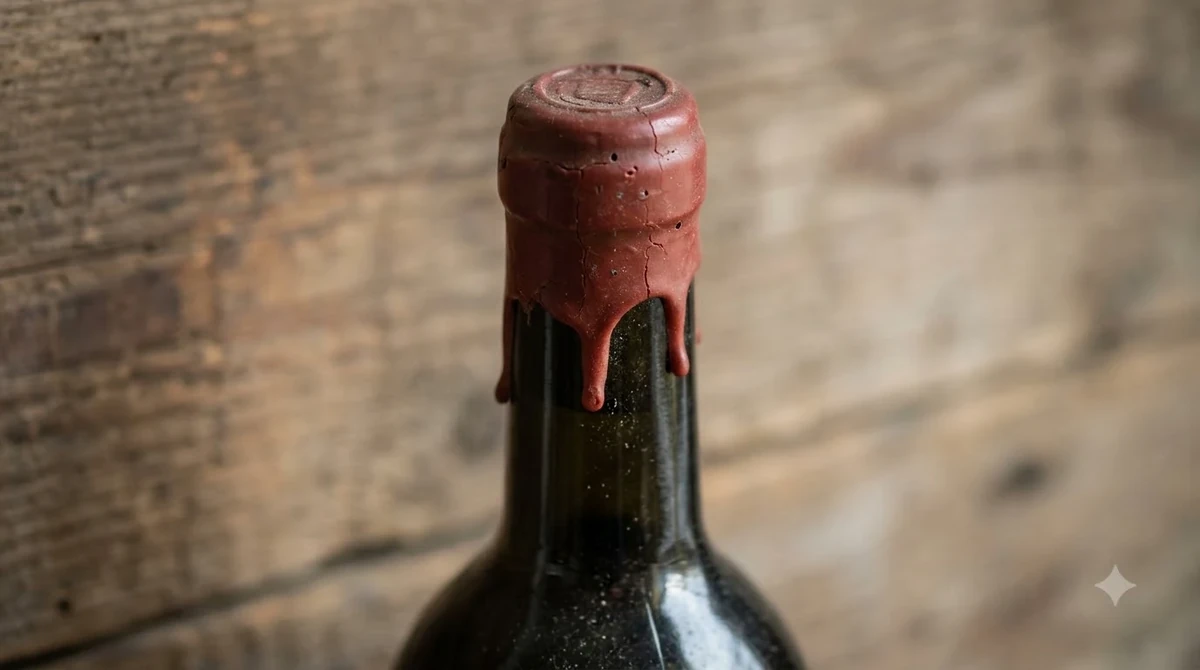
The wine is associated with Caymus Vineyards, a Napa Valley producer founded in 1972. Its signature Cabernet style emphasizes dark color, rich fruit, and ripe tannins. Retail descriptions also identify cocoa, cassis, vanilla, and dark berries among its characteristic flavor and aroma associations. These qualities help explain why the wine has developed a recognizable position in the premium Cabernet category.
The standard Napa Valley Cabernet is particularly relevant to shoppers looking for a familiar bottle with a substantial presence. Sam’s Club describes it as full-bodied, with ripe tannins and a long finish, while H-E-B highlights its rich fruit character. Those descriptions point toward a wine suited to meals with substantial flavors rather than delicate dishes.
Buyers should also understand that a recognizable name does not automatically make every bottle the right purchase. Someone who prefers lean, restrained Cabernet with firm acidity may find the Caymus style too ripe or generous. A shopper who primarily wants a moderately priced weekday red may also find better value in less expensive Cabernet Sauvignon from California or other regions.
The wine can make sense in several situations:
- Celebration dinners: Its recognizable Napa Valley identity makes it an appropriate option for a milestone meal or dinner party.
- Cabernet enthusiasts: Drinkers who enjoy dark fruit, ripe tannins, and full-bodied reds may appreciate its general style.
- Wine gifts: The established producer name makes the bottle familiar to many American wine shoppers.
- Special-occasion collections: Buyers interested in comparing Napa Cabernet vintages may want to include Caymus among their selections.
Before purchasing, consider whether the intended recipient enjoys this particular style of Cabernet. A premium bottle is most successful as a gift when its flavor profile matches the person’s preferences. For a broader introduction to the producer, the Caymus Cabernet overview provides additional context about the wine itself.
Key Factors That Affect Caymus Cabernet Price
The most important factors behind the final retail cost are the bottle’s size, vintage, exact Caymus label, retailer, and location. Comparing these details is more useful than judging a listing by its displayed price alone.
For a standard 750 ml bottle, a practical US retail shopping range is approximately $60 to $75. This range is supported by listings from Total Wine and H-E-B: Total Wine displayed a bottle around $68.99, while H-E-B displayed the 750 ml wine around $69.96. Prices vary by state and retailer, and these listings are examples rather than guaranteed nationwide prices. Shoppers can compare the Total Wine Caymus Cabernet listing for a retailer reference.
The following comparison shows the main factors to examine before deciding whether a particular listing represents a reasonable purchase.
| Comparison factor | What to examine | Why it matters |
|---|---|---|
| Standard bottle size | 750 ml | Provides the most useful baseline for comparing retail listings. |
| Large bottle size | 1.5 liters | Contains twice the wine in a standard 750 ml bottle. |
| Vintage | Harvest year printed on the bottle | Different growing seasons can influence wine character and market demand. |
| Wine designation | Napa Valley Cabernet Sauvignon | Prevents confusion with other wines carrying the Caymus name. |
| Retailer | Local wine shops and major retailers | Store pricing and inventory policies differ. |
| Location | State and local market | Taxes, distribution costs, and availability influence the final total. |
| Purchase format | Single bottle or multi-bottle purchase | Retailers may have different quantity pricing structures. |
Vintage and growing conditions
Vintage is one of the details that deserves attention when comparing Caymus bottles. Grapes develop under different weather conditions each growing season, and differences in temperature, rainfall, and harvest timing can influence ripeness, concentration, and tannin character.
H-E-B’s listing for the 2023 Caymus Cabernet describes a warm growing season and a harvest that finished in early December. It also describes a lengthy, rain-free autumn that supported ripe fruit and concentrated flavors. These details illustrate why one vintage should not automatically be treated as identical to another.
Vintage differences can also influence what retailers have available. A shop carrying an older release may price it differently from a store selling a more recent release. That does not mean the older bottle is automatically better or more valuable. Its storage history, condition, and intended drinking window should all be considered.
Retailer and regional differences
Two retailers can display different prices for the same wine, even when they are selling the same bottle size and vintage. Inventory, regional distribution, local taxes, and store-specific pricing policies all contribute to these differences.
For example, Total Wine explicitly notes that its Caymus Cabernet price, vintage, and availability may vary by store. H-E-B also notes differences between in-store, curbside, and delivery pricing. Consequently, a listing should be treated as a reference point rather than a universal national price. The H-E-B Caymus Cabernet product page provides another retailer reference for the standard 750 ml bottle.
A useful comparison involves at least three details: the complete wine name, the bottle volume, and the vintage. Once those match, the displayed retail prices become much more meaningful.
Step-by-Step: How to Compare Caymus Cabernet Prices
A careful comparison does not require complicated wine knowledge. Following a consistent process helps shoppers distinguish genuine differences in the wine from ordinary variations in retailer pricing.
-
Identify the exact wine.
Start by confirming that the bottle is Caymus Vineyards Napa Valley Cabernet Sauvignon. Do not assume that every wine with Caymus printed on its label is the same product. The producer’s name can appear on different wine styles and bottlings, so the complete designation matters.
-
Confirm the bottle volume.
Use 750 ml as the standard comparison size. A 1.5-liter bottle contains twice as much wine, while other formats may require a separate comparison. Comparing the total displayed price without accounting for volume can produce misleading conclusions.
-
Match the vintage.
Look at the harvest year printed on each listing or bottle. A 2023 release should not automatically be compared with an older vintage as though both products were identical. Differences in availability and demand may also affect retail pricing.
-
Check multiple retailers.
Compare local wine shops, grocery retailers, and larger wine merchants. Total Wine and H-E-B provide examples of major retailers listing Caymus Napa Valley Cabernet. A third retailer can provide another useful reference point for the same bottle.
-
Calculate the volume-adjusted cost.
For a standard bottle, the displayed total price is straightforward to compare. For larger formats, divide the price by the number of equivalent 750 ml bottles. A 1.5-liter bottle contains two standard bottles, so its total cost should be evaluated accordingly.
-
Review availability and purchase conditions.
Confirm that the bottle is actually available at the selected location. Some listings show products that are unavailable for delivery or pickup. Also consider whether a retailer requires membership, a minimum quantity, or a particular delivery arrangement.
-
Inspect the bottle before purchasing.
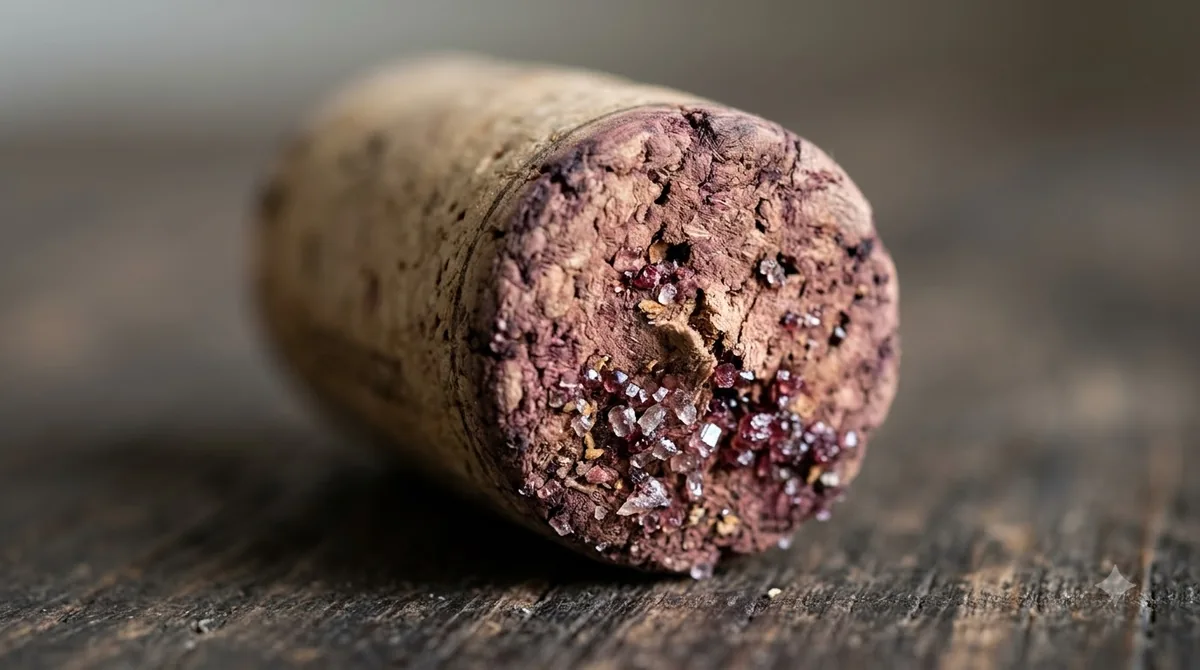
Check the label, closure, fill level, and general packaging condition. For an older vintage, storage history is especially relevant. Avoid bottles with signs of leakage, damaged closures, or suspiciously poor storage conditions.
Tip: Save the exact product name, vintage, and bottle size when comparing stores. A lower displayed price is only meaningful when the two listings refer to the same wine and volume.
This process is particularly helpful when shopping for a gift. A bottle with a familiar label may look identical in two online listings, but different vintages or formats can make the comparison inaccurate. Matching the details first helps prevent an unnecessary purchase mistake.
For additional buying context, the broader Caymus wine overview can help distinguish the producer’s different offerings before a final selection is made.
Caymus Cabernet Styles and Bottle Differences Explained
The standard Napa Valley Cabernet Sauvignon is the primary bottle most shoppers mean when searching for Caymus Cabernet. However, the producer’s broader identity and other wine designations can create confusion, particularly when online stores group several products under one brand name.
The following distinctions are important when researching the bottle you intend to purchase.
Standard Napa Valley Cabernet Sauvignon
This is the familiar Caymus Cabernet bottling. Its defining characteristics include dark color, concentrated fruit, and ripe tannins. Retail descriptions from Total Wine and H-E-B emphasize its approachable style, while Sam’s Club describes a full-bodied wine with a long finish.
Its flavor profile is generally associated with dark berries, cassis, cocoa, and vanilla. These flavors make it suitable for people who enjoy ripe California Cabernet Sauvignon rather than wines with particularly restrained fruit expression.
For most shoppers researching the ordinary Caymus Cabernet bottle, this is the appropriate product to use as the comparison baseline. Its standard 750 ml format also makes it easier to compare across retailers.
Other Caymus bottlings
Caymus is a producer name rather than a guarantee that every bottle represents the same wine. Other Caymus-associated bottlings can have different production selections, regional designations, and intended styles.
One important example is Caymus Special Selection. It should be treated as a separate bottling rather than simply another name for the standard Napa Valley Cabernet. Its selection and positioning differ, so its retail pricing should not be used to estimate the cost of the regular Cabernet.
Similarly, a wine with a different regional designation should not be compared automatically with the Napa Valley bottling. The region, grape composition, and production decisions can influence both the character and positioning of the wine.
750 ml versus 1.5-liter bottles
Bottle size creates another potential source of confusion. A standard 750 ml bottle is the common retail format, while a 1.5-liter bottle contains twice that volume. The larger format is often called a magnum.
For practical comparison, calculate the equivalent cost of two standard bottles rather than looking only at the larger bottle’s total. This provides a clearer picture of the amount of wine being purchased.
Large formats can also be useful for group dinners because they reduce the number of bottles needed at the table. However, they are not automatically better value, and buyers should compare the cost per equivalent 750 ml before making a decision.
Common Mistakes When Shopping for Caymus Cabernet
The most frequent buying mistakes involve confusing different Caymus wines, comparing different vintages, and assuming that a familiar producer name guarantees the same price or quality across every retailer. A few basic checks can make the purchase much more straightforward.
Confusing Napa Valley Cabernet with other Caymus wines
Brand recognition can make shoppers overlook the full product description. Caymus Cabernet Sauvignon, Special Selection, and other wines associated with the producer should not be treated as interchangeable.
Always identify the exact wine designation before comparing prices. A listing that simply says Caymus may not provide enough information to establish which bottle is being offered.
Ignoring the vintage
Another mistake is assuming that all bottles carry the same vintage or that the newest release must be the most suitable option. Growing seasons differ, and retailers can carry several releases simultaneously.
For shoppers who want a specific vintage, the printed year should be part of the purchasing decision. If the listing does not clearly identify the year, contact the retailer before completing the purchase.
Comparing different bottle sizes
A larger bottle can appear more expensive simply because it contains more wine. Conversely, a lower-priced small bottle may not represent better value when calculated by volume.
Use 750 ml as the reference unit. A 1.5-liter magnum contains two standard bottles, making the comparison simple once the bottle volumes are confirmed.
Assuming a premium price guarantees personal enjoyment
Wine preferences are subjective. Some Cabernet drinkers prefer ripe, generous fruit and softer tannins, while others prefer firmer structure, greater restraint, and a more pronounced savory character.
Caymus is generally associated with the former style. Someone who prefers a leaner Bordeaux-inspired Cabernet may find another wine more suitable, even if the alternative costs more.
Overlooking storage and bottle condition
Storage is especially important for wines that have spent time in retail inventory or private collections. Excessive heat and fluctuating temperatures can damage wine, regardless of its producer or original retail position.
Look for a sound closure, an intact capsule, and no visible leakage. When purchasing an older vintage, ask whether the seller can provide information about how the bottle was stored.
Finally, avoid assuming that every online listing represents current inventory. A displayed product can remain visible even when pickup or delivery is unavailable in a particular location. Confirming availability before traveling to a store can save time and prevent disappointment.
Serving and Storage Tips for Caymus Cabernet Sauvignon
Proper serving and storage help preserve the wine’s intended character and make the bottle more enjoyable at the table. For a full-bodied Cabernet such as Caymus, a serving temperature of 60 to 65 degrees Fahrenheit is a useful starting point.
Serve at the right temperature
Many people serve red wine too warm, particularly when the bottle has been stored in a warm room. Excessive warmth can make alcohol seem more prominent and reduce the balance between fruit, acidity, and tannins.
For Caymus Cabernet, aim for approximately 60 to 65 degrees Fahrenheit. If the bottle is at room temperature in a warm home, a short period in the refrigerator can bring it closer to the desired range.
Serve a standard 5-ounce pour in a reasonably sized red wine glass. A 750 ml bottle provides approximately five standard servings, making it suitable for a small dinner gathering.
Allow young bottles to breathe
A young, full-bodied Cabernet Sauvignon can benefit from decanting. A period of approximately 30 to 60 minutes can help soften the initial impression of a tightly structured wine and allow its aromas to become more expressive.
Decanting is not mandatory, and the ideal duration depends on the wine’s age and condition. Start by pouring a small glass and assessing the wine. If its aromas seem restrained, additional aeration may help.
Older bottles require more caution. Excessive exposure to air can diminish delicate aromas, so a careful pour and gradual assessment are preferable to automatically leaving every bottle in a decanter for an hour.
Store unopened bottles correctly
Unopened wine should be kept away from direct sunlight, heat sources, and large temperature fluctuations. A storage temperature close to 55 degrees Fahrenheit is a useful target for longer-term storage.
For bottles sealed with cork, horizontal storage helps maintain contact between the wine and the cork. A stable environment is more important than frequent movement or repeated changes in storage location.
Avoid keeping a collectible bottle in a kitchen cabinet above an oven or near a window. These locations can expose wine to unwanted heat and light.
Preserve opened bottles
Once opened, Caymus Cabernet should be recorked or sealed with an appropriate wine stopper and stored in the refrigerator. Many still wines remain enjoyable for approximately three to five days after opening, although their aromas and flavors can change during that period.
Allow refrigerated red wine to warm slightly before serving it again. Pouring it directly from a cold refrigerator may make the wine seem less expressive than intended.
Pair with substantial food
Caymus Cabernet’s full-bodied structure and ripe tannins make it a natural match for foods with rich flavors and substantial texture.
- Grilled steak: The protein and savory character of beef work well with Cabernet’s tannins and dark fruit.
- Roast lamb: The rich flavor of lamb provides a suitable counterpart to the wine’s concentrated fruit.
- Duck: Roasted duck offers enough richness to complement a full-bodied red.
- Hard cheeses: Aged cheddar and similar firm cheeses can balance the wine’s tannic structure.
- Slow-cooked beef: Braised short ribs and other rich preparations provide a satisfying pairing.
For additional guidance on the wine’s aromas, structure, and flavor profile, see the Caymus Cabernet tasting notes.
Frequently Asked Questions
How many glasses are in a standard bottle of Caymus Cabernet?
A standard 750 ml bottle contains approximately five 5-ounce servings. The exact number of pours depends on glass size and serving preference. For a dinner with six adults, two standard bottles provide enough wine for approximately ten standard servings.
What alcohol percentage does Caymus Cabernet Sauvignon have?
Sam’s Club lists the standard Napa Valley Cabernet Sauvignon at 14.4% alcohol by volume. Alcohol content can differ between vintages, so the figure should not be assumed to apply to every historical release. This is one reason to identify the specific bottle rather than relying on a general brand description.
Should Caymus Cabernet be refrigerated before opening?
It does not need permanent refrigerator storage before opening. A short cooling period can be useful if the wine is warmer than its intended serving temperature. A dedicated wine refrigerator or stable cellar environment is preferable for longer-term storage.
Can Caymus Cabernet be served at a formal dinner?
Yes. Its Napa Valley identity and full-bodied style make it suitable for formal meals featuring beef, lamb, or rich roasted dishes. For a traditional dinner service, use appropriately sized red wine glasses and pour moderate servings rather than filling the glass to the rim.
Is Caymus Cabernet Sauvignon made with organic grapes?
The retailer product descriptions consulted for this guide do not establish an organic certification for the standard Caymus Cabernet Sauvignon. Organic status should not be assumed from the winery’s general descriptions of its vineyard practices. Buyers seeking certified organic wine should look for an explicit certification associated with the particular bottle.
Caymus Cabernet Sauvignon occupies a recognizable place in the Napa Valley Cabernet category, with a ripe, fruit-forward style that appeals to many drinkers. Before buying, compare the exact vintage, designation, and bottle size across retailers rather than relying on the brand name alone. A carefully selected bottle that suits the occasion and personal taste is a better purchase than simply choosing the most expensive listing.
More in Wine Brands
 Underwood Wine Price: Compare Bottles, Cans, and Pack SizesUpdated Nov 21, 2026
 Zenato Wine Price: Compare Styles and Choose the Right BottleUpdated Nov 21, 2026
 Zuccardi Wine Price: Compare Bottles and Find the Right RangeUpdated Nov 21, 2026
 Yellow Tail Moscato Review: Taste, Sweetness and Serving TipsUpdated Nov 21, 2026
 Wolf Blass Yellow Label Review: Choose Your Best StyleUpdated Nov 21, 2026
 Wolffer Estate Rose Review: Choose the Right Bottle for Your TableUpdated Nov 21, 2026