

We may earn a commission when you buy through links on this page, at no extra cost to you. Learn more.
This casillero del diablo wine review finds a reliable, approachable lineup of Chilean wines that deliver dependable fruit character, balanced structure, and wide grocery-store availability for everyday dinners. Produced by historic winery Viña Concha y Toro, the label spans dry single-varietal reds, plush semi-sweet red blends, crisp coastal whites, and lighter low-alcohol bottlings. Shoppers looking for complex cellar-worthy collectibles should look elsewhere, while weeknight hosts gain consistent crowd-pleasers across multiple tiers.
Walking down a supermarket wine aisle often means choosing between unfamiliar labels and recognizable imports from Chile’s Central Valley. Understanding how Casillero del Diablo organizes its tiers, grape varieties, and sweetness levels makes picking the right bottle straightforward whether dinner calls for grilled steak, spicy ribs, or chilled seafood.
Who This Guide Is For
This buying guide helps everyday wine drinkers, dinner hosts, and curious beginners decide which Casillero del Diablo bottles match their palate and menu. Because the brand produces over a dozen varietals across several quality tiers, picking a bottle at random can lead to mismatches in tannin grip or residual sweetness.
Shoppers who enjoy fruit-forward New World wines without heavy oak extraction will feel right at home with the core Reserva lineup. According to Wine Enthusiast, Casillero del Diablo distributes its bottles across more than 140 countries and earned New World Winery of the Year honors for combining accessibility with consistent regional expression. That global reach means casual buyers can reliably find the exact same core bottlings at neighborhood grocers, warehouse clubs, and specialty wine shops across the United States.
At the same time, knowing who should skip certain bottles saves frustration at the table. Drinkers who strictly prefer bone-dry, earthy Old World reds with high acidity may find the plush fruit and subtle sweetness of the Reserva Red Blend too soft. Likewise, collectors seeking age-worthy single-vineyard wines meant to develop over 15 to 20 years will want higher-tier estates rather than an everyday casillero del diablo wine designed for immediate enjoyment.
Key Factors to Compare Across the Lineup
Comparing Casillero del Diablo bottles comes down to four measurable traits: tier designation, alcohol by volume, residual sugar, and primary Chilean valley origin. Checking these details prevents accidentally grabbing a semi-sweet blend when expecting a crisp, dry table wine.
Viña Concha y Toro—founded in Pirque in 1883 by Don Melchor de Concha y Toro—crafts the brand using grapes harvested from diverse microclimates between the Andes Mountains and the Pacific Ocean. Coastal valleys like Limarí and Casablanca supply cool-climate white grapes with brisk natural acidity, while warmer inland valleys such as Maipo, Rapel, and Maule ripen full-bodied red varieties. Technical director Marcelo Papa, who joined the brand’s winemaking team in 1998, oversees blending decisions aimed at keeping each varietal recognizable from vintage to vintage.
| Bottling / Line | Primary Grape(s) | Typical ABV | Body & Sweetness | Key Chilean Region(s) |
|---|---|---|---|---|
| Reserva Cabernet Sauvignon | Cabernet Sauvignon | 13.5% | Medium-full, dry | Central Valley, Maipo Valley |
| Reserva Carmenere | Carmenere | 13.5% | Medium-full, dry | Central Valley, Rapel Valley |
| Reserva Red Blend | 70% Syrah, 30% Cabernet Sauvignon | 13.5% | Full, off-dry (11.46 g/L sugar) | Central Valley |
| Reserva Sauvignon Blanc | Sauvignon Blanc | 12.5%–13.0% | Light, crisp & dry | Central Valley, Casablanca |
| Reserva Especial Cabernet | Cabernet Sauvignon | 14.0% | Full, structured & dry | Maule Valley (Cauquenes) |
| Belight Sauvignon Blanc | Sauvignon Blanc | 8.5% | Light, dry (65 cal/glass) | Coastal & Central Valleys |
Notice how alcohol and residual sugar separate the core red bottles even when both carry the standard Reserva label. While the classic Cabernet Sauvignon finishes dry with firm grape tannins, the Reserva Red Blend retains 11.46 grams per liter of residual sugar, giving it a noticeably rounder, sweeter finish.
Tip: Turn the bottle around and read the back-label grape breakdown before buying. If Syrah leads the blend alongside Cabernet Sauvignon under the Reserva Red Blend name, expect a noticeably sweeter, softer wine than the single-varietal Cabernet Sauvignon.
Step-by-Step: How to Choose Your Casillero del Diablo Bottle
Selecting the right bottle takes less than two minutes once you match your meal’s richness, acidity, and spice level to the winery’s tier system. Follow these five steps in the store aisle to pick a bottling that fits your occasion.
- Define the meal’s weight and fat content: Pair high-tannin reds like Cabernet Sauvignon with marbled beef, lamb, or aged hard cheeses, because salt and fat naturally soften firm tannins on the palate.
- Check for chili heat or sweet glazes: Avoid high-tannin, higher-alcohol reds with fiery spicy dishes, since alcohol and tannin amplify capsaicin heat; reach instead for crisp Sauvignon Blanc or the off-dry Reserva Red Blend with sweet-and-smoky barbecue sauce.
- Pick your quality tier: Choose standard Reserva for casual weeknight pours, step up to Reserva Especial for denser valley-specific fruit like Maule Valley Cabernet, or select Reserva Privada for formal dinners needing deeper oak complexity.
- Verify alcohol and calorie goals: Look for the Belight label if you want a lighter pour, which lowers alcohol to 8.5% ABV and trims calories to 65 per serving without losing citrus aromatics.
- Inspect the vintage year on the neck or front label: Favor recent vintages within 2 to 4 years of release for white wines and standard Reserva reds so fruit aromas stay vibrant and fresh.
Following this sequence eliminates guesswork when standing in front of a crowded shelf display. Even within the same brand family, matching structural traits like tannin and acidity to specific proteins makes a noticeable difference at the dinner table.
Types and Styles Explained
Casillero del Diablo organizes its portfolio into distinct product lines and grape styles, ranging from its original 1966 Cabernet Sauvignon to modern low-calorie whites. Knowing what each style tastes like helps buyers work through both the red and white shelves with confidence.
Core Reserva Red Varietals
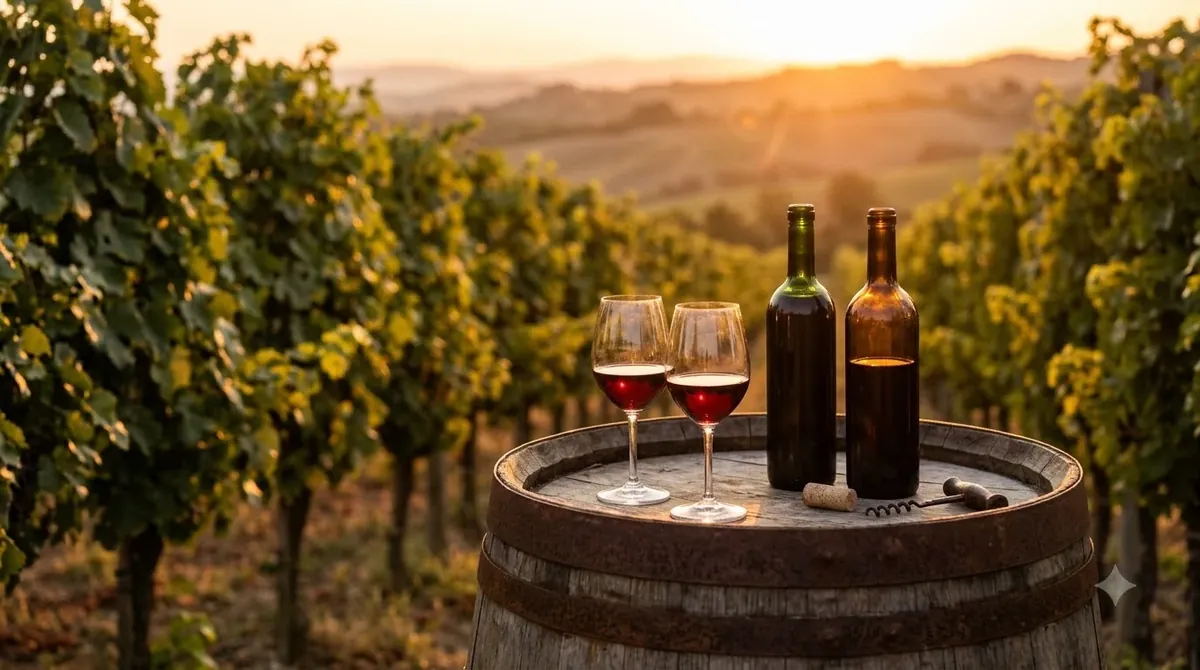
The flagship Reserva tier anchors the brand’s global reputation, led by casillero del diablo cabernet at 13.5% ABV. Sourced largely from Chile’s Central and Maipo Valleys, this deep ruby red delivers aromas of bright cherry, blackcurrant, and dark plum layered over subtle toasted oak. Its medium-to-high tannins and clean herbal finish pair naturally with grilled ribeye, roast beef, or aged Gruyère cheese.
Alongside Cabernet Sauvignon, the Reserva red lineup highlights Chile’s signature grape, Carmenere, as well as Merlot and Pinot Noir. Reserva Carmenere offers medium-plus body, plush blackberry and roasted red pepper notes, and softer tannins than Cabernet, making it versatile with spiced pork or mushroom dishes. Reserva Merlot dials back tannin grip even further with ripe plum and cocoa notes, while Pinot Noir brings lighter body and higher natural acidity suited for roasted poultry or salmon.
Reserva Red Blend and Devil’s Collection
Drinkers who prefer plush, fruit-driven reds with minimal astringency gravitate toward the Reserva Red Blend. Reviewed by independent wine site Reverse Wine Snob, the blend combines 70% Syrah and 30% Cabernet Sauvignon from Central Valley vineyards at 13.5% ABV. With 11.46 grams per liter of residual sugar and oak barrel aging, it delivers velvety black cherry, plum, dark chocolate, and sweet spice flavors that complement smoky barbecue ribs and rosemary lamb chops.
Reserva Especial and Reserva Privada Tiers
Above the core Reserva range, Reserva Especial focuses on specific sub-regions such as Cauquenes in the Maule Valley. These bottlings typically carry slightly higher alcohol—around 14.0% ABV—alongside denser dark fruit concentration and firmer, chewier tannins built for hearty braises. Reserva Privada sits a step higher still, blending select Maipo Valley lots with extended oak maturation for added cedar, vanilla, and savory depth.
Crisp Whites and Belight Low-Alcohol Bottlings
Common Mistakes When Buying and Serving Casillero del Diablo
Even well-made everyday wines lose their charm when buyers overlook bottle age, serving temperature, or food pairing mechanics. Avoiding three frequent missteps helps every bottle taste as balanced as winemaker Sebastián Rodríguez and technical director Marcelo Papa intended.
The first mistake is treating all Casillero del Diablo bottles as long-term cellar candidates. While Viña Concha y Toro ages select lots in its historic underground cellars in Pirque—located roughly one hour outside Santiago—the core Reserva range is bottled for immediate fruit freshness rather than decade-long aging. Buying a five-year-old bottle of standard Sauvignon Blanc or entry-level Pinot Noir from a warm top grocery shelf often yields muted citrus and tired, oxidized fruit.
Second, serving red wines straight from a warm kitchen counter dulls their vibrant aromatics and emphasizes alcohol heat. At room temperatures above 70°F, a 13.5% ABV Cabernet Sauvignon or 14.0% ABV Reserva Especial can taste jammy and flat. Chilling full reds to 60°F–65°F—about 15 to 20 minutes in a standard refrigerator before pouring—tightens the structure and brings dark cherry and herbal notes into focus. Conversely, serving whites ice-cold below 40°F masks delicate lime, peach, and tropical fruit aromatics.
Third, pairing high-tannin reds with oily fish or fiery chili dishes creates harsh metallic or burning sensations on the palate. High-tannin casillero del diablo red wine selections like Cabernet Sauvignon clash with salmon or mackerel, while raised alcohol and tannin intensify capsaicin heat in spicy curries. Switching to high-acidity Reserva Sauvignon Blanc or low-tannin Pinot Noir solves both clashes easily.
Storage, Serving, and Preservation Tips
Proper storage and simple serving habits protect fruit aromas before and after the cork or screwcap is opened. Following standard temperature and timeline guidelines keeps leftover glasses tasting crisp for days.
Before opening, store unopened bottles horizontally in a dark, vibration-free spot held near 55°F so corks stay moist and sealed against oxygen. Keep bottles away from kitchen ovens, sunny windows, and refrigerator tops, where daily temperature swings accelerate premature aging. For serving, pour standard 5-ounce servings—yielding about five glasses per 750 ml bottle—at the ideal temperature for each style: 45°F–50°F for Sauvignon Blanc, Rosé, and Belight bottlings; 50°F–55°F for oak-aged Chardonnay; 55°F–60°F for lighter reds like Pinot Noir; and 60°F–65°F for Cabernet Sauvignon, Carmenere, and Syrah-led blends.
Young, full-bodied reds such as Reserva Especial Cabernet Sauvignon benefit from 30 to 60 minutes in a decanter before dinner, which softens firm tannins and opens up blackcurrant and cedar aromas. Once a bottle is opened, re-cork or re-seal it tightly and place it upright in the refrigerator to slow oxidation. Still red and white wines stay fresh for 3 to 5 days chilled, while sparkling bottlings hold their bubbles for 1 to 3 days with a proper sparkling stopper. For additional comparisons across major global producers, browse the Wine Brands hub.
Frequently Asked Questions
Where does the name Casillero del Diablo come from?
According to Viña Concha y Toro, the name translates to “the Devil’s Cellar” and dates back to the late nineteenth century. Founder Don Melchor de Concha y Toro stored his finest private reserve wines behind a locked wrought-iron gate in his Pirque underground cellar and spread a rumor that the Devil lived inside to deter locals from taking bottles.
When was the first Casillero del Diablo wine released?
Viña Concha y Toro launched the commercial Casillero del Diablo label with its inaugural 1966 vintage Cabernet Sauvignon. According to Viña Concha y Toro, the brand spans more than a dozen varietals and styles sold across over 140 countries worldwide.
Is Casillero del Diablo a sustainable winery?
Parent company Viña Concha y Toro operates as a certified B Corp wine producer headquartered in Chile. This certification verifies measurable environmental and social governance standards across its vineyards, water management programs, and packaging operations.
What is the difference between Casillero del Diablo Belight and regular Sauvignon Blanc?
According to producer specifications, Casillero del Diablo Belight Sauvignon Blanc is bottled at 8.5% ABV with 65 calories per glass and is best served between 46°F and 50°F (8°C to 10°C). According to Viña Concha y Toro, standard Reserva Sauvignon Blanc typically carries 12.5% to 13.0% ABV with fuller body and higher alcohol warmth.
Did the grape blend in Casillero del Diablo Reserva Red Blend change over time?
Yes, according to Reverse Wine Snob, earlier vintages of the Reserva Red Blend used a three-grape formula composed of 60% Syrah, 25% Carmenere, and 15% Cabernet Sauvignon. More recent bottlings reviewed by Reverse Wine Snob shifted to a two-grape blend of 70% Syrah and 30% Cabernet Sauvignon.
Choosing the right bottle from Casillero del Diablo comes down to matching sweetness, tannin grip, and serving temperature to the food on your table. Whether reaching for a dry Maipo Valley Cabernet Sauvignon, a plush off-dry Syrah blend, or a crisp Belight white, checking the back label helps deliver a dependable pour for any weeknight or dinner gathering.
More in Wine Brands
 Louis Latour Wine Price: Compare Bottles by Style and TierUpdated Nov 20, 2026
 Yellow Tail Moscato Price: What to Expect Before You BuyUpdated Nov 20, 2026
 Sutter Home Sweet Red Review: Find the Right Food PairingsUpdated Nov 20, 2026
 Franzia Chillable Red Review: Find the Right Serving StyleUpdated Nov 20, 2026
 Veuve Clicquot Rose Review: Flavor, Food Pairings and Buying AdviceUpdated Nov 20, 2026
 Rombauer Wine Price: Compare Bottles Before You BuyUpdated Nov 20, 2026