

We may earn a commission when you buy through links on this page, at no extra cost to you. Learn more.
Casillero del Diablo wine is a Chilean brand made by Concha y Toro, and its best-known Reserva range offers easy-drinking reds and whites from several Chilean valleys. The brand is one of the most recognizable Chilean labels on American shelves. Its Reserva line includes Carmenere, Merlot, and Cabernet Sauvignon, and the wider portfolio adds the Devil’s Collection, Reserva Privada, and sparkling and rosé wines. This guide explains what the brand offers, how its wines taste, how to serve them, and what to eat with them.
Casillero del Diablo sits in the everyday wine aisle, which is why many buyers pick it up without knowing much about it. Chile is a major wine country with a varied climate, and the grapes on a Casillero label often reflect that range. If you are choosing between a Casillero bottle and another Chilean or New World red or white, the sections below will help you set expectations.
Who Makes Casillero del Diablo
Casillero del Diablo is produced by Concha y Toro, one of the largest wine companies in Chile. The Concha y Toro website, which publishes news about the brand, notes that the company has been operating since 1883. The brand’s own site describes the Reserva range as the classic core of the line and invites visitors to explore the original cellar, which is part of how the brand presents its heritage to customers.
Because the brand sits inside a large producer, its wines are made to be consistent from year to year. That is a practical advantage for a buyer who wants the same style each time they open a bottle. It also means the label is a useful guide to the grape and the style, even though the wines are not tied to a single small estate.
The Reserva Range and the Main Varieties
The Reserva range is the heart of the brand. The Concha y Toro site lists Reserva Cabernet Sauvignon, Reserva Merlot, and Reserva Carmenere among the examples, along with a broader set of grapes including Malbec, Shiraz, Pinot Noir, Chardonnay, Sauvignon Blanc, Viognier, and Pinot Grigio. The brand also offers red blends and a range of sparkling and rosé wines.
Carmenere is one of the more interesting grapes on the list. It is a red variety that was long associated with Chile, and it often shows red fruit, green herbal notes, and a soft, approachable texture when it is well ripened. Buyers who want something different from the usual Cabernet and Merlot often find a Carmenere-based Reserva a good value to try.
| Casillero line | What it includes | Good for |
|---|---|---|
| Reserva | Cabernet Sauvignon, Merlot, Carmenere, Chardonnay, Sauvignon Blanc | Everyday dinners and first-time buyers |
| Devil’s Collection | Red, white, rosé, and sparkling styles in the brand’s playful line | Parties, casual gatherings, and gifts |
| Reserva Privada and Reserva Especial | Higher-tier bottlings from the Reserva family | Special dinners and tasting comparisons |
What the Wines Taste Like
Most Casillero reds are built around ripe fruit, a medium body, and soft tannins, so they are approachable without tasting thin. Expect dark fruit and a touch of spice in the Cabernet and Merlot bottlings, and red fruit with herbal lift in the Carmenere. The whites tend to be fresh and fruit-forward, with the crisp acidity that suits a casual glass before dinner.
The brand’s wines have also drawn attention in competitions. According to a Concha y Toro article about recent awards, the Casillero del Diablo Reserva Carmenere 2020 earned a Gold Medal at the Concours Mondial de Bruxelles in 2022, and the Casillero del Diablo Merlot 2020 earned a Silver Medal at the same competition. The article notes that the event tasted more than 7,300 wines from almost 40 countries, and that medals were awarded to fewer than 30 percent of the entries. Awards like these show that the brand’s quality is recognized by judges, but a medal is one data point, and personal taste still matters most when choosing a bottle.
How to Serve Casillero Reds and Whites
Serve Casillero reds slightly below room temperature, since a bottle that sits in a very warm room can taste flabby and alcoholic. Let the wine rest for a few minutes after opening, and pour into a standard red glass so the aromas have space. Whites should be served cool but not ice cold, which lets the fruit show and keeps the acidity balanced.
Decanting is optional for most Reserva bottles. A short decant can soften a young red and let the fruit open, but it is not required for everyday drinking. For a sparkling or rosé bottle, chill it well and pour into a flute or a standard white glass, depending on what you have on hand.
Food Pairings That Fit the Style
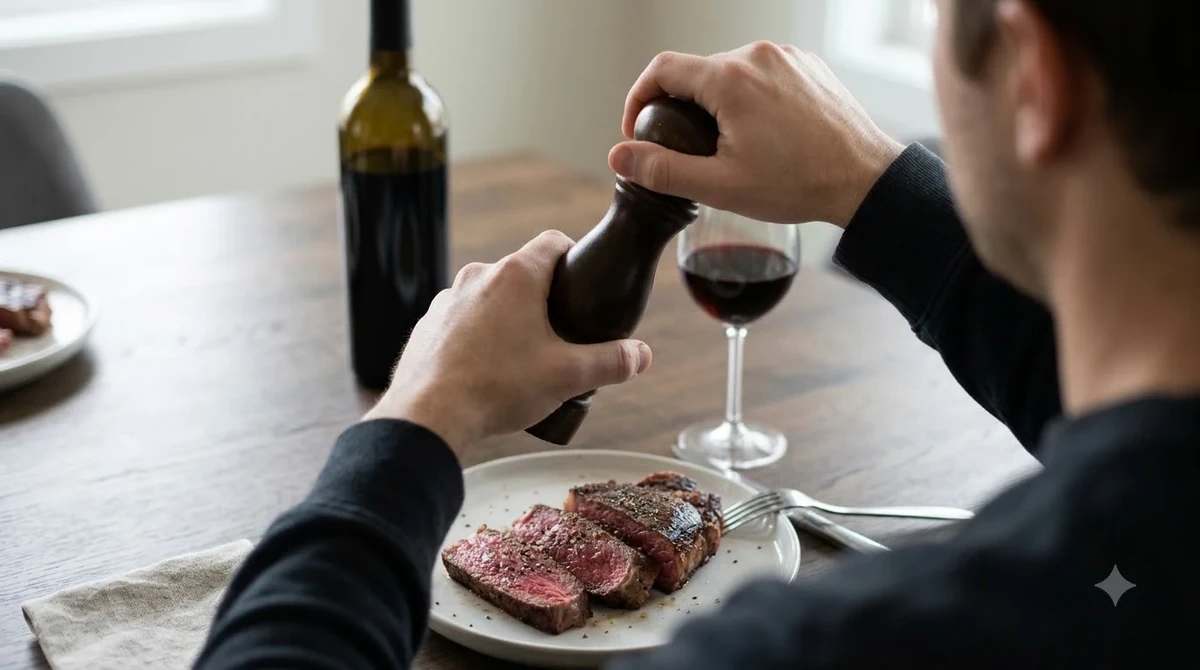
Casillero Cabernet Sauvignon and Merlot are at home with grilled meats, roast beef, burgers, and hearty pasta with tomato sauce. The wine’s tannins pair with fat and protein, while its fruit works with smoky grilling flavors. Carmenere suits roasted chicken, grilled vegetables, and lamb, where its herbal edge can echo the herbs in the dish.
For Casillero whites, look to lighter dishes. Sauvignon Blanc goes well with goat cheese, salads with citrus dressing, and grilled fish. Chardonnay in the same range pairs with roast chicken, creamy pasta, and mild seafood. Matching the weight of the food to the weight of the wine is a simple rule that works across most of the brand’s line.
How to Choose a Casillero Bottle
Start with the grape you already like. If you enjoy Cabernet Sauvignon, the Reserva Cabernet is the natural first pick. If you want something softer, try the Merlot. If you want to explore a grape that is less common on store shelves, the Reserva Carmenere offers a good introduction to Chilean red wine. Read the back label for the vintage and the grape, since the brand lists both clearly.
When you buy, consider the occasion. For a simple weeknight dinner, a Reserva red or white is a practical choice. For a party or a group, the Devil’s Collection range, which the brand lists in red, white, rosé, and sparkling styles, gives you more variety in one purchase. If you are comparing Casillero with other brands at a similar level, tasting two or three side by side at home will tell you more than any description can.
Frequently Asked Questions
Who makes Casillero del Diablo?
Casillero del Diablo is made by Concha y Toro, a Chilean wine company. The company’s website notes that it has been operating since 1883.
Is Casillero del Diablo a Chilean wine?
Yes. The brand is Chilean, and its wines are listed under regions such as the Maipo Valley, Rapel Valley, and Maule Valley on the brand’s travel-retail materials.
What is the best Casillero wine to start with?
A Reserva Cabernet Sauvignon or Reserva Merlot is a familiar starting point. The Reserva Carmenere is a good choice if you want to try a grape that is distinctive to Chile.
Does Casillero del Diablo win awards?
The brand has won medals in competitions. The Reserva Carmenere 2020 earned a Gold Medal at the Concours Mondial de Bruxelles in 2022, and the Merlot 2020 earned a Silver Medal at the same event.
Casillero del Diablo is a practical Chilean choice for everyday drinking and casual entertaining. If you want to compare brands in the same price segment, the Pedernales wine and Spottswoode wine guides offer useful reference points, and the Wine Brands hub lists more producers. For the brand’s own product information, visit the Casillero del Diablo website.
More in Wine Brands
 Underwood Wine Price: Compare Bottles, Cans, and Pack SizesUpdated Nov 21, 2026
 Zenato Wine Price: Compare Styles and Choose the Right BottleUpdated Nov 21, 2026
 Zuccardi Wine Price: Compare Bottles and Find the Right RangeUpdated Nov 21, 2026
 Yellow Tail Moscato Review: Taste, Sweetness and Serving TipsUpdated Nov 21, 2026
 Wolf Blass Yellow Label Review: Choose Your Best StyleUpdated Nov 21, 2026
 Wolffer Estate Rose Review: Choose the Right Bottle for Your TableUpdated Nov 21, 2026