

We may earn a commission when you buy through links on this page, at no extra cost to you. Learn more.
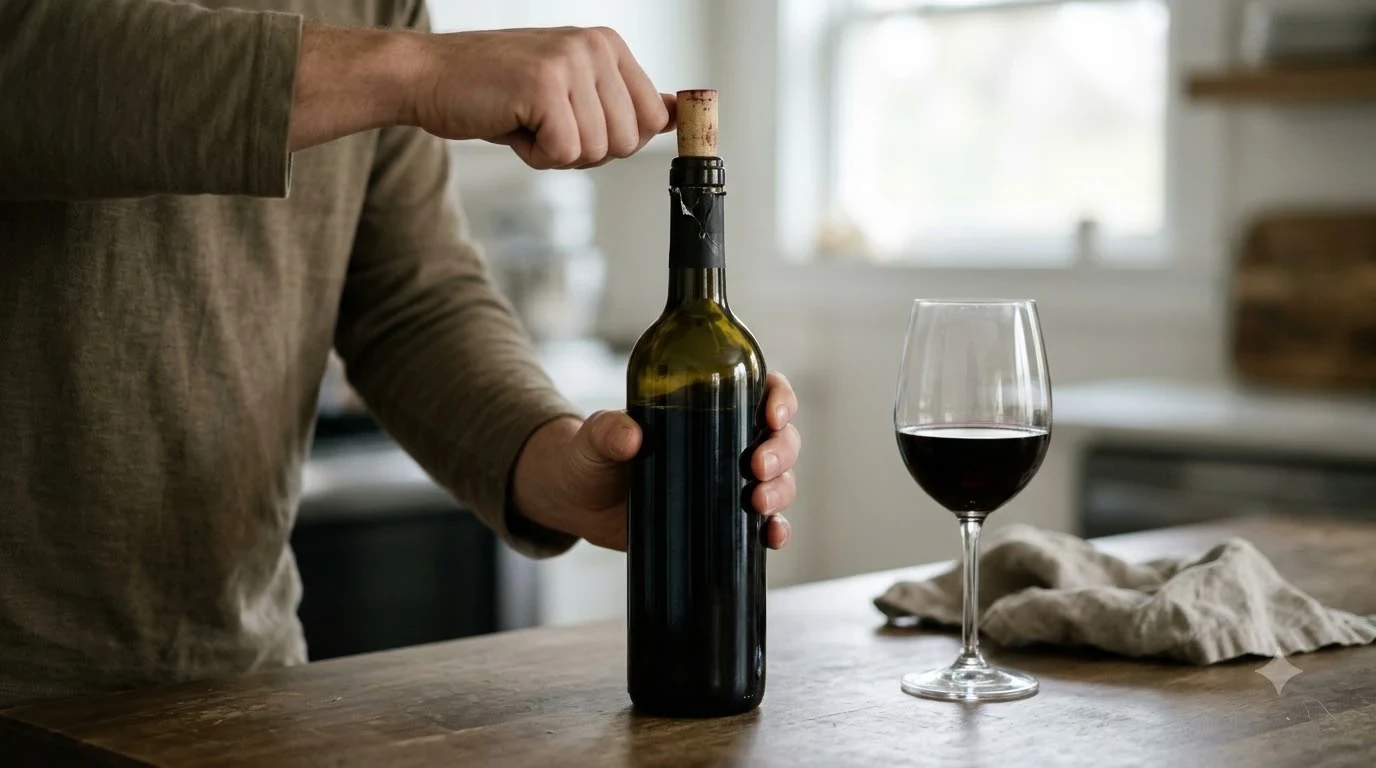
For fans of structured Chilean reds, casillero del diablo cabernet is a dry, medium-bodied Cabernet Sauvignon with cherry and blackcurrant flavors, a touch of vanilla, and firm, noticeable tannins. It is made for red-meat dinners, aged cheeses, and other richly flavored foods that can stand up to its structure. Serve it slightly cool rather than warm, and give a young bottle a little air before pouring.
Casillero del Diablo’s Reserva Cabernet Sauvignon is a familiar style of Chilean red: ripe dark fruit, a measured oak accent, and enough tannin to make it feel like Cabernet rather than a soft, fruit-only red. The details can shift by vintage, but its Central Valley origin and straightforward food-friendly profile make it useful to understand before choosing a bottle or planning a meal.
What Region and Grapes Define This Cabernet?
Casillero del Diablo Reserva Cabernet Sauvignon comes from Chile’s Central Valley, a broad wine-growing area shaped by a Mediterranean climate and the influence of the Andes. The producer identifies the soils as alluvial, rocky, and stony, with granitic subsoil on hillside sites; those details help explain why the wine’s fruit profile sits within a larger Chilean Cabernet tradition.
Central Valley is a broad regional indication, not one small vineyard. Chile’s central wine belt includes Maipo, Rapel, Curicó, and Maule, each with distinct conditions. Decanter describes Maipo, just south of Santiago, as Chile’s historic Cabernet heartland. Its river terraces carry gravel and silt from the Andes, producing well-drained soils, while sunny, dry summers support Cabernet’s ripening. That context does not mean every Central Valley bottle is specifically from Maipo.
Across the central region, growing conditions shape different expressions of the same grape. Decanter notes that cooler parts of Maipo can give gentler red-fruit character and softer tannins, while warmer Entre Cordilleras areas can produce riper, denser wines. Higher sites near the Andes can retain freshness through cooler nights and warmer days. Casillero del Diablo’s standard Reserva page gives Central Valley as its origin, so it is more accurate to describe this wine by that broad region than to assign it a narrower subregion without a vintage-specific technical sheet.
Cabernet Sauvignon is the principal grape named on the bottle. The grape is known for dark-fruit flavors and substantial tannin, which gives the wine a firmer structure than many lighter reds. That structure suits grilled beef and aged cheese, while its medium body keeps it approachable at an everyday meal.
Aroma, Flavor, Tannin, and Finish
The producer’s Reserva Cabernet Sauvignon description centers on cherry, blackcurrant, and a subtle vanilla note. On the palate, it is medium-bodied, with marked tannins and a long finish, so expect a dry red that combines dark-fruit flavor with a noticeable drying sensation along the gums.

Blackcurrant is also called cassis in wine descriptions. In a glass, that character can suggest ripe blackcurrant fruit, black-berry preserve, or the dark-fruit aroma associated with Cabernet Sauvignon. Cherry brings a brighter red-fruit note, while vanilla points toward an oak influence. Oak can contribute aromas reminiscent of vanilla, toast, coffee, or baking spice, depending on the barrels and cellar choices used for a particular wine.
The sensory details are not identical in every vintage. A Wine Enthusiast review of a 2019 Casillero del Diablo Reserva Cabernet Sauvignon described berry and black-plum flavors with spice and a creamy oak note on the finish. The reviewer also noted that initial asphalt-and-rubber notes receded with air, allowing fruit aromas to come forward. A just-opened glass can smell different after a short rest, and vintage and bottle condition influence what stands out.
Think of the tannin as the wine’s frame. Cabernet Sauvignon typically has high tannin, and this bottling is described by its maker as having marked tannins. Tannin can feel like the drying grip of strong black tea. It is not the same as sweetness, acidity, or alcohol, and it is one reason Cabernet pairs well with protein-rich foods. The fruit may seem ripe, but the wine should still finish dry rather than sweet.
How to Read the Bottle and Its Alcohol Level
The Reserva Cabernet Sauvignon is the standard bottling discussed here; it should not be confused with every other Cabernet or red wine carrying the Casillero del Diablo name. The range also includes distinct wines such as Merlot, Carmenere, and red blends, so the grape name on the front label matters when you are selecting a style for dinner.
A Wine Enthusiast listing for one 2019 vintage identifies the wine as a 750-milliliter red Cabernet Sauvignon and gives it 13.5% alcohol by volume. Treat that number as a reference for that reviewed vintage, not a promise that every release has precisely the same alcohol level. Vintage conditions and production choices can create modest differences, and the bottle in hand is the best source for the exact figure. For a broader explanation of how alcohol percentages are presented on Cabernet labels, the Sutter Home Cabernet alcohol content article offers a useful comparison point.
The 750-milliliter format is the familiar standard wine bottle. At a 5-ounce pour, it holds about five glasses, leaving a small amount for tasting or for topping up a glass. For four adults, one bottle provides roughly one moderate glass each.
Look for the words Cabernet Sauvignon and Reserva, then use the vintage and alcohol statement to distinguish the exact bottle. When comparing two vintages side by side, keep the serving temperature and glass size consistent so that differences in aroma and texture are easier to notice.
Serving Temperature, Air, and Storage
Serve this Cabernet around 60–65°F for a balanced expression of fruit, tannin, and oak. The producer lists 18–20°C, which converts to about 64–68°F; aiming near 64–65°F sits at the cooler end of the producer’s range and within the usual range for full-bodied reds.
| Guideline | Number | How to use it |
|---|---|---|
| Full-bodied red serving range | 60–65°F | General target for a Cabernet-style red |
| Producer serving range | 18–20°C (64–68°F) | Casillero del Diablo’s published recommendation |
| Practical serving target | 64–65°F | Overlap between the two ranges |
| Optional decant for a young full red | 30–60 minutes | Allow some air before the meal |
| Opened still wine, refrigerated | 3–5 days | Keep the bottle closed between pours |
A red served too warm can seem hotter and heavier, while an overly cold bottle can mute its aroma and make tannin seem more severe. If the room is warm, refrigerate the bottle for 15–20 minutes before serving. A bottle stored in a cool place may need only a brief rest on the counter. Avoid leaving it beside a stove, radiator, sunny window, or other heat source.
Young, full-bodied reds can benefit from 30–60 minutes in a decanter. That period gives the wine more contact with air and can help compact aromas open up, especially if the first pour seems closed or unusually savory. Decanting is optional: taste first, then decide whether the wine needs time. A wide-bottomed decanter exposes more wine to air, while simply pouring the first glass and allowing it to sit for a few minutes offers a gentler approach.
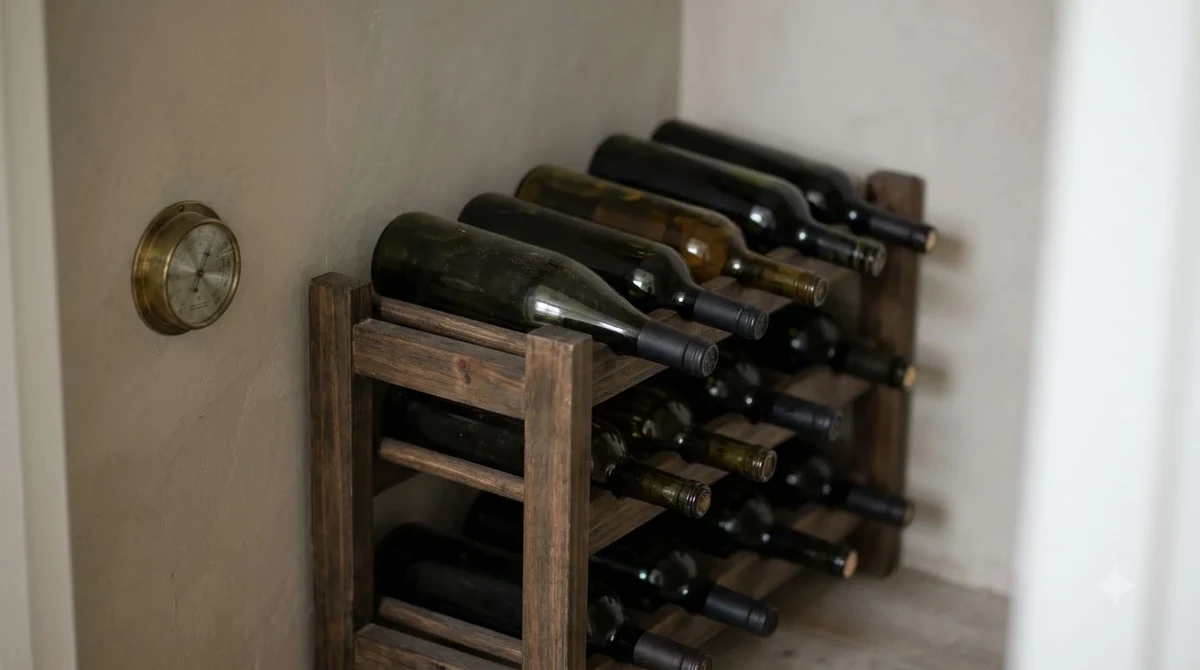
For storage, keep unopened bottles in a cool, dark place near 55°F, with a stable temperature and little vibration. Store a cork-finished bottle on its side so the cork remains in contact with the wine. After opening, close the bottle and refrigerate it; a still red wine generally keeps for about 3–5 days in the refrigerator, though fruit and freshness gradually fade. Bring the remaining wine back toward serving temperature before pouring it again.
Food Pairings That Suit Cabernet’s Structure
Grilled red meat is the clearest match for Casillero del Diablo Cabernet. Its marked tannins and dark-fruit profile work especially well with steak, burgers, lamb chops, and slow-cooked beef, while the richness of the food softens the wine’s drying edge.
A simply grilled rib-eye, roast beef, or lamb chop brings savory flavor and fat that balance Cabernet’s tannin without hiding the fruit. Char from a grill adds a smoky note that complements the wine’s vanilla and oak character. For a burger, choose a well-browned patty and savory toppings such as sautéed mushrooms, aged cheddar, or caramelized onions. A very sweet barbecue sauce can make a dry Cabernet seem sharper, so use a restrained glaze or serve the sauce on the side.
Aged cheese is another strong option. The producer specifically recommends mature cheeses, and firmer varieties such as aged cheddar, Gruyère, or a small portion of blue cheese can hold their own against the wine. Fat and salt in cheese soften the perception of tannin, while concentrated savory flavors connect with Cabernet’s dark-fruit and oak notes. Serve it with plain crackers, toasted bread, olives, or roasted nuts rather than sweet spreads.
Tip: Build the plate around the wine’s tannin: choose grilled beef, lamb, or aged cheese, and keep very hot chili sauces modest. Chili heat can feel more intense beside alcohol and tannin, while salt and fat help soften the wine’s grip.
Vegetarian dishes work when they have savory depth. Grilled portobello mushrooms, lentil shepherd’s pie, roasted eggplant, and black-bean burgers offer earthy or browned flavors that suit Cabernet better than delicate salads. Add olive oil, browned edges, herbs, or a little aged cheese for richness. Highly acidic dishes need care because the wine should have acidity equal to or higher than the food; a sharp vinegar dressing or very tart tomato preparation can make this Cabernet seem flat, so serve dressing separately or choose a less tangy preparation. Delicate white fish, especially oily fish, can clash with a tannic red, and strongly spicy food can magnify the sensation of alcohol and tannin. For salmon or chile-heavy dishes, a more suitable white or a lighter, lower-tannin red is often easier to pair. Cabernet is at its best with food that has weight, savory flavor, and enough fat or protein to balance its structure.
Choosing Among the Casillero del Diablo Wines
Choose the Cabernet when you want a structured red with dark-fruit flavor for beef, lamb, or mature cheese. Choose a softer or lighter style when the meal is delicate, the seasoning is very hot, or the people at the table prefer less tannin.
Cabernet Sauvignon usually has high tannin, while Merlot is generally medium in tannin and softer in texture. That makes Merlot a sensible alternative for roast chicken, meatloaf, or a casual dinner where a gentler red is more appealing. Pinot Noir usually has low-to-medium tannin and high acidity, so it can be a better fit for dishes that would overwhelm Cabernet. Syrah often brings medium-plus to high tannin and a more peppery profile, making it another substantial partner for grilled meat rather than a lighter substitute.
The label’s other grape options provide more variety than simply choosing between red and white. Carmenere is a Chilean specialty with its own herbal and dark-fruit character; Merlot is a softer red option; and the brand’s red blend is a separate expression rather than another name for Cabernet. The Casillero del Diablo red wine overview helps put the Cabernet beside those other red styles, while the Casillero del Diablo white wine page is useful when the menu calls for a white bottle instead.
The standard Reserva Cabernet is a straightforward first bottle for assessing the grape’s tannin and dark-fruit character. If you like its firmness, explore other Chilean Cabernet regions. If it feels too drying, try Merlot or a lighter red; Chilean reds do not all taste alike. The broader Wine Brands directory can help compare the producer’s range with other familiar labels.
Frequently Asked Questions
These quick answers cover vintage labels, glass choice, grape family history, color, and cooking uses.
Does a vintage date refer to the year the wine was bottled?
No. A vintage identifies the year the grapes were harvested, not necessarily the year the wine was bottled or released. A non-vintage wine, by contrast, may combine wines from more than one harvest year.
What kind of glass suits Cabernet Sauvignon?
A Bordeaux-style glass with a relatively tall bowl is a useful choice for Cabernet Sauvignon. Its roomier bowl gives the wine space to be swirled, while the narrower opening helps gather aromas above the wine.
Is Cabernet Sauvignon related to Cabernet Franc?
Yes. Researchers at the University of California, Davis, used DNA fingerprinting to establish that Cabernet Sauvignon is the offspring of Cabernet Franc and Sauvignon Blanc. The Sauvignon Blanc connection surprised researchers because the two grapes’ names had not suggested a genetic relationship.
What gives Cabernet its deep red color?
Much of a red wine’s color comes from anthocyanin pigments in the grape skins. During fermentation, contact between juice and skins extracts those pigments, with the length and conditions of skin contact helping shape the final hue.
Can this Cabernet be used in a beef stew?
Yes. A dry Cabernet can add dark-fruit and savory notes to a beef stew, especially with browned beef, onions, mushrooms, and herbs. Use a wine you would be comfortable drinking, and allow the alcohol aroma to cook off as the stew simmers rather than adding the wine only at the end.
Casillero del Diablo Cabernet is a practical choice for meals built around grilled meat, savory dishes, and aged cheese, with Central Valley fruit and a firm Cabernet frame. Serve it near 64°F, give a young bottle some air when needed, and choose the pairing to match its tannins rather than fighting them.
More in Wine Brands
 Louis Latour Wine Price: Compare Bottles by Style and TierUpdated Nov 20, 2026
 Yellow Tail Moscato Price: What to Expect Before You BuyUpdated Nov 20, 2026
 Sutter Home Sweet Red Review: Find the Right Food PairingsUpdated Nov 20, 2026
 Franzia Chillable Red Review: Find the Right Serving StyleUpdated Nov 20, 2026
 Veuve Clicquot Rose Review: Flavor, Food Pairings and Buying AdviceUpdated Nov 20, 2026
 Rombauer Wine Price: Compare Bottles Before You BuyUpdated Nov 20, 2026