

We may earn a commission when you buy through links on this page, at no extra cost to you. Learn more.
Casillero del Diablo wine price is usually about $9 to $13 for a standard 750 ml bottle in U.S. listings from Gopuff, Target, and Total Wine, depending on the varietal and local store. Cabernet Sauvignon, Merlot, and Carmenere often sit near the lower part of that range, while some Malbec and specialty bottlings can cost more. The label covers several styles and collections, so the most useful comparison is bottle against bottle rather than brand name against brand name.
Casillero del Diablo is a Chilean wine brand from Viña Concha y Toro, with a lineup that extends well beyond its familiar red wines. This guide explains the likely shelf range, what changes the price, how its main grapes differ, and which bottle makes sense for a meal or an everyday glass.
Who This Price Guide Is For
This guide is for shoppers comparing a familiar Chilean bottle with other everyday wines, especially when the shelf has Cabernet Sauvignon, Merlot, Carmenere, Malbec, and white wines side by side. It is also useful when choosing between the core Reserva wines and a higher collection tier, because those names describe different parts of the producer’s portfolio rather than a single wine.
Casillero del Diablo is part of Viña Concha y Toro, the Chilean winery founded by Melchor Concha y Toro in 1883. The producer’s history connects the brand name with a cellar legend: after wines went missing from a locked cellar, the founder spread a story that the Devil lived there. The history page places the birth of the wine legend in 1966, while the company’s portfolio shows the brand has grown into a broad range of varietals and collections.
For a first purchase, begin with the grape, not the label story. Cabernet suits grilled beef; Merlot is softer with pasta; Sauvignon Blanc or Chardonnay makes more sense with seafood and lighter meals.
Key Factors to Compare
The biggest price differences come from the specific wine, the collection, the retailer, and local availability. For common 750 ml bottles, current listings at Gopuff, Target, and Total Wine generally place the core varietals around $9 to $13; the observed ranges differ by grape, and prices vary by state and retailer.
| Style or bottle | Typical U.S. retail range and source | What to expect in the glass |
|---|---|---|
| Cabernet Sauvignon, 750 ml | About $9 to $11, based on Gopuff, Kroger, and Target listings | Medium-bodied, dark-fruited, with more noticeable tannin |
| Merlot, 750 ml | About $9 to $11, based on Gopuff and Total Wine listings | Medium-bodied, smoother and lower in astringency |
| Carmenere, 750 ml | About $9 to $11, based on Target, Total Wine, and Gopuff listings | Plum and berry character with coffee or spice notes |
| Malbec, 750 ml | About $9 to $13, based on Gopuff, Total Wine, and Target listings | Dark-fruit red; compare the vintage and collection name |
| Chardonnay or Sauvignon Blanc, 750 ml | About $9 to $11, based on Gopuff listings | Chardonnay is rounder; Sauvignon Blanc is brighter and more herbal |
These are comparison bands, not a national price list or a promise that every store carries each wine. The producer’s official wine portfolio also includes Reserva Especial, Reserva Privada, Devil’s Collection, and Red Blend, so a bottle from a different collection should not be assumed to share the core Reserva range.
Check bottle size before comparing shelf tags. The listings used here are for 750 ml bottles; larger formats and multipacks should be compared by volume. A small gap may reflect local retail conditions or a different wine rather than a major change in the brand’s position.
Step-by-Step: How to Compare Bottles
A reliable comparison takes only a few checks: identify the grape, confirm the collection, compare the same bottle size, and decide whether the wine’s profile suits the food. This approach prevents a Cabernet in the core Reserva line from being compared casually with a more specialized bottling.
- Start with the grape. Choose Cabernet Sauvignon for firmer tannin and dark-fruit character, Merlot for softer texture, Carmenere for plum, berry, coffee, and spice notes, or Sauvignon Blanc for citrus and herbal freshness.
- Read the collection name. The producer identifies Reserva as its original range and lists Reserva Especial and Reserva Privada separately. Those labels indicate different portfolio tiers; do not assume that every retailer has every tier in stock.
- Match the bottle size. Use 750 ml as the baseline when comparing the ranges in this guide. A nonstandard size should be compared by volume, not by shelf price alone.
- Compare the same grape across stores. A Cabernet at one retailer should be compared with another 750 ml Casillero Cabernet, rather than with a Malbec or a different collection. Current retailer pages show that even the same core brand can have slightly different shelf ranges.
- Think about the meal. The producer pairs Cabernet with grilled red meat and mature cheeses, Merlot with pasta and soft cheeses, Carmenere with roasted vegetables and bean dishes, and Sauvignon Blanc with ceviche and fresh seafood.
- Choose a sensible serving temperature. The brand suggests 18–20°C for its Reserva Cabernet and Merlot, 16–18°C for Carmenere, 10–12°C for Chardonnay, and 8–10°C for Sauvignon Blanc. In Fahrenheit, those are approximately 64–68°F, 61–64°F, 50–54°F, and 46–50°F.
Use the price range as a final filter, not the first decision. When two bottles both fit the meal and the budget, select the grape whose body and tannin level you tend to enjoy. If you are buying for guests with mixed preferences, one red and one white can be more useful than two similar full-bodied reds.
Tip: For a quick comparison, put two 750 ml bottles of the same grape beside each other and compare collection name, vintage, and retailer price.
Types and Styles Explained
The lineup covers familiar international grapes and Chilean red-wine styles, with clear differences in texture and food pairing. The producer lists red, white, rosé, and sparkling categories, so Casillero del Diablo is not limited to the Cabernet and red blend bottles many shoppers recognize first.
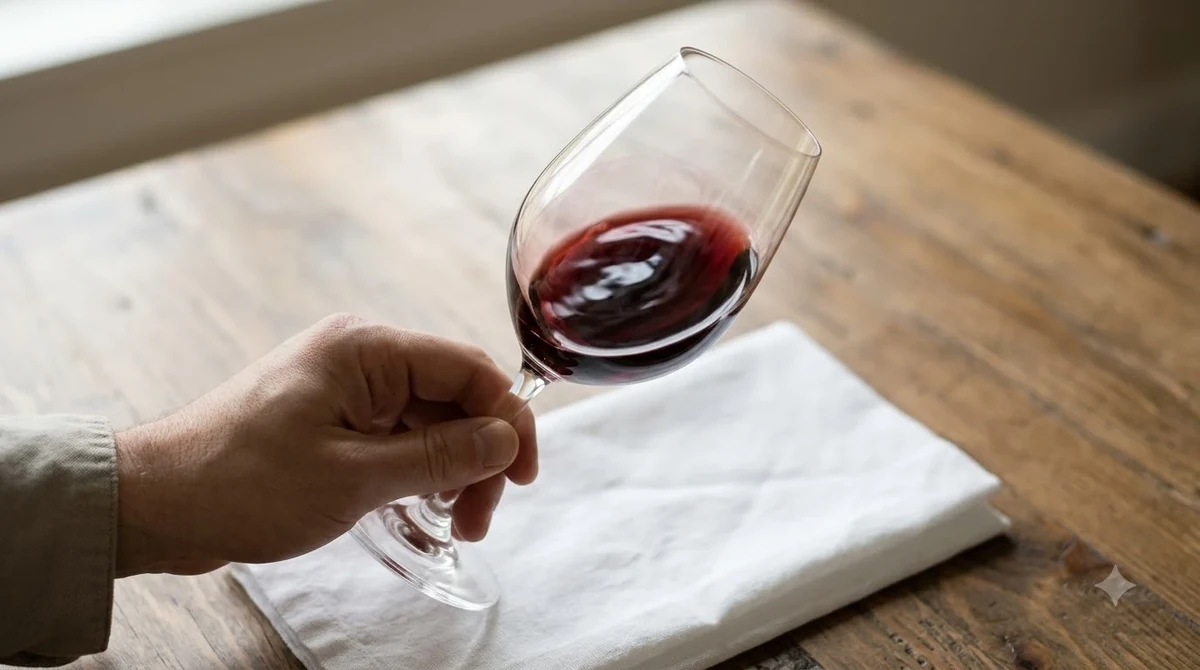
Cabernet Sauvignon
The Reserva Cabernet is the firmer, more structured red in this comparison. The producer describes cherry, blackcurrant, vanilla, medium body, and marked tannins; it recommends grilled red meat and mature cheese. A Kroger product page for its 750 ml Cabernet also describes blackcurrant, dark cherry, toast, and coffee, and lists 13.5% ABV for that particular bottling. This is a sensible pick for burgers, steak, barbecue, and hard or aged cheeses, especially when you want a red that stands up to richer food.
For more detail on the varietal, the Casillero del Diablo Cabernet page can help narrow the choice to the brand’s Cabernet expression. Cabernet generally carries higher tannin than Merlot or Pinot Noir, so it can feel firmer on the palate. Salt and fat in grilled meats or aged cheese can soften that impression, while very spicy food can make alcohol and tannin feel more pronounced.
Merlot and Carmenere
Merlot is the more approachable choice for shoppers who want less astringency. The producer describes its Reserva Merlot as silky and smooth, with cherry and licorice aromas, toffee and vanilla notes, and chocolate and red-berry flavors. It is medium-bodied and is suggested with soft cheeses, pasta, risotto, and lightly seasoned meats.
Carmenere offers a different Chilean profile. Casillero del Diablo’s own description highlights berries, plum, coffee, spice, polished tannins, and natural acidity; suggested pairings include game meats, roasted or grilled vegetables, and bean dishes. It can be a good middle ground for someone who wants a red with more savory character than Merlot but does not necessarily want Cabernet’s more pronounced tannin. The Casillero del Diablo red wine overview is useful for comparing these red styles together.
Malbec, Pinot Noir, and White Wines
Malbec is another dark-fruited red, and retailer assortments show that it may span a wider price band than Cabernet, Merlot, or Carmenere. Pinot Noir is listed too; as a grape style, it typically has lower-to-medium tannin and higher acidity than Cabernet, making it a lighter red option for roast poultry, mushrooms, or salmon. Not every varietal shown on the producer’s international site is stocked locally.
The whites broaden the food options. The producer describes its Reserva Chardonnay with pineapple, peach, citrus, and a hazelnut note associated with time in barrel; it is medium-bodied and suited to grilled fish, seafood, or creamy pasta. Its Sauvignon Blanc is described with lime, peach, and herbs, medium balanced acidity, and pairings such as ceviche, fresh seafood, and salads. A simple way to decide is to choose Chardonnay for a rounder texture or Sauvignon Blanc for a fresher, more citrus-led profile. For broader context on producers and labels, the Wine Brands resource can help compare the category beyond this one Chilean range.
Rosé and sparkling wines also appear in the wider catalog, along with red blends. A specific U.S. store may carry only a few core bottles, so treat the actual bottle name and grape as the buying unit.
Common Buying Mistakes
The most common mistake is treating the brand name as if it describes one fixed wine at one fixed price. Casillero del Diablo includes several grapes and collection names, and the same retailer may list a different subset of them depending on its local assortment.
Another mistake is comparing different sizes or different tiers. A 750 ml Reserva Cabernet and a Reserva Privada bottle are not automatically like-for-like comparisons, just as a core Malbec should not be judged against a red blend solely by the shelf tag. Compare bottle size, grape, collection, and vintage where shown, then decide whether the price difference matters to the wine you actually want.
Do not select a red only because it is the most familiar label. Cabernet’s firmer tannin suits grilled beef and mature cheese, while Merlot is gentler with mild pasta or soft cheese. Carmenere works with roasted vegetables and beans; Sauvignon Blanc is a better match for ceviche or a sharp salad dressing. Oily fish can clash with tannic reds, and chili heat can make alcohol and tannin seem stronger.
A shelf tag is not a quality score: small price differences can come from the retailer, local market, availability, or collection tier. Choose according to grape profile and meal first, then use price as a tie-breaker. The Casillero del Diablo wine overview is a useful starting point before narrowing to one grape.
Serving and Storage Tips
Serving temperature changes how a wine feels, so a well-priced bottle can show better with a little attention to temperature and storage. The producer’s own recommendations provide a useful starting point: its Reserva reds are served warmer than its whites, while Sauvignon Blanc is the coldest of the styles discussed here.
For a practical home setup, serve sparkling wine around 40–50°F, light whites and rosé around 45–50°F, fuller whites around 50–55°F, light reds around 55–60°F, and fuller reds around 60–65°F. The Reserva recommendations range from 8–10°C for Sauvignon Blanc to 18–20°C for Cabernet and Merlot. A short chill can make a full-bodied red feel fresher, while a white can warm slightly in the glass to release aroma.
Store unopened cork-closed bottles on their side in a cool, dark place near 55°F, away from sunlight, heat, and repeated temperature swings. Once opened, refrigerate still wine and plan to finish it within about 3–5 days; sparkling wine generally holds for about 1–3 days with a suitable stopper. Air exposure can shorten either window.
A standard 5 oz pour means a 750 ml bottle yields about five glasses. If a young, full-bodied Cabernet seems tight, give it roughly 30–60 minutes to breathe; Merlot and Carmenere may need less time, so taste before decanting automatically.
Frequently Asked Questions
Most shopping questions come down to grape, collection name, and local store rather than one fixed national figure. These answers cover the Chilean origin, the cellar legend, and the differences among the producer’s collections.
Is Casillero del Diablo considered an expensive wine?
It is generally positioned as an accessible Chilean brand rather than a luxury-only label. Its parent winery also makes other collections, including Marques de Casa Concha and Don Melchor, which sit apart from the everyday Casillero range in the company portfolio.
Where is Casillero del Diablo wine made?
It comes from Chilean producer Viña Concha y Toro, whose first export shipment went to Holland in 1933. The winery’s early development began in Pirque, where its founder brought in French vines from Bordeaux.
What does the name Casillero del Diablo mean?
The Spanish name translates as “The Devil’s Cellar.” The producer’s story says the founder spread a rumor about the Devil inhabiting the cellar after bottles began disappearing, turning the tale into the brand’s identity.
Does Casillero del Diablo make sweet wine?
The portfolio includes a “Fantastic Sweet” selection and also lists Pedro Jiménez, in addition to its dry red and white varietals. Sweetness can vary by individual bottling, so the specific wine name matters more than the umbrella brand.
What does Reserva Especial mean in this range?
The producer describes Reserva Especial as a collection whose identity is tied to clay in its soils. It is listed separately from the original Reserva line and from Reserva Privada.
For most shoppers, budgeting about $9 to $13 for a 750 ml core bottle is a reasonable starting point based on Gopuff, Target, and Total Wine listings, with the final shelf range depending on grape, collection, store, and state. Pick the style that fits the meal and your preferred tannin level, then compare like-for-like listings before buying.
More in Wine Brands
 Underwood Wine Price: Compare Bottles, Cans, and Pack SizesUpdated Nov 21, 2026
 Zenato Wine Price: Compare Styles and Choose the Right BottleUpdated Nov 21, 2026
 Zuccardi Wine Price: Compare Bottles and Find the Right RangeUpdated Nov 21, 2026
 Yellow Tail Moscato Review: Taste, Sweetness and Serving TipsUpdated Nov 21, 2026
 Wolf Blass Yellow Label Review: Choose Your Best StyleUpdated Nov 21, 2026
 Wolffer Estate Rose Review: Choose the Right Bottle for Your TableUpdated Nov 21, 2026