

We may earn a commission when you buy through links on this page, at no extra cost to you. Learn more.
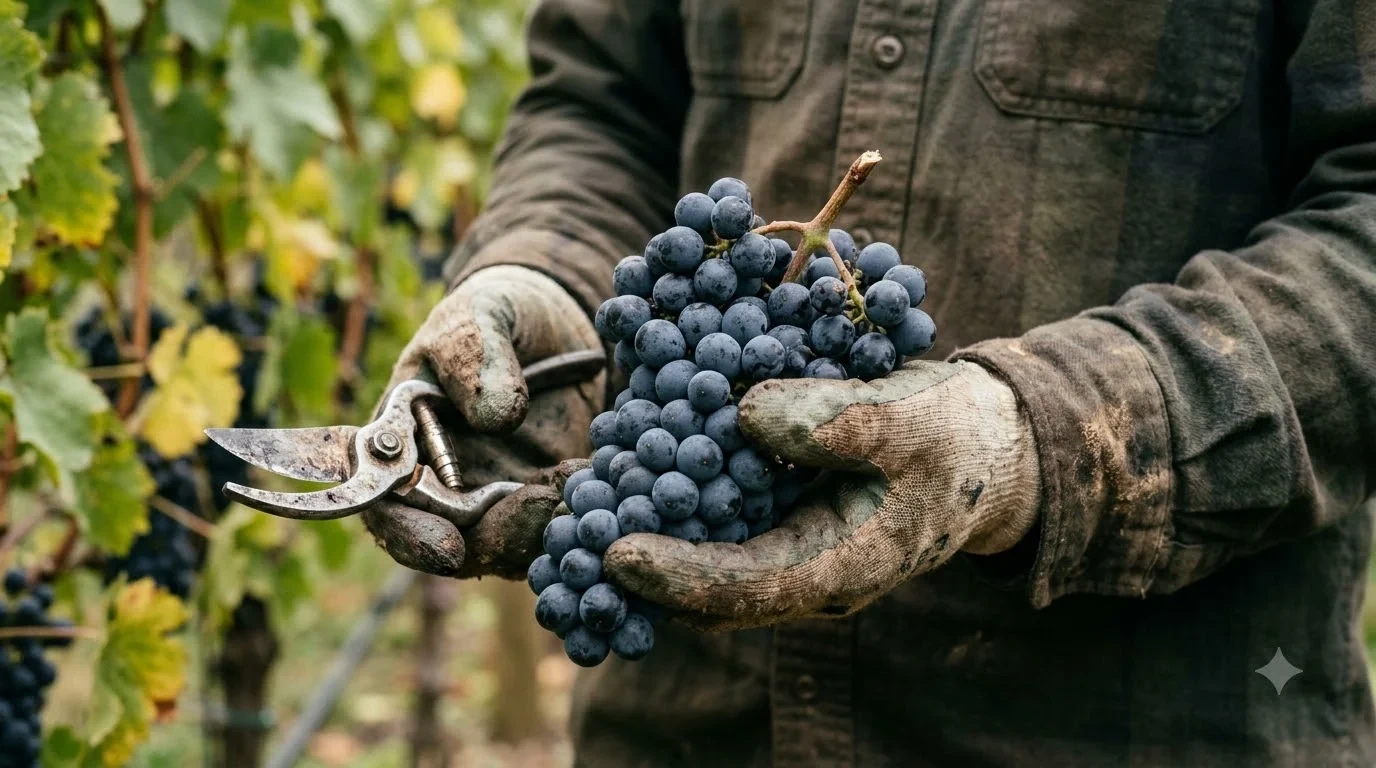
Cariñena wine is made from the red grape Cariñena, also known as Carignan, which originated in Spain and is now grown mainly in France and Spain. The grape is late ripening, naturally high in acidity and tannin, and produces deeply colored wines. It is most often used as a blending component rather than a stand-alone varietal, and it is usually paired with Syrah or Grenache to soften its firm structure.
Cariñena shows up on Spanish and French labels, and the name can be confusing because the same grape goes by several other names in different countries. This guide explains where the grape grows, what its wines taste like, how it is used in blends, and how to serve and pair it.
Where the grape came from and where it grows today
Carignan is a red grape of Spanish origin. Over time it spread across the Mediterranean, and today it is grown mainly in France and Spain. The grape needs warm conditions to ripen fully, which is why it is found in hot, dry areas where the vines can reach maturity without losing acidity.
Spain has roughly 5,644 hectares of the grape as of 2015. Priorat in Catalonia is one of the key areas, where old bush vines in the northern part of the appellation make varietal wines. In France, the grape is most common in Languedoc, especially in the Aude, Gard and Hérault departments. It also grows in Sardinia, Algeria and California’s Central Valley.
The names this grape goes by
The same grape carries several names, which is one reason labels can be hard to read. In Spain it is traditionally called Cariñena, especially in Aragon. The name Mazuelo is now the official term, and Samsó is used in Catalonia. Samsó is also used for a different grape, Cinsault, so it is worth checking the producer’s notes before assuming the bottle is Carignan.
Outside Spain the grape appears under other names. It is known as Carignane in California, Bovale Grande in Sardinia and Carignano in Italy. Knowing these synonyms helps when you are comparing wines from different countries or reading an older bottle list.
| Name | Where you see it |
|---|---|
| Cariñena | Spain, especially Aragon |
| Carignan | France, the most common French name |
| Mazuelo | The official Spanish term |
| Carignane | California |
| Bovale Grande | Sardinia |
| Carignano | Italy |
Flavor and style
Carignan is a grape with a lot of natural structure. It is high in acidity and tannin, and it can be astringent if the grapes do not ripen fully. Winemakers who make a refined wine from it need skill and attention, because the raw material is firm and rustic.
When it is well made, the wine is deeply colored, with dark fruit, savory notes and a firm backbone. The style is less soft and round than Grenache, which is why it is often blended. Drinkers who enjoy structured reds usually find it rewarding, while those who want a soft, fruity wine may prefer a Grenache-led blend.
How Carignan is used in blends
Carignan is usually a coloring and structural component rather than a stand-alone varietal. Winemakers often pair it with Syrah and Grenache, which are considered its best partners because they produce a softer wine with rustic fruit. The blend gives the wine body and color while the partner grapes bring roundness.
In Spain, Priorat is the region where old Cariñena vines are most often the focus, and the wines from old bush vines are usually made as varietal bottlings. Elsewhere, Carignan is more often a small part of a larger blend, so the label may not say the grape name on the front.
How to serve and pair Cariñena wine
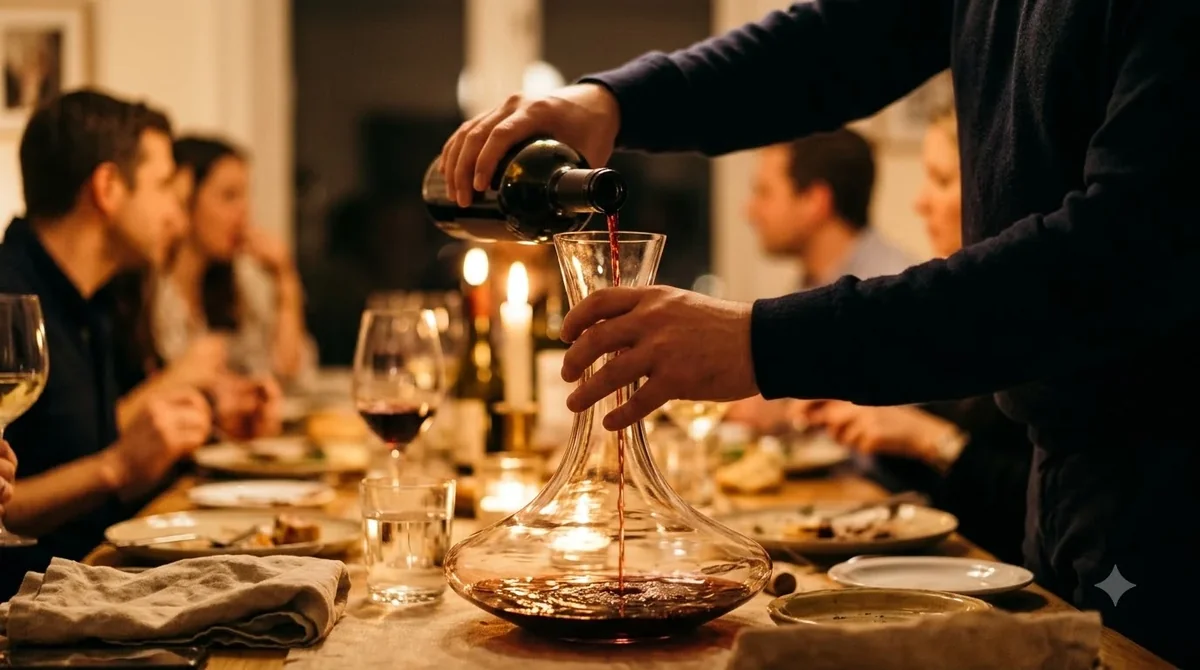
Serve a Cariñena-based red slightly cooler than room temperature, around the cool end of the red wine range, so the acidity stays lively and the tannins do not feel harsh. Decanting a young, tannic bottle for an hour can soften it and open the fruit.
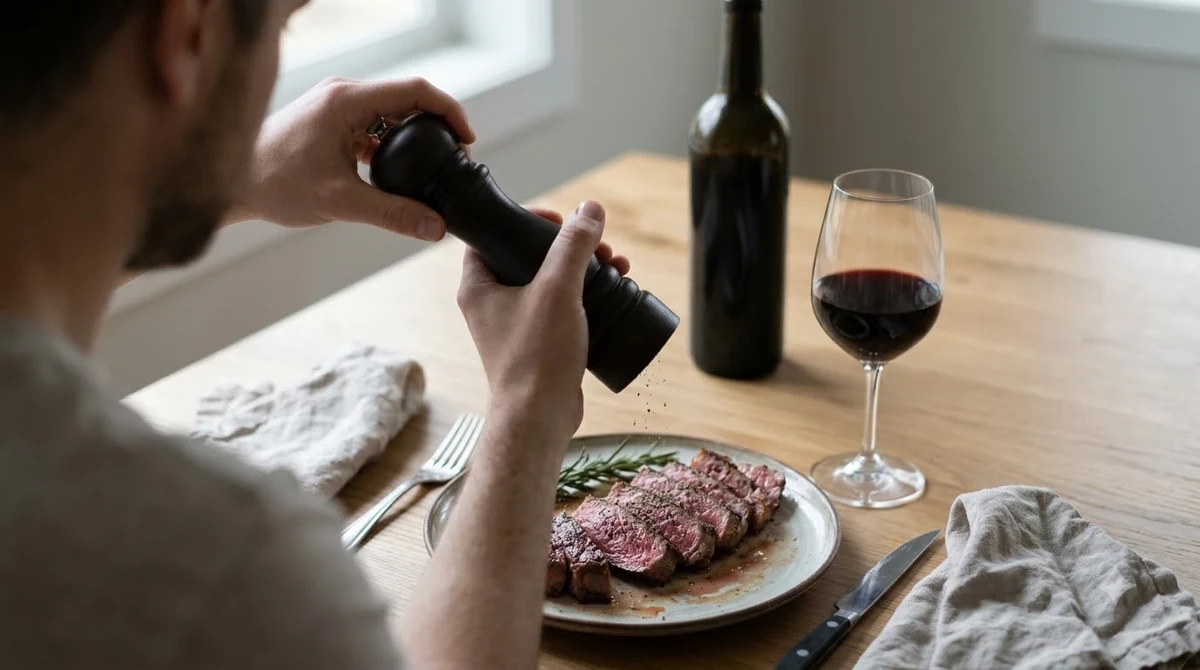
The wine pairs well with hearty food. Grilled lamb, roast pork, stews, sausages and tomato-based dishes all suit its acidity and firm structure. Mediterranean dishes such as paella, roasted vegetables with olive oil, and aged cheeses also work well, since the wine’s acidity cuts through the richness.
Tip: If a Cariñena-based wine tastes too tight when opened, give it time in the glass or pour it into a wide bowl. The fruit usually becomes easier to read after 20 to 30 minutes.
Who Cariñena wine suits
Cariñena wine suits drinkers who enjoy structured, savory reds and want to explore Spanish or French styles beyond the familiar Tempranillo or Cabernet. It is a good choice for a dinner that includes grilled or braised dishes, and it can add interest to a tasting that compares several Mediterranean reds.
It is less suited to people who want a soft, sweet, easy drinking red. The firm acidity and tannin make it more of a food wine. For a lighter red, look for a Grenache-led blend or a simpler Spanish style from the same region.
Where Cariñena fits among Spanish and French reds
Spain and France both have long histories with blended reds, and Cariñena fits into that tradition as a supporting grape. In Spain it sits alongside better known varieties in many regional blends, while in the Rhône and southern France it works with Grenache and Syrah in the same way. That shared role is why the grape is easier to understand once you see how the blends are built.
For a Spanish comparison, the Marqués de Riscal red wine guide shows how a long established Spanish estate presents its reds. For a French blended red built on southern Rhône grapes, the Château de Beaucastel wine page covers an estate known for its blends, which helps show where Carignan-style structure fits in a wider lineup.
Reading a label with this context makes the wine easier to choose. If the back label lists Grenache, Syrah and Carignan together, the blend will usually be round and fruity with a firm finish. If Carignan is the main grape on the label, expect more acidity, deeper color and a more structured glass.
Buying and storing Cariñena
Cariñena wines are found in specialist shops, restaurant lists and online retailers that carry Spanish and French reds. Because the grape is often blended, check the back label for the grape list, since the name Carignan or Cariñena may appear in small print rather than on the front.
Store the bottles on their side in a cool, dark place. Varietal wines from old vines can age for a number of years, while simpler blends are usually best enjoyed within a few years of release. Check the producer’s guidance for the bottle you have.
Frequently Asked Questions
Is Cariñena the same grape as Carignan?
Yes. Cariñena is the traditional Spanish name, and Carignan is the common French name for the same red grape. The grape also goes by Carignane in California and Carignano in Italy.
Where is Cariñena grown?
It is grown mainly in France and Spain. Spain has about 5,644 hectares as of 2015, with Priorat as a key area, and France grows most of it in Languedoc.
Is Cariñena wine usually a blend?
Often, yes. The grape is generally used as a coloring and structural component, and winemakers commonly blend it with Syrah and Grenache.
What food goes well with Cariñena wine?
Hearty dishes work best, such as grilled lamb, roast pork, stews and tomato-based pasta. Its acidity also suits rich Mediterranean dishes and aged cheeses.
Cariñena is a useful grape to know if you enjoy structured, food friendly reds from Spain and France. Start by checking the back label for the grape list, then serve the wine with a hearty meal. For more background on the grape, read the Carignan entry on Wikipedia, and for a broader view of how wine producers present their lineups, see the wine brands guide.
More in Wine Brands
 Underwood Wine Price: Compare Bottles, Cans, and Pack SizesUpdated Nov 21, 2026
 Zenato Wine Price: Compare Styles and Choose the Right BottleUpdated Nov 21, 2026
 Zuccardi Wine Price: Compare Bottles and Find the Right RangeUpdated Nov 21, 2026
 Yellow Tail Moscato Review: Taste, Sweetness and Serving TipsUpdated Nov 21, 2026
 Wolf Blass Yellow Label Review: Choose Your Best StyleUpdated Nov 21, 2026
 Wolffer Estate Rose Review: Choose the Right Bottle for Your TableUpdated Nov 21, 2026