

We may earn a commission when you buy through links on this page, at no extra cost to you. Learn more.
Marques de Riscal red wine is a Rioja red from the Marqués de Riscal estate in Elciego, in the Rioja Alavesa subregion of northern Spain. The reds are built mainly on Tempranillo, the leading red grape of Rioja, and they appear in young, lightly oaked and reserve-style bottlings. The aging term on the label is the quickest clue to how the wine tastes and when to open it.
If you have seen Marques de Riscal red on a restaurant list or a shop shelf and wondered what sets it apart from other Rioja, this guide walks through the region, the aging labels, the grapes, the flavor profile, serving tips and food pairings. The aim is to help you read a Rioja label with confidence.
Where Marques de Riscal reds come from
The estate is in Elciego, a village in Rioja Alavesa, one of the three production areas that make up the Rioja wine region. The Rioja wine council’s website describes more than 66,000 hectares of vineyards and nearly 600 wineries spread across Rioja Alta, Rioja Alavesa and Rioja Oriental. Each area has its own soils and climate, so the same grape can taste lighter or fuller depending on where it grew.
That regional context helps explain the house style. Rioja Alavesa is one of the areas where winemakers often build the blend around Tempranillo and adjust the oak to suit each vintage, which is why two bottles from the same estate can feel different in a single year.
Reading the Rioja aging labels
Most Rioja reds carry one of four aging terms: Joven, Crianza, Reserva or Gran Reserva. Each term sets minimum time in oak and bottle before release, and the wine’s style shifts with those categories. Younger wines tend to show bright red fruit, while longer-aged bottles develop savory, earthy and spice notes.
A quick way to read them:
| Label term | What to expect | Good for |
|---|---|---|
| Joven | Fresh, fruit-forward, little or no oak | Weeknight dinners, casual sipping |
| Crianza | Balanced fruit with soft oak notes | Everyday pairing with roast meats |
| Reserva | Longer aging, more savory and spice notes | Richer dishes and slow-cooked food |
| Gran Reserva | Longest aging, deepest and most structured | Special meals and cellaring |
The grapes behind the blend
Tempranillo is the backbone of most Rioja reds, and the grape carries most of the cherry and savory character people associate with the region. Winemakers also use Garnacha for body and ripe fruit, along with smaller amounts of Graciano and Mazuelo for structure and aroma. The exact mix changes from year to year and from bottling to bottling.
Wine Folly’s grape guide to Tempranillo describes the variety as Spain’s leading red grape and notes that it gives dry wines with medium-full body and medium-high tannins and acidity. Expect flavors of cherry, dried fig, cedar and tobacco, with cigar box and sun-dried tomato common in Rioja examples. Those notes are a useful checklist when you taste a Marques de Riscal red next to another Rioja.
How the wine tastes and smells
A typical Marques de Riscal red shows red cherry and plum up front, with a dry finish that makes the wine feel structured rather than soft. Oak adds vanilla, coconut and toast notes in the oak-aged styles, and the longer bottlings bring leather, dried herbs and tobacco. The wine should taste clean and focused, not heavy or syrupy.
If the bottle tastes sharp or flat, it may simply need time to open up. Pour a small glass, wait a few minutes, and taste again. Many people find the aromas and tannins soften as the wine warms slightly in the glass.
How to serve and decant
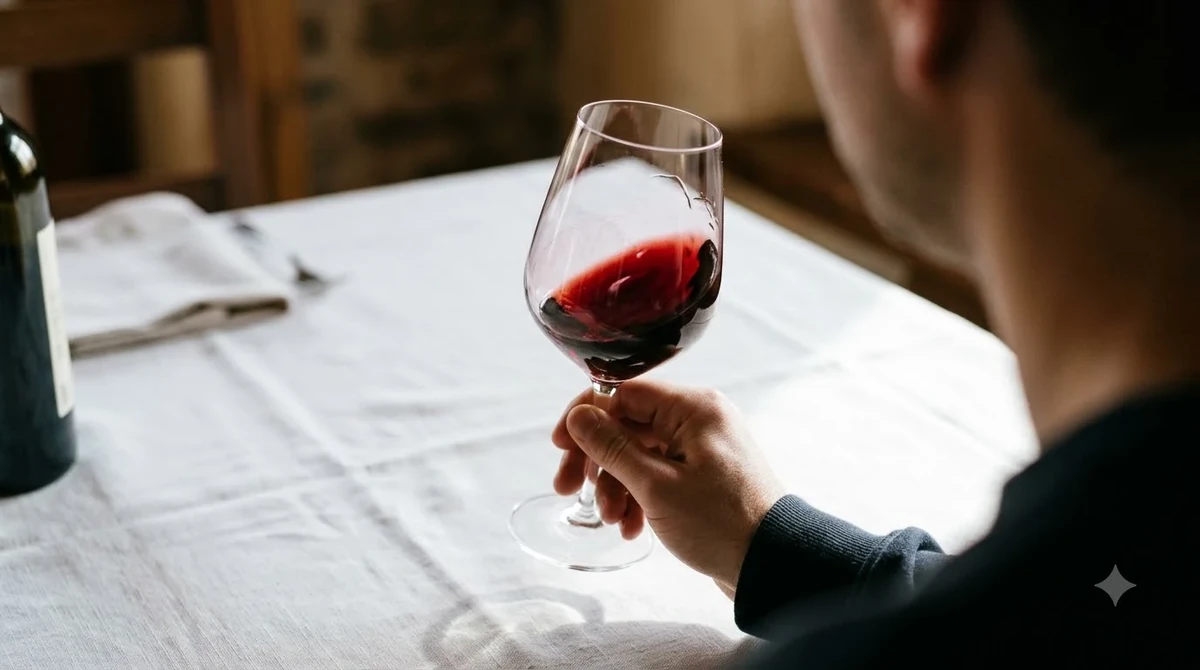
Serve Rioja reds a little below room temperature rather than straight from a hot kitchen or a warm bag. A short rest in the fridge before pouring is usually enough. Use a medium-size glass with a wide bowl so the aromas have room to develop.
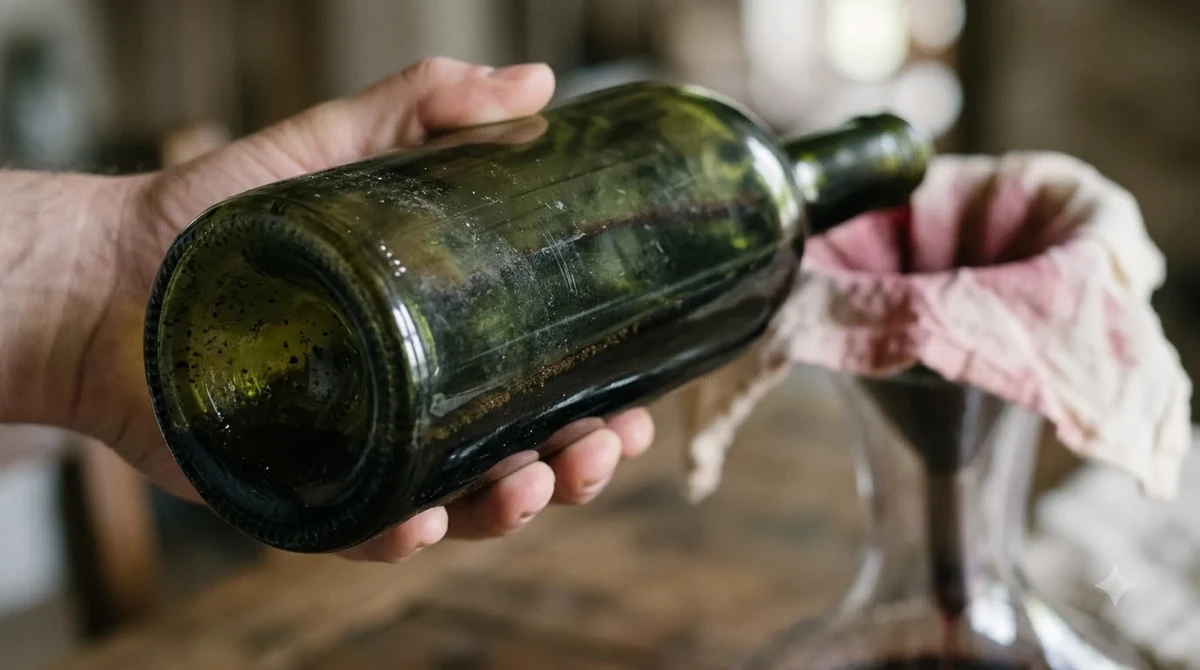
Decanting is worth trying for older Reserva and Gran Reserva bottles, which can throw sediment and open up in the glass. Pour slowly into a carafe and let the wine breathe for a while before serving. Younger Joven and Crianza bottles usually do not need decanting.
Tip: If you are unsure which aging term to pick, choose a Crianza. It is a practical middle ground between fresh fruit and oak complexity, and it works with most everyday meals.
Food pairings that work
Rioja’s bold reds pair well with grilled and roasted meats. Steak, rack of lamb and gourmet burgers all suit the wine’s structure and acidity. Wine Folly’s notes on Tempranillo also point to fresh styles working with baked pasta and tomato-based dishes, so a Crianza or Joven can stretch to a weeknight lasagna or a rustic stew.
For spiced food, look for a younger wine with more fruit. Heavy tannins and strong chili heat can clash, so match the bottle to the intensity of the dish rather than always reaching for the oldest bottle on the shelf.
How to choose a bottle
Start with the aging term, then think about the occasion. A young Joven fits casual gatherings, while a Reserva suits a dinner built around roast meat or mushrooms. If you plan to keep a bottle for years, Gran Reserva is the category built for that purpose, though most people drink Rioja reds within a few years of release.
It also helps to read the vintage. A strong year can support longer aging, while a lighter year may be better opened sooner. Shop staff and producer notes are useful for this, and for comparing a Marques de Riscal bottling with other Spanish reds such as Sangre de Toro, which shows how Spanish reds can differ in style.
Common mistakes when buying Rioja reds
The most common mistake is buying on the label design alone. Rioja bottles from a well-known estate can look very similar on the shelf, but the aging term and vintage tell you far more about what is inside. Take a moment to check the small print before you decide, especially if you are buying for a specific dish.
Another mistake is cellaring a young bottle for too long. A Joven or Crianza is built to be enjoyed within a short window, and holding it for years can dull the fresh fruit that makes it appealing. Save the long-term storage for the Reserva and Gran Reserva categories, and keep track of when you bought each bottle so you can open it while it still tastes good.
Finally, do not judge a Rioja red by its first sip from a cold glass. Cold mutes the aromas, so the wine can seem thin or sharp. Let it warm slightly and give it a few minutes before deciding how you feel about it.
Frequently Asked Questions
What grape is Marques de Riscal red wine made from?
Most Marques de Riscal reds are Rioja blends built around Tempranillo, the main red grape of the region. Garnacha, Graciano and Mazuelo may also appear in the blend, depending on the bottling.
Is Marques de Riscal red wine dry or sweet?
The reds are dry. Rioja reds are made in a dry style, so you should expect red fruit, oak and savory notes rather than sweetness.
What does Crianza mean on a Rioja label?
Crianza is an aging category that requires a set minimum time in oak and bottle before release. It sits between the young Joven style and the longer-aged Reserva and Gran Reserva categories.
Should I decant Marques de Riscal red?
Older Reserva and Gran Reserva bottles often benefit from decanting to separate sediment and open the aromas. Younger Joven and Crianza bottles usually do not need it.
Marques de Riscal red is a good place to learn how Rioja labels work. Once you know the aging terms and the main grapes, it becomes much easier to pick the right bottle for a meal. For more background on other brands, the wine brands guide is a useful next step, and Antinori red wine offers a different Italian style to compare.
More in Wine Brands
 Underwood Wine Price: Compare Bottles, Cans, and Pack SizesUpdated Nov 21, 2026
 Zenato Wine Price: Compare Styles and Choose the Right BottleUpdated Nov 21, 2026
 Zuccardi Wine Price: Compare Bottles and Find the Right RangeUpdated Nov 21, 2026
 Yellow Tail Moscato Review: Taste, Sweetness and Serving TipsUpdated Nov 21, 2026
 Wolf Blass Yellow Label Review: Choose Your Best StyleUpdated Nov 21, 2026
 Wolffer Estate Rose Review: Choose the Right Bottle for Your TableUpdated Nov 21, 2026