

We may earn a commission when you buy through links on this page, at no extra cost to you. Learn more.
Campo Viejo white wine is a fresh, dry-style Spanish white from Rioja, made with Viura and Tempranillo Blanco grapes and featuring citrus, white fruit and floral aromas. Its bright fruit character, refreshing acidity and approachable texture make it a versatile choice for seafood, chicken, salads and lighter meals. With 12.5% ABV listed by the producer, Campo Viejo Blanco is an accessible option for people looking for an everyday Spanish white wine with recognizable fruit flavors.
Campo Viejo is widely associated with Rioja’s red wines, but its white selection offers another perspective on the Spanish region. Campo Viejo Blanco combines two white grape varieties that contribute different aromatic qualities, creating a wine suited to casual meals, appetizers and relaxed gatherings. Understanding its grapes, flavor profile, serving temperature and food pairings makes it easier to decide whether this bottle fits your preferences.
What Is Campo Viejo White Wine?
Campo Viejo Blanco is a Spanish white wine from the Rioja region, produced under the Campo Viejo name. It offers a fruit-forward alternative to the brand’s familiar red wines, with floral aromas, citrus character and a fresh palate that works well with everyday food.
The producer identifies the wine’s grape varieties as Viura and Tempranillo Blanco. Both are authorized white grapes in Rioja, although they bring different characteristics to the blend. Viura contributes a relatively subtle aromatic foundation, while Tempranillo Blanco is known for its fruity and floral expression. Together, these grapes create a recognizable Spanish white wine style without relying on the heavier structure associated with many oak-aged whites.
The official product description lists an alcohol content of 12.5% ABV. This places the wine within a familiar range for still white wines and gives it enough structure to accompany a meal without necessarily dominating delicate ingredients. The producer describes its character as fresh, floral and fragrant, with citrus flavors enhancing the white-fruit profile. The official Campo Viejo Blanco product description provides the producer’s grape, alcohol and tasting details.
Rioja is best known internationally for Tempranillo-based red wines, but its white wine production is also significant. According to the Rioja regulatory council, the region’s white wines can range from young and fruity expressions to more complex bottles with considerable aging potential. Campo Viejo Blanco represents the approachable side of this broader category.
It is useful to distinguish Campo Viejo Blanco from the brand’s other white wines. Campo Viejo also presents more developed white expressions, including Reserva Blanco and Dominio Blanco. These wines have different grape compositions, alcohol levels and production characteristics. For example, the official Reserva Blanco listing identifies Viura and 14% ABV, while Dominio Blanco lists Viura and 13% ABV. They should not automatically be treated as identical versions of the standard Blanco.
For readers exploring the producer’s wider selection, Wine Brands offers a useful starting point for understanding how individual producers organize their wine ranges and styles.
The Grapes Behind the Blend
Campo Viejo Blanco combines Viura and Tempranillo Blanco, two grapes that help explain its fresh, aromatic character. Viura supplies a traditional Rioja foundation, while Tempranillo Blanco brings additional fruit and floral qualities.
Viura: The traditional white Rioja grape
Viura is one of the most important white varieties in Rioja. It is also known as Macabeo, particularly in other Spanish wine regions such as Catalunya, where it is used in the production of Cava. Wine Enthusiast describes Viura as a versatile variety capable of producing dry still wines, sweet wines and sparkling wines.
In young white wines, Viura commonly produces relatively restrained fruit flavors, including citrus, lemon and other white-fruit characteristics. Floral aromas can provide additional complexity without making the wine seem overly perfumed. Its versatility also makes it useful in blends because it can provide a foundation for more expressive varieties.
Viura’s behavior changes according to vineyard conditions and winemaking decisions. Some examples are light and refreshing, while others become richer and more textured through oak fermentation, barrel aging or extended maturation. Wine Enthusiast notes that the grape responds well to oak, allowing producers to create white Rioja wines with meaningful aging potential.
Tempranillo Blanco: A distinctive Rioja variety
Tempranillo Blanco is particularly interesting because it is related to the better-known red Tempranillo grape. According to the Rioja regulatory council, this white variety originated through a natural genetic mutation discovered in 1988 in an old vineyard in Murillo del Río Leza, in Rioja.
Despite sharing its name with the red grape, Tempranillo Blanco produces white grapes and white wines. Its aromatic profile can include citrus, tropical fruit, banana and floral notes. The Rioja regulatory council also identifies its relatively high acidity and balanced structure as important characteristics.
These qualities help explain why Tempranillo Blanco is a useful partner for Viura. The varieties contribute different aromatic elements, creating a more expressive blend than a wine relying entirely on one grape might offer.
It is important not to assume that every bottle of white Rioja contains the same combination. The region permits several white grape varieties, including Garnacha Blanca, Malvasía, Maturana Blanca, Turruntés, Verdejo, Chardonnay and Sauvignon Blanc. Producers can therefore create wines with quite different flavors and textures while remaining within the Rioja designation.
Flavor Profile, Aroma and Sweetness
Campo Viejo Blanco is best approached as a fresh, dry-style white wine with citrus, white-fruit and floral characteristics. Its aromatic profile is more focused on freshness and approachable fruit than on pronounced oak, heavy butteriness or dessert-like sweetness.
The producer specifically describes the wine as floral, fresh and fragrant. Citrus fruit enhances the floral notes associated with Viura, while the white-fruit character adds another layer to the aroma and palate. These descriptions provide a useful starting point when evaluating the wine in the glass.
Appearance and aromas
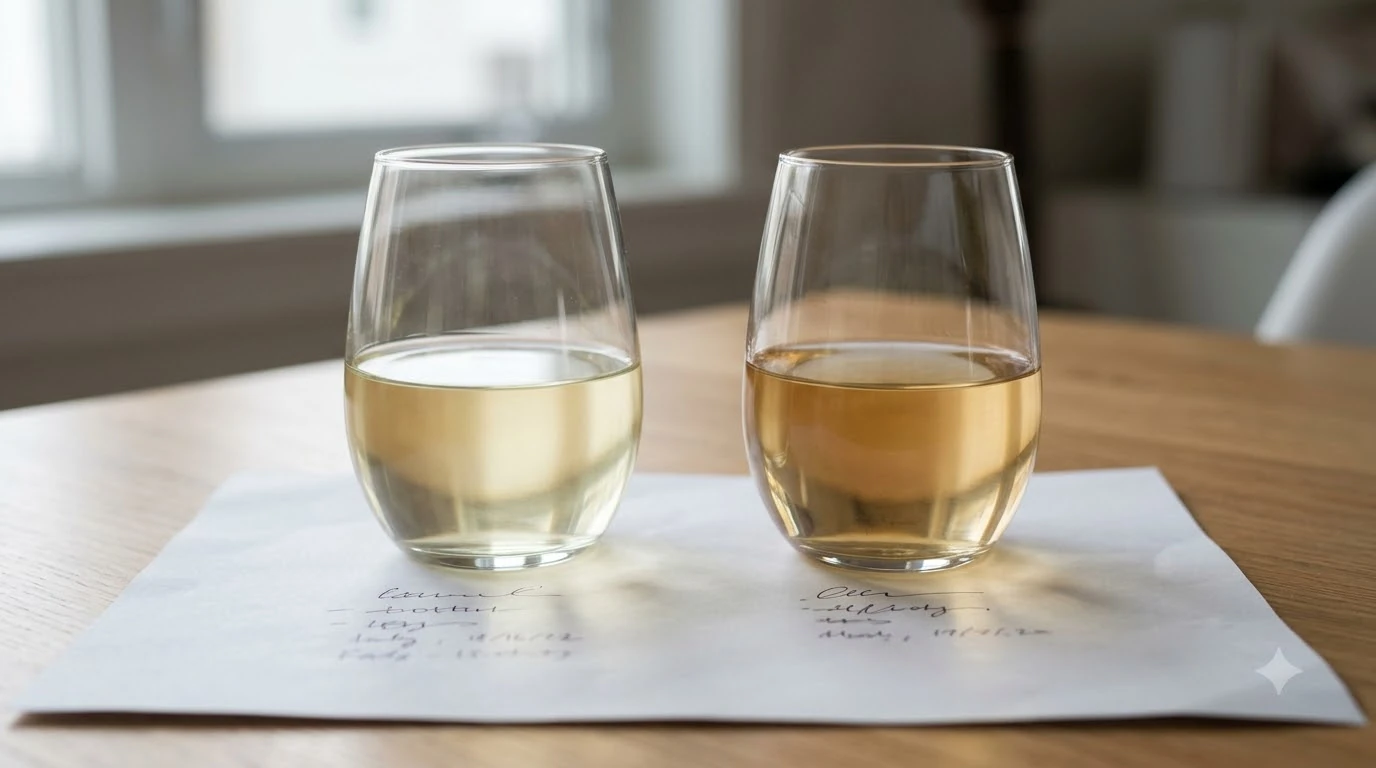
A typical young Rioja white can display a pale straw or light yellow color. Campo Viejo Blanco fits the general visual expectations of a fresh Spanish white, although the exact appearance can vary with bottling and vintage.
On the nose, look for citrus impressions and delicate floral notes. Lemon-like freshness, white flowers and subtle fruit aromas are useful reference points. The wine is not intended to present the concentrated vanilla, toast and caramel aromas associated with heavily oak-influenced Chardonnay.
Palate and texture
The first impression should be fresh and fruit-focused. Citrus character provides definition, while the white-fruit element makes the palate feel approachable. Floral notes help maintain continuity between the aroma and the flavor.
Rioja’s regulatory council describes the region’s white wines as having medium-high acidity. This regional characteristic helps explain why many young Rioja whites work particularly well with food. Acidity can refresh the palate between bites, especially when a dish contains olive oil, cream, seafood or other ingredients with a richer texture.
Campo Viejo Blanco should not be confused with a sweet dessert wine. Its intended character is closer to a dry everyday white than a noticeably sugary wine. That distinction matters when selecting a bottle for a meal: it is generally more appropriate alongside savory dishes than as a substitute for a sweet wine served with dessert.
What the finish is like
A fresh white wine generally leaves a cleaner impression than a full-bodied, heavily oaked white. Campo Viejo’s citrus and floral direction makes it suitable for situations where a lighter finish is desirable. Its fruit should complement food rather than overwhelm the other flavors on the table.
Individual bottles can differ in intensity depending on the vintage and production choices. A wine’s temperature also influences how its aromas are perceived. Serving it too cold can make subtle fruit and floral details less noticeable, while serving it too warm can reduce the refreshing impression.
Tip: Pour a small amount into a white wine glass and allow it to sit for approximately 2 minutes before assessing the aromas. This gives the citrus and floral characteristics an opportunity to become more apparent.
Alcohol Content, Body and Rioja Style
Campo Viejo Blanco has a stated alcohol content of 12.5% ABV, according to the producer. This figure, combined with its fresh fruit character, makes it a practical choice for people who prefer a white wine that does not feel particularly heavy.
Alcohol content describes the proportion of a wine’s volume made up of alcohol. A wine listed at 12.5% ABV contains approximately 12.5 milliliters of pure alcohol per 100 milliliters of wine. This measurement is separate from sweetness, acidity and body, even though all these elements influence the overall drinking experience.
Understanding the wine’s body
Body refers to the sensation of weight and texture in the mouth. Light-bodied wines generally feel more delicate, while full-bodied wines have a broader, richer impression. Campo Viejo Blanco is best considered a fresh, approachable white rather than a particularly powerful or concentrated example.
Its combination of Viura and Tempranillo Blanco contributes to an aromatic profile that emphasizes freshness. It can accompany lighter dishes without requiring the richer sauces or heavily seasoned ingredients that sometimes suit more substantial white wines.
How Rioja production influences white wine
Rioja’s white wine category includes several production approaches. According to the regional regulatory council, young aromatic whites are commonly fermented in stainless-steel tanks at low temperatures or in other neutral vessels such as concrete. These methods can preserve primary fruit aromas and freshness.
More substantial white wines may undergo fermentation in barrels. Oak can contribute additional aromatic complexity and help integrate wood characteristics into the wine. Producers may also use fine-lees maturation to create a softer, rounder texture.
These differences explain why two bottles carrying the Rioja designation can taste quite different. A young stainless-steel-fermented white may emphasize citrus and fresh fruit, while an oak-aged example may show greater texture, pastry-like notes, nuts and toast. The DOCa Rioja explanation of white wine styles and production provides additional regional context.
Campo Viejo’s standard Blanco is best understood through its fresh, floral and citrus-focused description rather than assuming it has the characteristics of an aged Rioja Reserva. For a comparison with the producer’s more familiar red wines, see Campo Viejo red wine.
Best Food Pairings for Campo Viejo Blanco
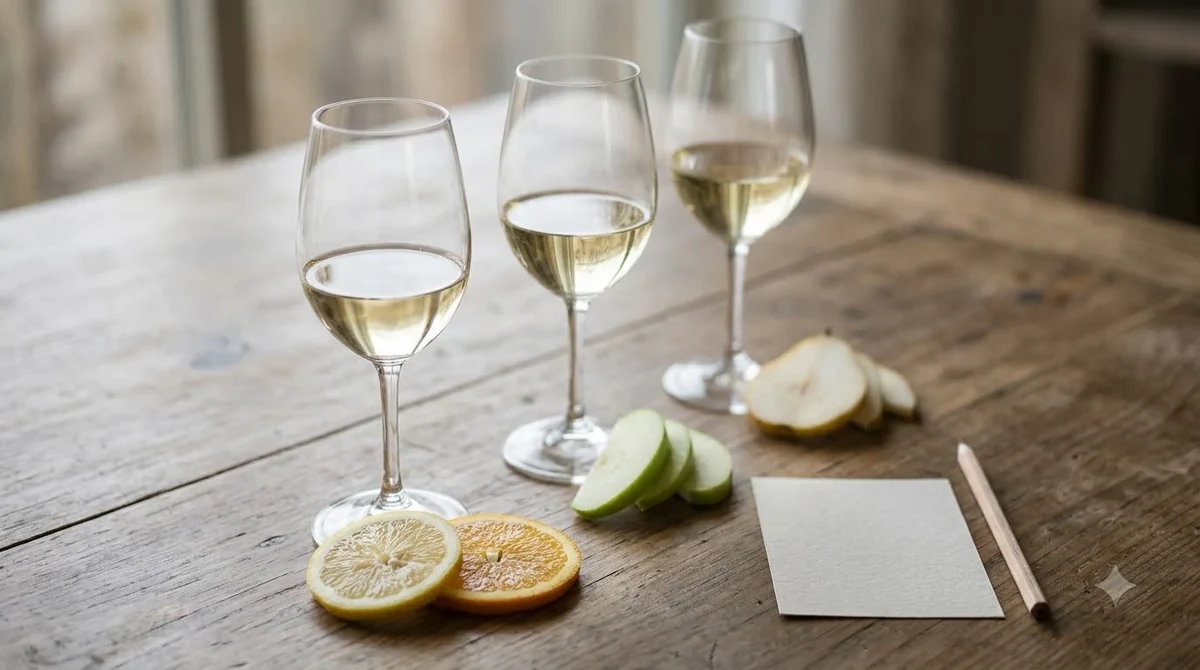
Campo Viejo Blanco works particularly well with seafood, chicken, salads, young cheeses and creamy pasta. Its citrus character and refreshing profile make it a natural partner for dishes that benefit from freshness rather than heavy tannins or intense oak flavors.
Seafood and fish
Seafood is among the strongest pairing options for this wine. Grilled white fish, shrimp, scallops and simply prepared shellfish all complement its fresh fruit character. Lemon, parsley and olive oil can reinforce the wine’s citrus and floral impressions.
For a straightforward dinner, serve grilled sea bass with lemon and herbs alongside Campo Viejo Blanco. The fish’s delicate texture should allow the wine’s fruit to remain noticeable, while the citrus seasoning creates a natural flavor connection.
Shellfish also offers several possibilities. Shrimp with garlic, steamed mussels and chilled seafood salads can work particularly well. Avoid preparations with extremely heavy sauces or strong smoky flavors if the goal is to preserve the wine’s more delicate characteristics.
Chicken and white meat
Chicken is another reliable pairing. Roasted chicken with herbs, grilled chicken breast and chicken salads all provide enough flavor to complement the wine without overpowering it.
For example, grilled chicken with lemon, thyme and olive oil creates a balanced combination. The protein supplies savory richness, while the wine’s fruit and acidity provide freshness. Creamy chicken pasta can also work because the wine helps balance the sauce’s richer texture.
Other white meats can be suitable, particularly when they are prepared with moderate seasoning and lighter sauces. Grilled turkey, herb-roasted poultry and chicken skewers are practical choices for casual meals.
Salads and vegetables
Fresh salads are particularly appropriate for a wine with a citrus-forward profile. Consider mixed greens, cucumber, tomatoes, grilled zucchini and herbs dressed with lemon or a moderate amount of olive oil.
Chickpea salads and hummus also make useful accompaniments. The creamy texture of chickpeas and tahini can be balanced by the wine’s freshness. Olives provide a salty element that complements the fruit character and makes the combination especially suitable for Spanish-style appetizers.
Vegetable dishes can include asparagus, roasted peppers, zucchini and lightly grilled eggplant. The key is to avoid excessive char or very intense seasoning that would dominate the wine.
Cheese and creamy dishes
Young goat cheese is specifically recommended by Campo Viejo. Its creamy texture and characteristic tanginess can complement the wine’s fresh profile. Other soft young cheeses are also suitable, particularly when served with crackers, bread or fresh vegetables.
Creamy pasta is another useful pairing. A simple sauce made with cream, herbs and a moderate amount of cheese can work well because the wine offers a refreshing contrast to the richness. Seafood pasta with shrimp or scallops provides another combination that connects the wine’s recommended seafood and creamy-pasta pairings.
Foods that require more care
Very spicy dishes deserve some caution. Chili heat can become more pronounced alongside alcohol, so heavily spiced preparations may make the wine feel less balanced. Mildly seasoned Asian-inspired dishes, fresh herbs and citrus-based sauces are generally easier matches.
Strongly acidic foods can also make a wine seem less lively if the food has substantially more acidity than the wine. For example, a salad with an aggressive vinegar dressing may dominate the palate. A moderate lemon or olive-oil dressing is usually a more balanced approach.
Very sweet desserts are not ideal partners for a dry-style white. Wine served with dessert should generally be at least as sweet as the dessert itself. Fruit tarts, custards and cakes are better matched with wines designed for sweetness rather than a fresh savory white Rioja.
Serving Temperature, Glassware and Storage
Serve Campo Viejo Blanco chilled, ideally at approximately 45–50°F. This temperature range helps maintain freshness while allowing citrus and floral aromas to remain perceptible. Appropriate glassware and sensible storage also help preserve the wine’s character after opening.
Getting the temperature right
Light whites and rosé wines are generally served between 45°F and 50°F. Campo Viejo Blanco fits comfortably within this range. A bottle that has been refrigerated can be poured directly, although it may benefit from a few minutes in the glass if it seems excessively cold.
Serving temperature makes a noticeable difference. Very cold wine can seem less aromatic and more restrained, while warmer wine may feel softer and less refreshing. The aim is to find a balance between preserving the wine’s crisp character and allowing its aromas to develop.
If the bottle is stored at room temperature, refrigerate it for approximately 2–3 hours before serving, depending on the starting temperature. An ice bucket containing ice and water can chill a bottle more quickly. Check the temperature periodically rather than leaving the bottle in an ice bath for an extended period.
Choosing the right glass
A standard white wine glass is appropriate. Its narrower bowl helps concentrate the wine’s delicate aromas while leaving enough space for gentle swirling. There is no need for a specialized glass designed for expensive or heavily aged white wines.
A typical serving is 5 ounces. A standard 750-milliliter bottle therefore provides approximately five glasses. Pouring smaller amounts initially can make it easier to maintain the desired serving temperature throughout a meal.
Storing an unopened bottle
Keep unopened white wine away from direct sunlight, temperature fluctuations and strong heat. A cool, stable storage environment is preferable. The general recommendation for wine storage is approximately 55°F, with bottles protected from unnecessary movement.
For a bottle with a cork closure, storing it on its side is a common approach to help maintain contact between the cork and the wine. Avoid keeping the bottle next to an oven, radiator or sunny window, where temperature changes can affect the wine.
Preserving an opened bottle
After opening, reseal the bottle and place it in the refrigerator. Most opened still wines remain in reasonable condition for approximately 3–5 days, although their aromas and freshness gradually change with exposure to oxygen.
A tightly fitted original closure or suitable wine stopper can help reduce unnecessary air exposure. Keeping the bottle upright in the refrigerator also makes it easier to handle and reduces the exposed surface area of the remaining wine.
Before serving a refrigerated leftover, allow it to warm slightly in the glass. This brings its aromas closer to their intended expression. If the wine develops an unpleasant smell, loses its fruit character or tastes noticeably oxidized, its best drinking period has probably passed.
How Campo Viejo Blanco Compares With Other White Rioja Styles
Campo Viejo Blanco belongs to a diverse regional category in which grape selection and production choices create substantial differences. Understanding the contrast between young Viura-based wines, Tempranillo Blanco blends and oak-aged Rioja whites helps put its style into perspective.
Young and fresh white Rioja
Young white Rioja generally emphasizes primary fruit and freshness. Citrus, white fruit and floral aromas are common reference points, particularly in wines that use stainless-steel fermentation. These bottles are often suited to seafood, salads, poultry and appetizers.
Campo Viejo Blanco fits this approachable direction through its producer-described citrus and floral character. Its Viura and Tempranillo Blanco combination also provides a distinctive blend of traditional Rioja character and a less familiar indigenous white variety.
Young white Rioja is a useful choice when the wine needs to complement a meal without becoming its main focus. Its freshness can work particularly well with grilled fish, fresh vegetables and lightly seasoned dishes.
Oak-aged white Rioja
More developed white Rioja can have a noticeably different character. Oak fermentation and barrel aging may contribute toasted aromas, vanilla-like impressions, pastry notes and a broader mouthfeel. These wines often have more weight than young, fruit-driven examples.
Viura is particularly important in this category because it can respond well to oak aging. Wine Enthusiast explains that the variety can produce white wines with considerable aging potential when handled carefully.
Such wines may suit richer foods, including roasted poultry, grilled fish with butter-based sauces and more substantial vegetable dishes. Their additional texture can make them better partners for food with greater weight.
Other Campo Viejo white wines
Campo Viejo’s wider white portfolio includes expressions beyond the standard Blanco. The producer’s official listings identify Reserva Blanco as a Viura wine with 14% ABV and Dominio Blanco as a Viura wine with 13% ABV.
Those specifications illustrate why it is important to distinguish between individual labels rather than treating every Campo Viejo white as the same wine. Grape composition, alcohol content, maturation and intended style can all differ across a producer’s range.
The standard Blanco is a sensible starting point for someone who wants a fresh, citrus-led white wine. Those interested in additional texture and complexity may find it useful to explore the producer’s other expressions.
Comparing the producer’s red and white wines
Campo Viejo’s red wines offer a different structure and set of food-pairing possibilities. Red Rioja commonly emphasizes Tempranillo, with flavors and textures that can include red berries, spice and oak-derived characteristics depending on the style.
White Rioja, by comparison, relies on authorized white varieties and emphasizes fruit, acidity and floral or more developed aromatic notes. The distinction is especially relevant at the table: white wines generally work more naturally with delicate fish and shellfish, while fuller reds can suit roasted meats and dishes with more substantial flavors.
Readers interested in the red side of the brand can also explore Campo Viejo Rioja tasting notes to understand how its red wines differ in aroma, flavor and structure.
For another useful comparison, Campo Viejo Rioja alcohol content explains why the ABV figures across different bottles should be considered individually rather than assumed to be identical.
Frequently Asked Questions
Is Campo Viejo Blanco suitable for someone new to Spanish wine?
Yes. Its combination of recognizable citrus, white fruit and floral aromas provides an accessible introduction to Rioja’s white wines. It also offers an opportunity to become familiar with Viura and Tempranillo Blanco without starting with a highly complex aged expression.
What does the word Blanco mean on a Spanish wine label?
Blanco is the Spanish word for white. On a wine label, it identifies the wine as a white wine rather than a red wine or rosé. The term does not independently indicate sweetness, alcohol content or whether the wine has undergone oak aging.
Is Viura the same grape as Macabeo?
Yes. Viura and Macabeo are two names for the same grape variety. The name Viura is particularly associated with Rioja, while Macabeo is commonly used in Catalunya and other Spanish wine-growing areas. In France, the variety is also known as Macabeu.
Can white Rioja be aged for several years?
Yes. Although young white Rioja is often enjoyed for its freshness, selected wines can develop greater complexity with bottle age. Carefully produced Viura wines, especially those made with oak maturation, can develop nutty, honeyed and more complex aromatic characteristics over time.
Why is Tempranillo Blanco different from red Tempranillo?
Tempranillo Blanco is a naturally occurring genetic mutation of the red Tempranillo variety. The original discovery was recorded in Rioja in 1988. Although the two varieties share a genetic connection, Tempranillo Blanco produces white grapes and has its own distinctive aromatic and structural characteristics.
Campo Viejo Blanco is a practical choice for anyone looking for a fresh Spanish white wine with citrus, floral and white-fruit characteristics. Its Viura and Tempranillo Blanco blend makes it an interesting introduction to Rioja beyond the region’s famous reds. Serve it chilled with seafood, chicken, salads or young goat cheese for a straightforward pairing that highlights its refreshing style.
More in Wine Brands
 Underwood Wine Price: Compare Bottles, Cans, and Pack SizesUpdated Nov 21, 2026
 Zenato Wine Price: Compare Styles and Choose the Right BottleUpdated Nov 21, 2026
 Zuccardi Wine Price: Compare Bottles and Find the Right RangeUpdated Nov 21, 2026
 Yellow Tail Moscato Review: Taste, Sweetness and Serving TipsUpdated Nov 21, 2026
 Wolf Blass Yellow Label Review: Choose Your Best StyleUpdated Nov 21, 2026
 Wolffer Estate Rose Review: Choose the Right Bottle for Your TableUpdated Nov 21, 2026