

We may earn a commission when you buy through links on this page, at no extra cost to you. Learn more.
Cava wine is Spain’s traditional-method sparkling wine, made mostly in the Penedès region near Barcelona and fermented a second time inside the bottle. It uses the same bottle-fermentation method as Champagne but with Spanish grapes such as Macabeo, Xarel-lo and Parellada. Cava is usually crisp, dry and affordable for the quality, and it works as an aperitif or with a wide range of food.
This guide covers how Cava is made, what it tastes like, the main styles you will see on shelves and how to serve and pair it. For a quick overview of the basics, the what is cava page is a good starting point, and the Wine by Type hub lists the other sparkling and still styles.
How Cava Is Made
Cava is made with the traditional method, sometimes called the Champenoise method. The wine is bottled with a small dose of sugar and yeast, and a second fermentation in the bottle produces the bubbles. That bottle fermentation is the step that separates real Cava from sparkling wines made in large tanks, such as Prosecco.
After the second fermentation, the wine ages on its lees, the spent yeast left in the bottle. Ageing on lees gives the wine toasty, bready notes and a fine, creamy texture. Cava can age anywhere from about nine months to many years depending on the bottle and the category, so the label or producer notes are worth checking if you want a particular style.
When the bottles are ready, the sediment is removed, a small dose of sugar and wine is added to set the final sweetness, and the wine is corked and labeled. That last dose is why the same base wine can taste bone dry in one bottle and slightly sweet in another.
Grapes and Regions
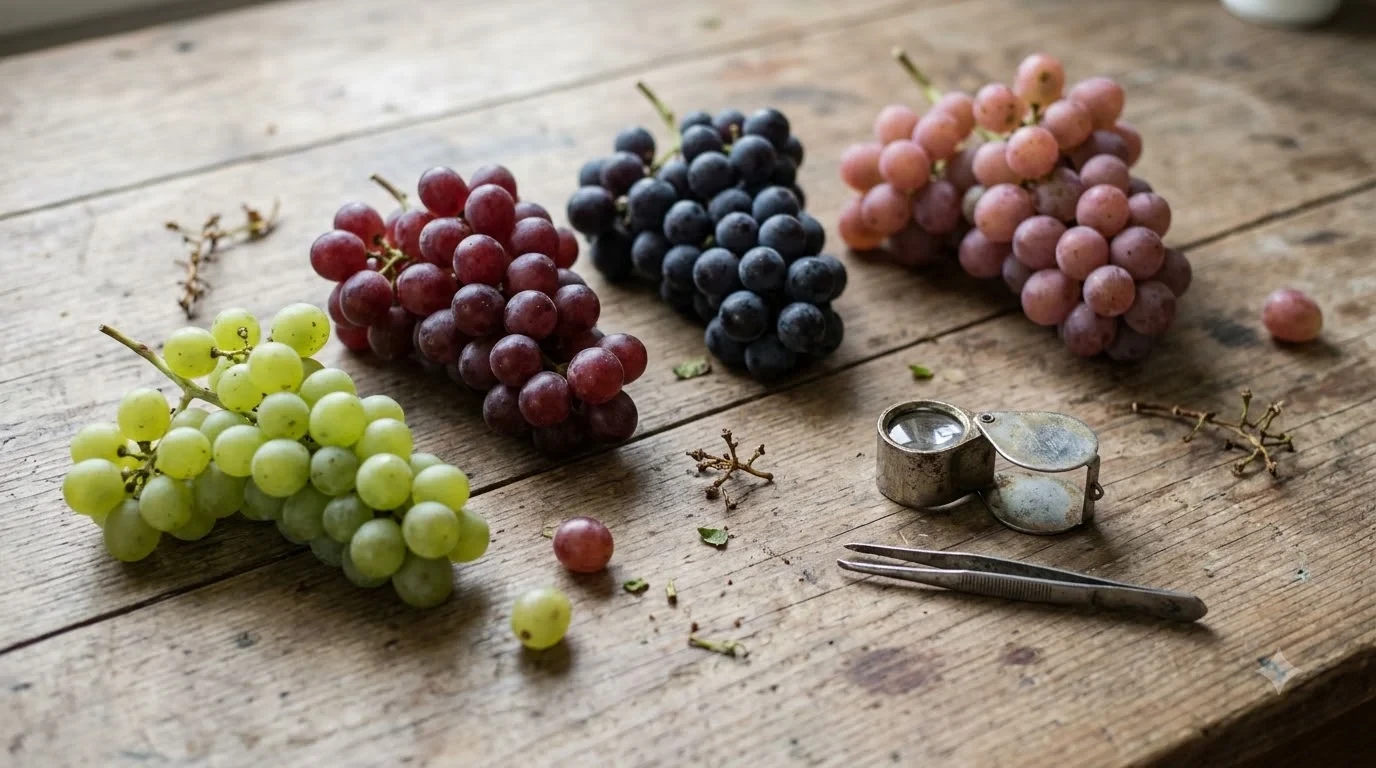
Most Cava is made from three white grapes. Macabeo, also known as Viura, forms the backbone of many blends and adds fruit, acidity and freshness. Parellada adds freshness and a light perfume. Xarel-lo is central to Penedès and gives structure, and cavas meant for long ageing often contain a high share of it. Some producers also blend in Chardonnay or Pinot Noir.
Rosé Cava is made with red grapes, usually Garnacha, which give a pink color and a fuller, more savory character than the white styles. Rosado Cava made by maceration can be full-bodied and firmly structured, so it suits richer food.
Penedès, west of Barcelona, is the heartland of the category. Over 95 percent of Cava is made in the hills of Sant Sadurní d’Anoia, a sub-region of Penedès, according to the Jeroboams Spanish Cava buyers guide. The climate and soils there help the grapes keep their acidity, which is one reason the wines feel so bright.
| Style | Sweetness | What it tastes like |
|---|---|---|
| Brut Nature | 0 to 3 g/l sugar | Very dry, lean and precise |
| Extra Brut | 0 to 6 g/l sugar | Dry, fresh and savory |
| Brut | Dry, with more room for fruit | Friendly, crisp and easy to drink |
| Dulce | Sweet | Rich and fruity, for dessert |
| Rosado | Usually dry | Pink, tangy and fuller in body |
Flavor Profile of Cava
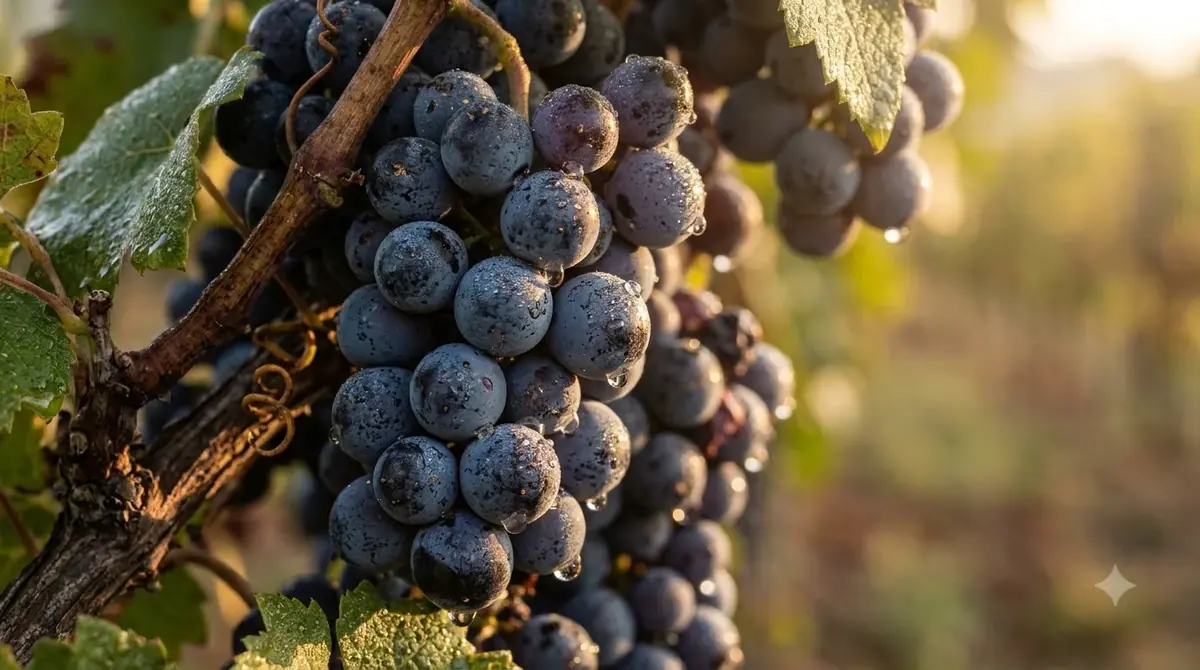
A young Cava tends to taste of green apple, citrus, pear and white flowers. The bubbles are fine and lively, and the acidity keeps the finish clean. Wines with more time on lees add notes of brioche, almond and toast, which make them feel richer and more complex.
The style you choose changes the experience. Brut Nature and Extra Brut bottles are very dry and show the acidity and fruit clearly. A standard Brut has more softness and fruit, so it is often the easiest starting point for new drinkers. Dulce bottles are sweet and suit dessert or a fruit platter.
Reserva and Gran Reserva bottles have spent longer on lees. Reviewers often describe them as more layered, with a creamy texture and deeper flavors that match well with richer food.
How to Serve Cava
Cava is best served well chilled. Put the bottle in the fridge a few hours before you plan to open it, or use an ice bucket with water and ice for about twenty minutes before pouring. Serving it too warm makes the bubbles feel aggressive, while serving it too cold can mute the aromas.
A flute or a tulip-shaped glass helps keep the bubbles in the glass longer and lets the aromas gather. A wide Champagne-style coupe looks lovely but lets the bubbles escape faster. Open the bottle gently, since sparkling wine is under pressure.
Once opened, reseal the bottle with a proper sparkling wine stopper and keep it in the fridge. It is best within a day or two, because the bubbles fade over time.
Food Pairing with Cava
Cava is one of the most versatile sparkling wines at the table. Young Brut and Extra Brut bottles make a bright aperitif, and they also match tapas, fried foods, olives and salty snacks. The bubbles and acidity cut through oil and salt, so fried calamari or potato chips taste lighter alongside a glass.
Seafood is a natural partner. Oysters, shrimp, grilled fish and shellfish dishes all suit a dry Cava. Reserva and Gran Reserva bottles pair well with richer dishes such as risotto and fish with a creamy sauce, where the wine’s depth can stand up to the food.
For dessert, choose a Dulce bottle and match it with fruit-based sweets or a simple cake, rather than chocolate, which can make a dry sparkling wine taste bitter.
How to Choose a Cava
Start by reading the sweetness level on the label, since it tells you more about the taste than the brand name does. If you like crisp, dry wines, look for Brut or Brut Nature. If you want something softer, a Brut with more fruit is a good choice. Check the producer’s notes for information on lees ageing if you want more depth.
Price is not always a reliable guide to quality in Cava, and many good everyday bottles are made in large quantities. Try a few producers, compare styles side by side, and note which ones you enjoy most. The category is wide enough that you can find a style for almost any occasion.
Common Mistakes When Buying Cava
A common mistake is treating every sparkling wine from Spain as the same. Cava covers a wide range of styles, from lean and very dry Brut Nature to soft, fruity Brut and sweet Dulce. If you pick a bottle without checking the sweetness level, you may end up with something much drier or sweeter than you expected for the occasion.
Another mistake is serving a young Cava warm and then judging it harshly. The bubbles become aggressive and the fruit tastes thin. Chill the bottle thoroughly and pour into a glass that keeps the bubbles together, and the same wine will show much more freshness.
Finally, do not assume an older bottle is always better. Reserva and Gran Reserva bottles have spent longer on lees and gain depth, but a young, fresh Brut is often the most enjoyable choice for a casual gathering. Match the style to the moment rather than chasing age.
Frequently Asked Questions
Is Cava the same as Champagne?
No. Both use the traditional bottle-fermentation method, but Cava is made in Spain with Spanish grapes such as Macabeo, Xarel-lo and Parellada, while Champagne is made in France with grapes such as Chardonnay and Pinot Noir.
Is Cava sweet or dry?
Most Cava is dry, especially Brut and Brut Nature styles. Dulce bottles are the exception and are sweet, so read the label before you buy.
What is the difference between Cava and Prosecco?
Cava is made with a second fermentation in the bottle, while most Prosecco is made in large tanks. That difference usually gives Cava finer bubbles and more toasty, bready notes.
How long does an opened bottle of Cava last?
Keep it sealed in the fridge with a sparkling wine stopper. It is best within a day or two, since the bubbles fade over time.
Cava is an easy way to enjoy traditional-method sparkling wine without spending a lot. Start with a young Brut from Penedès, serve it well chilled with simple food, and try a Reserva once you want something richer. You will quickly see how the style changes from bottle to bottle.
More in Wine Types & Grapes
 Zinfandel Sugar Content: Dry Red vs. White Zinfandel GramsUpdated Nov 21, 2026
 Best Zinfandel Substitute Options for Sipping and CookingUpdated Nov 21, 2026
 Zweigelt Food Pairing: Best Dishes, Cheeses, and Serving TipsUpdated Nov 21, 2026
 Zinfandel Tannins Explained: How Structure Shapes Every BottleUpdated Nov 21, 2026
 Zinfandel Sweetness Level: Dry Red vs. Sweet White Zin ExplainedUpdated Nov 21, 2026
 Xinomavro Food Pairing: Best Dishes, Styles, and Serving TipsUpdated Nov 21, 2026