

We may earn a commission when you buy through links on this page, at no extra cost to you. Learn more.
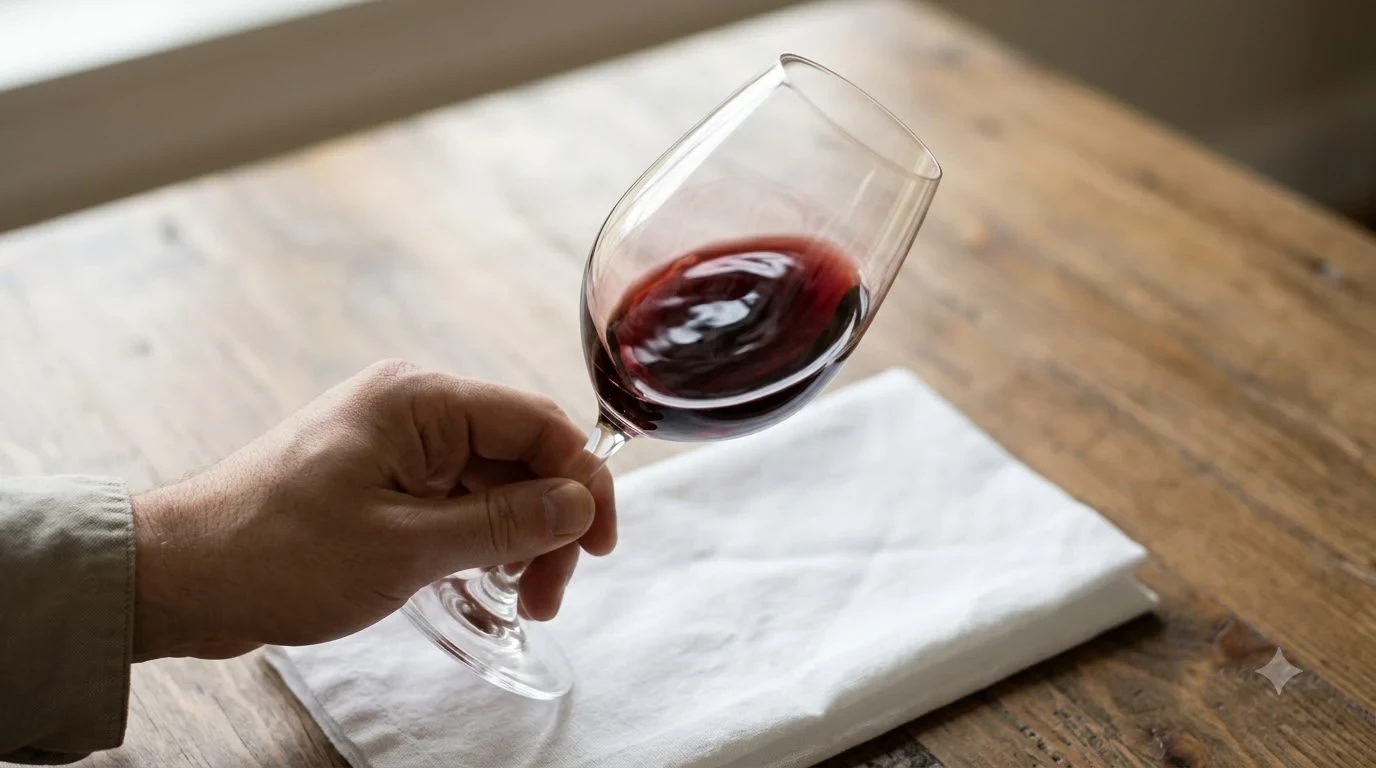
The calories in sweet red wine often fall around 125 to 175 per 5-ounce glass for many unfortified styles, although alcohol by volume and residual sugar can move the number outside that range. A 750-milliliter bottle holds about five standard pours, making that approximately 625 to 875 calories for the full bottle at those estimated levels. Lower-alcohol, lightly sweet reds can contain fewer calories, while fortified wines such as Port can contain considerably more.
Sweet red wine is not one uniform category. A gently sparkling Brachetto, a fruity Lambrusco, a concentrated Italian Recioto, and a fortified Portuguese Port can all taste sweet, but their alcohol levels and sugar concentrations differ. Understanding those two components makes it easier to estimate a serving without assuming every sweet red has the same nutritional profile.
How Many Calories Are in Sweet Red Wine?
A useful starting estimate for an unfortified sweet red is approximately 125 to 175 calories in a standard 5-ounce pour. The lower end generally represents a wine with moderate alcohol and residual sugar near the minimum for the sweet category, while higher figures reflect more concentrated sugar, higher alcohol, or both.
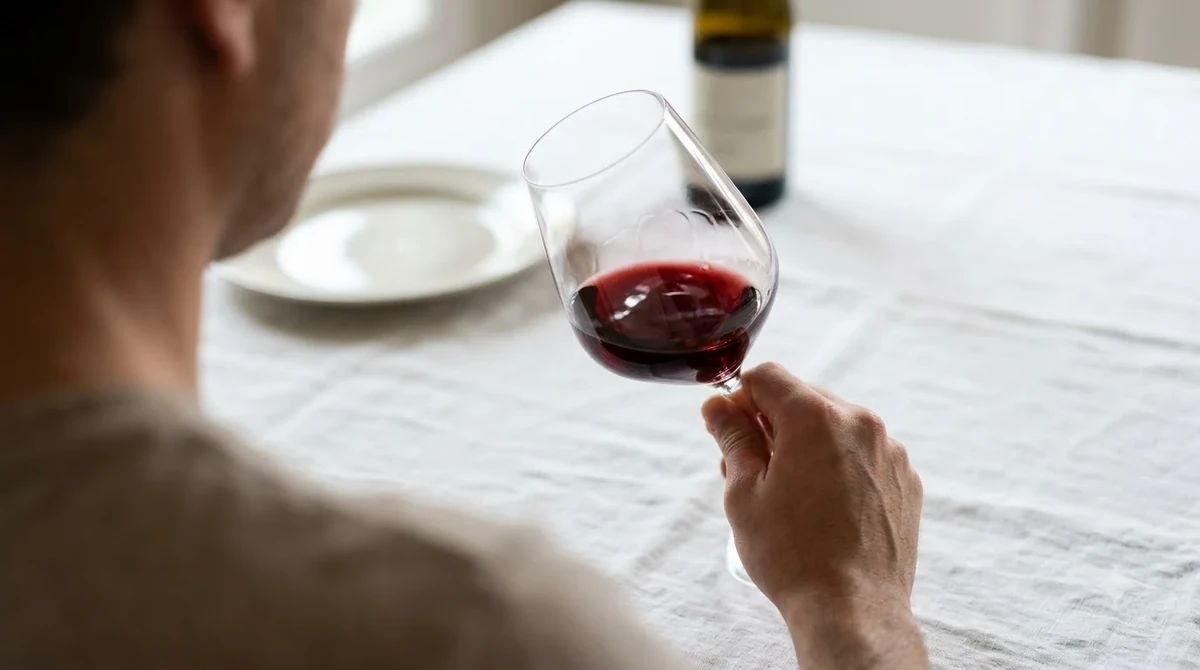
For comparison, Wine Enthusiast cites approximately 120 calories for a typical 5-ounce serving of dry wine. A sweet red can exceed that estimate because it retains more grape sugar after fermentation. However, the difference is not automatic: a low-alcohol sweet wine can contain fewer calories than a dry red with a substantially higher alcohol percentage. The style, not simply the word sweet on the bottle, determines the estimate.
A 5-ounce pour is the most useful starting point because it is the standard wine serving commonly used in American restaurant settings. Wine Enthusiast notes that a typical 750-milliliter bottle provides almost five servings of that size. A glass poured to the rim of a large wineglass may hold considerably more than 5 ounces, so a calorie estimate based on a standard serving will understate the total in an oversized pour.
The figures in this article are estimates for understanding wine composition, not universal nutrition declarations for every bottle. A wine at 10% ABV with 45 grams of residual sugar per liter has a different estimated energy content from one at 14% ABV with 100 grams per liter. That is why a range is more useful than assigning one calorie number to every sweet red.
Alcohol and Residual Sugar Drive the Calorie Count
Two components account for most of the variation in wine calories: ethanol and residual sugar. Alcohol contributes approximately 7 calories per gram, while sugar contributes approximately 4 calories per gram, so the alcohol percentage is often the stronger influence on the final number.
Alcohol by volume, usually shortened to ABV, tells you what percentage of the wine’s volume is alcohol. A 5-ounce glass at 14% ABV contains more ethanol than a glass of the same size at 10% ABV. That difference matters even when both wines taste equally sweet. A wine can also taste relatively light while containing a substantial amount of alcohol, so body and sweetness are not dependable substitutes for ABV.
Residual sugar, often abbreviated as RS, is the grape sugar that remains after fermentation. Yeast converts grape sugars into alcohol and carbon dioxide during fermentation. When fermentation finishes with sugar remaining, or when the winemaker deliberately stops fermentation, the finished wine retains sweetness. The amount of sugar left in the wine is measured in grams per liter, not by how sweet the wine seems on the first sip.
A Wine Enthusiast explanation of wine calories describes the same relationship: alcohol and residual sugar both contribute energy, but alcohol has more calories per gram. A practical calculation can therefore begin with the alcohol percentage, then add the contribution from sugar. This approach is more informative than assuming all red wines have a standard calorie count.
For a rough calculation, a 5-ounce serving contains about 148 milliliters. Multiply 148 by the ABV percentage and by 8, then divide by 1,000 to estimate grams of alcohol. Multiply those grams by 7 to estimate alcohol calories. Next, multiply the wine’s residual sugar in grams per liter by 0.148 to estimate sugar grams in the serving, then multiply that result by 4. Adding the two estimates gives a useful approximation, although other wine components and rounding can affect the final value.
For example, a 12% ABV wine with 45 grams of residual sugar per liter contributes approximately 99 calories from alcohol and 27 calories from sugar in a 5-ounce serving. The combined estimate is about 126 calories. Raising the wine to 14% ABV and 100 grams of residual sugar per liter brings the estimate to approximately 175 calories for the same pour.
What Sweetness Levels Mean in Red Wine
Wine sweetness is measured through residual sugar, and international wine standards provide useful reference points for understanding the terminology. The important dividing line is 45 grams per liter: the OIV classifies a wine containing at least that amount of glucose and fructose as sweet.
The OIV international standard for wine labeling also describes lower sugar categories. Dry wine generally contains up to 4 grams per liter, although a specific acidity condition allows a higher limit. Medium-dry wines can contain up to 12 grams per liter, or up to 18 grams under another acidity condition. The mellow or semisweet category extends above the applicable medium-dry range to 45 grams per liter.
These ranges help explain why a wine described informally as slightly sweet may not reach the technical sweet category. A red with 20 grams of residual sugar per liter sits within the medium-sweet range rather than the OIV sweet category. Its sugar still adds calories, but it will generally contribute less sugar energy than a wine containing 80 or 100 grams per liter. A serving’s calorie estimate should reflect the actual sugar concentration rather than relying only on a broad tasting description.
Perceived sweetness is not always the same as measured residual sugar. Acidity can balance sweetness, allowing a wine with considerable sugar to taste fresher than expected. Conversely, ripe fruit aromas, vanilla, caramel, and other flavor impressions can suggest sweetness in a wine that has fermented almost completely dry. This explains why two reds with different analytical sugar levels may not taste as far apart as their numbers imply.
The production method also affects the amount of sugar left in a finished wine. Late-harvest grapes can have concentrated juice, while drying grapes removes water and concentrates their natural sugars. In other cases, the winemaker stops fermentation before the yeast has consumed all available sugar. These methods produce different combinations of alcohol, sweetness, acidity, and body, so a wine’s production style is useful context when comparing calorie estimates.
Sweet Red Wine Styles and Their Calorie Differences
Sweet red wines range from lightly sparkling, low-alcohol bottles to concentrated dessert wines and fortified styles. Their differences are particularly clear when comparing Brachetto d’Acqui, Lambrusco, Recioto della Valpolicella, and Port.
Brachetto d’Acqui comes from Piemonte in northern Italy and is made with Brachetto grapes. It is sweet and lightly sparkling, with a fragrant red-fruit character that makes it a common partner for chocolate desserts. Its alcohol level can be low compared with many still red wines. A lower ABV reduces the calories contributed by alcohol, although residual sugar still adds to the total. A lightly sweet, low-alcohol red therefore does not automatically have fewer calories than every dry wine, but it can compare favorably with a stronger red.
Lambrusco comes from Emilia-Romagna and can be made in both dry and sweet styles. The words secco, semi-secco, amabile, and dolce indicate increasing sweetness, making it important to distinguish a dry Lambrusco from a sweeter bottling. Many versions are lightly sparkling or more fully sparkling, and their alcohol and sugar levels depend on the producer’s chosen style. A secco Lambrusco is not nutritionally equivalent to a dolce version merely because both come from the same grape family.
Recioto della Valpolicella is a sweet red from the Valpolicella area of northern Italy. It is produced using appassimento, a grape-drying process that concentrates sugars, flavors, acidity, and tannins before fermentation. Because the grapes begin with concentrated sugar, some can remain in the wine after fermentation. This gives Recioto a rich profile of dried fruit and concentrated flavors. Its calorie total depends on the finished wine’s alcohol and sugar content, rather than the name of the grape-growing area alone.
Port is a different case because it is fortified. During fermentation, grape spirit is added to stop yeast activity and preserve residual grape sugar. Port commonly reaches approximately 19% to 22% ABV, making it substantially stronger than many unfortified sweet reds. Its combination of alcohol and sugar can put a 5-ounce equivalent above 200 calories, although Port is normally poured in a smaller amount. Ruby and Tawny are familiar styles, with different aging methods and flavor profiles.
These examples show why the word sweet does not tell the whole story. A lightly sparkling Brachetto, a semisweet Lambrusco, and a fortified Port can occupy very different places on the calorie scale. A dry Malbec is another useful comparison because it usually has little residual sugar; the separate guide to calories in malbec offers a reference point for considering a typical dry red alongside sweeter styles.
Serving Size Changes the Total Calories
Calorie estimates only make sense when the serving size is clear. A 5-ounce pour and a 3-ounce dessert-wine pour are not directly comparable, even when both appear in similar-looking wineglasses.
For most unfortified red wines, a 5-ounce serving is a convenient standard measure. A 750-milliliter bottle holds approximately 25.4 fluid ounces, or just over five 5-ounce servings. If a wine contains an estimated 150 calories per 5-ounce glass, the bottle contains approximately 750 calories across those five standard servings. Pouring 7 or 8 ounces into a large glass raises the total proportionally, even though the wine itself has not changed.
Fortified wines call for a smaller measure. Wine Enthusiast references a 2.5-ounce standard serving for wines between 16% and 24% ABV under the TTB guidance it discusses. Port is commonly served in a small glass, and a 3-ounce serving of a 20% ABV example is listed by Wine.com at approximately 140 calories. Comparing that serving with 5 ounces of an ordinary table wine would give a misleading impression unless the difference in pour size is included.
| Illustrative wine profile | Alcohol | Residual sugar | Estimated calories per 5 oz |
|---|---|---|---|
| Lower-alcohol sweet red | 10% ABV | 45 g/L | 110 |
| Moderate sweet red | 12% ABV | 45 g/L | 126 |
| Richer sweet red | 13% ABV | 75 g/L | 152 |
| Higher-alcohol, high-sugar red | 14% ABV | 100 g/L | 175 |
The table uses an approximate calculation based on 7 calories per gram of alcohol and 4 calories per gram of sugar. The figures are rounded and represent alcohol and residual-sugar contributions rather than laboratory nutrition measurements. They illustrate why two bottles both described as sweet red can produce different calorie estimates.
Tip: Use 5 ounces as the comparison measure for ordinary red wine and a smaller pour for fortified wines such as Port. Measure the serving once with a kitchen measuring cup so that a large glass does not get mistaken for a standard serving.
When estimating the calories in a bottle, multiply the serving estimate by approximately five for a 750-milliliter bottle. A wine estimated at 126 calories per 5 ounces would have about 630 calories per bottle, while one estimated at 175 calories per pour would have approximately 875. These totals assume the bottle is divided into five standard servings; the exact number of pours depends on the amount placed in each glass.
Comparing Sweet Red Wine With Other Wine Choices
Sweet red wine is only one part of the wine category, and its calorie level should be compared with wines that have similar serving sizes and alcohol strengths. A dry wine often has less sugar, but a high-alcohol dry wine can still contain more calories than a lower-alcohol wine with noticeable sweetness.
For example, a 15% ABV bold red such as Zinfandel or Shiraz can have a higher calorie estimate than a lighter wine at 10% ABV. The additional alcohol contributes energy even when the wine contains very little residual sugar. This is why choosing only by color or dry-versus-sweet description can produce an inaccurate comparison. A moderately sweet red at 10% ABV may contain less energy per glass than a dry red at 15% ABV, depending on their respective sugar levels.
Sweet white wines follow the same basic calculation: alcohol and residual sugar both matter. A lower-alcohol white with substantial residual sugar may have a calorie count similar to a red with higher alcohol and less sugar. The guide to calories in sweet white wine provides a useful comparison for readers considering both colors. Neither red nor white wine automatically has more calories because of its color alone.
Wine made from fruit other than grapes can require a separate comparison. Plum wine, for example, can differ in its production method, alcohol level, and sweetening ingredients from a traditional grape wine. A grape-wine estimate should not be transferred directly to it; the separate explanation of calories in plum wine addresses that distinct category. For a broader look at how red, white, sparkling, and fortified wines differ, see Wine by Type.
When comparing two bottles, start with the serving size, then look at the ABV and any available residual-sugar information. A difference of 2 percentage points in alcohol can make a noticeable difference in a glass. A higher sugar concentration can add further calories, but the contribution of alcohol is often the larger of the two. Comparing like with like provides a more meaningful estimate than choosing based on sweetness words alone.
Frequently Asked Questions
The following questions cover a few details that can help clarify calorie estimates and how wine is perceived. They also explain why taste, color, and temperature cannot replace information about alcohol and sugar.
Does the red color of wine add calories?
Not in any meaningful way. Red wine gets much of its color from pigments in grape skins, including anthocyanins, but these are not a significant source of energy in a typical serving. Alcohol and residual sugar account for far more of the calorie total.
Does chilling sweet red wine reduce its calories?
No. Cooling a glass does not remove its alcohol or residual sugar, so the calorie total remains the same. Temperature can change how strongly a person perceives sweetness, which may make a chilled wine taste fresher without changing its composition.
Can a dry red taste sweet without containing much sugar?
Yes. Ripe-fruit aromas such as raspberry compote and dried dates can suggest sweetness, while oak-related vanilla and caramel aromas can create a similar impression. Some dry reds contain only about 0.5 to 2 grams of residual sugar per liter despite those sweet-smelling characteristics.
How many calories are in one ounce of sweet red wine?
Using the estimated range of 125 to 175 calories per 5-ounce serving, one ounce would contain approximately 25 to 35 calories. A 3-ounce pour would therefore contain about 75 to 105 calories at those same estimated concentrations.
Can sparkling red wine be dry rather than sweet?
Yes. Lambrusco can range from secco, meaning dry, through semi-secco and amabile to dolce, meaning sweet. The Italian term frizzante describes a lightly sparkling style, not a specific level of sweetness.
The best estimate for a glass of sweet red wine starts with a consistent 5-ounce serving, followed by its alcohol percentage and residual sugar. Those two measurements explain why a lightly sweet Brachetto and a fortified Port can have very different calorie totals. Comparing wine by its actual composition and serving size provides a clearer answer than relying on sweetness or color alone.
More in Wine Types & Grapes
 Zinfandel Sugar Content: Dry Red vs. White Zinfandel GramsUpdated Nov 21, 2026
 Best Zinfandel Substitute Options for Sipping and CookingUpdated Nov 21, 2026
 Zweigelt Food Pairing: Best Dishes, Cheeses, and Serving TipsUpdated Nov 21, 2026
 Zinfandel Tannins Explained: How Structure Shapes Every BottleUpdated Nov 21, 2026
 Zinfandel Sweetness Level: Dry Red vs. Sweet White Zin ExplainedUpdated Nov 21, 2026
 Xinomavro Food Pairing: Best Dishes, Styles, and Serving TipsUpdated Nov 21, 2026