


We may earn a commission when you buy through links on this page, at no extra cost to you. Learn more.
Calories in fruit wine typically range from about 100 to 150 calories per 5-ounce glass, although sweeter recipes and higher-alcohol styles can contain more. The exact amount depends primarily on alcohol by volume (ABV), residual sugar, and serving size. Fruit wines do not all have the same nutritional profile, so a dry raspberry wine can have a different calorie count from a sweet blackberry or cherry wine.
Fruit wine offers an alternative to conventional grape wine, with flavors ranging from crisp apple and tart cranberry to rich plum, strawberry, and blueberry. Its fruit-based ingredients can make it taste sweeter or more aromatic than traditional wine, but the fruit itself does not determine the final calorie count. Understanding fermentation, alcohol, and leftover sugar makes it easier to estimate what is in your glass.
How Many Calories Are in a Glass of Fruit Wine?
A typical 5-ounce serving of fruit wine contains approximately 100–150 calories. Lower-alcohol fruit wines can fall below this range, while sweet or fortified varieties may contain considerably more.
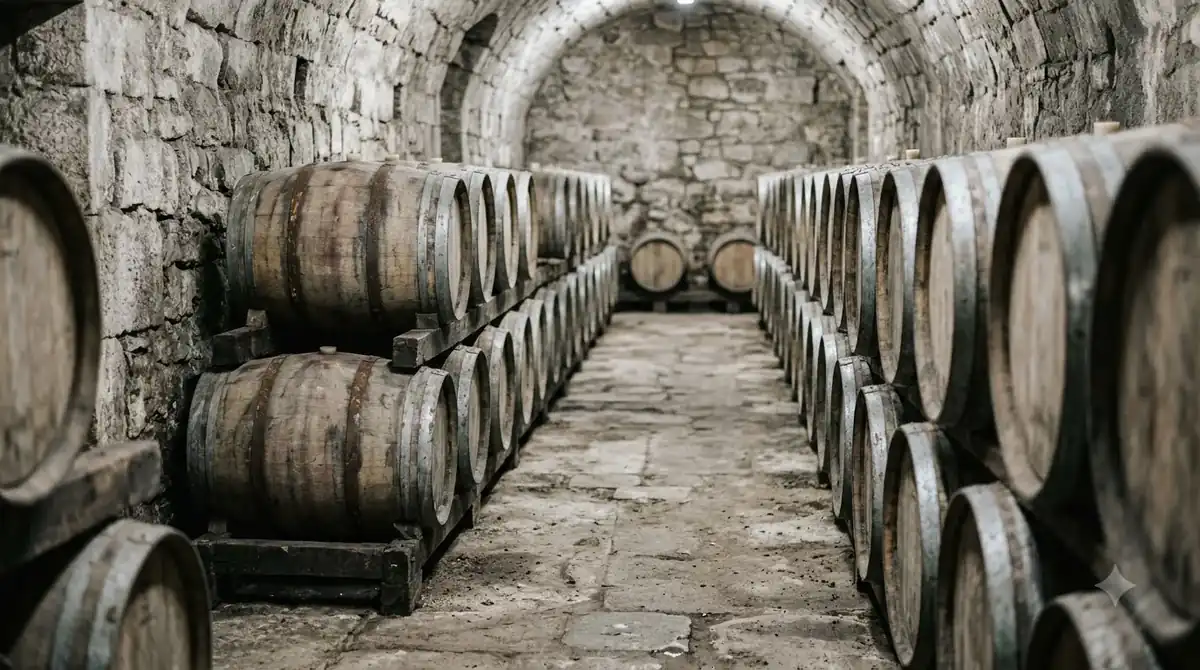
Fruit wine does not have one universal calorie count because producers use different fruits, fermentation techniques, alcohol levels, and sweetening methods. An apple wine fermented to dryness, for example, can have a different nutritional profile from a sweet strawberry wine made with additional sugar after fermentation. Even two blackberry wines can differ considerably.
A useful real-world example comes from St. James Winery’s Blackberry Sparkling Fruit Wine. Its published can label lists 110 calories per 5-ounce serving, with 6.2% ABV, 15 grams of total carbohydrates, and 13 grams of sugar. This example demonstrates that a fruit wine can contain substantial sugar without necessarily having the calorie count associated with a stronger conventional wine.
For comparison, Wine.com gives approximately 120 calories for a 5-ounce dry red wine containing 13.5% ABV. The lower alcohol content of the blackberry example helps explain why its calorie total can remain relatively modest despite its higher carbohydrate content. The Wine.com wine nutrition breakdown also illustrates how alcohol concentration influences the calorie contribution of a standard glass.
The following estimates provide a practical starting point for comparing different fruit wine styles. They are illustrative ranges rather than standardized nutritional values for every bottle.
| Fruit wine style | Estimated calories per 5 oz | Typical characteristics |
|---|---|---|
| Dry apple wine | 100–125 | Light to medium body, low residual sugar |
| Dry berry wine | 100–130 | Strawberry, raspberry, or blueberry character |
| Dry cherry wine | 105–130 | Fruit-forward, often moderately acidic |
| Semi-sweet fruit wine | 110–145 | Noticeable sweetness and some residual sugar |
| Sweet blackberry wine | 110–160 | Richer fruit character and more remaining sugar |
| Sweet plum wine | 120–170 | Pronounced sweetness and rounded texture |
| Fortified fruit wine | 150–250+ | Higher alcohol and potentially substantial residual sugar |
These estimates are intended for general comparison, not as verified nutritional measurements for specific commercial products. A particular 5-ounce blackberry wine may contain 110 calories, while another blackberry wine may contain considerably more. The producer’s nutritional information is more useful than the fruit name alone.
Serving size also makes a noticeable difference. A generous restaurant pour of 8 ounces contains 60% more wine than a standard 5-ounce serving. Even if the wine has an ordinary calorie count, the larger glass increases the total proportionally.
What Determines Calories in Fruit Wine?
Alcohol and residual sugar account for most of the calories in fruit wine. Alcohol concentration is often the strongest factor, although additional sugar can substantially change the final number in sweeter varieties.

Alcohol provides approximately 7 calories per gram, while carbohydrates provide approximately 4 calories per gram. These differences explain why a strong, dry fruit wine can contain more calories than a sweeter wine with considerably less alcohol.
During fermentation, yeast converts fermentable sugars from fruit juice into alcohol and carbon dioxide. The amount of sugar available before fermentation influences the potential alcohol level. Once fermentation finishes, some wines contain very little remaining sugar, while others retain sweetness or receive additional sweetening.
There are three important factors to consider when comparing bottles:
1. Alcohol by volume
ABV measures the percentage of a beverage’s volume that consists of alcohol. A fruit wine at 6% ABV generally contains less alcohol per 5-ounce serving than a wine at 12% ABV, assuming comparable composition and serving size.
This distinction is particularly useful when comparing sparkling berry wines with stronger apple, cherry, or plum wines. A wine that tastes light and fruity is not automatically low in alcohol, but ABV offers a practical starting point for estimating its calorie contribution.
2. Residual sugar
Residual sugar refers to fermentable sugar remaining after fermentation. It contributes sweetness and approximately 4 calories per gram. A wine with 10 grams of additional sugar per serving receives approximately 40 calories from that sugar.
Some fruit wines retain their natural sweetness because fermentation stops before all available sugar is converted. Others are fermented relatively dry and sweetened afterward. Both approaches can produce a sweet-tasting wine, but the resulting alcohol and carbohydrate levels may differ.
3. Serving size
The amount poured determines how much alcohol and sugar you consume in a single glass. A 5-ounce serving containing 120 calories becomes approximately 180 calories at 7.5 ounces if the wine’s composition stays the same.
This is why comparing two wines using different glass sizes can produce misleading conclusions. A small dessert-wine pour may contain fewer total calories than a large glass of lighter fruit wine, even when the dessert wine has a higher calorie concentration per ounce.
Tip: Compare ABV first, then consider sweetness and serving size. A fruit wine with 6% ABV and noticeable sweetness may contain fewer total calories per glass than a dry fruit wine with 13% ABV.
Calories in Sweet Fruit Wine vs. Dry Fruit Wine
Sweet fruit wine often contains more calories from residual sugar, but sweetness alone cannot predict the final calorie count. Alcohol concentration can outweigh the difference in sugar, making some dry wines higher in calories than sweeter, lower-alcohol alternatives.
Dry fruit wines have undergone fermentation that converts most fermentable sugar into alcohol. They can still have pronounced fruit aromas and flavors without tasting sugary. Dry apple wine, dry raspberry wine, and dry cherry wine are examples of styles that can emphasize acidity and fruit character rather than sweetness.
Semi-sweet and sweet fruit wines retain or receive more sugar. Strawberry, blueberry, blackberry, and plum wines are frequently produced in styles that highlight ripe fruit flavors. Their sweetness can make them seem richer, although the actual calorie contribution depends on the amount of remaining sugar and the wine’s ABV.
Consider two hypothetical 5-ounce servings:
- Dry fruit wine: A 12% ABV wine with very little residual sugar may contain approximately 120–130 calories.
- Sweet fruit wine: A 6% ABV wine with additional residual sugar may contain approximately 100–130 calories, depending on its sugar concentration.
The comparison illustrates why a sweet wine is not automatically the higher-calorie option. The lower alcohol content of the second example can offset some of the calories contributed by sugar.
Sweetness is also a matter of perception. A naturally acidic raspberry wine can taste relatively dry even when it contains some residual sugar. A softer apple wine can taste sweeter because it has less acidity to balance its fruit character.
For readers comparing other styles, the same principle applies to grape wines. The article on calories in Malbec provides a useful comparison with a familiar red wine. Malbec generally has more alcohol than many lighter fruit wines, which can make its calorie contribution higher even when it is dry.
Calories in Blackberry, Strawberry, Raspberry, and Other Fruit Wines
The fruit used in winemaking influences aroma, acidity, and flavor, but it does not establish a fixed calorie count. Blackberry, strawberry, raspberry, blueberry, apple, and cherry wines can all be made in dry, semi-sweet, or sweet styles.
Research published in Comprehensive Reviews in Food Science and Food Safety examines the chemical and fermentation characteristics of strawberry, raspberry, and blueberry wines. Its findings illustrate how fruit composition and production conditions influence the finished beverage.
Blackberry wine
Blackberry wine often has concentrated berry aromas, dark fruit flavors, and a balance of sweetness and acidity. Some producers make dry versions, while others emphasize a sweeter, sparkling style.
The St. James Winery Blackberry Sparkling Fruit Wine provides a documented example. Its label lists 110 calories, 15 grams of carbohydrates, and 13 grams of sugar per 5-ounce serving. At 6.2% ABV, it demonstrates how a relatively low-alcohol fruit wine can contain noticeable residual sugar and still have a moderate calorie total.
The St. James Winery blackberry wine label provides the actual serving and nutrition figures for this particular product. It is important not to apply that number to every blackberry wine. A still blackberry wine fermented to a higher alcohol level or sweetened differently may have a different nutritional composition.
Strawberry wine
Strawberry wine is often associated with fresh berry aromas and a soft, approachable flavor. Depending on the producer, it can range from dry and refreshing to sweet and dessert-like.
Published research on strawberry wine includes samples with approximately 5.99% ABV under particular production conditions. This is useful evidence that strawberry wine does not necessarily have the same alcohol concentration as conventional table wine.
A dry strawberry wine at this alcohol level may contain fewer calories than a stronger wine with a similar serving size. A sweetened strawberry wine, however, can have additional calories from carbohydrates.
Raspberry wine
Raspberry wine often combines fresh red-fruit aromas with noticeable acidity. Its natural tartness can make it seem less sweet than a blackberry or strawberry wine, although sweetness depends on the winemaking process.
Research on raspberry wine samples reports approximately 6.09% ABV under particular experimental conditions. These figures should not be treated as a universal commercial standard, but they illustrate the potential for relatively low-alcohol berry wines.
For calorie comparisons, look at the wine’s ABV and residual sugar rather than assuming raspberry wine is automatically lower in calories because it tastes tart.
Blueberry wine
Blueberry wine can have deeper fruit aromas, a fuller impression, and varying degrees of sweetness. Producers may make it as a dry table-style wine or a sweeter beverage intended for smaller dessert portions.
Published studies include blueberry wine samples with alcohol levels around 7.63% to 10%, depending on the production conditions. Higher initial sugar concentrations can support higher alcohol production, while fermentation management influences how much sugar remains.
Apple, cherry, and plum wine
Apple wine can range from crisp and dry to sweet and aromatic. Its calorie count depends on the finished alcohol level and residual sugar rather than the natural sweetness of the original apples alone.
Cherry wine frequently emphasizes tart red-fruit flavors, although sweeter versions are also common. Plum wine can have a rounded, concentrated fruit character and is sometimes made with substantial sweetness. The specific production method determines whether a particular bottle resembles a dry table wine or a sweet dessert beverage.
For another fruit-based comparison, see calories in plum wine. Plum wine styles vary considerably, so comparing ABV and serving size is more reliable than using the fruit category as a nutritional shortcut.
How to Calculate Calories in a Glass or Bottle
You can estimate fruit wine calories by calculating the alcohol and carbohydrate contributions in a measured serving. This approach is particularly useful when a bottle provides ABV information but does not include a complete nutrition panel.
The basic calculation uses two nutritional values:
- Alcohol contributes approximately 7 calories per gram.
- Carbohydrates contribute approximately 4 calories per gram.
To estimate the alcohol contribution, multiply the serving volume in milliliters by the ABV expressed as a decimal, then multiply the resulting alcohol volume by approximately 0.789 grams per milliliter. Multiply the alcohol weight by 7 to estimate its calories.
For example, consider a 5-ounce serving of fruit wine containing 8% ABV:
- Serving volume: approximately 148 ml.
- Alcohol volume: 148 × 0.08 = 11.84 ml.
- Alcohol weight: 11.84 × 0.789 = approximately 9.34 grams.
- Calories from alcohol: 9.34 × 7 = approximately 65 calories.
If that same serving contains 10 grams of carbohydrates, the carbohydrate contribution is approximately 40 calories. The combined estimate is approximately 105 calories.
This calculation is an approximation. It does not account for every minor compound in wine, and actual nutritional measurements can differ because of production and analytical methods.
Estimating calories in a full bottle
A standard wine bottle holds 750 ml, equivalent to approximately five 5-ounce servings. Multiplying the estimated calories per serving by five gives a convenient bottle estimate.
For example, a fruit wine containing approximately 110 calories per 5-ounce serving has an estimated 550 calories per 750 ml bottle. A wine containing 140 calories per serving has approximately 700 calories per bottle.
The same calculation works for smaller containers. The St. James blackberry sparkling wine label identifies a 375 ml can with 2.5 servings. At 110 calories per serving, the complete container contains approximately 275 calories.
Remember that bottle size and serving size are different measurements. A 375 ml container is half the volume of a standard 750 ml bottle, but it still contains multiple standard servings.
How to Compare Fruit Wine Labels and Serving Sizes
The most useful way to compare fruit wines is to check the ABV, nutrition information, carbohydrate content, and stated serving size. Looking at these details together gives a clearer picture than relying on descriptions such as dry, sweet, sparkling, or fruit-forward.
Start with the alcohol percentage. If two fruit wines have similar residual sugar levels, the one with lower ABV will generally contribute fewer calories from alcohol. For example, an 8% ABV apple wine contains less alcohol per 5-ounce pour than a 12% ABV cherry wine.
Next, compare the carbohydrate and sugar figures if the producer supplies them. A wine with 13 grams of sugar per serving has approximately 52 calories from sugar alone. That does not include the calories contributed by alcohol.
Nutrition information is not always presented in the same format across wine categories. Some producers provide a full nutrition panel, while others provide only ABV and basic ingredient information. In those cases, the alcohol calculation can provide an approximate starting point, but it cannot establish the exact total.
Watch the difference between a glass and a serving
A wine glass is not a standardized measuring container. A large glass can hold 10 ounces or more, while a restaurant pour may be 5 or 6 ounces. The number of calories in the glass therefore depends on how much wine is poured.
For consistent comparisons, use a 5-ounce serving. If a particular wine contains 120 calories per 5 ounces, the approximate calorie totals are:
- 3 ounces: 72 calories.
- 5 ounces: 120 calories.
- 6 ounces: 144 calories.
- 8 ounces: 192 calories.
- 10 ounces: 240 calories.
These figures assume the same wine and a proportional increase in serving volume. They are not separate measurements of individual products.
Consider sparkling and fortified fruit wines separately
Sparkling fruit wine may have a lower ABV than conventional sparkling grape wine, but its sugar content can still be substantial. Carbonation does not remove calories from alcohol or residual carbohydrates.
Fortified fruit wine requires particular attention because the addition of spirits can increase the alcohol concentration considerably. Some fortified styles also retain significant sweetness. A smaller serving may therefore be more appropriate for comparing them with standard table wines.
For a broader look at fortified wine, the guide to calories in sherry explains why alcohol concentration and sweetness both matter when estimating calories in these styles.
Finally, explore the wider Wine by Type resource to understand how fruit wines fit alongside grape-based wines, sparkling wines, dessert wines, and fortified styles.
Frequently Asked Questions
Does fruit wine contain more sugar than grape wine?
Not necessarily. Fruit wines can be fermented until relatively little fermentable sugar remains, just as dry grape wines can. Some commercial fruit wines are sweetened after fermentation, while others retain sugar naturally. The finished carbohydrate content depends on the recipe and production method rather than whether the wine began with grapes, berries, or tree fruit.
Does homemade fruit wine have more calories than commercial fruit wine?
Homemade fruit wine can have either fewer or more calories than a commercial equivalent. The amount of sugar added before fermentation, the yeast’s ability to ferment that sugar, and any sweetening after fermentation all influence the result. Without measurements of ABV and residual sugar, an accurate calorie estimate is difficult.
Does freezing fruit wine change its calorie content?
Freezing wine does not destroy its alcohol or carbohydrate calories. If the beverage is partially frozen and the liquid portion is separated from ice, however, its composition can become more concentrated. This means the remaining liquid may contain more alcohol and calories per ounce than the original beverage.
Are fruit wine coolers the same as traditional fruit wine?
No. Fruit wine coolers are often formulated beverages that may combine wine with fruit flavorings, juice, sweeteners, or carbonated water. Traditional fruit wine is produced through fermentation of fruit other than grapes. Their alcohol percentages, ingredient lists, and serving sizes can therefore be quite different.
Can two bottles with the same ABV have different calorie counts?
Yes. Alcohol contributes a similar amount of energy when the serving size and ABV are identical, but residual sugar can create a difference in total calories. For example, two 8% ABV fruit wines can have different carbohydrate levels if one is fermented dry and the other receives additional sugar. Other minor components can also affect the final nutritional measurement.
Calories in fruit wine depend more on alcohol concentration, residual sugar, and serving size than on the particular fruit used. A measured 5-ounce pour and a comparison of ABV and carbohydrate information provide a practical way to evaluate different bottles. Whether choosing blackberry, raspberry, apple, cherry, or plum wine, the finished wine’s composition is the most useful guide to its calorie content.
More in Wine Types & Grapes
 What Is Canned Wine? Styles, Sizes, and How to Serve ItUpdated Nov 21, 2026
 What Is Fiano? A Guide to Italy’s Textured White WineUpdated Nov 21, 2026
 What Is Cortese? The Crisp Italian Grape Behind Gavi WineUpdated Nov 21, 2026
 What Is Chardonel? A Complete Guide to This Cold-Hardy White WineUpdated Nov 21, 2026
 What Is Bonarda? A Guide to Argentina’s Smooth Red GrapeUpdated Nov 21, 2026
 What Is Black Muscat? Flavor, Styles, and How to Serve ItUpdated Nov 21, 2026