

We may earn a commission when you buy through links on this page, at no extra cost to you. Learn more.
If you are wondering what is canned wine, it is real, finished wine packaged in lined aluminum cans instead of glass bottles, offering portable single- and multi-serving formats without needing a corkscrew. Winemakers ferment and age the grapes using standard cellar methods before sealing the wine inside an inert, food-grade polymeric barrier that prevents direct contact between the acidic liquid and bare metal. Most cans hold 250 ml, 375 ml, or 500 ml and are meant to be enjoyed fresh within 12 to 18 months of canning.
Long associated with beach coolers and music festivals, wine in a can has moved well beyond novelty territory into serious winemaking. Independent family estates and established regional producers now package everything from crisp sparkling whites to chilled reds in lightweight, recyclable aluminum, making it easier to open a single portion on a weeknight or carry wine where glass is prohibited.
What Canned Wine Is and How It Is Made
At its core, canned wine is identical to bottled wine until the final packaging step, differing only in vessel material, oxygen exposure, and interior liner chemistry. Producers source grapes, ferment the juice in stainless steel or neutral oak, and stabilize the wine before sending it down a specialized canning line.
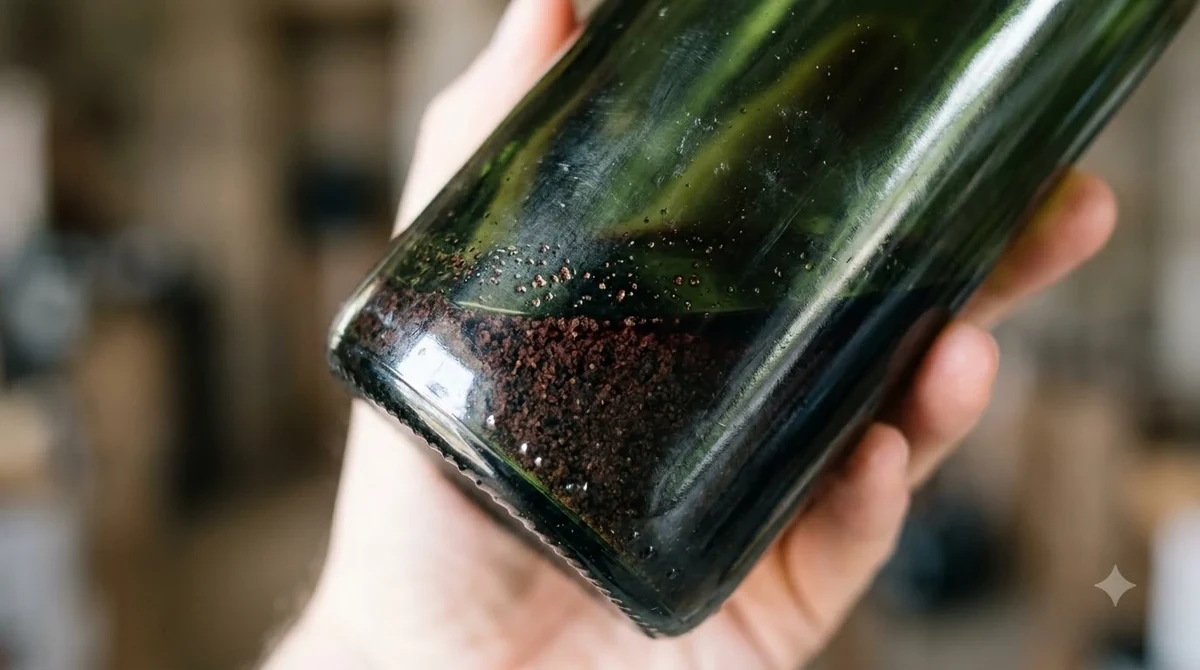
Because wine is naturally acidic and contains sulfur dioxide as a preservative, bare aluminum would quickly corrode and spoil the liquid. To prevent this, beverage can manufacturers coat the inside of every wine can with a specialized food-grade polymeric liner—often thicker than the barrier used for beer or soda. According to research published by the Australian Wine Research Institute and academic enology journals, this barrier keeps the wine from reacting with the metal wall while sealing out light and ambient oxygen.
Packaging wine in aluminum requires careful cellar adjustments right before filling. Winemakers typically keep free and molecular sulfur dioxide levels slightly lower than they would for glass bottles because the sealed aluminum environment lets virtually zero oxygen enter after sealing. When free sulfites are too high or the wine’s pH is unusually low, sulfur compounds can migrate through microscopic imperfections in the liner and react with aluminum to create hydrogen sulfide, a fault that smells like struck matches or rotten eggs.
A Brief History of Wine in a Can
Although canned wine feels like a modern trend, commercial attempts to put wine in metal cans began in the United States in 1936, just one year after canned beer debuted. Early experiments struggled because mid-century tin and steel cans lacked stable interior coatings, causing the acidic wine to corrode the seams and develop off-flavors within weeks.
Throughout the 1950s and 1980s, wineries in California, Italy, and the United Kingdom revisited the format with varying degrees of success, including early sparkling wine cans produced in Italy in 1982. The modern breakthrough arrived in the late 1990s and early 2000s when Australian winemakers developed specialized protective liners and atmospheric canning techniques capable of keeping table wine stable on retail shelves.
Japanese consumers were among the first to embrace the revitalized format in the early 2000s, already accustomed to high-quality beverages sold in aluminum cans. By the mid-2010s, craft wineries in Oregon, California, and New York began releasing single-varietal canned wines, shifting consumer perception from cheap spritzers to serious Wine by Type selections crafted by respected vintners.
Common Can Sizes and Standard Bottle Equivalents
Canned wine is sold in three primary volume formats—250 ml, 375 ml, and 500 ml—each corresponding to a specific fraction of a standard 750 ml glass bottle. Understanding these measurements makes it easy to gauge alcohol intake and plan servings for a dinner or outdoor gathering.
| Can Size | Fluid Ounces | Standard 5 oz Glasses | 750 ml Bottle Equivalent | Typical Format |
|---|---|---|---|---|
| 250 ml | 8.4 oz | About 1.67 glasses | One-third of a bottle | Sold in 4-packs (equals 1.33 bottles) |
| 375 ml | 12.7 oz | 2.5 glasses | Half bottle (demi) | Sold individually or in 2-packs |
| 500 ml | 16.9 oz | About 3.34 glasses | Two-thirds of a bottle | Sold individually as a tallboy |
The 250 ml slim can is the most widespread format on retail shelves, usually bundled in four-packs that equal one and one-third standard bottles of wine. Because a single 250 ml can holds just over one and a half standard pours, it works well when one person wants a glass of white with dinner without leaving an open bottle on the counter.
The 375 ml size mirrors the classic half-bottle format and matches the volume of a standard American soda or craft beer can. As Wine Folly’s guide to wine in a can notes, this size yields two and a half pours, making it ideal for sharing between two people at a picnic. Larger 500 ml “tallboy” cans hold two-thirds of a full bottle and are frequently used by West Coast producers for single-vineyard Pinot Noir, Pinot Gris, and dry rosé.
Wine Styles and Grapes That Shine in Cans
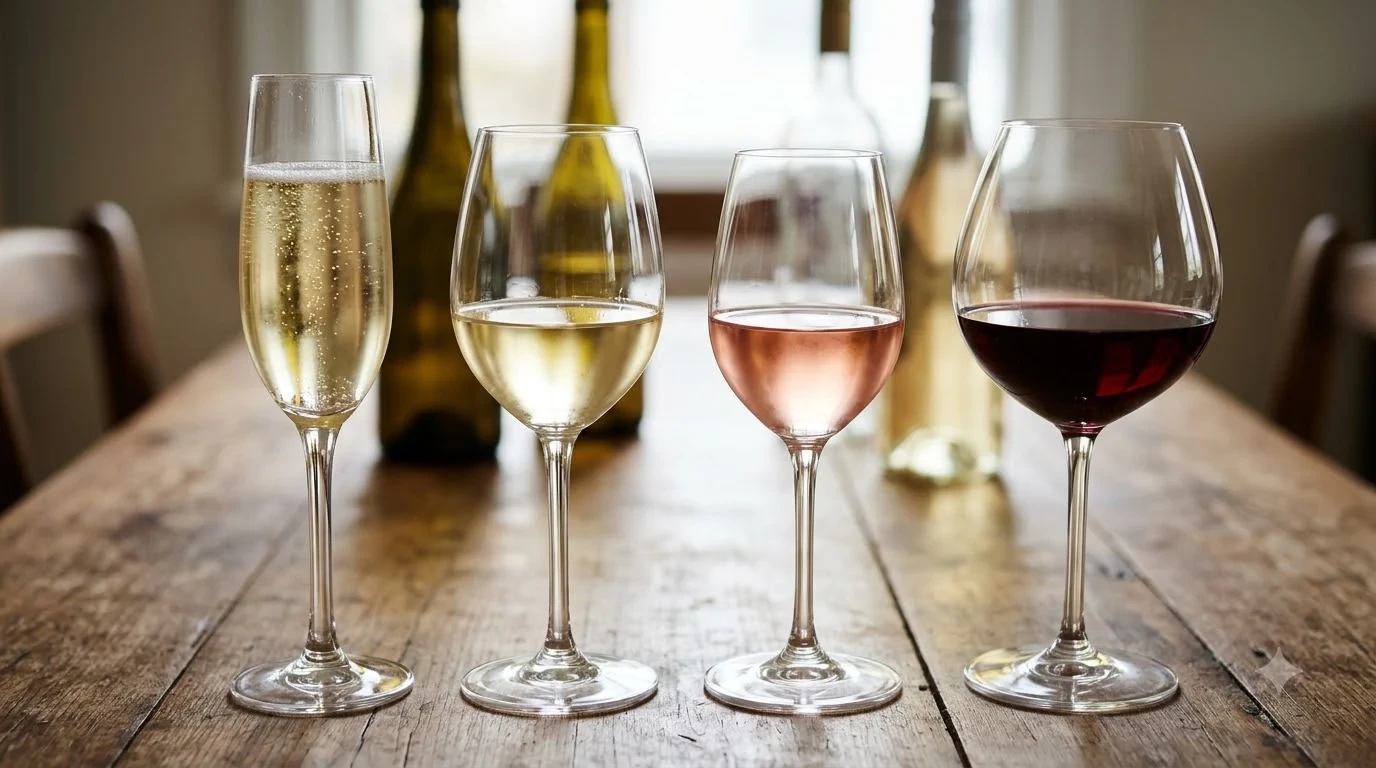
Crisp, aromatic, and unoaked styles perform best in aluminum cans because the airtight vessel preserves bright primary fruit and zippy acidity without oak-driven complexity. Sparkling wines, dry rosés, and stainless-steel-fermented whites dominate the category, though light-to-medium-bodied reds have gained a strong following.
White and sparkling varieties lead canned production because they are meant to be consumed young and chilled. Grapes with high natural acidity and vibrant aromatics—such as Sauvignon Blanc, Pinot Gris, Riesling, Grüner Veltliner, and unoaked Chardonnay—retain their fresh citrus and orchard-fruit character inside a can. Crisp Iberian and Mediterranean whites, such as arinto wine or neutral blending varieties like the airen grape, also fit the fresh, unoaked profile that thrives in airtight aluminum packaging.
Dry rosé and skin-contact orange wines are natural matches for canning, offering berry, melon, and floral notes that stay lively without oxygen exposure. On the red side, winemakers favor fruit-forward, lower-tannin grapes such as Pinot Noir, Gamay, Grenache, Barbera, and carbonic-macerated Malbec. Sweet and lightly sparkling red styles made from aromatic varieties like the brachetto grape also translate well to small-format cans. Heavily oaked, high-tannin reds like young Cabernet Sauvignon are rarely canned, as they rely on gradual micro-oxygenation through a cork to soften their structure over many years.
How to Store, Chill, and Serve Canned Wine
Canned wine should be stored in a cool, dark place, consumed within 12 to 18 months of packaging, and served chilled—preferably poured into a glass rather than sipped straight from the aluminum rim. Because aluminum conducts heat rapidly, cans chill in an ice bucket or refrigerator in roughly half the time required for thick glass bottles.
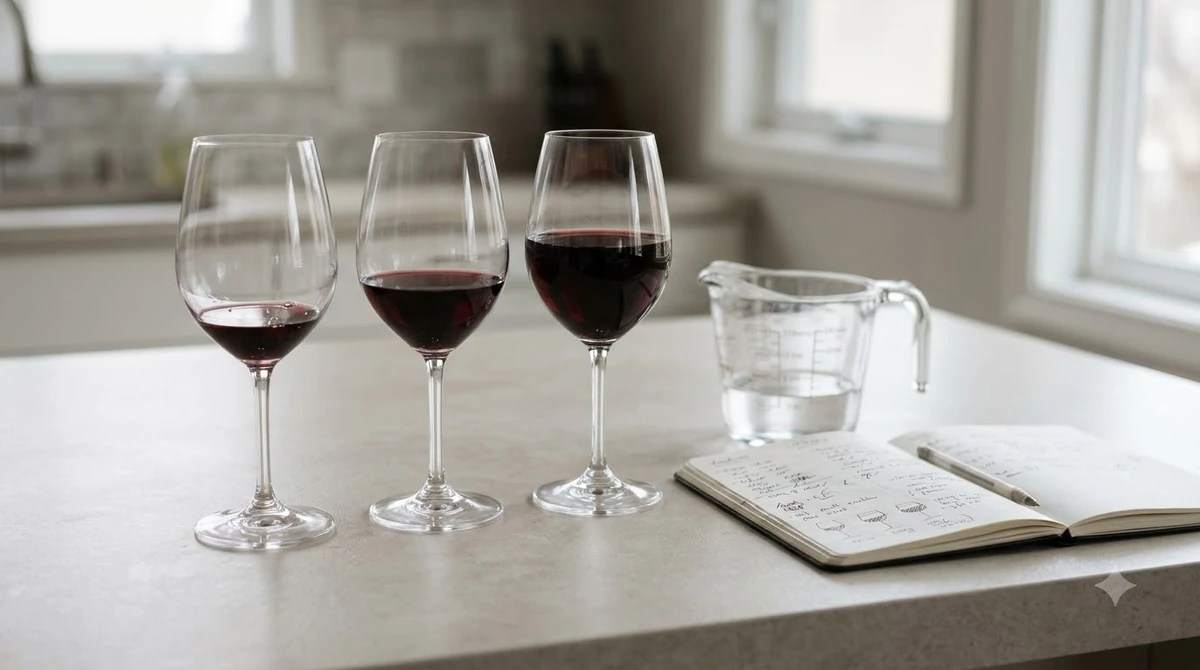
While drinking straight from the tab is convenient at a campsite or beach, reviewers at Wine Folly and VinePair’s canned wine tasting panel emphasize that pouring canned wine into a glass dramatically improves the drinking experience. Sipping through a small metal opening traps volatile aromas and can make a complex wine taste flat or one-dimensional. Pouring into a stemmed glass—or an unbreakable outdoor tumbler—allows oxygen to open up the fruit and floral notes.
Temperature also plays a major role in how canned wine tastes. Sparkling, white, and rosé cans show best well-chilled between 40°F and 50°F, while light canned reds benefit from a light cellar chill around 55°F to 60°F rather than warm room temperature. Unlike vintage bottled wines, canned wines are not built for cellar aging; high heat above 75°F can accelerate liner wear, so keep cans in a cool pantry or fridge and enjoy them fresh.
Tip: Even when you are outdoors without glassware, pouring canned wine into a wide-mouth stainless steel tumbler or camping mug releases aromas that stay trapped when sipping directly through the narrow can tab.
Environmental Impact and Practical Advantages
Aluminum wine cans generate significantly lower transportation emissions than glass bottles and deliver much higher real-world recycling rates. A standard empty 750 ml glass bottle weighs roughly one pound on its own, whereas three 250 ml aluminum cans holding the exact same volume of wine weigh less than two ounces combined.
That weight difference translates directly into lower fuel consumption during shipping from winery to distributor to retail shelf. Aluminum cans also pack more efficiently into rectangular cases with far less wasted space and protective cardboard dividers than cylindrical glass bottles. According to producer sustainability data cited by VinePair, switching from glass to aluminum can reduce the packaging portion of a winery’s carbon footprint by more than half.
Beyond shipping efficiency, aluminum is infinitely recyclable without losing material quality, and municipal recycling programs recover aluminum beverage cans at higher rates than colored glass. Combined with zero risk of broken glass around swimming pools, boats, parks, and hiking trails, the practical case for canned wine extends well beyond simple novelty.
Frequently Asked Questions
Does canned wine taste like metal?
No, properly made canned wine does not taste like metal. Every wine can is coated on the inside with a tasteless, food-grade polymeric liner that keeps the wine completely separated from the aluminum wall. If a canned wine ever tastes slightly flat, it is usually because drinking straight from the narrow tab blocks your sense of smell, which pouring into a glass immediately fixes.
How long does canned wine last before it goes bad?
Unopened canned wine stays fresh for about 12 to 18 months when stored in a cool, dark place below 70°F. Unlike fine bottled reds, canned wine is not meant for multi-year cellar aging because prolonged storage or high heat can eventually degrade the interior liner. Once opened, still canned wine stays fresh in the refrigerator for two to three days, while sparkling cans are best finished the same day.
Is canned wine lower quality than bottled wine?
Not necessarily—canned wine is made from the exact same grapes and fermentation methods as bottled wine, and quality depends entirely on the producer. While mass-market brands fill cans with simple bulk blends, hundreds of respected family wineries and sommelier-led labels now package single-vineyard, organic, and sustainably farmed wines in cans. Checking the label for a specific vintage, grape variety, and region is the best way to spot higher-craft cans.
Can you put canned wine in the freezer to chill it fast?
You can place a wine can in the freezer for 15 to 20 minutes for a quick chill, but never leave it unattended. Because wine is mostly water, liquid expands as it freezes and can burst the aluminum seams or pop the top tab. Submerging the can in a bowl of ice water with a pinch of salt chills it just as fast in about 10 minutes with zero risk of explosion.
Whether you are packing light for a weekend trail hike or simply want a single glass of crisp white wine on a Tuesday evening, canned wine delivers genuine cellar quality without the commitment of a full bottle. Pouring your favorite variety into a proper glass at the right serving temperature lets the wine’s true character shine through every time.
More in Wine Types & Grapes
 Zinfandel Sugar Content: Dry Red vs. White Zinfandel GramsUpdated Nov 21, 2026
 Best Zinfandel Substitute Options for Sipping and CookingUpdated Nov 21, 2026
 Zweigelt Food Pairing: Best Dishes, Cheeses, and Serving TipsUpdated Nov 21, 2026
 Zinfandel Tannins Explained: How Structure Shapes Every BottleUpdated Nov 21, 2026
 Zinfandel Sweetness Level: Dry Red vs. Sweet White Zin ExplainedUpdated Nov 21, 2026
 Xinomavro Food Pairing: Best Dishes, Styles, and Serving TipsUpdated Nov 21, 2026