

We may earn a commission when you buy through links on this page, at no extra cost to you. Learn more.
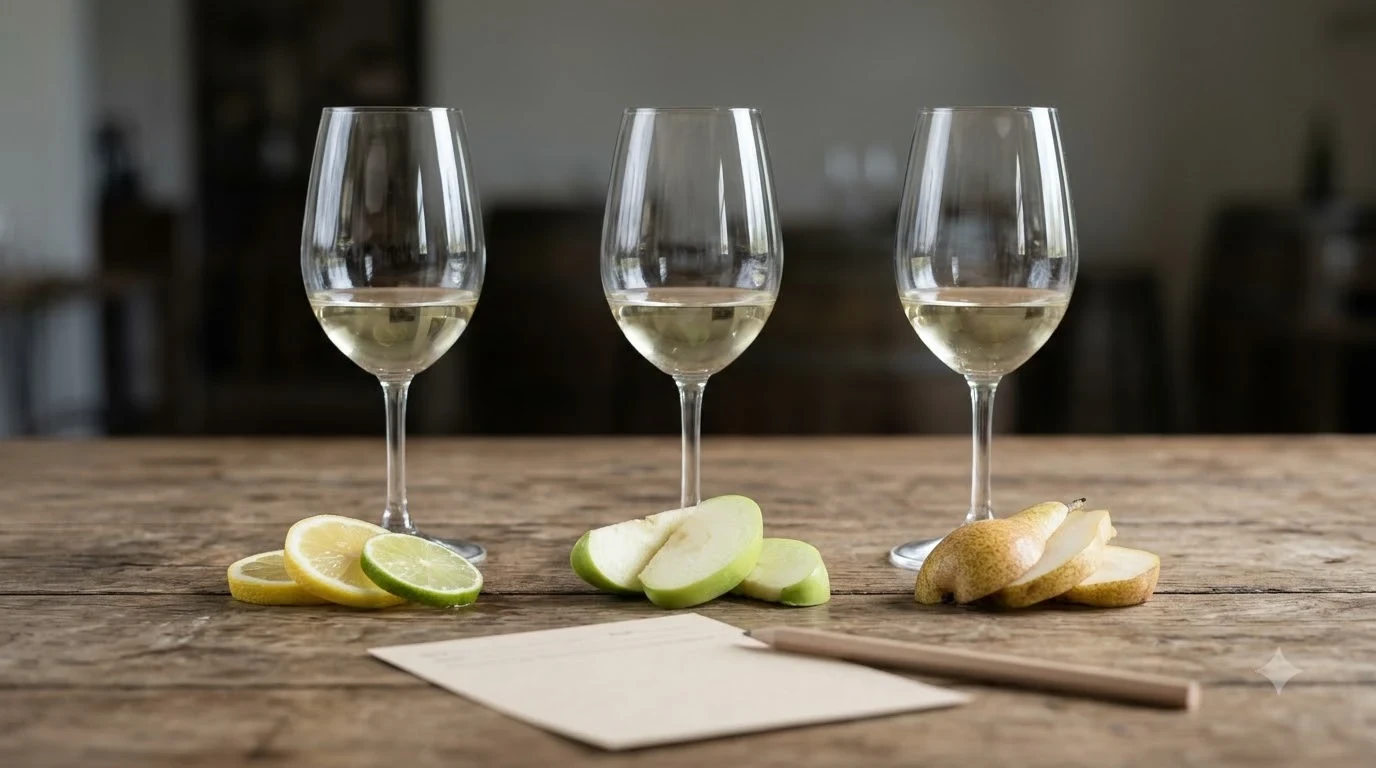
If you are wondering what is fiano, it is an ancient white wine grape native to the Campania region of southern Italy that produces richly textured, aromatic dry white wines. Known for its signature notes of honeydew melon, Asian pear, orange peel, white flowers, and toasted hazelnut, it balances a waxy, medium-to-full body with bright natural acidity. While its benchmark expression comes from the Fiano di Avellino DOCG in Italy, the variety also thrives in Sicily, Puglia, and warm regions of Australia and California.
Pronounced fee-AHN-no, this southern Italian grape sits in a rare sweet spot for white wine drinkers who want more weight than Pinot Grigio without the heavy oak influence often found in Chardonnay. Because its thick-skinned berries hold onto crisp acidity even under intense Mediterranean sunshine, Fiano feels both generous on the mid-palate and energetic on the finish.
What Is Fiano?
Fiano is an indigenous southern Italian white grape variety with roots stretching back to the Roman era, prized for creating structured, age-worthy white wines that bridge the gap between crisp aromatic whites and full-bodied, savory bottlings.
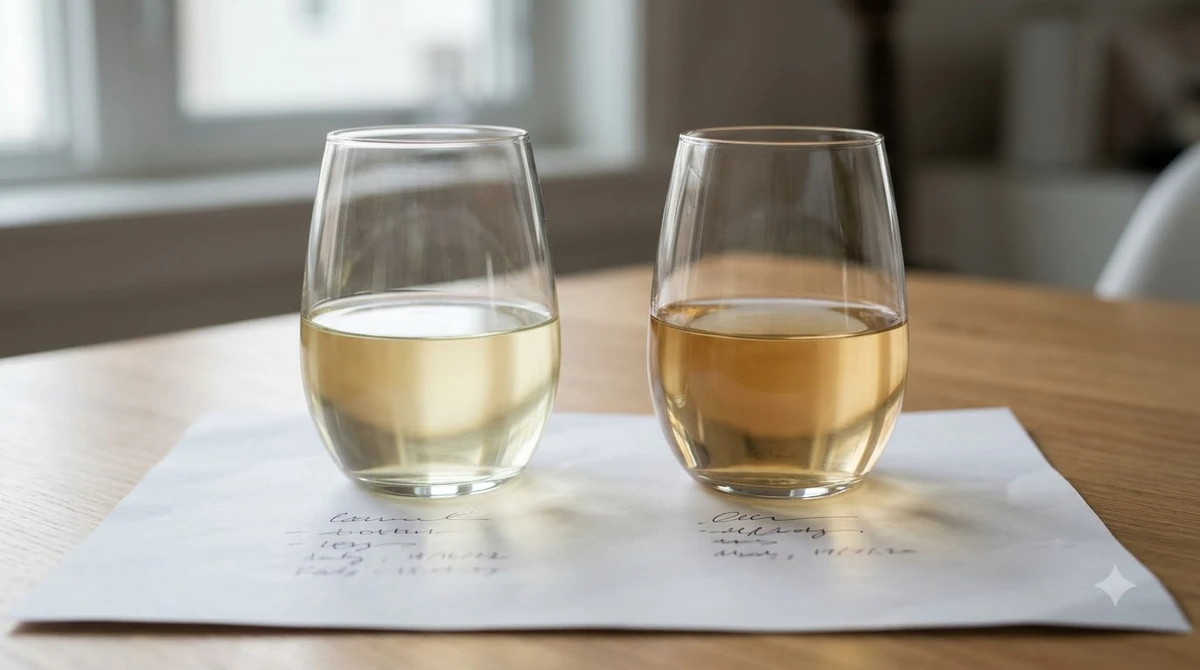
The grape’s history in Campania is closely tied to its ancient Latin nickname, Vitis apiana, which translates to “vine of the bees.” According to wine historians and Wine Folly’s comprehensive guide to Fiano, the name comes from the sweet, heady fragrance of the ripening berries, which reliably attracted swarms of bees in the vineyard before harvest. Despite that ancient popularity, Fiano nearly disappeared in the mid-twentieth century as growers ripped out low-yielding native vines in favor of higher-producing varieties, only to be rescued by dedicated Campanian estates like Mastroberardino in the decades that followed.
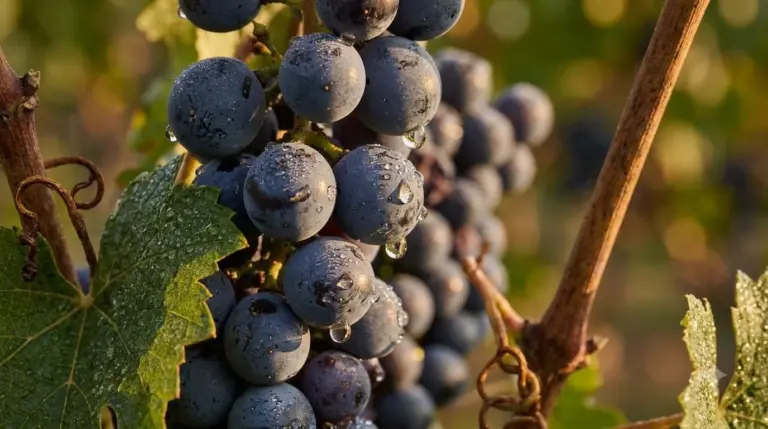
From a viticultural standpoint, Fiano is built to handle warmth without losing its backbone. The vines produce small, thick-skinned berries in loose clusters, naturally limiting yields and concentrating flavor compounds inside each grape. Even when grown in sunny, southern latitudes, Fiano retains moderate-to-high natural acidity alongside significant dry extract, giving the finished wine a distinctive, slightly waxy mouthfeel. Most bottles sit between 11.5% and 13.5% ABV, keeping the alcohol moderate while the texture carries the weight of the wine.
Within the broader landscape of Wine by Type, Fiano falls squarely into the dry, medium-to-full-bodied white category, though rare sparkling and sweet versions do exist locally in Italy. Unlike many warm-climate whites that rely on new oak barrels for richness, Fiano achieves its plush presence naturally, allowing winemakers to ferment and age it primarily in stainless steel while still delivering remarkable depth.
Flavor Profile and Winemaking Styles
Fiano is celebrated for a layered aromatic profile that combines orchard fruit, citrus zest, and wildflowers with an unmistakable savory streak of toasted hazelnut and flinty smoke.
In a young bottle, the primary aromas jump out immediately with honeydew melon, Asian pear, yellow apple, white peach, and fresh orange peel, lifted by scents of honeysuckle and jasmine. Beneath that bright fruit sits a subtle pine resin and herbal quality alongside a signature nutty finish that sets Fiano apart from other Mediterranean whites. For a closer look at how these aromas evolve in the glass, our breakdown of fiano tasting notes covers the full spectrum from primary fruit to tertiary bottle development.
To preserve that delicate floral lift and saline minerality, most producers in Campania vinify Fiano exclusively in stainless steel tanks and hold the wine on its fine lees for several months. Lees contact enhances the grape’s natural creamy, waxy texture without masking its regional character. A smaller number of winemakers experiment with neutral oak barrels, amphorae, or brief skin contact to amplify the wine’s phenolic grip and spicy, nutty undertones, creating richer styles aimed at the dinner table.
One of Fiano’s most compelling traits is its ability to age gracefully in the cellar, often for five to ten years or longer in top vintages. As reviewers at Wine Enthusiast note in their profile of Campania’s rising star, even stainless-steel-aged Fiano from Irpinia can evolve for a decade, trading youthful pear and citrus notes for complex layers of acacia honey, beeswax, dried herbs, and smoky toasted hazelnuts.
Where Fiano Grows Best
Campania’s mountainous Irpinia sub-region remains the spiritual and qualitative home of Fiano, though the grape has found welcoming volcanic and coastal terroirs across southern Italy, Australia, and the United States.
The benchmark appellation is Fiano di Avellino DOCG, located inland from Naples in the rugged hills of Irpinia. Vineyards here sit at higher elevations, often climbing hundreds of meters above sea level, where cool night temperatures slow ripening and lock in vibrant acidity. The soils are a complex patchwork of volcanic ash, clay, limestone, and sandstone left behind by ancient eruptions of Mount Vesuvius and Mount Vulture, imparting a pronounced smoky, flinty minerality to the wines.
Elsewhere in southern Italy, Fiano plays an increasingly important role in Sicily and Puglia. In Sicily, warm coastal breezes and calcareous soils yield Fiano wines that feel broader, sunnier, and slightly more tropical, often highlighting ripe melon, tangerine, and sea-salt salinity. In Puglia, the grape brings welcome freshness and aromatic lift to a region better known for powerful red wines.
Outside Italy, Australian winemakers in McLaren Vale, Clare Valley, and Adelaide Hills have embraced Fiano since the early 2000s as an ideal match for a warming climate. Australian Fiano retains its bright citrus and stone-fruit core while showing a crisp, refreshing finish suited to warm-weather drinking. Small plantings have also taken root in California, particularly in Paso Robles and Mendocino, where growers prize its drought tolerance and ability to hold acidity under California sun.
| Region | Climate and Soil | Signature Wine Style | Aging Potential |
|---|---|---|---|
| Fiano di Avellino DOCG (Campania, Italy) | High-altitude hills; volcanic ash, clay, and limestone | Linear, floral, smoky, flinty minerality with toasted hazelnut | 5 to 10+ years |
| Sicily (Italy) | Warm Mediterranean coast; limestone and sandy clay | Riper melon, tangerine, softer acidity, saline finish | 2 to 5 years |
| McLaren Vale & Clare Valley (Australia) | Warm, dry maritime and continental; varied loam and slate | Crisp citrus, stone fruit, subtle nuttiness, vibrant acidity | 3 to 6 years |
| California (Paso Robles & Mendocino) | Warm days with cool coastal nights; alluvial and volcanic soils | Rich orchard fruit, honeyed texture, balanced citrus lift | 3 to 5 years |
How to Serve and Store Fiano
Fiano shows its full aromatic range when served slightly warmer than a crisp Sauvignon Blanc, between 45°F and 55°F (7°C to 12°C), in a standard white wine glass.
Pulling a bottle straight from a standard kitchen refrigerator at roughly 38°F will mute Fiano’s delicate honeysuckle, pear, and hazelnut aromatics, making the wine feel closed off and overly sharp. Letting the bottle rest on the counter for about 15 to 20 minutes before pouring allows the temperature to climb into that ideal 45°F to 55°F window, where the waxy mid-palate softens and the floral bouquet opens up. If you are pouring an older vintage or a richer, lees-aged single-vineyard bottling, serving closer to 52°F to 55°F brings out its savory, nutty complexity.
Decanting is generally unnecessary for young Fiano, as swirling in a standard tulip-shaped white wine glass provides plenty of oxygen to coax out the fruit and herbal notes. For bottles with five or more years of age, however, 20 minutes of gentle air in a decanter can blow off any slight reductive flintiness and reveal the deeper honeyed tones underneath. Store unopened bottles on their side in a cool, dark place around 55°F, and keep opened bottles sealed with a wine stopper in the refrigerator for up to three days.
Tip: If a young Fiano di Avellino smells faintly of struck match or smoke right after opening, give the glass a vigorous swirl—that volcanic reduction quickly blows off to reveal sweet pear and toasted hazelnut underneath.
Food Pairing Ideas for Fiano
Because Fiano combines bright acidity with a weighty, textured palate and nutty undertones, it is one of the most versatile food-pairing white wines in the Italian repertoire.
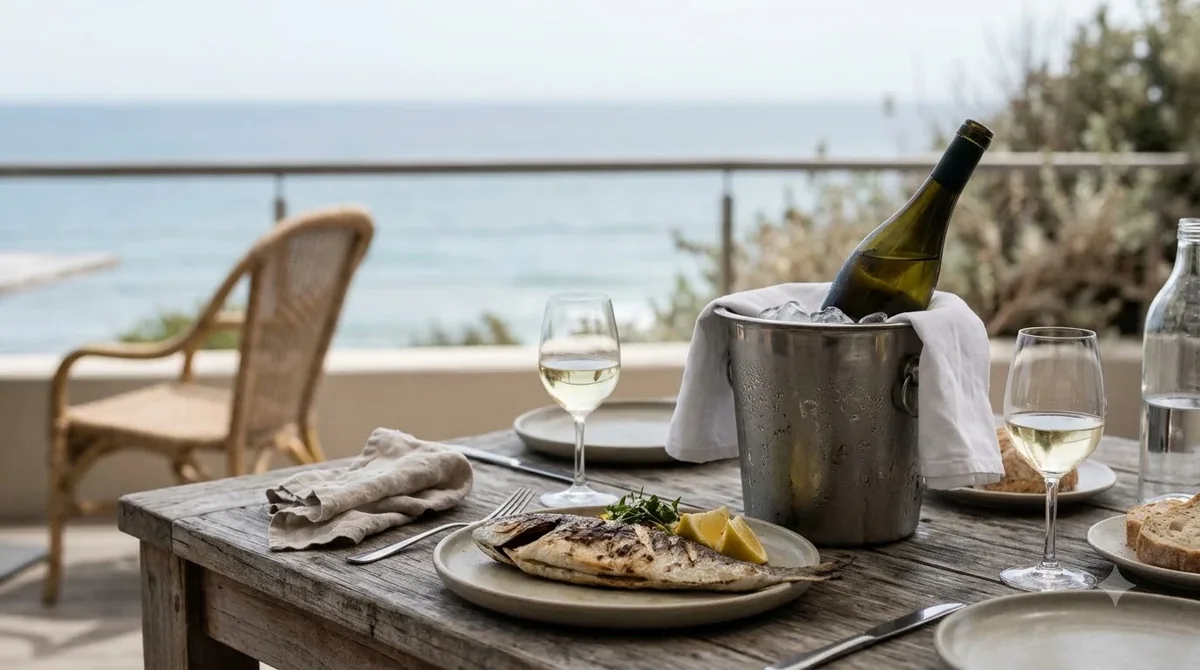
Seafood is a natural starting point, especially dishes with richness, salt, or browned edges that would overwhelm a lighter white wine. Fiano’s saline minerality and citrus zest cut cleanly through seared sea scallops, grilled branzino, garlic shrimp, and classic linguine alle vongole (clams in white wine and olive oil). It also handles oily fish like soy-glazed salmon or roasted swordfish with ease, using its natural extract to match the richness of the fish without clashing.
Poultry, pork, and vegetarian dishes built around herbs, nuts, and creamy textures also shine alongside Fiano. Roast chicken seasoned with rosemary, thyme, and lemon mirrors the wine’s herbal and citrus notes, while pork tenderloin with roasted apples plays directly into its orchard-fruit core. For meatless meals, try Fiano with wild mushroom risotto, butternut squash ravioli in brown butter and sage, or aged sheep’s milk cheeses like Pecorino, where the wine’s toasted hazelnut finish echoes the savory nuttiness of the dish.
How to Choose a Bottle of Fiano
Reading the front label for appellation names, vineyard elevations, and oak treatment makes it easy to pick a Fiano tailored to your palate.
If you want the classic, mineral-driven benchmark with high aging potential, look for the words Fiano di Avellino DOCG on the label. Within this appellation, villages such as Lapio, Summonte, and Montefredane are widely respected for producing structured, aromatic bottlings from high-elevation vineyards. If you prefer a rounder, sunnier expression ready to drink right away, look for bottles labeled Terre Siciliane IGT from Sicily or single-varietal Fiano from South Australia’s McLaren Vale.
Checking the vintage and back-label winemaking notes also helps narrow down the style. Drink bottles that are one to three years old for vibrant honeydew, lime, and floral energy, or seek out four- to seven-year-old releases from reputable Campanian producers if you want deeper beeswax, honey, and toasted nut complexity. Unless the back label specifically mentions barrel fermentation, you can expect a clean, stainless-steel-aged wine driven by pure fruit and texture. Readers curious about how dry different styles actually feel on the palate can explore our guide on is fiano sweet or dry before picking their next bottle.
Frequently Asked Questions
Is Fiano a sweet or dry white wine?
Fiano is almost always vinified as a crisp, bone-dry white wine. Its ripe orchard fruit, honeydew melon, and floral aromas can give an impression of sweetness on the nose, but the palate finishes dry, savory, and refreshing. Rare sweet dessert styles exist locally in southern Italy, though they seldom appear in US wine shops.
What does Fiano taste like compared to Pinot Grigio or Chardonnay?
Fiano is noticeably fuller, more aromatic, and more textured than standard Pinot Grigio, offering layers of pear, melon, wildflowers, and toasted hazelnut. Compared to oaked Chardonnay, Fiano delivers similar mid-palate weight and richness without vanilla or butter flavors from new oak barrels, relying instead on natural grape extract and bright citrus acidity. You can read a fuller flavor comparison in our guide to what does fiano taste like.
How do you pronounce Fiano?
Fiano is pronounced “fee-AHN-no,” with the stress on the middle syllable. When ordering its flagship Italian appellation, Fiano di Avellino, pronounce it “fee-AHN-no dee ah-vel-LEE-no.”
Can you age Fiano wine?
Yes, high-quality Fiano—especially from the Fiano di Avellino DOCG—is one of Italy’s most age-worthy white wines. Well-made bottles easily develop in the cellar for five to ten years, evolving from bright citrus and pear into rich notes of acacia honey, beeswax, dried herbs, and smoky hazelnut.
Whether you uncork a youthful bottle from Sicily for a weeknight seafood dinner or cellar a single-vineyard Fiano di Avellino for a special occasion, this historic grape offers remarkable character in every glass. Once you experience how effortlessly it balances floral perfume, waxy texture, and crisp volcanic acidity, Fiano quickly earns a permanent spot in any white wine rotation.
More in Wine Types & Grapes
 What Is Godello? Guide to Spain’s Crisp Mineral White WineUpdated Nov 21, 2026
 What Is Garganega? Meet the Italian White Grape Behind SoaveUpdated Nov 21, 2026
 What Is Furmint? A Guide to Hungary’s Versatile White GrapeUpdated Nov 21, 2026
 What Is Friulano? A Guide to Italy’s Savory White WineUpdated Nov 21, 2026
 What Is Canned Wine? Styles, Sizes, and How to Serve ItUpdated Nov 21, 2026
 What Is Cortese? The Crisp Italian Grape Behind Gavi WineUpdated Nov 21, 2026