

We may earn a commission when you buy through links on this page, at no extra cost to you. Learn more.
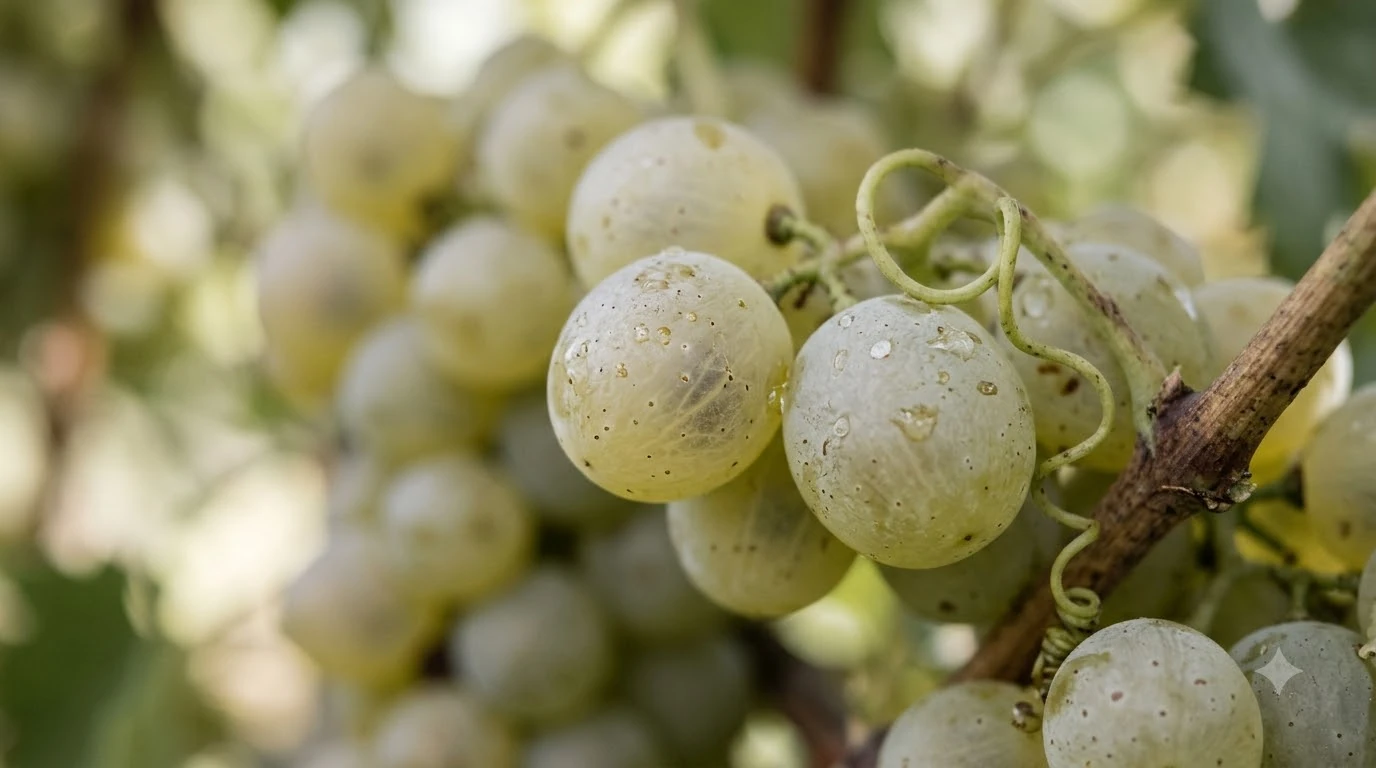
If you are wondering what is furmint, it is a late-ripening white wine grape native to Hungary that serves as the backbone of legendary Tokaji Aszú dessert wines while also producing crisp, mineral-driven dry whites. Related to Chardonnay and Riesling through the ancient parent grape Gouais Blanc, Furmint combines electric acidity with surprising palate weight. Today, winemakers across Central Europe bottle it in styles ranging from bone-dry table wines and sparkling cuvées to rich, botrytis-affected sweet wines.
For centuries, wine lovers knew Furmint almost exclusively through sweet Hungarian wines prized by European royalty. A major shift began in 2000 when Hungarian vintners started fermenting healthy, unbotrytized bunches completely dry, revealing a white wine with the linear precision of Riesling and the textural depth of white Burgundy. Learning how this grape behaves in the vineyard and the glass helps you pick the exact style you want on your table.
What Is Furmint?
Furmint is an indigenous Central European white grape variety belonging to the Vitis vinifera species, cultivated primarily in Hungary’s Tokaj-Hegyalja region since at least 1571. Ampelographers trace its parentage to Gouais Blanc, linking it genetically to both Riesling and Chardonnay.

In the vineyard, the furmint grape buds early and ripens late, giving it a long growing season to build flavor complexity while retaining high natural tartaric acid. Its thin skins are remarkably susceptible to Botrytis cinerea—known as noble rot—under the misty autumn conditions created where the Bodrog and Tisza rivers meet. When noble rot sets in, the berries shrivel and concentrate their sugars, acids, and aromatics into tiny, raisined nuggets called aszú berries.
When autumn stays dry and warm, those same thin-skinned berries ripen cleanly without botrytis. Winemakers harvest the healthy fruit to craft dry table wines that showcase volcanic soil character rather than honeyed sweetness. Because Furmint possesses hundreds of distinct clones across Hungary, growers can select biotypes tailored to steep volcanic slopes, cooler exposures, or late-harvest sweetness.
Flavor and Styles
Furmint spans the entire sweetness spectrum, offering bright orchard fruit and smoky minerality in dry bottlings alongside intense ginger, saffron, and marmalade notes in sweet styles. Regardless of residual sugar, piercingly high acidity remains the signature thread running through every glass.
| Furmint Style | Sweetness Level | Typical ABV | Core Tasting Notes | Aging Potential |
|---|---|---|---|---|
| Dry Furmint (Száraz) | Bone-dry to off-dry | 12% to 14% | Meyer lemon, green apple, white peach, ginger, crushed stone | 5 to 10+ years |
| Sparkling Furmint (Pezsgő) | Brut Nature to Brut | 11.5% to 12.5% | Tart green pear, lemon zest, brioche, chalky minerality | 3 to 7 years |
| Late Harvest (Késői Szüret) | Medium-sweet | 11% to 13% | Ripe apricot, mango, honeyed citrus, white blossoms | 5 to 12 years |
| Tokaji Aszú | Lusciously sweet | 10% to 12% | Candied orange peel, saffron, dried fig, ginger, toasted nuts | 20 to 50+ years |
According to Wine Folly, young dry Furmint delivers primary flavors of Meyer lemon, green apple, fresh ginger, and subtle smoke. Winemakers can shape that raw energy in two distinct directions. Stainless-steel fermentations emphasize razor-sharp citrus, green pear, and wet stone, whereas aging in Hungarian oak barrels adds roundness, toasted spice, and a creamy mid-palate texture that appeals to fans of Chablis or white Burgundy.
With five to ten years in a cool cellar, dry Furmint undergoes a dramatic transformation. Sharp citrus softens into quince paste, baked apple, and toasted hazelnut while developing a savory, petrol-like complexity similar to aged Riesling. On the sweet side, Tokaji Aszú macerates botrytized aszú berries in dry base wine, producing an amber-gold elixir balanced by vibrant acidity so it never feels cloying. Explorers browsing Wine by Type will rarely find another white variety capable of spanning brisk aperitif duty and multi-decade dessert aging so effortlessly.
Where It Grows
Hungary dominates global Furmint production, accounting for the vast majority of the roughly 3,700 to 4,000 hectares planted worldwide, with smaller pockets thriving in neighboring Austria and Slovenia. Within Hungary, more than 90 percent of plantings sit in the historic Tokaj-Hegyalja region in the northeast.
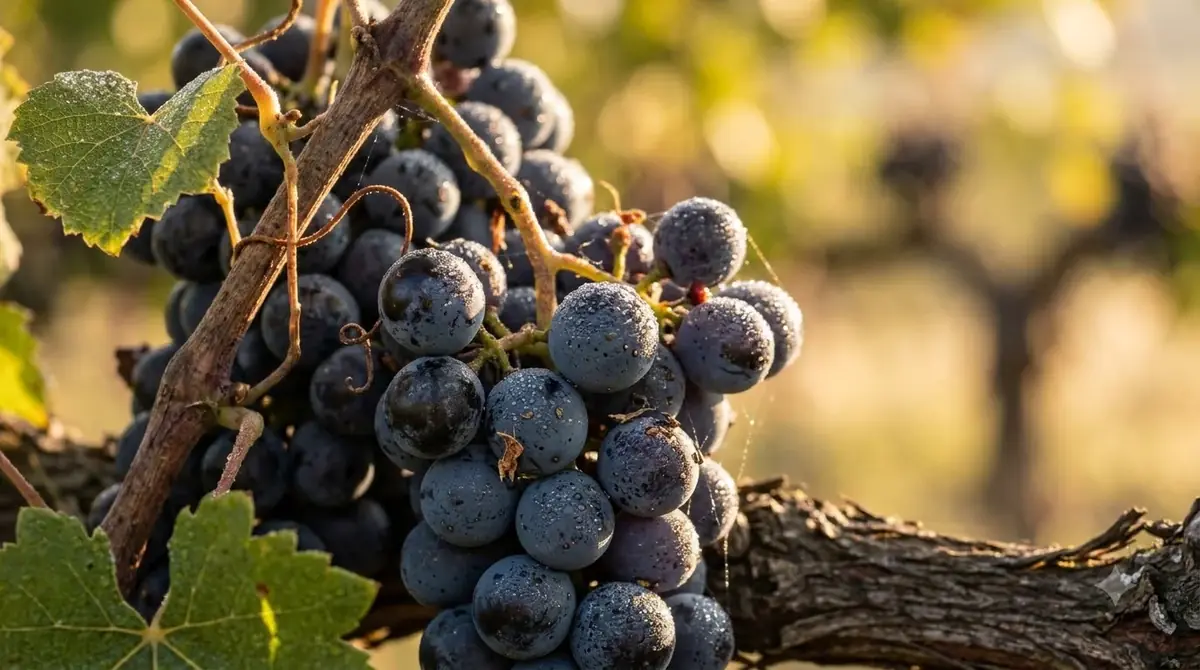
Tokaj’s terroir is defined by extinct volcanoes that left behind rhyolite tuff, zeolite, and clay soils beneath a protective mountain range. Morning mists rising from the Bodrog and Tisza rivers encourage autumn noble rot, while sunny afternoons allow late-ripening clusters to achieve full phenolic maturity. Villages such as Mád, Tarcal, and Tolcsva have earned particular acclaim for single-vineyard dry Furmint that reflects subtle shifts in volcanic bedrock.
Outside Tokaj, Hungary’s tiny volcanic hill of Somló produces intensely salty, austere Furmint from basalt-rich soils. Across the border in Austria’s Burgenland—especially around Rust—the grape goes by the local name Mosler and anchors traditional Ruster Ausbruch sweet wines alongside crisp dry whites. In Slovenia’s Haloze and Štajerska hills, winemakers bottle it as Šipon, crafting alpine-influenced whites with brisk herbal lift, while Croatia knows the variety as Moslavac.
How to Serve Furmint
Serve dry and sparkling Furmint well chilled to highlight their brisk acidity, and pour sweet Tokaji Aszú slightly warmer so its complex aromatics can unfurl. Choosing the right glassware also helps channel the wine’s intense citrus and mineral bouquet.
Aim for 45°F to 50°F (7°C to 10°C) for stainless-steel dry Furmint and traditional-method sparkling bottles. Barrel-fermented single-vineyard dry bottlings benefit from a slightly gentler chill around 50°F to 54°F (10°C to 12°C), which prevents cold temperatures from muting their subtle oak spice and volcanic texture. Sweet Tokaji Aszú shines between 45°F and 55°F (7°C to 12°C), keeping its rich residual sugar crisp and refreshing.
A standard tulip-shaped white wine glass works reliably for everyday dry pours, while a slightly wider-bowled Riesling or white Burgundy glass gives single-vineyard and aged bottles room to breathe. Unlike fragile aromatic whites such as airen grape bottlings meant for immediate drinking, structured dry Furmint often opens up over several hours in an open bottle or a brief 20-minute decant.
Tip: Look for the Hungarian word száraz on the front or back label when shopping for table wine—it confirms the bottle is fermented dry rather than sweet.
Food Pairing
Furmint’s electric acidity and savory mineral backbone make it a standout partner at the dinner table, cutting through rich fats and matching delicate herbs with ease. Dry bottlings bridge the gap between light seafood whites and fuller-bodied poultry wines.
Pair crisp, unoaked dry Furmint with raw oysters, pan-seared scallops, ceviche, or flaky white fish dressed with lemon and fresh herbs. Its green-apple and ginger notes also stand up remarkably well to aromatic East Asian dishes, including steamed pork dumplings, nigiri sushi, and lightly spiced Thai coconut curries. Much like high-acid Portuguese arinto wine, dry Furmint refreshes the palate after every bite of fried seafood or salted small plates.
Richer, oak-aged dry Furmint handles roasted chicken with browned butter, pork tenderloin with apple compote, and creamy mushroom risotto without losing its edge. When pouring sweet Tokaji Aszú, classic regional pairings include seared foie gras, salty blue cheeses like Roquefort or Stilton, and fruit tarts made with apricot or baked pear.
How to Choose a Bottle
Shopping for Furmint becomes simple once you learn how Hungarian labels signal sweetness, village origin, and vineyard tier. Because the grape appears in both dry and sweet styles under the Tokaji appellation, checking two or three key words on the label prevents any surprises when you pull the cork.
Start by identifying the sweetness indicator. Bottles labeled simply as “Furmint” or “Tokaji Furmint” alongside the term száraz (dry) deliver crisp table wine, whereas félszáraz indicates off-dry and édes signals sweet. If the label reads “Tokaji Aszú” followed by “5 Puttonyos” or “6 Puttonyos,” you are holding a concentrated, botrytis-affected dessert wine.
Next, match the bottle tier to your occasion. Regional blends from respected Tokaj producers such as Disznókő, Oremus, Royal Tokaji, Béres, and Gróf Degenfeld offer bright, approachable fruit ideal for weeknight meals. As reviewers at Wine Enthusiast note, top sommeliers increasingly seek out single-vineyard dry bottlings—look for celebrated vineyard names like Szent Tamás, Úrágya, Mestervölgy, or Öreg Király Dűlő when you want deeper volcanic complexity and cellar potential.
Frequently Asked Questions
Is Furmint always a sweet wine?
No, Furmint is made in both bone-dry and lusciously sweet styles. While it is the primary grape behind sweet Tokaji Aszú dessert wines, roughly two-thirds of Tokaj’s modern production is now fermented completely dry. Checking the label for the word száraz (dry) or looking for “Aszú” tells you immediately which style is inside.
What does dry Furmint taste similar to?
Dry Furmint sits squarely between dry Riesling and unoaked or lightly oaked Chardonnay. It shares Riesling’s high acidity, green apple, and Meyer lemon drive, while delivering the mid-palate weight and subtle spice of Chardonnay. Volcanic soils also add a distinct smoky, wet-stone finish that sets it apart from both grapes.
Why is Furmint known by other names in Austria and Slovenia?
Because Furmint has grown across the former Austro-Hungarian Empire for centuries, each region adopted its own historical name for the vine. In Austria’s Burgenland region it is called Mosler, in Slovenia it is bottled as Šipon, and in Croatia it is known as Moslavac. Genetic testing confirms all of these names refer to the exact same grape variety.
Can you age dry Furmint in a home wine cellar?
Yes, high-quality dry Furmint ages remarkably well thanks to its naturally elevated tartaric acid. Village and single-vineyard bottlings typically develop for 5 to 10 years, trading sharp citrus notes for baked pear, quince, honeyed nuts, and deeper smoky minerality. Sweet Tokaji Aszú bottlings can age gracefully for several decades.
Understanding Furmint opens the door to one of Europe’s most expressive and versatile white wine traditions. Whether you pour a brisk, volcanic dry bottling alongside weeknight seafood or uncork a golden Tokaji Aszú with blue cheese after dinner, this historic Hungarian grape rewards curiosity in every glass.
More in Wine Types & Grapes
 Zinfandel Sugar Content: Dry Red vs. White Zinfandel GramsUpdated Nov 21, 2026
 Best Zinfandel Substitute Options for Sipping and CookingUpdated Nov 21, 2026
 Zweigelt Food Pairing: Best Dishes, Cheeses, and Serving TipsUpdated Nov 21, 2026
 Zinfandel Tannins Explained: How Structure Shapes Every BottleUpdated Nov 21, 2026
 Zinfandel Sweetness Level: Dry Red vs. Sweet White Zin ExplainedUpdated Nov 21, 2026
 Xinomavro Food Pairing: Best Dishes, Styles, and Serving TipsUpdated Nov 21, 2026