
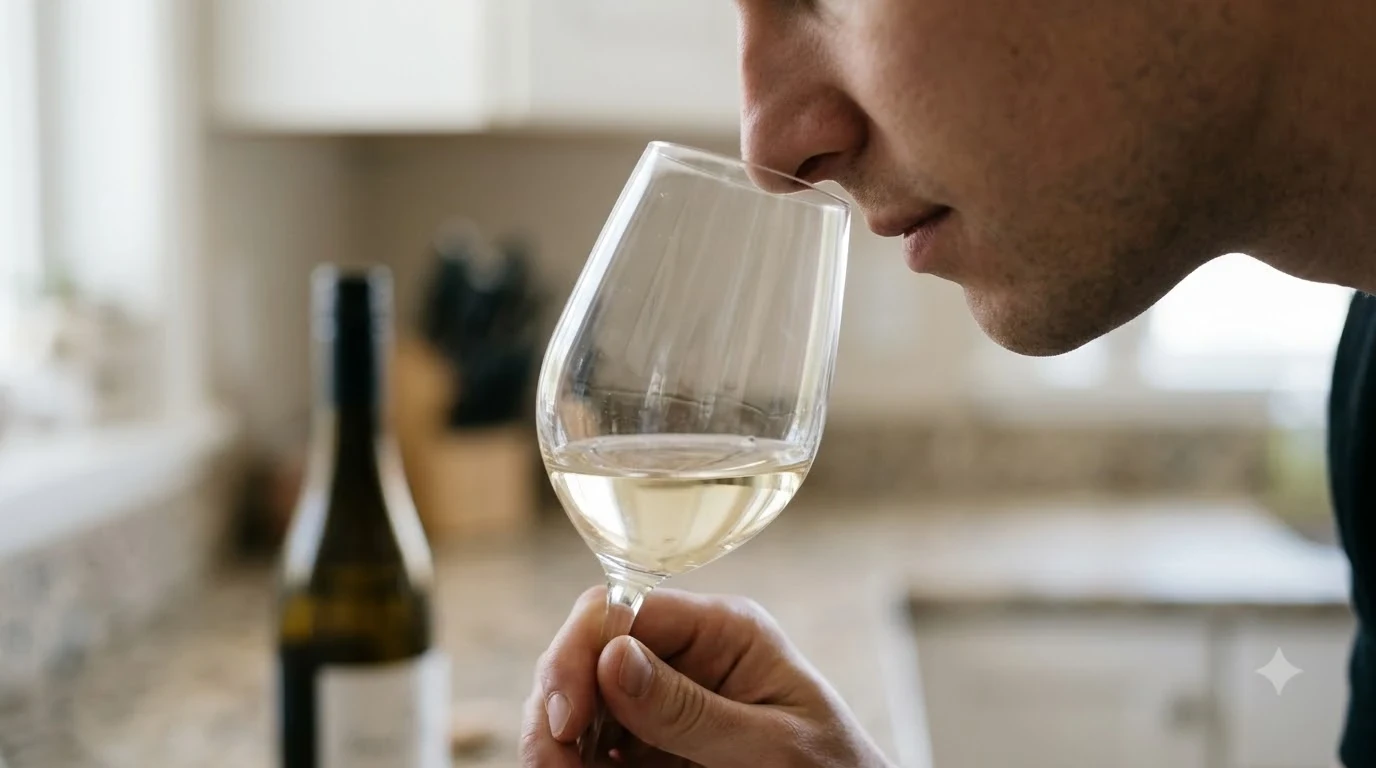

We may earn a commission when you buy through links on this page, at no extra cost to you. Learn more.
If you are wondering what is chardonel, it is a cold-hardy white wine grape created by crossing Chardonnay with Seyval Blanc. Developed at Cornell University’s New York State Agricultural Experiment Station in 1953 and officially released in 1990, this American hybrid delivers the full body and oak-aging potential of Chardonnay while surviving harsh winters across the American Midwest and East Coast. Expect dry, textured white wines showing crisp apple, pear, and citrus notes that gain vanilla, toast, and hazelnut layers when barrel-aged.
For decades, winemakers in states with sub-zero winters struggled to cultivate pure Vitis vinifera Chardonnay without losing vines to frost damage. Plant breeders solved that agricultural bottleneck by pairing Chardonnay with Seyval Blanc, a resilient French-American hybrid. Today, the resulting grape anchors white wine programs from Missouri to Michigan, offering drinkers a compelling regional alternative across the broader spectrum of Wine by Type.
What Is Chardonel?
Chardonel (pronounced shar-doe-NELL) is an interspecific white wine grape hybrid bred specifically to combine classic European wine quality with North American winter durability. Originally cataloged under experimental codes NY 45010 and GW 9 before receiving its formal name, the grape inherits roughly half of its genetic makeup from French Chardonnay and the other half from the multi-species hybrid Seyval Blanc.
In the vineyard, the vine produces medium-large, shouldered clusters of green-skinned berries and exhibits vigorous growth paired with high yields. Crucially, plant researchers at Cornell AgriTech observed that Chardonel features late budbreak, which helps protect fragile spring shoots from late-season frosts, followed by late-season ripening in the autumn. According to vineyard trials documented by the American Society for Horticultural Science, the cultivar demonstrates cold hardiness far superior to standard Chardonnay, withstanding winter temperatures down to roughly minus 10 degrees Fahrenheit.
In the cellar, winemakers prize Chardonel for its natural acidity and structural weight, two traits that allow it to mirror traditional Burgundy or California white winemaking styles. Unlike many early hybrid grapes that carried distinct wild-grape aromatics, Chardonel produces clean, neutral-to-fruity juice with crisp malic acidity. That clean canvas makes it equally suited to bright stainless-steel fermentation, barrel aging on yeast lees, and even traditional-method sparkling wine production.
Flavor Profile and Winemaking Styles
Chardonel produces medium- to full-bodied dry white wines defined by orchard fruit, bright citrus acidity, and a versatile texture shaped heavily by cellar decisions. Unoaked versions highlight fresh pear, green apple, lemon zest, and stone fruit, while barrel-aged bottlings introduce rich layers of toasted vanilla, hazelnut, and warm brioche.
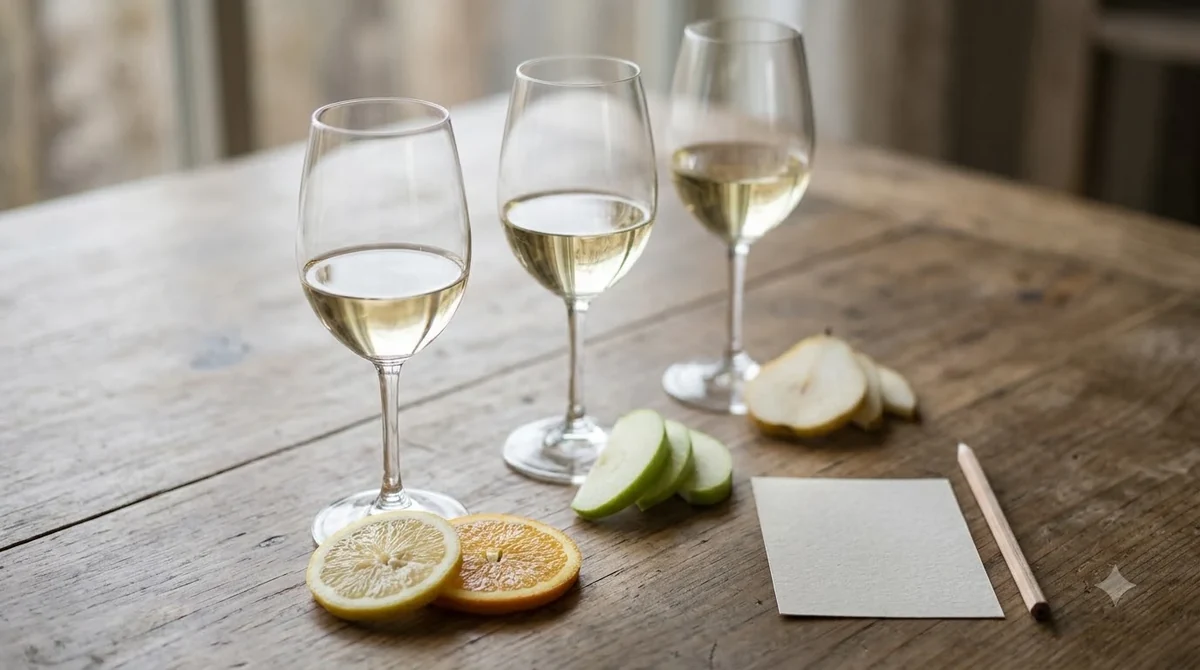
Because Chardonel shares so much physiological DNA with Chardonnay, winemakers rely on the exact same cellar techniques to steer its flavor profile. When fermented purely in temperature-controlled stainless steel tanks, the grape retains snappy acidity and vibrant primary fruit aromas of Anjou pear, crisp apple, and white peach. Similar to crisp Mediterranean whites like arinto wine, unoaked Chardonel finishes clean and refreshing without any heavy wood influence.
When placed in oak barrels, however, the wine transforms into a plush, structured white that rivals classic barrel-fermented Chardonnay. Producers frequently ferment the juice in French, American, or Hungarian oak barrels and age the wine sur lie—resting on spent yeast cells with periodic stirring—to build a creamy mid-palate. If the winemaker also encourages malolactic fermentation, sharp malic acid converts into softer lactic acid, layering notes of buttered biscuit, butterscotch, and roasted nuts over the underlying citrus core.
Beyond still dry table wines, a growing number of regional producers also craft sparkling Chardonel. Harvested slightly earlier to preserve high natural acidity, the grape yields lively bubbly with green apple brightness and subtle brioche complexity.
| Style | Vessel & Technique | Primary Fruit Notes | Secondary & Texture Notes |
|---|---|---|---|
| Unoaked / Stainless Steel | Stainless steel tank; no malolactic fermentation | Green apple, Anjou pear, lemon zest, apricot | Crisp, high acidity, clean mineral finish |
| Barrel-Aged / Reserve | French, American, or Hungarian oak; sur lie aging | Baked pear, ripe peach, pineapple, citrus peel | Vanilla, hazelnut, butterscotch, creamy body |
| Sparkling Chardonel | Early harvest; bottle or tank secondary fermentation | Tart green apple, white peach, Meyer lemon | Fine bubbles, light toast, brisk acidity |
Where Chardonel Grows Best
Chardonel thrives primarily across the American Midwest, Mid-Atlantic, and Upper South, where long summer growing seasons meet unpredictable winter freezes. Missouri leads national production as the grape’s flagship home, supported by significant plantings in Arkansas, Michigan, New York, Virginia, Illinois, Indiana, and North Carolina.
Missouri has embraced Chardonel more enthusiastically than any other state, planting nearly 200 acres that account for more than seven percent of the state’s total vineyard footprint. According to the Missouri Wine and Grape Board, the state’s combination of warm, humid summers and extended autumn hang time allows this late-ripening varietal to reach full physiological maturity along the Missouri River bluffs around Hermann and Augusta. So central is the grape to the local wine identity that Missouri officially celebrates Chardonel every April.
Further north in Michigan and New York’s Finger Lakes, Chardonel serves as a reliable cold-climate workhorse on sites slightly too chilly or frost-prone for pure Chardonnay. Meanwhile, in warmer southern states such as Arkansas, Virginia, and North Carolina, growers value the cultivar for its disease resistance and high productivity compared to temperamental European varieties, producing ripe, generously fruited expressions with tropical pineapple hints.
How to Serve Chardonel
Serve Chardonel chilled between 44 and 55 degrees Fahrenheit, adjusting the exact temperature based on whether the wine is unoaked or barrel-aged. A standard white wine glass with a medium-sized bowl concentrates its orchard fruit aromas while allowing rich, oaked examples room to breathe.
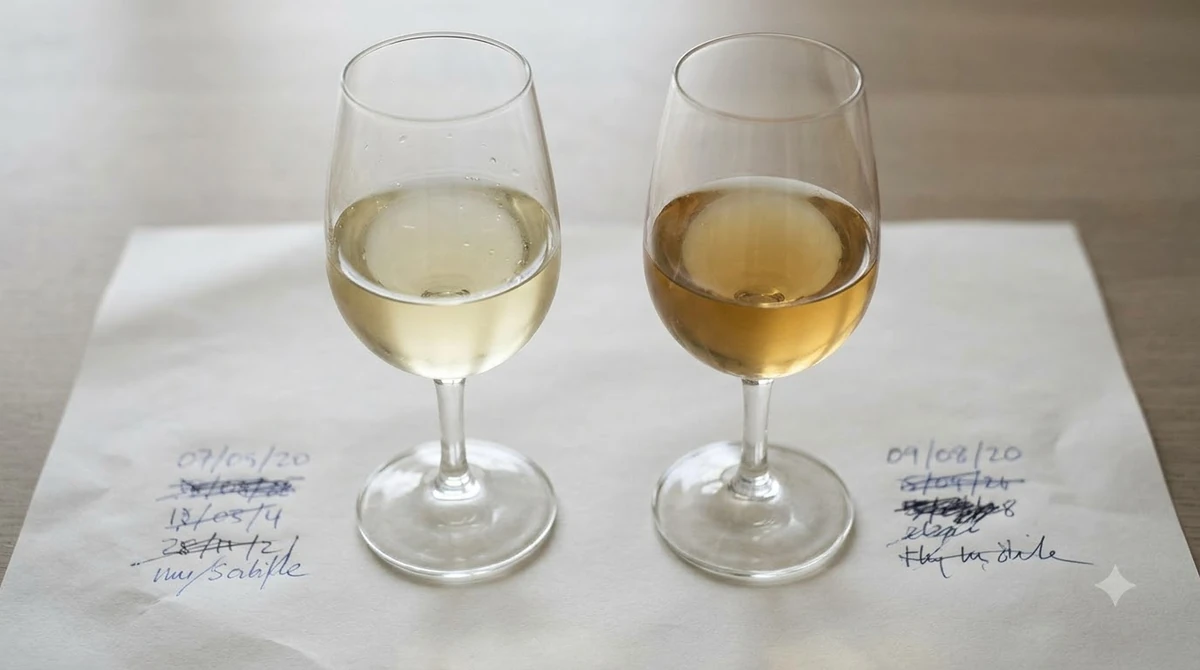
Temperature control plays a major role in unlocking the grape’s structural balance. Crisp, stainless-steel bottlings shine brightest at the cooler end of the spectrum, around 44 to 48 degrees Fahrenheit, which emphasizes their brisk lemon zest and green apple snap. Barrel-fermented and reserve styles perform better slightly warmer, between 50 and 55 degrees Fahrenheit; serving an oaked Chardonel straight from a cold refrigerator mutes its toasted vanilla, hazelnut, and lees-derived creaminess.
Regarding glassware and aeration, unoaked bottles require no decanting and can be poured straight upon opening. If you open a young, heavily oaked reserve Chardonel, letting it sit in the glass for 15 to 20 minutes—or giving it a brief splash into a decanter—softens the wood tannins and opens up deeper apricot and baked-pear aromatics. Once opened, recork the bottle tightly and store it upright in the refrigerator, where the wine will stay fresh for three to five days.
Tip: Pull barrel-aged Chardonel out of the refrigerator 15 to 20 minutes before pouring so it warms closer to 52 degrees Fahrenheit, allowing the oak spice and creamy texture to emerge.
Food Pairing Ideas
Chardonel pairs effortlessly with rich poultry, flaky seafood, pork dishes, and cream-based pastas thanks to its combination of medium-to-full body and lively acidity. Match lighter, unoaked bottles with delicate herbs and shellfish, and save barrel-aged expressions for butter sauces, roasted meats, and aged cheeses.
The grape’s natural acidity acts like a squeeze of fresh lemon on the palate, cutting cleanly through butter, cream, and mild cheeses without feeling heavy. Regional winemakers frequently recommend pairing oak-aged Chardonel with lemon-butter seafood pasta, pan-seared scallops, roast chicken with herbs, or skillet pork chops, where the wine’s toasted vanilla and nutty undertones echo browned butter and caramelized meat juices.
For vegetarian dishes and cheese boards, focus on earthy and nutty flavor bridges. Sautéed wild mushrooms, toasted almonds, creamy white cheeses like Brie or triple-cream Camembert, and mild white cheddar all harmonize with Chardonel’s pear and apricot fruit core. If you prefer a crisp, unoaked bottle, pair it with grilled fish tacos, herb-roasted vegetables, or light pasta tossed with olive oil, garlic, and arugula—much like how you might serve a crisp Spanish airen grape white alongside simple Mediterranean fare.
How to Choose a Bottle of Chardonel
When shopping for Chardonel, check the back label for winemaking clues—specifically terms like “barrel-fermented,” “sur lie,” or “stainless steel”—to match the bottle to your palate. Regional origin also offers a reliable guide to ripeness, with northern states leaning crisper and Midwestern or southern bottlings offering fuller body.
Because Chardonel is rarely mass-produced for national supermarket chains, most bottles come from independent estate wineries in the Midwest and East Coast. Reading the tasting notes on the label will quickly tell you which stylistic camp a producer favors. Words like “crisp,” “citrus,” “green apple,” and “stainless steel” signal an unoaked, refreshing profile ideal for warm-weather sipping. Conversely, mentions of “French oak,” “creamy,” “vanilla,” “reserve,” or “lees-aged” point toward a richer, fuller-bodied wine built for dinner.
Vintage variation also matters in continental climates where summer heat and autumn rain fluctuate from year to year. Warm, dry growing seasons produce riper stone fruit and fuller alcohol weight, while cooler vintages yield leaner, higher-acid wines with sharper orchard fruit character. While most Chardonel is crafted to be enjoyed young within two to four years of harvest, top barrel-aged reserve bottlings from established producers can develop appealing honeyed and nutty complexity over five to seven years in a cool cellar.
Frequently Asked Questions
Is Chardonel the same grape as Chardonnay?
No, Chardonel is a distinct hybrid grape created by crossing Chardonnay with Seyval Blanc at Cornell University in 1953. While it inherits much of Chardonnay’s full body, neutral fruit profile, and affinity for oak aging, its hybrid genetics give it far greater cold hardiness and disease resistance.
Is Chardonel a sweet or dry wine?
Chardonel is almost always vinified as a dry white wine, though a few regional wineries produce lightly off-dry expressions. Even when completely dry, ripe orchard fruit notes of pear, apricot, and baked apple along with oak-derived vanilla can create a perceived impression of richness on the palate.
Why is Chardonel rarely grown in California or Europe?
Winemakers in California and classic European regions enjoy mild enough winters to grow pure Vitis vinifera Chardonnay without severe frost damage, so they have little agricultural need for cold-hardy hybrids. Chardonel was bred specifically for continental climates like Missouri, Michigan, and New York where sub-zero winters routinely injure or kill traditional European vines.
How does Chardonel compare to Vidal Blanc?
Both are cold-hardy white hybrids popular across the Midwest, but Chardonel produces fuller-bodied, rounder wines that respond exceptionally well to oak barrel aging. Vidal Blanc tends to be lighter-bodied, higher in bright tropical acidity, and is most often fermented in stainless steel for crisp dry whites or late-harvest dessert wines, rather than sweet red styles like the brachetto grape.
Chardonel stands as one of North American viticulture’s most successful hybrid achievements, proving that cold-climate vineyards can produce complex, cellar-worthy white wines without sacrificing winter survival. Whether poured crisp and unoaked on a warm afternoon or served barrel-aged alongside a creamy dinner, it offers a rewarding taste of American regional winemaking.
More in Wine Types & Grapes
 Zinfandel Sugar Content: Dry Red vs. White Zinfandel GramsUpdated Nov 21, 2026
 Best Zinfandel Substitute Options for Sipping and CookingUpdated Nov 21, 2026
 Zweigelt Food Pairing: Best Dishes, Cheeses, and Serving TipsUpdated Nov 21, 2026
 Zinfandel Tannins Explained: How Structure Shapes Every BottleUpdated Nov 21, 2026
 Zinfandel Sweetness Level: Dry Red vs. Sweet White Zin ExplainedUpdated Nov 21, 2026
 Xinomavro Food Pairing: Best Dishes, Styles, and Serving TipsUpdated Nov 21, 2026