

We may earn a commission when you buy through links on this page, at no extra cost to you. Learn more.
Cakebread Chardonnay is a Napa Valley white wine from Cakebread Cellars, known for a restrained style with ripe fruit up front, oak in the background and bright acidity. The winery founded in 1973 in Rutherford, and its Napa Valley Chardonnay is typically aged about eight months in French oak, with a share of new barrels that keeps the wood from dominating the fruit. It suits drinkers who want a full, creamy white that still tastes fresh.
Chardonnay is one of the most widely planted white grapes in the world, and it takes very different shapes depending on where it grows and how the winemaker handles oak. Cakebread is one of the Napa Valley producers that many shoppers meet first when they want a California Chardonnay with polish and balance. This guide explains what the wine tastes like, how it is made, where the fruit comes from and how to serve it.
What Cakebread Chardonnay Is
Cakebread Cellars was founded in 1973 by Jack and Dolores Cakebread in Rutherford, in the heart of the Napa Valley. The winery became known for Chardonnay and Sauvignon Blanc, and its Chardonnay has long been one of the estate’s signature wines. The Napa Valley bottling is the entry point to the range, while a separate Reserve bottling offers a richer and more concentrated version of the same grape.
The style is usually described as balanced rather than heavy. Winery materials say the goal is fruit up front, oak in the background, bright acidity and a fresh finish. That approach puts Cakebread closer to the restrained end of California Chardonnay, which appeals to drinkers who find some big, buttery bottles too rich for a regular dinner.
Flavor Profile and Style
A recent Napa Valley Chardonnay from Cakebread shows green apple, lemon and pear on the nose, with white flowers and a touch of baking spice behind them. On the palate, the wine is generally medium-bodied, with ripe melon, lemon curd and a soft creamy note that comes from oak and lees contact. The finish is described as long and balanced, with only a gentle oak character rather than a strong toasty edge.
Acidity is the element that keeps the wine lively. Citrus and fresh fruit carry the flavors across the palate, so the wine does not feel flat even with its texture. Drinkers who like a bright, clean white with some roundness will find that balance the main attraction. Those who want a sharp, mineral Chablis-style wine may prefer something lighter.
| Aspect | What to expect |
|---|---|
| Primary fruit | Green apple, pear, lemon, melon |
| Secondary notes | Vanilla, lemon curd, baking spice |
| Oak | Gentle, with a share of new French oak |
| Body | Medium, with a creamy texture |
| Alcohol | Around 13.8 percent in a recent vintage |
How Cakebread Chardonnay Is Made
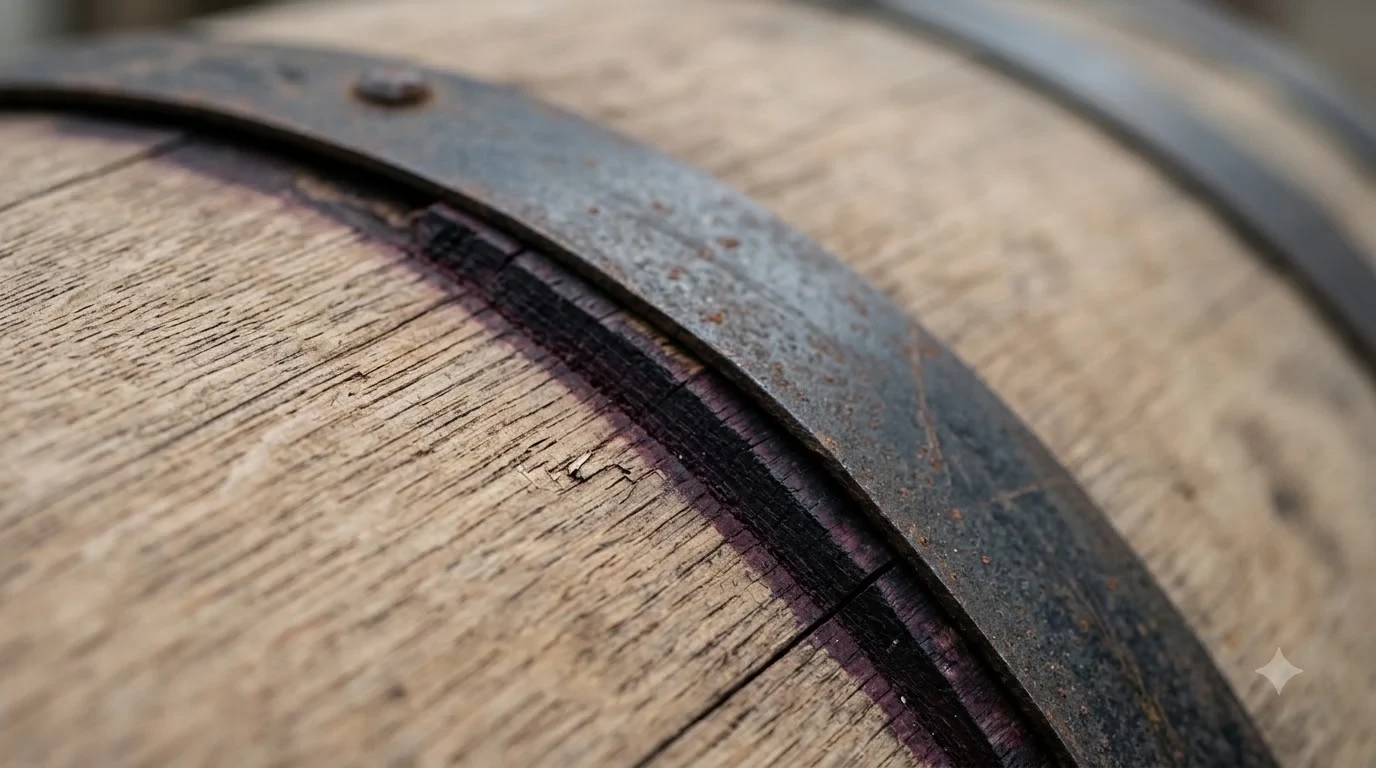
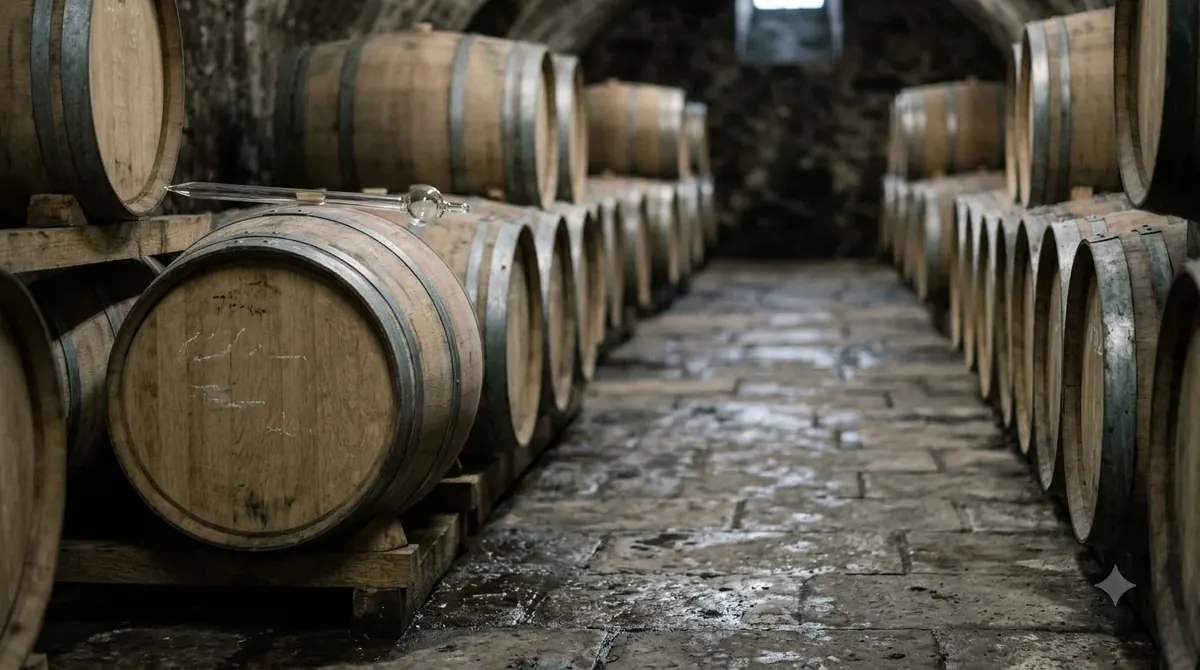
Winemaking details change from vintage to vintage, but the general approach is consistent. Grapes are harvested in small batches and pressed as whole clusters, which keeps the juice cleaner and less tannic than a crushed-fruit approach. The juice is then fermented and aged in French oak barrels for about eight months, with the wine kept on its yeast lees and stirred at intervals. That contact adds texture and a soft roundness.
Malolactic fermentation, the process that softens sharp malic acid into milder lactic acid, is used with restraint. In the 2022 bottling described on the producer’s release sheet, malolactic fermentation was about 9.5 percent, which helps the wine keep its freshness. Some vintages are described as partly fermented in stainless steel, so the exact mix can vary. If the barrel and tank split matters to you, check the tech sheet for the year you buy.

Where the Fruit Comes From
Cakebread’s Chardonnay draws on several sources in the Napa Valley, and the cooler Carneros district at the southern end of the valley has been a key part of the mix. Carneros is closer to San Pablo Bay, so it gets more marine air and cooler nights than the valley floor further north. That climate slows ripening and helps the grapes hold acidity, which is why Carneros Chardonnay is often praised for its freshness.
The reserve bottling is made only from grapes grown on the estate’s Carneros vineyards and is aged for a longer period in a higher share of new oak. The Napa Valley bottling is the more approachable wine in the range, and it is the one most shoppers see on store shelves. Readers who want a broader look at the winery’s history and vineyards can start with the Cakebread Cellars entry on Wikipedia.
How to Serve Cakebread Chardonnay
Serve this Chardonnay chilled but not ice cold. A short time in the refrigerator, then a few minutes on the counter before pouring, gives the fruit room to show and keeps the oak balanced. Too cold, and the wine can taste tight and dull. Too warm, and the alcohol becomes more noticeable than the citrus and melon.
Use a wide white-wine glass so the aroma can open. Decanting is not needed for a Chardonnay of this style. If you open a bottle and do not finish it, reseal it tightly and refrigerate it. The fresh fruit fades over a few days, so it is best to drink the wine within that window.
Tip: If you are unsure about the style, pour a small glass and wait a minute. The creamy texture often grows as the wine warms in the glass, while the citrus stays bright.
Food Pairings for Cakebread Chardonnay
Because the wine has both acidity and a soft texture, it works with a wide range of dishes. Roast chicken, grilled fish such as halibut or sea bass, and shellfish with butter or lemon are classic matches. Creamy pasta with a light sauce and mushroom risotto also suit the wine’s roundness without overpowering it.
Avoid very heavy or very spicy dishes that will hide the fruit. A rich cream sauce with a lot of garlic can push the oak too far, and chili heat makes the wine taste thinner. For a cheese plate, try a semi-soft cheese such as Brie or a young Gouda, which shares the wine’s creamy side.
How Cakebread Compares With Other Chardonnays
Cakebread belongs to a group of Napa Valley Chardonnays that aim for balance and polish rather than the heavy, buttery style once common in California. Against a budget Chardonnay from a large producer, it usually shows more fruit depth and a cleaner finish. Against a bold, oak-driven Chardonnay, it is lighter and more restrained, which many drinkers prefer for everyday meals.
If you like the style, you can compare it with other Napa producers that also work in a balanced register. Our guides to Rombauer Chardonnay and Kendall Jackson Chardonnay look at two other widely sold California whites, and the Butter Chardonnay guide covers a very different, richer style you may want to avoid if you prefer freshness.
Frequently Asked Questions
Is Cakebread Chardonnay oaked?
Yes, but the oak is kept in the background. The wine is aged in French oak with a share of new barrels, and winery materials describe the goal as fruit up front and oak in the background.
Is Cakebread Chardonnay dry?
Yes. Chardonnay from Cakebread is made as a dry white wine, with the fruit flavors coming from ripeness and the creamy texture from oak and lees contact rather than from residual sugar.
What is the difference between the Napa Valley and Reserve Chardonnay?
The Napa Valley bottling is the entry wine and often blends fruit from several sites. The Reserve comes only from the estate’s Carneros vineyards, is aged longer and uses a higher share of new oak, so it is richer and more concentrated.
What food goes best with Cakebread Chardonnay?
Roast chicken, grilled fish, shellfish with lemon or butter and mushroom risotto all suit the wine well. Its acidity cuts through creamy sauces without overwhelming them.
Cakebread Chardonnay is a dependable choice when you want a Napa white that is round enough for a special dinner yet fresh enough for a weeknight. Serve it cool, pair it with fish, chicken or light cream sauces, and compare it with other balanced California Chardonnays to find the style you like best. The Wine Brands section groups more labels by style if you want to keep exploring.
More in Wine Brands
 Underwood Wine Price: Compare Bottles, Cans, and Pack SizesUpdated Nov 21, 2026
 Zenato Wine Price: Compare Styles and Choose the Right BottleUpdated Nov 21, 2026
 Zuccardi Wine Price: Compare Bottles and Find the Right RangeUpdated Nov 21, 2026
 Yellow Tail Moscato Review: Taste, Sweetness and Serving TipsUpdated Nov 21, 2026
 Wolf Blass Yellow Label Review: Choose Your Best StyleUpdated Nov 21, 2026
 Wolffer Estate Rose Review: Choose the Right Bottle for Your TableUpdated Nov 21, 2026