

We may earn a commission when you buy through links on this page, at no extra cost to you. Learn more.
Burgundy alcohol content typically ranges from 12% to 14% ABV, with many red Pinot Noir and white Chardonnay wines falling between 12.5% and 13.5%. The exact percentage depends on grape variety, growing conditions, vintage, and winemaking decisions. Burgundy is not a single wine style, so bottles from Chablis, the Côte de Nuits, and the Mâconnais can have noticeably different alcohol levels. The percentage printed on an individual bottle is the most reliable way to determine its alcohol content.
Burgundy, known in France as Bourgogne, is one of the country’s most recognized wine regions. Its reputation rests largely on Pinot Noir and Chardonnay, two grapes that produce a wide range of expressions across eastern France. Understanding their typical alcohol levels helps wine drinkers compare bottles, select appropriate styles for meals, and make more informed choices. Here is how alcohol content varies throughout Burgundy and what influences the percentage in your glass.
Typical Burgundy Alcohol Content by Wine Style
Most still Burgundy wines contain approximately 12% to 14% alcohol by volume, although individual bottles can fall outside this general range. White Burgundy commonly sits around 12% to 13.5%, while red Burgundy often contains approximately 12.5% to 14% ABV.
These figures are useful starting points rather than strict rules. A regional Bourgogne Pinot Noir may contain 12.5% alcohol, while another producer’s Pinot Noir from a different vineyard and vintage may reach 14%. Chardonnay follows a similar pattern: a lean Chablis can be relatively moderate in alcohol, whereas a ripe, barrel-fermented white from the Côte de Beaune may have a fuller profile and a higher percentage.
Individual wine reviews provide useful examples of this variation. Burgundy’s different producers and growing areas create wines with different ripeness levels, structures, and alcohol percentages. Even bottles made from the same grape variety and carrying the same regional designation can differ noticeably in strength. This is one reason that a regional name should not be treated as a substitute for the actual ABV printed on the bottle.
| Burgundy wine style | Typical ABV range | Common grape |
|---|---|---|
| Light white Burgundy | 12%–12.5% | Chardonnay |
| Fuller white Burgundy | 13%–13.5% | Chardonnay |
| Light red Burgundy | 12%–12.5% | Pinot Noir |
| Typical red Burgundy | 12.5%–13.5% | Pinot Noir |
| Richer red Burgundy | 13.5%–14% | Pinot Noir |
| Crémant de Bourgogne | Approximately 11%–12.5% | Chardonnay and Pinot Noir |
The table provides practical estimates for comparing styles, not legal limits or guaranteed figures for every appellation. Crémant de Bourgogne, for example, is sparkling wine and should be considered separately from still Chardonnay and Pinot Noir. Its secondary fermentation and sparkling-wine production methods create a different style from traditional still Burgundy.
For additional context, compare Burgundy with other wine categories. A bottle of ice wine alcohol content can be considerably lower in alcohol, while fortified wines such as Marsala and tawny Port generally contain more alcohol because of their production methods. These comparisons show why the wine’s category matters as much as its country of origin.
Tip: For a straightforward Burgundy selection with moderate alcohol, begin by comparing bottles marked 12.5% or 13% ABV. These percentages are common in regional Pinot Noir and Chablis examples, although individual wines can differ considerably.
Red Burgundy Alcohol Content: Pinot Noir Explained
Red Burgundy typically contains 12.5% to 14% ABV, with Pinot Noir responsible for most of the region’s well-known red wines. The grape’s natural acidity, relatively delicate tannins, and sensitivity to growing conditions help explain why red Burgundy can feel lighter than its alcohol percentage might suggest.
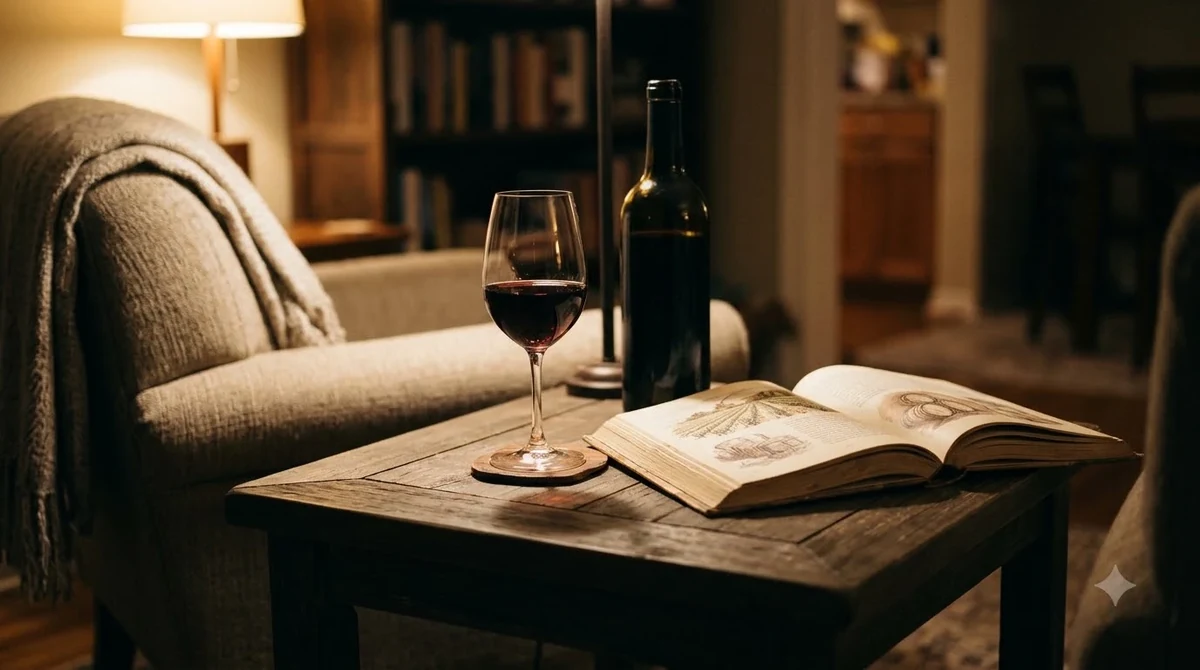
Pinot Noir is an early-ripening variety that responds closely to temperature, sunlight, soil, and harvest timing. Burgundy’s continental climate allows it to develop gradually, but conditions change between vineyards and growing seasons. A cooler season can produce grapes with less potential alcohol, while favorable warmth and extended ripening can increase sugar concentration and the eventual alcohol level.
Pinot Noir is especially important in the Côte de Nuits, where villages such as Gevrey-Chambertin, Vosne-Romanée, and Chambolle-Musigny are associated with red Burgundy. The Côte de Beaune also produces notable Pinot Noir from places including Pommard, Volnay, and Beaune. Differences in vineyard exposure, soil composition, and growing conditions contribute to the variety of styles found across these locations.
Does higher alcohol make red Burgundy taste heavier?
Alcohol contributes to a wine’s body and can create a warming sensation. A 14% Pinot Noir may therefore feel broader and warmer than a similar wine at 12.5%, particularly when served above its recommended temperature.
However, alcohol is only one part of the overall structure. Acidity, tannin, fruit concentration, oak influence, and winemaking techniques also affect the impression of weight. Pinot Noir generally has lower to medium tannin compared with varieties such as Cabernet Sauvignon, so a red Burgundy can remain relatively elegant even when its alcohol percentage is toward the upper end of the regional range.
For example, a Pinot Noir from the Côte de Nuits may combine concentrated cherry fruit, earthy aromas, and structured acidity. Another bottle from a different Burgundy vineyard may show lighter red-fruit character and a softer palate. Their alcohol percentages might be similar even though they taste quite different.
Red Burgundy also includes wines made with Gamay in certain regional appellations and wine styles. Gamay typically produces fruit-forward wines with relatively delicate tannins. It is particularly associated with the southern part of the wider Burgundy wine-growing area and the neighboring Beaujolais region.
For anyone comparing red wine strength, the main point is simple: Pinot Noir does not have a fixed alcohol percentage. A practical expectation is 12.5% to 13.5% for many bottles, with 14% examples also appearing in the market.
White Burgundy Alcohol Content: Chardonnay and Chablis
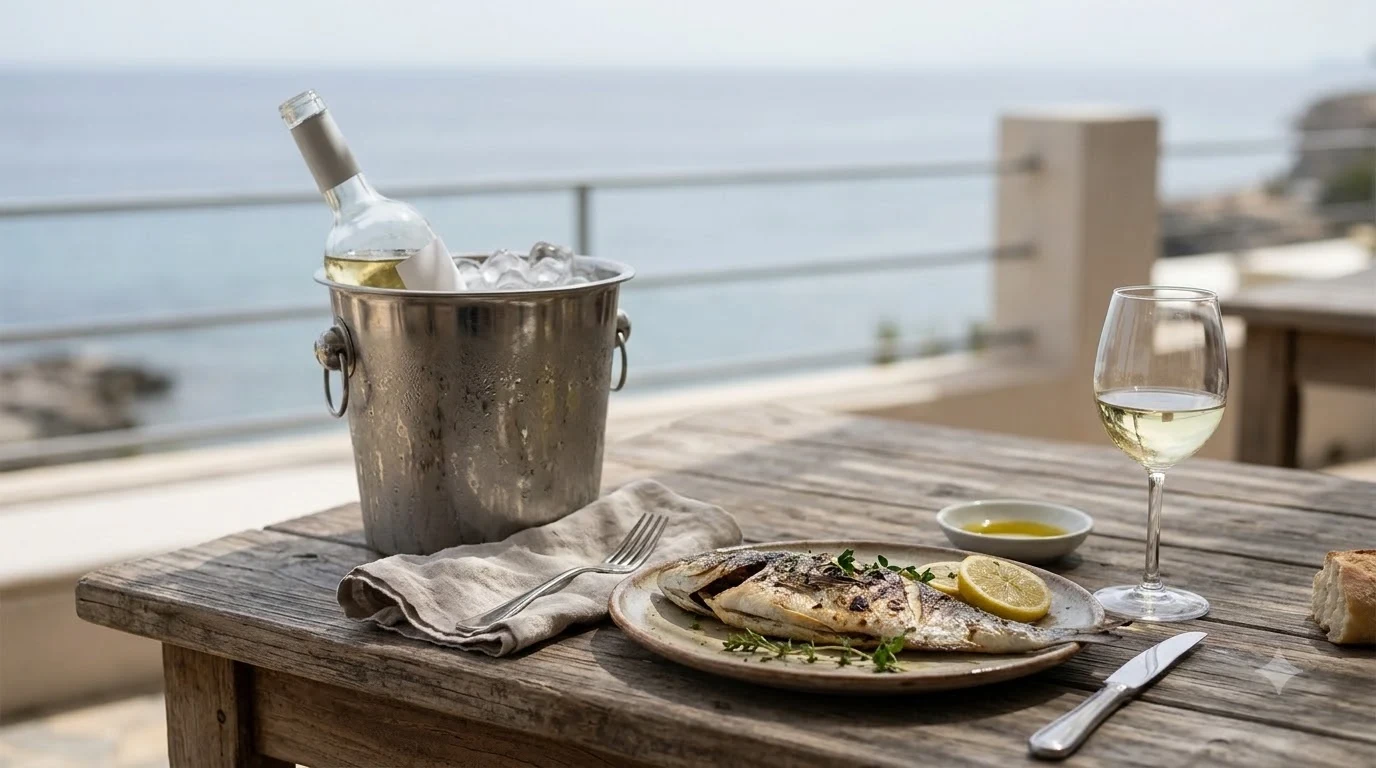
White Burgundy generally contains 12% to 13.5% ABV, with Chardonnay accounting for the majority of the region’s white wines. Chablis often provides examples of fresh, relatively moderate-alcohol Chardonnay, while some fuller-bodied wines from the Côte de Beaune have greater richness and higher alcohol levels.
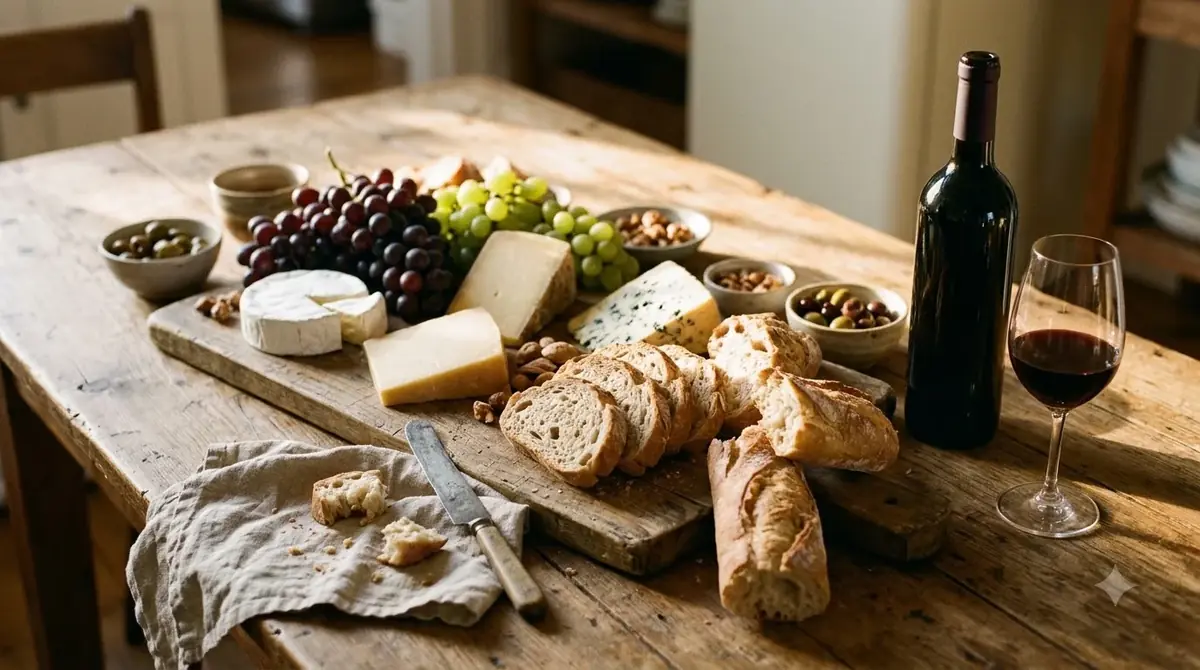
Chardonnay is grown throughout Burgundy, from northern Chablis to southern Mâconnais. However, the grape does not produce one uniform style. Differences in climate, soils, vineyard location, harvesting decisions, and cellar practices all contribute to variation in the finished wine.
Chablis is particularly useful when comparing lighter white Burgundy. Its cooler northern location contributes to a style frequently associated with citrus flavors, pronounced acidity, and mineral character. Many Chablis wines fall around 12% to 13% ABV, although richer examples can have higher percentages.
Why some Chardonnay tastes richer
Alcohol percentage and perceived richness are related, but they are not interchangeable. A Chardonnay aged in oak barrels may develop buttery, toasted, vanilla, and creamy characteristics. These qualities can make the wine feel fuller without requiring an unusually high alcohol percentage.
Chablis, by contrast, is often recognized for its citrus flavors, mineral character, and energetic acidity. Its cooler northern location contributes to a style that frequently feels leaner and fresher. The wine can still contain 12.5% or 13% alcohol without tasting particularly heavy.
The Mâconnais, farther south, produces a variety of Chardonnay styles. Some wines are rounder and more generous in texture, while others emphasize freshness and fruit. The same grape can therefore produce very different drinking experiences within Burgundy.
Chardonnay also responds to winemaking choices. Fermentation in stainless steel tends to preserve a fresher fruit profile, while barrel fermentation and aging can add texture and oak-derived flavors. Malolactic fermentation can soften the impression of acidity and contribute a creamier mouthfeel.
For anyone choosing a lighter white wine, a Chablis labeled around 12% to 12.5% ABV is a sensible starting point. Those seeking a richer Chardonnay can compare wines from Meursault, Puligny-Montrachet, or the Mâconnais, paying attention to the individual bottle’s alcohol percentage rather than assuming that every wine from a particular village has the same strength.
How Burgundy’s Climate and Appellations Affect Alcohol Levels
Burgundy’s continental climate and geographically diverse vineyards create meaningful differences in grape ripeness and potential alcohol. The region stretches across several wine-growing areas, including Chablis, Côte de Nuits, Côte de Beaune, Côte Chalonnaise, and Mâconnais, each with its own environmental characteristics.
According to Wine Enthusiast’s regional overview, Burgundy has different climatic conditions between its northern and southern areas. Chablis is particularly vulnerable to frost, while rot and mildew are important concerns in other parts of the region. These environmental factors can affect the amount of sugar that grapes accumulate before harvest, which in turn influences the potential alcohol of the finished wine.
In simple terms, grape sugar is converted into alcohol during fermentation. Riper grapes generally contain more sugar, providing the yeast with more material to convert into alcohol. Less ripe grapes generally have lower sugar concentrations and therefore lower potential alcohol, although winemaking decisions can influence the final result.
Important Burgundy wine-growing areas
Chablis: Located in northern Burgundy, Chablis is best known for Chardonnay. Its cooler conditions and characteristic limestone-rich soils contribute to wines often associated with freshness and pronounced acidity. Many examples sit around 12% to 13% ABV.
Côte de Nuits: This area is particularly associated with high-quality Pinot Noir. Its wines can have notable concentration, structured acidity, and complex red-fruit and earthy characteristics. Alcohol levels often fall within the broader red Burgundy range of 12.5% to 14%.
Côte de Beaune: This area produces both red Pinot Noir and white Chardonnay. Its white wines include richer expressions from well-known villages such as Meursault and Puligny-Montrachet. Alcohol levels vary with vintage, site, and winemaking approach.
Côte Chalonnaise: This southern area produces red and white Burgundy, including wines from appellations such as Mercurey, Givry, and Rully. Pinot Noir and Chardonnay are important varieties, and the region also produces Crémant de Bourgogne.
Mâconnais: Located farther south, the Mâconnais is especially associated with Chardonnay. Its wines range from crisp, fruit-driven examples to fuller-bodied expressions, with alcohol levels commonly around 12.5% to 13.5%.
The geological differences are equally important. Limestone and marl are widespread across Burgundy, while the Chablis area includes limestone containing chalk and shell fossils. These geological features contribute to differences in drainage, soil composition, and vine-growing conditions. The official Bourgogne Wine Board overview of regional terroir explains how grape varieties, natural conditions, and vineyard locations combine to shape the wines.
Appellation classifications also help consumers understand where a wine comes from. Burgundy’s system includes regional appellations, Village wines, Premier Cru vineyards, and Grand Cru vineyards. The region has 84 recognized appellations, covering a wide range of geographical origins and wine styles.
However, classification does not establish an alcohol percentage. A Grand Cru bottle is not automatically stronger than a regional Bourgogne wine, and a Premier Cru designation does not guarantee a higher ABV. These classifications primarily communicate geographical origin and vineyard status rather than alcohol concentration.
The practical lesson is to consider the village, grape, vintage, and producer together. A Chablis from a cooler growing season may have a different alcohol level from a Mâconnais Chardonnay produced in a warmer season, even though both wines are made from Chardonnay.
Legal Alcohol Limits and What the ABV Label Means
Burgundy’s appellation rules establish technical requirements for grape production and wine composition, including minimum natural alcoholic strength and maximum total alcoholic strength in certain circumstances. These requirements should not be confused with the alcohol percentage of every finished bottle.
The European Union’s published specification for the Bourgogne regional protected designation of origin sets minimum natural alcoholic strengths of 10.5% for white wines and 10.2% for red and rosé wines. It also specifies maximum total alcoholic strengths after enrichment of 13% for white wines and 13.2% for red and rosé wines under those particular rules.
These are technical provisions for the specified regional appellation. They should not be applied indiscriminately to every Burgundy appellation or interpreted as a universal maximum for all wine from the broader region. Different appellations have their own production specifications, and the conditions governing permitted enrichment are not the same as a finished wine’s general market alcohol range.
Understanding alcohol by volume
ABV stands for alcohol by volume. It expresses the percentage of a beverage’s total volume that consists of pure alcohol.
For example, a 750-milliliter bottle labeled 13% ABV contains approximately 97.5 milliliters of pure alcohol. A bottle labeled 12.5% ABV contains approximately 93.75 milliliters. The difference between these examples is 3.75 milliliters of pure alcohol across the entire bottle.
This calculation is useful for comparing wines because bottle size alone does not determine alcohol content. Two standard 750-milliliter Burgundy bottles can have different amounts of alcohol if their ABV percentages differ.
Where to find the percentage
In the United States, imported wine bottles generally display their alcohol content on the front or back label. Look for a percentage followed by the words alcohol by volume or ABV.
The figure may appear near the producer’s details, importer information, or government warning statement. Some labels use a small font, so the percentage may require a closer look.
It is also important to distinguish the ABV printed on the label from the wine’s residual sugar, acidity, and body. These are separate characteristics. A dry Burgundy wine can contain 13% alcohol, and a wine that feels light on the palate can still have a moderate alcohol percentage.
For a broader understanding of how wine styles differ, the Wine by Type resource provides a useful starting point for comparing still, sparkling, sweet, and fortified wines.
Serving Burgundy Wine and Understanding Alcohol Per Glass
Serving temperature influences how Burgundy’s alcohol feels on the palate. Light red Burgundy is generally best served at 55–60°F, while fuller-bodied red examples are better around 60–65°F. Light white Burgundy is usually most enjoyable at 45–50°F, with fuller white styles served slightly warmer at 50–55°F.
Temperature matters because wine served too warm can emphasize alcohol’s warming sensation and make the wine seem heavier. Serving it too cold can suppress aromas and make the flavors less expressive. A moderate serving temperature helps preserve the balance between fruit, acidity, and alcohol.
Pinot Noir benefits from a slight chill compared with many fuller-bodied red varieties. This approach helps preserve its fresh red-fruit character and keeps the alcohol from dominating the impression. Chardonnay, meanwhile, should not be served so cold that its aromas and texture become difficult to appreciate.
How much alcohol is in a glass of Burgundy?
A standard wine serving is approximately 5 ounces. A typical 750-milliliter Burgundy bottle therefore provides about five standard glasses.
The amount of pure alcohol in a glass depends on its ABV. The following examples assume a 5-ounce pour, approximately 147.9 milliliters.
| Wine ABV | Pure alcohol per 5-ounce glass | Approximate glasses per 750 ml bottle |
|---|---|---|
| 12% | 17.7 ml | 5 |
| 12.5% | 18.5 ml | 5 |
| 13% | 19.2 ml | 5 |
| 13.5% | 20.0 ml | 5 |
| 14% | 20.7 ml | 5 |
These calculations show that a glass of 14% Burgundy contains more alcohol than an equal-sized glass of 12% Burgundy. The difference is relatively small per serving, but it becomes more noticeable when comparing several glasses or entire bottles.
Pouring consistently also makes comparisons easier. A generous restaurant pour may contain more wine than the standard 5-ounce serving, so the actual alcohol consumed will be higher even if the wine itself has an unchanged ABV.
Storage after opening
Proper storage helps preserve Burgundy’s aromas and flavors after opening. Keep an opened bottle sealed and refrigerated, including red Burgundy. Chilling slows the deterioration that occurs when wine is exposed to oxygen.
Most opened still wines remain in reasonable drinking condition for approximately 3–5 days when properly resealed and refrigerated. The precise period depends on the wine’s age, structure, exposure to air, and storage conditions.
Unopened Burgundy should be stored in a cool, dark environment near 55°F, with bottles kept on their sides when they have natural cork closures. Avoid large temperature fluctuations, direct sunlight, and excessive vibration.
Young, fuller-bodied red Burgundy can benefit from approximately 30–60 minutes of decanting, although delicate or older Pinot Noir may require more careful handling. Decanting is primarily intended to improve the wine’s expression and separate sediment when necessary; it does not lower its alcohol percentage.
Frequently Asked Questions
Is Burgundy wine stronger than Bordeaux?
Not necessarily. Burgundy Pinot Noir and Bordeaux blends can overlap considerably in alcohol percentage, depending on the grapes, vintage, and production methods. Bordeaux commonly uses Cabernet Sauvignon and Merlot, while Burgundy relies primarily on Pinot Noir and Chardonnay. Comparing the actual ABV figures is more reliable than judging strength from the region’s name.
Does Burgundy wine contain carbohydrates?
Yes. Wine contains carbohydrates, principally from residual sugars and other naturally occurring compounds. The Bourgogne regional appellation specification limits fermentable sugar in finished white wines to 3 grams per liter, with a conditional allowance of 4 grams per liter for wines meeting its specified acidity requirement. Red wines have a maximum of 2 grams per liter under that specification.
Is Burgundy wine always made from one grape variety?
No. Pinot Noir and Chardonnay dominate the region, but other varieties also have recognized roles. Aligoté is used for Bourgogne Aligoté wines, César appears in certain Yonne reds, and Gamay is permitted in particular regional wine styles. Crémant de Bourgogne can also combine different approved grape varieties.
Does Burgundy wine lose alcohol as it ages in the bottle?
Alcohol content generally remains substantially stable during normal bottle aging. Small changes can occur through evaporation or other storage-related effects, particularly if a closure becomes compromised, but aging does not normally turn a 13% Burgundy into a significantly lower-alcohol wine. Bottle aging primarily changes aromas, flavors, texture, and the wine’s overall development.
Is Crémant de Bourgogne the same as Champagne in alcohol content?
They are different sparkling wines, but their alcohol percentages can overlap. Crémant de Bourgogne is generally around 11% to 12.5% ABV, while Champagne commonly contains approximately 12% ABV. Both use a second fermentation in the bottle, although their geographical origins, appellation requirements, and permitted production details differ.
Burgundy alcohol content is best understood as a range rather than a fixed regional number. Most bottles fall around 12% to 14% ABV, with Pinot Noir and Chardonnay showing meaningful differences according to vineyard, vintage, and winemaking choices. Compare the percentage on individual labels alongside the appellation and grape variety to find a Burgundy wine that matches your preferred style.
More in Wine Types & Grapes
 What Does Ruby Port Taste Like? Flavor Notes, Styles, and Serving TipsUpdated Nov 21, 2026
 What Does Ribolla Gialla Taste Like? Crisp White and Amber Styles ExplainedUpdated Nov 21, 2026
 What Does Semillon Taste Like? Flavor Profile, Styles & PairingsUpdated Nov 21, 2026
 What Does Scuppernong Taste Like? Flavor, Styles, and Pairing GuideUpdated Nov 21, 2026
 What Does Saperavi Taste Like? Flavors, Styles, and Pairing GuideUpdated Nov 21, 2026
 What Does Natural Wine Taste Like? Flavors, Styles, and Serving TipsUpdated Nov 21, 2026