

We may earn a commission when you buy through links on this page, at no extra cost to you. Learn more.
Burgenland wine comes from eastern Austria and includes distinctive Blaufränkisch and Zweigelt reds, mineral-driven white wines, and concentrated sweet wines. Its vineyards benefit from a warm Pannonian climate, while Lake Neusiedl and the region’s varied soils help create several recognizable styles. Understanding the area’s DAC designations makes it easier to choose between a fresh, fruit-forward red, a structured cellar-worthy wine, or a sweet bottle for dessert.
Burgenland is one of Austria’s most interesting regions for wine drinkers who enjoy characterful reds but do not want to overlook distinctive whites and dessert wines. The region stretches along the Hungarian border, with vineyards ranging from the shores of Lake Neusiedl to the rolling hills of southern Burgenland. Its wines reflect differences in climate, elevation, soil, grape variety, and winemaking tradition. This guide explains the main appellations, the grapes to recognize, the flavors to expect, and how to serve the wines at their best. Readers looking for a broader introduction can also explore this overview of the Burgenland wine region.
Geography and Climate Shape Burgenland’s Wine
Burgenland’s defining growing influence is the warm, continental Pannonian climate, which helps grapes reach good ripeness and gives the region a reputation for expressive reds. Lake Neusiedl adds another important influence, creating local conditions that support both balanced dry wines and concentrated sweet wines.
Burgenland lies in eastern Austria, bordering Hungary. It is geographically distinct from the cooler, more mountainous parts of the country. Warm air from the east contributes to sunny growing conditions, while the region’s changing elevations, lake influence, and local soil types create differences between individual vineyards. The result is not simply a single warm-climate style. A red from the iron-rich slopes around Eisenberg can feel quite different from one grown on the heavier soils of Mittelburgenland.
Lake Neusiedl is particularly important. As a large body of water, it moderates conditions around its shores and helps create local humidity. The lake’s influence is especially significant in the Seewinkel, the area east of the water that includes Podersdorf, Illmitz, and Apetlon. According to Burgenland’s regional tourism authority, the wider Neusiedlersee area receives around 300 sunshine days annually. The lake also releases stored warmth after sunset, influencing the conditions under which the grapes ripen.
Soil differences contribute another layer of regional identity. Vineyards around Neusiedlersee include sandy loam, gravel, loess, and other sediments. Leithaberg has limestone and slate, while iron-rich soils distinguish parts of Southern Burgenland. Mittelburgenland is known for deep, water-retaining soils, and the Rosalia area combines fertile brown soils with loess. These geological differences influence vineyard conditions and help explain why the same grape can produce different results across the region.
For readers comparing European wine destinations, this combination of warm growing conditions and distinct local origins makes Burgenland an interesting contrast to Italy’s southern regions. The Puglia wineries scene, for example, also offers warm-climate reds, but Burgenland’s combination of Blaufränkisch, lake-influenced sweet wines, and limestone-influenced whites gives it a different overall identity.
The Main Grapes Behind Burgenland Wine
Blaufränkisch and Zweigelt are the two essential red grapes to recognize, but Burgenland also produces St. Laurent, Pinot varieties, Chardonnay, Welschriesling, and other white grapes. The range extends from juicy everyday reds to structured single-variety wines and whites with pronounced freshness.

Blaufränkisch is the region’s signature red variety in many areas. It typically offers dark cherry, blackberry, and other berry flavors, supported by lively acidity and noticeable tannin. Depending on the vineyard and winemaking, the wine may also show black pepper, herbs, earthy notes, and mineral character. Its freshness helps prevent ripe fruit from feeling heavy. In better-structured examples, the grape can produce wines with considerable aging potential.
Zweigelt is another major variety and has a particularly strong association with Neusiedlersee. It is a crossing of Blaufränkisch and St. Laurent, combining the family resemblance of those varieties into a different style. Typical examples emphasize cherry fruit, approachable texture, and moderate tannin. Compared with a more firmly structured Blaufränkisch, Zweigelt often offers an immediately appealing red-fruit profile that works well at a casual meal.
St. Laurent adds another option for red-wine drinkers. It can produce fragrant wines with cherry and dark-fruit character, sometimes accompanied by earthy or spicy notes. Pinot Noir and international varieties such as Merlot and Cabernet Sauvignon also appear in the region, including in blends. These grapes make it possible to find both traditional Austrian red styles and wines with a more familiar international profile.
White grapes deserve equal attention. Chardonnay and Pinot Blanc are important around Leithaberg, while Welschriesling appears across the region in dry and sweet styles. Grüner Veltliner and Neuburger also contribute to the white-wine range. Furmint is another variety worth recognizing, especially for drinkers interested in dry wines with pronounced acidity and mineral detail. Wine Enthusiast’s regional recommendations include examples of Welschriesling, Neuburger, and Furmint that demonstrate how varied Burgenland’s whites can be.
The region’s diversity makes it helpful to identify the grape before deciding whether a bottle suits a particular meal. Blaufränkisch generally offers more tannin and structure, Zweigelt often emphasizes softer fruit, and Welschriesling usually provides a fresher, more acidic counterpart. A little knowledge of wine regions and their labeling systems can make these distinctions easier to understand when comparing Austrian bottles.
Six DAC Appellations and Their Distinctive Styles
Burgenland’s six DAC origins help identify wines associated with particular local styles and grape varieties. The designations cover everything from Zweigelt-led reds to Blaufränkisch and a specialty sweet wine produced in Rust.
DAC stands for a regional designation used for wines that meet defined origin and style requirements. Rather than treating all bottles labeled Burgenland as interchangeable, it is useful to read the appellation as an indication of the wine’s expected identity. The six principal DAC names are Neusiedlersee, Leithaberg, Mittelburgenland, Eisenberg, Rosalia, and Ruster Ausbruch. Each has a different emphasis.
| DAC appellation | Main grape or style | What to expect |
|---|---|---|
| Neusiedlersee | Zweigelt and selected sweet wines | Juicy cherry-led reds and botrytis-influenced specialties |
| Leithaberg | Blaufränkisch and several white grapes | Mineral-driven reds and whites |
| Mittelburgenland | Blaufränkisch | Dark-fruited, spicy, structured reds |
| Eisenberg | Blaufränkisch and Welschriesling | Mineral, fresh, peppery wines |
| Rosalia | Blaufränkisch, Zweigelt, and rosé | Powerful reds and lively, spicy rosé |
| Ruster Ausbruch | Botrytis-affected sweet wine | Concentrated sweetness balanced by acidity |
Neusiedlersee is the large eastern lakeside origin. It is especially associated with Zweigelt, although other red varieties and white wines are produced there. Its sweet-wine tradition is also important, particularly in the Seewinkel. Mittelburgenland, by contrast, is strongly focused on Blaufränkisch. Its first DAC wines appeared with the 2005 vintage, establishing the origin as an important reference point for Austrian red wine.
Leithaberg stands apart because its designation includes both red and white wines. Blaufränkisch is the key red variety, while Chardonnay, Pinot Blanc, Grüner Veltliner, and Neuburger are among the white varieties associated with the area. Eisenberg, farther south, is another important Blaufränkisch origin, with iron-rich soils contributing to its distinctive reputation. Rosalia is known for red wines made from Blaufränkisch and Zweigelt as well as its regional DAC rosé. Ruster Ausbruch is different from the other five designations because it identifies a special sweet-wine tradition associated with the town of Rust.
These distinctions provide a useful starting point when comparing bottles from different producers. The official Burgenland wine-growing regions overview provides additional information on the origin-specific styles and their geographical settings.
Burgenland’s Red Wines: Blaufränkisch, Zweigelt, and Blends
Burgenland’s strongest reputation is built on red wine, particularly Blaufränkisch and Zweigelt. The styles range from fresh, fruit-led bottles to concentrated reds with firm structure, savory complexity, and the capacity to develop over several years.
Blaufränkisch is often the best starting point for understanding the region. A typical bottle offers dark cherry, blackberry, and sometimes blueberry, with a fresh line of acidity and a distinctive savory edge. Black pepper, dried herbs, and earthy impressions can add complexity. Tannin varies according to origin, vineyard conditions, grape ripeness, and winemaking choices. A lighter example may feel energetic and approachable, while a more concentrated wine may show a firmer structure and longer finish.
Mittelburgenland is especially important for this grape. The regional wine authority reports that Blaufränkisch accounts for 55% of the area’s vineyards, which explains its nickname, Blaufränkischland. Deutschkreutz, Horitschon, Lutzmannsburg, and Neckenmarkt are among its important communities. Wines from this area often show dark fruit, spice, and a firm but balanced structure. Those with greater concentration can be suitable candidates for cellaring.
Eisenberg offers another perspective. The southern origin is known for Blaufränkisch with dark berry flavors, herbs, white pepper, and mineral character. Its iron-rich soils and varied local conditions contribute to the wines’ identity. Compared with some fuller expressions from central Burgenland, examples from Eisenberg can show a more delicate, mineral-driven character while retaining fresh acidity and substantial structure.
Leithaberg produces Blaufränkisch too, but its limestone and slate geology gives the wines a separate character. Expect berry fruit, fresh cherry, savory notes, and an impression of mineral tension. The wines can be firm without depending solely on concentration or oak for character. This makes Leithaberg a useful choice for drinkers who prefer a structured red with freshness.
Zweigelt offers a different experience. A typical Neusiedlersee example is fruit-forward, with cherry at the center and softer tannins than a firmly structured Blaufränkisch. It can be a practical choice for roasted chicken, pork, sausages, and informal meals. Producers also make blends that combine Blaufränkisch with Zweigelt, St. Laurent, Merlot, or other grapes. These wines can balance fruit, structure, and accessibility in different proportions.
Rosalia rounds out the red-wine picture with powerful Blaufränkisch and Zweigelt styles. The region also produces an important DAC rosé, which offers a fresh alternative to its red wines. For a drinker who wants to explore beyond one grape, tasting a Mittelburgenland Blaufränkisch, a Neusiedlersee Zweigelt, and a Rosalia red is an effective way to understand how origin changes the character of Burgenland wines.
White Wines and Sweet Wines Around Lake Neusiedl
Burgenland’s white and sweet wines deserve attention alongside its reds. Leithaberg is a key source of mineral whites, while the humid conditions around Lake Neusiedl support botrytis-affected wines, including the celebrated Ruster Ausbruch specialty.
Leithaberg’s white wines are associated with Pinot Blanc, Chardonnay, Grüner Veltliner, and Neuburger. Welschriesling also features in the wider region. Limestone and slate contribute to a style in which texture and freshness can be as important as ripe fruit. Pinot Blanc may show apple and pear, while Chardonnay can offer citrus, yellow fruit, and a more substantial texture. Neuburger provides another option, with flavors that can include peach, pear, and nutty notes.
Dry Welschriesling can be bright and refreshing, with citrus and green-fruit characteristics. It is a useful option with seafood, vegetables, salads, and lighter dishes. Furmint is worth seeking out for a more structured dry white, particularly for drinkers who appreciate high acidity and mineral detail. The region’s white wines are not limited to light, simple bottlings; some have the texture and complexity to accompany richer food.
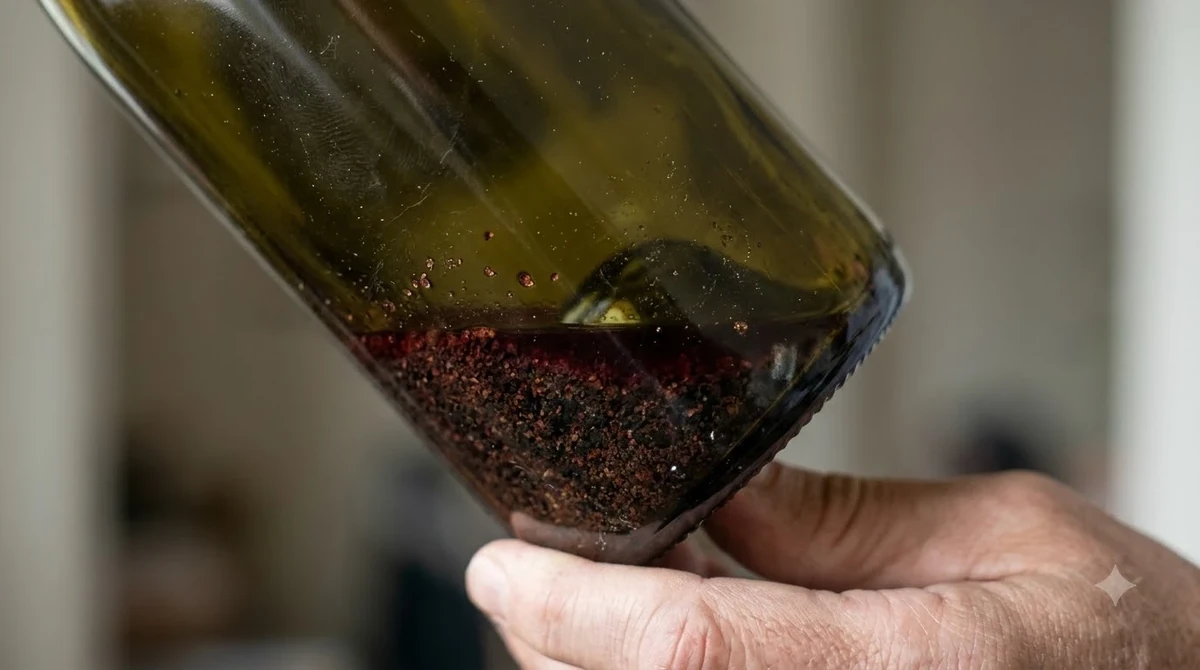
Lake Neusiedl also creates suitable conditions for sweet wine. Humidity and autumn fog help Botrytis cinerea, commonly called noble rot, develop on ripe grapes. The fungus affects the grape skins and concentrates the fruit’s sugars and flavors as the berries shrivel. Depending on the producer and style, the resulting wine can show honey, apricot, peach, citrus, dried fruit, and nutty notes. Welschriesling is one of the important varieties used for these sweet wines.
Ruster Ausbruch is the region’s best-known sweet-wine specialty. Its grapes are selected from the area around Rust, where the lake and surrounding hills support the development of botrytis. The wines are intensely sweet, but their acidity is essential to balance. Rather than tasting simply sugary or heavy, a good example combines concentration with freshness and a long, detailed finish. The production process is selective and labor-intensive, with low yields contributing to the wine’s concentrated character.
Sweet wines are not restricted to the final course of a meal. Ruster Ausbruch can work with blue cheese, fruit-based desserts, and certain Asian-inspired dishes. The useful principle is to match the wine’s sweetness to the food: the wine should be at least as sweet as the dessert. A high-acidity sweet wine also has the freshness needed to balance dishes with fruit, citrus, or pronounced seasoning.
Food Pairings, Serving Temperatures, and Storage
Burgenland wines are versatile at the table, but the best pairings depend on their body, tannin, acidity, and sweetness. Match lighter reds with savory everyday dishes, structured Blaufränkisch with richer food, fresh whites with seafood, and concentrated sweet wines with desserts or salty cheese.
Blaufränkisch pairs naturally with grilled beef, roast lamb, venison, duck, and hearty stews. Its acidity can refresh the palate alongside richer meats, while its tannin works well with the protein and fat in those dishes. Mittelburgenland examples can be especially good with roasted meat or paprika-seasoned dishes. An earthy preparation with mushrooms or herbs can also complement the grape’s savory notes.
Zweigelt is generally more flexible with lighter meals. Try it with roast chicken, pork tenderloin, grilled sausages, or tomato-based dishes that are not overly acidic. Its cherry fruit makes it a natural match for food with a mild sweetness from roasting or caramelization. Rosalia rosé can accompany grilled vegetables, charcuterie, picnic dishes, and lightly seasoned poultry. Fresh Leithaberg whites are good partners for roasted fish, chicken, shellfish, and vegetable dishes.
Acidity is important when pairing a white or sweet wine. A dish with strong acidity needs a wine with equal or higher acidity so the wine does not taste flat. Salt and fat can soften the impression of tannin in red wine, making Blaufränkisch easier to enjoy with rich meat or aged cheese. Very spicy chili heat, however, can seem more intense alongside high-alcohol or tannic wines. For highly spiced dishes, a fresh white or a wine with a touch of sweetness may be a better option.
| Wine style | Recommended serving temperature | Practical serving note |
|---|---|---|
| Light Zweigelt or lighter red blend | 55–60°F | Serve slightly cool for freshness |
| Fuller Blaufränkisch | 60–65°F | Allow structured reds to open in the glass |
| Leithaberg Pinot Blanc or Sauvignon-style white | 45–50°F | Keep the wine cool without muting its aroma |
| Fuller Leithaberg Chardonnay | 50–55°F | Serve cool, not refrigerator-cold |
| Ruster Ausbruch and other sweet whites | 43–50°F | Cool service balances concentrated sweetness |
A standard serving of still wine is approximately 5 ounces, so a 750-milliliter bottle provides about five glasses. For a structured young Blaufränkisch, allow 30 to 60 minutes of decanting if the wine seems tight or particularly tannic. Lighter Zweigelt generally needs less preparation. These small adjustments can make a noticeable difference to the way a wine shows at the table.
Tip: Store unopened Burgenland bottles on their sides in a cool, dark place near 55°F, with as little temperature fluctuation as possible. After opening, refrigerate the bottle. Most still wines keep their best character for about 3 to 5 days, although the most delicate aromas may fade sooner.
For anyone building a small collection, start with different styles rather than buying several similar bottles. A young Zweigelt offers an approachable introduction, a Mittelburgenland Blaufränkisch demonstrates the region’s red-wine structure, and a Leithaberg Chardonnay shows its white-wine side. A small bottle of Ruster Ausbruch adds a different experience altogether. This selection makes it easier to see how climate, grape variety, and local origin shape the wines.
Frequently Asked Questions
What does DAC mean on a Burgenland wine label?
DAC is short for Districtus Austriae Controllatus, Austria’s designation for controlled regional wine origins. It identifies wines that meet specific regional requirements rather than simply indicating that the grapes were grown somewhere in the country. The system helps consumers connect an appellation name with a recognizable local wine identity.
Is Blaufränkisch the same grape as Lemberger?
Yes. Blaufränkisch is also known as Lemberger in Germany and parts of the United States, while Kékfrankos is its Hungarian name. The grape has a long association with Central Europe, and its range of names reflects its history across several neighboring wine countries.
Is Uhudler made from a single grape variety?
No. Uhudler is a regional wine made from a group of permitted grape varieties rather than from one grape called Uhudler. Varieties associated with its production include Concord, Delaware, and Elvira. Its distinctive wild-strawberry character makes it different from conventional Blaufränkisch or Zweigelt wines.
What does Ried mean on an Austrian wine label?
Ried is the Austrian term used for a named vineyard site. When it appears on a label, it indicates a more specific place of origin within a wine-growing area. This is useful for comparing bottles from particular vineyards in places such as Leithaberg or Mittelburgenland.
What type of glass should be used for Blaufränkisch?
A medium-to-large red wine glass with a reasonably wide bowl is a good choice. It gives Blaufränkisch room to release aromas of cherry, blackberry, herbs, and spice while making it easier to assess its acidity and tannin. A large Burgundy-style glass also works well for more aromatic, elegant examples.
Burgenland offers much more than powerful Austrian red wine. Its six DAC origins, distinctive Blaufränkisch and Zweigelt styles, mineral whites, and exceptional sweet wines give the region an unusually broad range of choices. Start with a grape or appellation that appeals to your palate, then compare bottles from different parts of the region to discover the character that makes each one distinct.
More in Wine Regions
 Willcox Wine Trail: Discover Arizona’s High-Elevation Wine CountryUpdated Nov 20, 2026
 Yakima Valley Wine Region: Find the Best Styles to TryUpdated Nov 20, 2026
 Vosne Romanee Wine Tasting: Identify Aromas and Choose Better PairingsUpdated Nov 20, 2026
 Yakima Valley Wine Festival: Find the Best Seasonal Wine EventsUpdated Nov 20, 2026
 Wales Vineyards: Discover Cool-Climate Wines and Where to VisitUpdated Nov 20, 2026
 Yountville Wine Festival: Discover Napa Wines and Local FoodUpdated Nov 20, 2026