
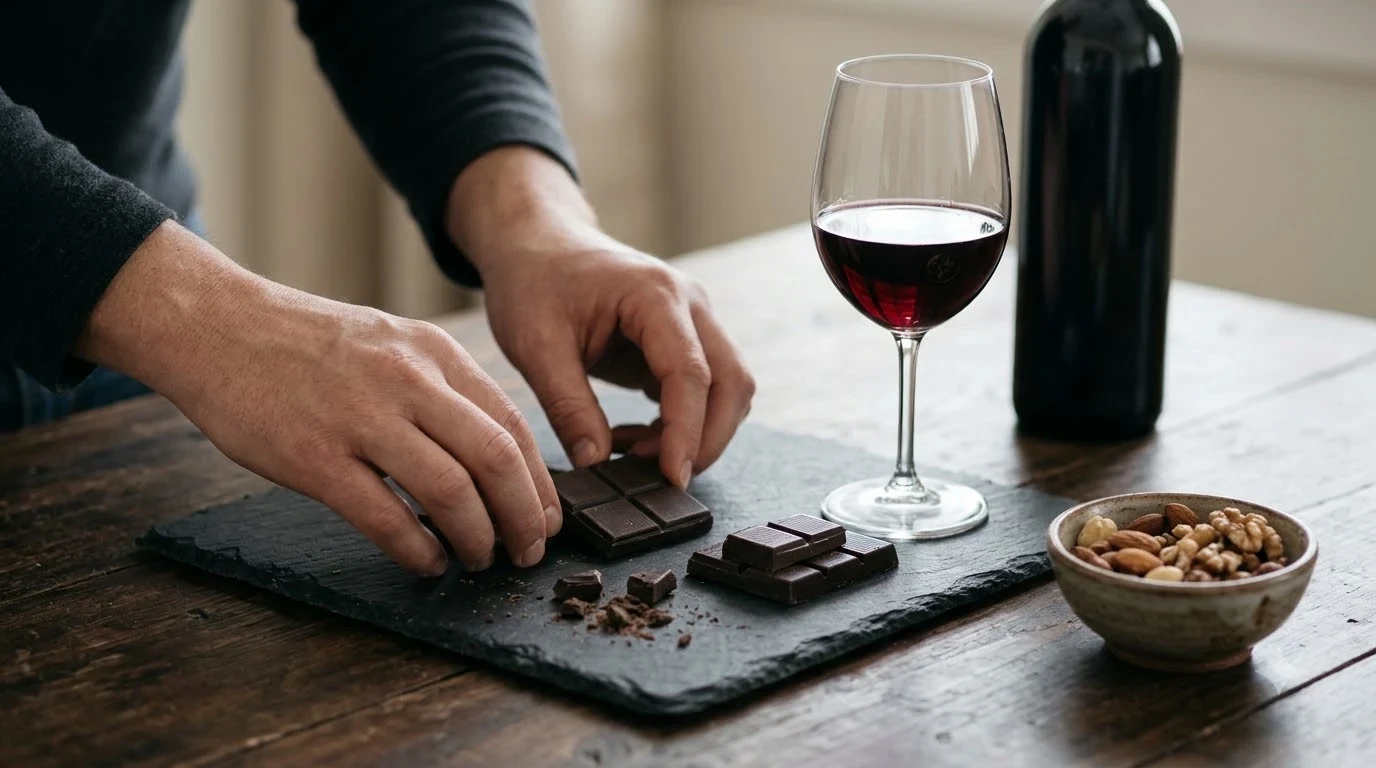

We may earn a commission when you buy through links on this page, at no extra cost to you. Learn more.
Zweigelt wine is Austria’s signature red, a fruity, medium-bodied wine with bright cherry flavors and soft tannins. The grape was bred in 1922 and is now the most popular dark-berried variety in Austria. Its easygoing style makes it a practical alternative to Pinot Noir and Gamay for American drinkers.
This guide explains what zweigelt wine tastes like, where it comes from, and how it compares with other light reds. It also covers food pairings and simple buying and storage advice for shoppers in the United States.
What Is Zweigelt Wine?
Zweigelt is a red wine grape that produces fresh, approachable wines, mostly in Austria. Most bottles are dry and meant for everyday drinking rather than long aging. The grape is well suited to people who want a red that is easy to open on a weeknight.
The grape is a cross between St. Laurent and Blaufränkisch, two red varieties with strong Central European roots. According to the Foundation Plant Services grape record at UC Davis, it is a vitis vinifera variety with black berries used for wine. Its official name is Zweigelt, but you may also see Rotburger or Blauer Zweigelt on Austrian labels.
For American buyers, the practical point is style. Zweigelt usually shows fresh red fruit, moderate structure and a relaxed finish. Many people use it as a go-to red for simple dinners, picnics and casual gatherings.
Origin and History of Zweigelt
Zweigelt was developed in 1922 at the Klosterneuburg research station near Vienna. It is named after the scientist who created it, and it has become a symbol of modern Austrian winemaking.

Friedrich Zweigelt made the cross as part of his work at Klosterneuburg, the state school for viticulture. The Foundation Plant Services variety record credits the cross to Dr. Zweigelt at that station and lists the parentage as St. Laurent crossed with Blaufränkisch. The variety was released the same year it was created, which is why 1922 appears so often in its history.
The name has also become a sensitive topic. Zweigelt was a committed National Socialist, and his past has been widely discussed in Austria since the late 2010s. In 2018, an artist collective proposed renaming the grape Blauer Montag, but producers have mostly kept the name Zweigelt. Readers who want a balanced account can read the entry on Wikipedia, which covers both the breeding and the naming debate.
Flavor Profile and Style
Zweigelt wine typically offers red cherry, plum and light spice, with soft tannins and a fresh finish. Its aromas are often more fruit-forward than earthy, which makes it approachable for newer red wine drinkers.
Style depends a lot on the producer. Lighter versions are made for early drinking and emphasize juicy fruit and a bright, slightly tart edge. Riper or oak-aged examples can show darker berries, more body and a longer finish. Reading the back label or the producer’s tasting notes helps you find the style you prefer.
Color is another clue. Reviewers in Washington State’s Puget Sound area have noted that Zweigelt tends to be darker than Pinot Noir grown in the same area. The same reviewers say the grape ripens about one to two weeks earlier than Pinot Noir there, which shows how much site and climate shape the final wine.
Where Zweigelt Is Grown
Austria is the heartland of Zweigelt, and the grape is planted in smaller amounts in several other countries. Its home base is still the most important, and it remains the leading red in the country by planted area.
According to a Wikipedia entry on Friedrich Zweigelt, Blauer Zweigelt covers roughly 6,400 hectares in Austria. That makes it the most significant red wine grape there. The same family of articles notes that the Czech Republic counts it as its third most widely planted red variety, at about 4.7 percent of vineyards. You can read the full Zweigelt grape entry on Wikipedia for a fuller list of regions.
Outside Central Europe, Zweigelt has appeared in Ontario’s Niagara Peninsula and in British Columbia, Canada. In the United States, small plantings exist in Washington State. Some newer vineyards in Belgium, Poland, Slovakia and Hungary have also begun to plant it. Because the acreage outside Austria is limited, American shoppers will find fewer bottles on store shelves than from more common varieties.
| Region | What the sources report |
|---|---|
| Austria | Home region and the most planted dark-berried variety |
| Czech Republic | Third most widely planted red variety by share of vineyards |
| Slovakia and Hungary | Grown in multiple wine regions, with smaller plantings |
| Canada | Plantings in Ontario and British Columbia |
| Washington State | A few small vineyards, including Puget Sound plantings |
Zweigelt vs. Other Light-Bodied Reds
Zweigelt sits between Gamay and Pinot Noir for many drinkers, though it can be deeper in color than both. Comparing the three helps you choose the right bottle for your table.
Gamay is usually the lightest and most fruit-driven of the three, with a juicy, almost playful character. Pinot Noir tends to be more delicate and earthy, with a silky texture that rewards careful serving. Zweigelt lands in the middle, with more structure than Gamay and a fresher, more direct fruit profile than many Pinot Noirs.
| Trait | Zweigelt | Pinot Noir | Gamay |
|---|---|---|---|
| Typical body | Light to medium | Light to medium | Light |
| Main fruit notes | Red cherry, plum | Red berry, cherry | Bright red fruit, berry |
| Texture | Soft tannins | Silky, delicate | Very soft, juicy |
| Best for | Casual dinners | Special meals | Easy sipping |
If you enjoy the savory edge found in Italian reds, the chianti grape profile offers a different take on cherry fruit and acidity. Zweigelt is generally softer and more fruit-led, which can be a relief for drinkers who find some Italian reds too tart.
Food Pairings for Zweigelt
Zweigelt works well with roasted poultry, mushroom dishes and cured meats. Its fresh acidity and soft tannins make it flexible at the table, so it rarely overwhelms lighter foods.
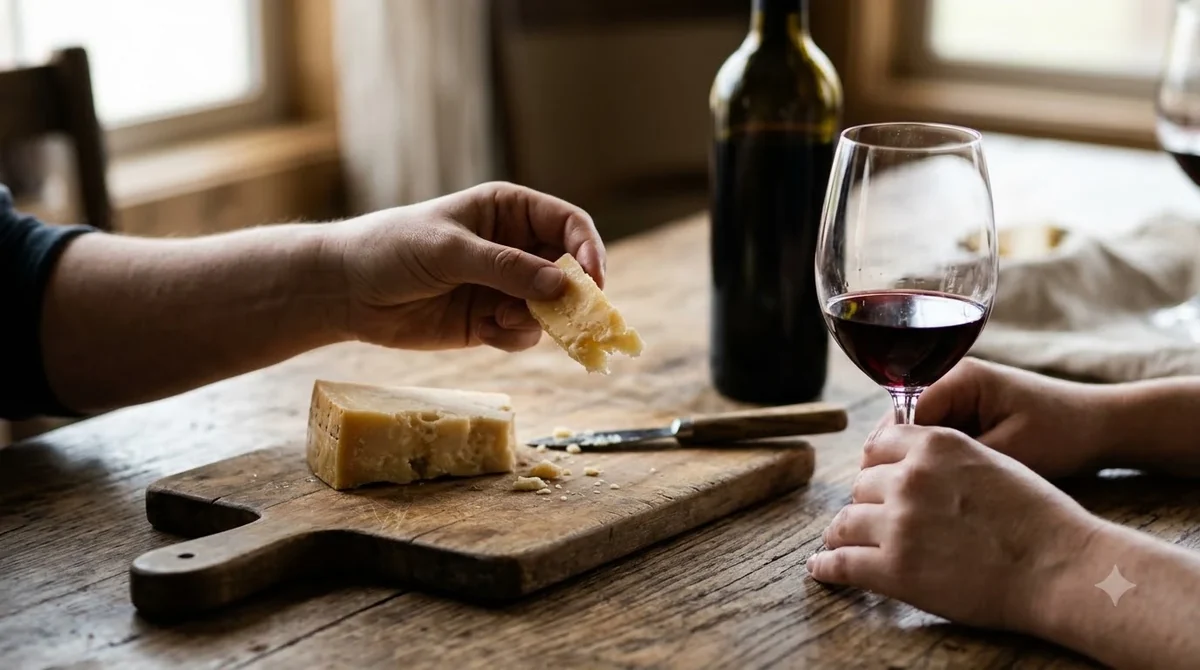
Austrian classics are a natural match. Schnitzel, roasted pork and sausages all pair nicely with a bright, fruity red. Vegetarian meals built on mushrooms, lentils or roasted root vegetables also suit the wine’s earthy and cherry notes. For a casual spread, try charcuterie, aged cheese and crusty bread.
Serving temperature and glass shape matter more than many people expect. A short chill in the refrigerator can make the fruit feel brighter on a warm day. Enjoy the wine with food and in moderation, and check the producer’s notes for specific serving suggestions.
How to Buy and Store Zweigelt
Look for recent vintages from Austrian producers if you want the freshest fruit. The label should name the grape as Zweigelt, Blauer Zweigelt or Rotburger, and the back label often lists the region and vintage.
- Check the front label for the grape name, including Blauer Zweigelt or Rotburger.
- Read the back label or the importer’s website for the region, vintage and producer details.
- Choose a recent vintage if you want fresh, fruity drinking.
- Consider an older bottle only if the producer notes that it is built for aging.
Most Zweigelt is best enjoyed within a few years of its vintage. Store unopened bottles on their side in a cool, dark place away from heat and light. Once opened, re-cork the bottle and keep it in the refrigerator for a few days, since the fruit fades over time. Ask a local wine shop for Austrian recommendations if your store carries only a few bottles.
Frequently Asked Questions
What does zweigelt wine taste like?
Zweigelt usually tastes of red cherry and plum, with light spice and soft tannins. Lighter styles are juicy and fresh, while riper or oak-aged versions can show darker fruit and more body.
Is zweigelt wine similar to Pinot Noir?
Zweigelt and Pinot Noir share a light to medium body and red fruit notes. Zweigelt is often more direct and fruit-forward, while Pinot Noir tends to be more delicate and earthy.
Why does zweigelt sometimes appear as Rotburger?
Rotburger is a synonym that was created in 1978 to show that several new Austrian crosses shared a common origin. Austrian vintners still use it on some labels, although most producers prefer the name Zweigelt.
What foods go well with zweigelt?
Roasted poultry, pork, sausage, mushroom dishes and charcuterie all pair well with Zweigelt. Its fresh acidity and soft tannins make it flexible for casual meals.
Zweigelt is an easy red to explore once you know its style and origin. Start with a recent Austrian bottle, then compare it with a Pinot Noir or Gamay at your next dinner. To learn about other grape families, visit the Wine by Type section.
More in Wine Types & Grapes
 Zinfandel Sugar Content: Dry Red vs. White Zinfandel GramsUpdated Nov 21, 2026
 Best Zinfandel Substitute Options for Sipping and CookingUpdated Nov 21, 2026
 Zweigelt Food Pairing: Best Dishes, Cheeses, and Serving TipsUpdated Nov 21, 2026
 Zinfandel Tannins Explained: How Structure Shapes Every BottleUpdated Nov 21, 2026
 Zinfandel Sweetness Level: Dry Red vs. Sweet White Zin ExplainedUpdated Nov 21, 2026
 Xinomavro Food Pairing: Best Dishes, Styles, and Serving TipsUpdated Nov 21, 2026