

We may earn a commission when you buy through links on this page, at no extra cost to you. Learn more.
Bollinger white wine is primarily white Champagne, a premium sparkling wine from France made with grapes including Pinot Noir, Chardonnay, and Meunier. The house is particularly known for its rich, structured Champagne, its use of oak barrels, and its extended aging of reserve wines. Its white Champagne selection includes approachable non-vintage Special Cuvée, distinctive Pinot Noir-based PN Blanc de Noirs, and vintage expressions such as La Grande Année. Understanding these styles makes it easier to choose a bottle for a celebration, dinner, or special occasion.
Bollinger occupies a distinctive position in Champagne because it combines traditional production methods with a recognizable emphasis on Pinot Noir. Although the grape has dark skin, it can produce white sparkling wine when the juice is separated from the skins before significant color extraction occurs. This approach gives Bollinger considerable freedom to create white Champagne with richness, structure, freshness, and fine bubbles. The differences between its cuvées are important: grape composition, vineyard origin, reserve-wine blending, and aging all influence the finished wine.
What Bollinger White Wine Actually Means
Bollinger white wine generally refers to the house’s white Champagne rather than an ordinary still white wine. These bottles are sparkling wines protected by the Champagne appellation, made in northeastern France using the traditional method of secondary fermentation in the bottle.
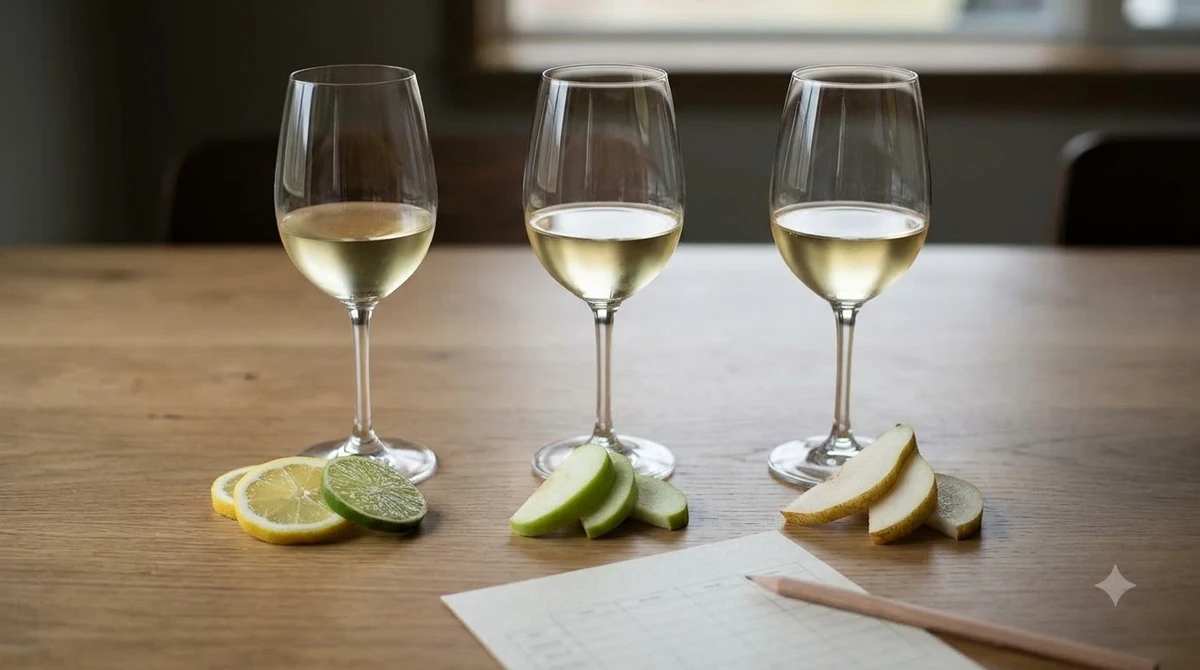
The distinction between grape color and wine color is particularly important when understanding Bollinger. Pinot Noir is a black-skinned grape, but its juice is relatively pale. When winemakers press the grapes carefully and limit skin contact, they can produce a white wine from this variety. Chardonnay is naturally a white grape, while Meunier is another black-skinned Champagne variety used in white sparkling blends.
Bollinger’s approach is especially interesting because Pinot Noir plays a larger role in its identity than it does in many other Champagne houses. The grape contributes body, structure, and red-fruit characteristics that can make a white Champagne feel more substantial than a delicate, Chardonnay-dominant sparkling wine.
Champagne production also distinguishes Bollinger from ordinary white wine. The initial wine undergoes a second fermentation in its bottle, producing carbon dioxide and the fine bubbles associated with traditional Champagne. The wine then spends time aging on its lees, which can contribute bread, biscuit, pastry, and creamy characteristics.
There is another distinction worth understanding: not every white Champagne made by Bollinger is a Blanc de Blancs. Blanc de Blancs means white wine made exclusively from white grapes, usually Chardonnay in Champagne. Blanc de Noirs means white sparkling wine made entirely from black-skinned grapes. Bollinger PN belongs to the second category because it uses Pinot Noir exclusively.
For readers exploring the broader category, the Wine Brands collection provides a useful starting point for understanding how individual producers establish recognizable wine styles.
The Main Bollinger White Champagne Styles
Bollinger offers several white Champagne expressions, each with a different balance of grape varieties, blending, and aging. Special Cuvée is a useful starting point, PN highlights Pinot Noir, and La Grande Année offers a more focused expression of an individual harvest.
Special Cuvée is the house’s signature non-vintage Champagne. It combines wines from different harvests with reserve wines to maintain a recognizable house character. Its blend contains 60% Pinot Noir, 25% Chardonnay, and 15% Meunier. According to Bollinger, more than 85% of the grapes come from Grand Cru and Premier Cru vineyards.
Bollinger PN takes a different approach. Rather than combining all three principal Champagne varieties, this cuvée uses 100% Pinot Noir. It is therefore a Blanc de Noirs, and its individual editions emphasize different vineyard origins and base vintages. Verzenay and Tauxières are two important locations associated with the house’s PN expressions.
La Grande Année is the house’s vintage Champagne, produced from exceptional harvests. Its composition changes according to the vintage, so its Pinot Noir and Chardonnay proportions should not be assumed to remain identical between releases. The 2014 edition, for example, contains 61% Pinot Noir and 39% Chardonnay from 19 crus.
| Champagne | Grape composition | Style | Best reason to choose it |
|---|---|---|---|
| Special Cuvée | 60% Pinot Noir, 25% Chardonnay, 15% Meunier | Non-vintage Brut | Classic Bollinger house style |
| Bollinger PN | 100% Pinot Noir | Blanc de Noirs | Exploring Pinot Noir character |
| La Grande Année 2014 | 61% Pinot Noir, 39% Chardonnay | Vintage Brut | Vintage complexity and oak influence |
| Vieilles Vignes Françaises | 100% Pinot Noir | Blanc de Noirs | Discovering a rare single-vineyard expression |
These proportions describe particular cuvées or editions, not every Bollinger bottle. The composition of vintage Champagne changes with the harvest, and PN editions can emphasize different vineyard origins. Comparing the actual cuvée names is therefore more useful than assuming all bottles from one producer taste alike.
Another important distinction is the difference between white and rosé Champagne. Bollinger Rosé includes red wine in its blend to achieve its pink color. Its production and flavor profile differ from those of the white Champagne expressions discussed here.
Grapes, Vineyards, and Traditional Winemaking
Pinot Noir is central to Bollinger’s identity, while Chardonnay contributes freshness and Meunier adds another dimension to the blend. The combination of these varieties, selected vineyard sites, and traditional cellar techniques helps explain the house’s characteristic depth.
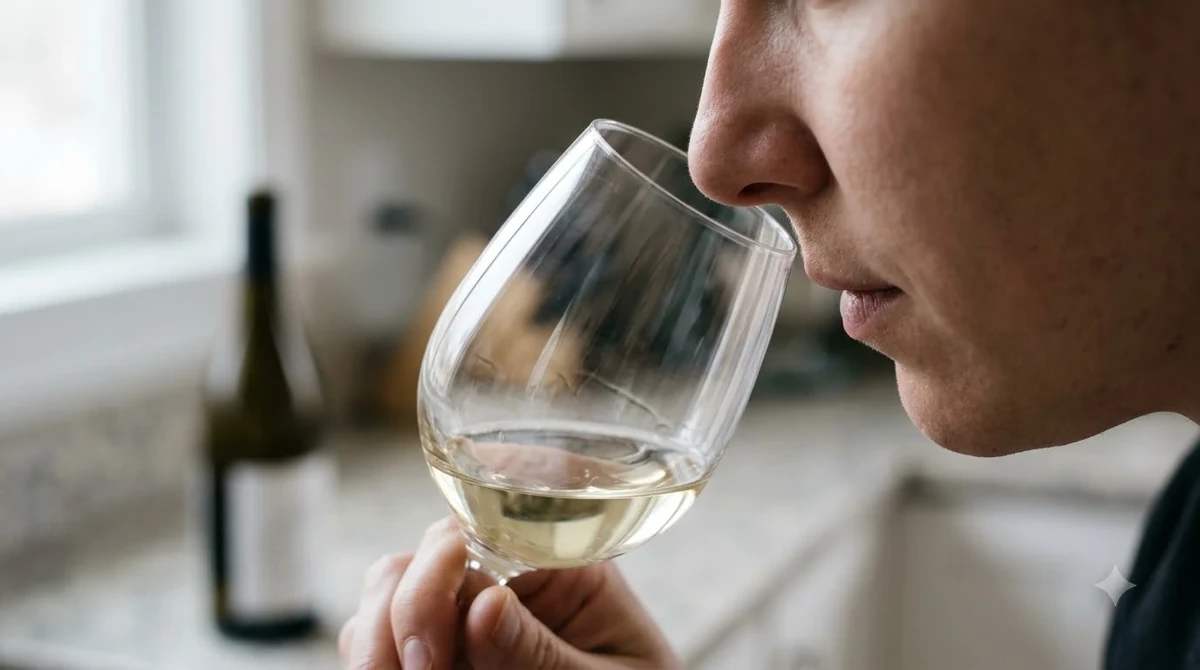
Pinot Noir contributes much of the structure found in Bollinger Champagne. It can produce flavors reminiscent of red apple, cherry, ripe pear, and subtle red berries, even when the finished wine is white. Its relatively substantial texture makes it particularly useful in Champagne blends designed to offer richness rather than just lightness.
Chardonnay provides an important counterbalance. It is associated with citrus, orchard fruit, floral notes, and freshness. In a blend dominated by Pinot Noir, Chardonnay helps preserve definition and prevents the wine from becoming excessively broad or heavy.
Meunier completes the traditional three-grape combination in Special Cuvée. Its contribution can help bring fruitiness and balance to a blend. Although its proportion is smaller in this particular cuvée, it remains an important component of the house’s non-vintage Champagne.
Why vineyard origin matters
Champagne’s vineyard classifications include Grand Cru and Premier Cru sites. These designations identify recognized vineyard villages within the appellation. Bollinger draws on grapes from several locations, and differences in soil, exposure, and growing conditions influence the characteristics of the wines.
Verzenay is particularly relevant to Bollinger PN. The producer associates this village’s contribution with depth, elegance, tension, and a saline finish. Tauxières, another important origin, is associated with precision, complexity, and tension in the PN TX17 expression.
Aÿ is another significant village in the producer’s history. Located in the Marne Valley, it has been the home of Champagne Bollinger since its establishment in 1829. Decanter’s producer profile identifies the village as a defining part of the house’s heritage and discusses the importance of its Pinot Noir vineyards.
The importance of oak barrels
Oak fermentation is one of the most recognizable features of Bollinger’s winemaking philosophy. Fermentation in barrels can introduce subtle oxidative development and texture while allowing the wine to develop additional aromatic complexity. The resulting character may include toasted nuts, pastry, spice, and mature orchard fruit.
La Grande Année demonstrates this approach particularly clearly. According to Bollinger, the 2014 vintage was fermented entirely in oak barrels approximately 20 years old. The wine also underwent extended aging in the bottle under natural cork before release.
Traditional Champagne production involves several distinct stages, including primary fermentation, blending, secondary fermentation in the bottle, aging on lees, riddling, and disgorgement. These steps contribute to the finished wine’s fine bubbles, texture, and complexity. They also explain why vintage Bollinger Champagne can develop additional layers of flavor over time.
Bollinger White Wine Tasting Notes and Flavor Profiles
Bollinger white Champagne generally offers more body and depth than a very light sparkling wine. Expect a combination of ripe orchard fruit, citrus, toasted notes, subtle spice, and refreshing acidity, with the precise balance depending on the cuvée and vintage.
Special Cuvée provides a good introduction to the house’s recognizable flavor profile. Bollinger describes aromas of roasted apples, apple compote, and peaches, alongside ripe fruit and spices. On the palate, the wine develops pear, brioche, and fresh walnut characteristics, supported by fine bubbles and a combination of structure and freshness.
The wine’s texture is an important part of its appeal. Rather than feeling thin or sharply acidic, Special Cuvée has a fuller mouthfeel. Its Pinot Noir contribution helps create a more substantial impression, while Chardonnay provides the freshness needed to maintain balance.
PN offers a different interpretation of the house style. Since the cuvée uses Pinot Noir exclusively, it emphasizes the grape’s individual character rather than balancing it with Chardonnay and Meunier. The exact aromatic profile varies according to the edition, vineyard origin, and base vintage.
For example, Bollinger identifies Verzenay expressions with depth and elegance, while its Tauxières PN TX17 description emphasizes precision and vivacity. These differences illustrate why the edition name matters when comparing bottles within the PN range.
La Grande Année provides another level of complexity. The official tasting description of the 2014 vintage includes cherry, lemon, quince, bergamot, hazelnut, almond, peach, and mirabelle plum. Its palate combines intense effervescence, delicate acidity, orchard fruit, citrus, and a mineral finish.
Wine Enthusiast’s review of the 2018 La Grande Année describes an especially layered aromatic profile, including raspberry, white peach, blood orange, rose hip, jasmine, saffron, ginger, and hazelnut. These notes demonstrate how a particular vintage can develop a more complex personality than a general description of the house style suggests.
Understanding sweetness and acidity
Most familiar Bollinger white Champagne expressions are Brut wines. Brut indicates a relatively dry sparkling-wine style, although the wine can still contain some residual sugar. This is different from Extra Dry, which is actually a slightly sweeter sparkling-wine category despite its name.
Acidity also plays an important role in the overall impression. A wine with noticeable acidity can taste refreshing even when it has a creamy texture or ripe fruit character. This combination of freshness and richness is one reason Champagne can work particularly well with food.
Tip: When comparing two Bollinger bottles, taste them at the same temperature and use similar glassware. Begin with the aromas, then compare acidity, bubble texture, body, and finish. This makes differences between Special Cuvée, PN, and vintage Champagne easier to recognize.
How to Serve and Store Bollinger Champagne
Serve Bollinger white Champagne chilled but not excessively cold. A temperature of approximately 46–50°F is a good starting point for richer Champagne, allowing its fruit, oak, and lees-derived aromas to remain noticeable.
Bollinger recommends serving Special Cuvée between 8 and 10°C, equivalent to approximately 46–50°F. The same recommended range appears in the producer’s guidance for La Grande Année 2014. These temperatures provide a useful reference for enjoying the wines without suppressing their aromatic character.
Temperature affects how Champagne behaves in the glass. When the wine is too warm, alcohol and sweetness can become more noticeable, while the bubbles may seem less refreshing. Excessive chilling can make aromas difficult to identify and reduce the apparent complexity of mature Champagne.
A practical approach is to refrigerate the bottle before serving and allow a few minutes for the temperature to settle after opening. If the bottle has been stored at room temperature, chilling it in an ice bucket containing water and ice can cool it more quickly and evenly than placing it directly in a freezer.
Glassware and pouring
A tulip-shaped sparkling-wine glass is a useful choice for Bollinger. Its wider bowl provides room for the aromas to develop, while the narrower opening helps concentrate them toward the nose. A standard Champagne flute can preserve the visual effect of rising bubbles, but it offers less room for aromatic examination.
Pour gently to avoid excessive foam. A standard serving is approximately 5 ounces, and a 750 ml bottle provides about five standard glasses. Smaller initial pours can be useful when serving several guests or comparing multiple cuvées.
Storage after opening
Unopened Champagne should be stored away from direct sunlight, heat, and sudden temperature changes. A cool, dark storage location near 55°F is a useful target. Bottles intended for extended storage are generally kept on their sides when their closures benefit from contact with the wine.
After opening, sparkling wine gradually loses carbon dioxide and freshness. Refrigeration and a proper sparkling-wine stopper help slow this process. As a general guideline, opened sparkling wine is best consumed within one to three days.
Vintage Bollinger may benefit from careful cellar aging, but not every bottle requires extended storage. Special Cuvée is designed to offer an enjoyable house-style experience upon release, while vintage expressions can develop further complexity under suitable conditions. Storage history, bottle condition, and the individual vintage all influence aging potential.
Food Pairings for Bollinger White Wine
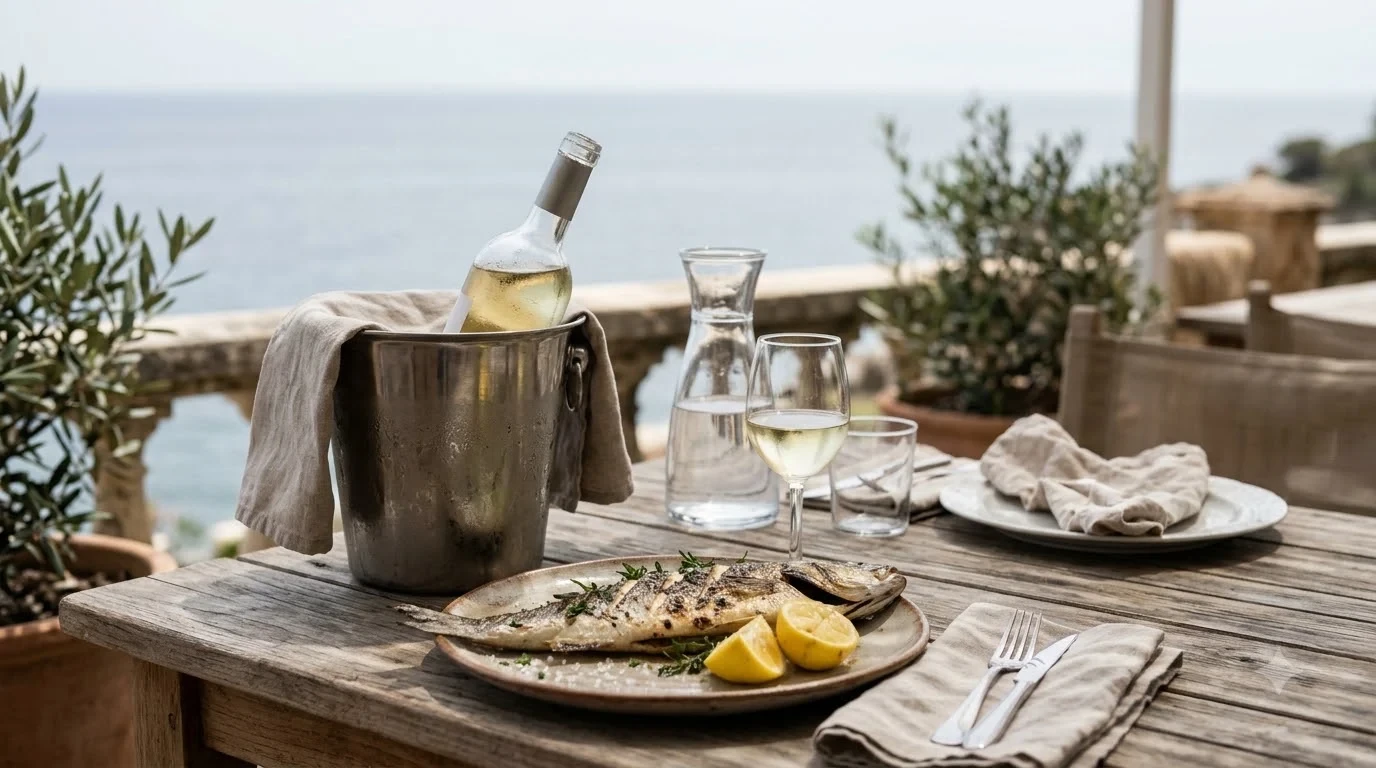
Bollinger white Champagne pairs particularly well with seafood, poultry, creamy dishes, and foods with moderate richness. Its acidity refreshes the palate, while its fuller body and savory characteristics allow it to accompany more substantial meals than many delicate sparkling wines.
Seafood is a natural starting point. Oysters, shrimp, scallops, crab, and lobster work well with the wine’s freshness and fine bubbles. The combination is especially appealing when seafood is served with lemon, herbs, or a light butter sauce.
Special Cuvée is also suitable for sushi and sashimi. The acidity can complement clean seafood flavors, while the wine’s structure provides enough presence for richer preparations. Avoid pairing particularly delicate raw fish with heavy sauces that would overwhelm the Champagne’s subtler aromas.
Scallops are another excellent option. Pan-seared scallops with a light butter sauce can complement the roasted apple, pear, brioche, and nut characteristics associated with Special Cuvée. Bollinger itself highlights truffled scallop carpaccio as a pairing for this cuvée.
Poultry and white meat are also useful matches. Roast chicken, turkey, and simply prepared veal can work well because they offer enough flavor and texture without overwhelming the wine. Cream-based sauces can create an especially satisfying pairing with the fuller-bodied expressions.
Cheese offers additional possibilities. Parmesan, Comté, and other mature hard cheeses can complement the nutty and savory characteristics of aged Champagne. The salt and fat in cheese can also soften the perception of acidity and create a more rounded combination.
Pairing suggestions by Bollinger style
Special Cuvée is versatile enough for appetizers and a full meal. Try it with oysters, shrimp, roast chicken, Parmesan, or cured ham. Its combination of ripe fruit, spice, and freshness allows it to work across several courses.
PN can be especially interesting with dishes that have more savory character. Mushroom preparations, roast poultry, and richer seafood dishes can complement its Pinot Noir structure. The precise match depends on the edition, since the vineyard origin and vintage influence the wine’s character.
La Grande Année deserves more carefully considered dishes. Grilled lobster, scallops with light sauces, roast poultry, and sophisticated seafood preparations can match its complexity. Its oak influence and extended aging give it enough texture to accompany food with several layers of flavor.
Very spicy dishes are less suitable because alcohol and chili heat can amplify each other. Similarly, heavily sweet desserts can make a dry Champagne taste more acidic and austere. If serving dessert, choose a sparkling wine at least as sweet as the food rather than assuming every Champagne is appropriate.
Choosing Between Bollinger Special Cuvée, PN, and La Grande Année
The best Bollinger white Champagne depends on the occasion, preferred flavor profile, and interest in vintage character. Special Cuvée is the natural starting point for understanding the house, PN is ideal for exploring Pinot Noir, and La Grande Année offers a more distinctive vintage expression.
Special Cuvée is particularly useful when a bottle needs to work across several situations. Its non-vintage blend combines multiple harvests and reserve wines to maintain a recognizable style. The 60% Pinot Noir composition gives it substance, while Chardonnay and Meunier contribute balance and fruit character.
Readers who already enjoy structured sparkling wine may prefer PN. Its exclusive use of Pinot Noir makes it an interesting comparison with a traditional three-grape Champagne blend. It also provides an opportunity to explore how individual vineyard origins can influence the character of the finished wine.
La Grande Année is a strong choice for a more focused vintage experience. Its production is associated with exceptional harvests, and its oak fermentation and extended maturation contribute to a more layered style. The 2014 vintage is a particularly clear example of the relationship between vineyard selection, grape composition, and cellar techniques.
For readers comparing Bollinger with its other Champagne expressions, the article on Bollinger Special Cuvée tasting notes offers a more detailed look at the house’s signature non-vintage wine.
It is also useful to distinguish the white Champagne range from the producer’s red wines. Bollinger makes La Côte aux Enfants, a still red wine produced from Pinot Noir, which is a different product from the white PN Champagne. Readers interested in this distinction can explore Bollinger red wine separately.
For a first bottle, Special Cuvée is generally the most straightforward introduction. It provides a recognizable combination of Pinot Noir richness, Chardonnay freshness, fine bubbles, and mature fruit characteristics without requiring an understanding of individual vintage differences.
For a more specialized experience, PN and La Grande Année provide two different directions. One focuses on the character of a single grape variety, while the other emphasizes the expression of a particular harvest through blending and traditional winemaking.
For additional background on Bollinger’s production philosophy, the producer’s official Special Cuvée description explains its grape proportions, reserve-wine contribution, aging, and tasting characteristics. Decanter’s Bollinger producer profile provides further historical and winemaking context.
Frequently Asked Questions
Is Bollinger white wine the same as regular Champagne?
Bollinger white wine is Champagne, provided it carries the Champagne appellation and is made according to its production requirements. The name refers to the producer’s particular style rather than a separate wine category. Champagne from other producers can use similar grapes but taste quite different because of blending and cellar practices.
Does Bollinger make a white wine using only Pinot Noir?
Yes. Bollinger PN is made entirely from Pinot Noir and is classified as Blanc de Noirs. This is different from Blanc de Blancs, which is made exclusively from white grapes. The color remains white because the winemaking process limits the extraction of pigment from the dark grape skins.
How much alcohol does Bollinger Champagne contain?
Alcohol content varies by cuvée and vintage. For example, Wine Enthusiast lists the 2018 La Grande Année at 12.5% alcohol by volume. Always distinguish the alcohol percentage of an individual release from general assumptions about the producer’s entire range.
What does the word Brut mean on a Bollinger bottle?
Brut is a regulated sparkling-wine sweetness category indicating a relatively low residual-sugar level. Under the standard Champagne sweetness classification, Brut contains less than 12 grams of sugar per liter. Extra Brut and Brut Nature are drier categories, while Demi-Sec and Doux are sweeter.
Is Bollinger PN the same wine as Vieilles Vignes Françaises?
No. Both are Pinot Noir-based Blanc de Noirs Champagnes, but they are separate cuvées with different production identities. Vieilles Vignes Françaises comes from rare ungrafted Pinot Noir vineyards in Aÿ, while PN explores different expressions of Pinot Noir through changing vineyard origins and base vintages.
Bollinger white Champagne is an excellent example of how Pinot Noir, Chardonnay, traditional bottle fermentation, and careful aging can create sparkling wines with depth and freshness. Special Cuvée makes a practical introduction, PN highlights the distinctive character of Pinot Noir, and La Grande Année provides a more focused vintage experience. Comparing these expressions is the best way to discover which Bollinger style suits your preferences and the occasion.
More in Wine Brands
 Underwood Wine Price: Compare Bottles, Cans, and Pack SizesUpdated Nov 21, 2026
 Zenato Wine Price: Compare Styles and Choose the Right BottleUpdated Nov 21, 2026
 Zuccardi Wine Price: Compare Bottles and Find the Right RangeUpdated Nov 21, 2026
 Yellow Tail Moscato Review: Taste, Sweetness and Serving TipsUpdated Nov 21, 2026
 Wolf Blass Yellow Label Review: Choose Your Best StyleUpdated Nov 21, 2026
 Wolffer Estate Rose Review: Choose the Right Bottle for Your TableUpdated Nov 21, 2026