

We may earn a commission when you buy through links on this page, at no extra cost to you. Learn more.
Bollinger Special Cuvee tasting notes describe a golden, toasty non-vintage Champagne with ripe orchard fruit, brioche and fresh walnut. The Brut is blended mostly from Pinot Noir, with Chardonnay and Pinot Meunier in support, and a majority of aged reserve wines. Critics describe a creamy, round texture with lively acidity, and the producer recommends serving it between 46 and 50°F. It pairs especially well with sushi, shellfish and roasted poultry.
Bollinger’s flagship is one of the most recognized non-vintage Champagnes, and most buyers want the same few answers: what it tastes like, what goes into it, and how to serve it. This guide pulls those answers together from the producer’s own tasting notes, a recent VinePair review, retailer listings that quote Wine Spectator, James Suckling and Wine & Spirits, and Decanter’s tasting notes. It covers the 1911 naming story, the blend, the reserve wines, critic scores, serving temperature and food pairings, so you can decide quickly and taste with more focus.
The Aroma and Palate Profile of Bollinger Special Cuvee
The wine shows a golden color, very fine bubbles, and a nose of ripe fruit and roasted apple, with a palate of pear, brioche and fresh walnut. Those markers hold up across the house’s own notes and independent reviews.
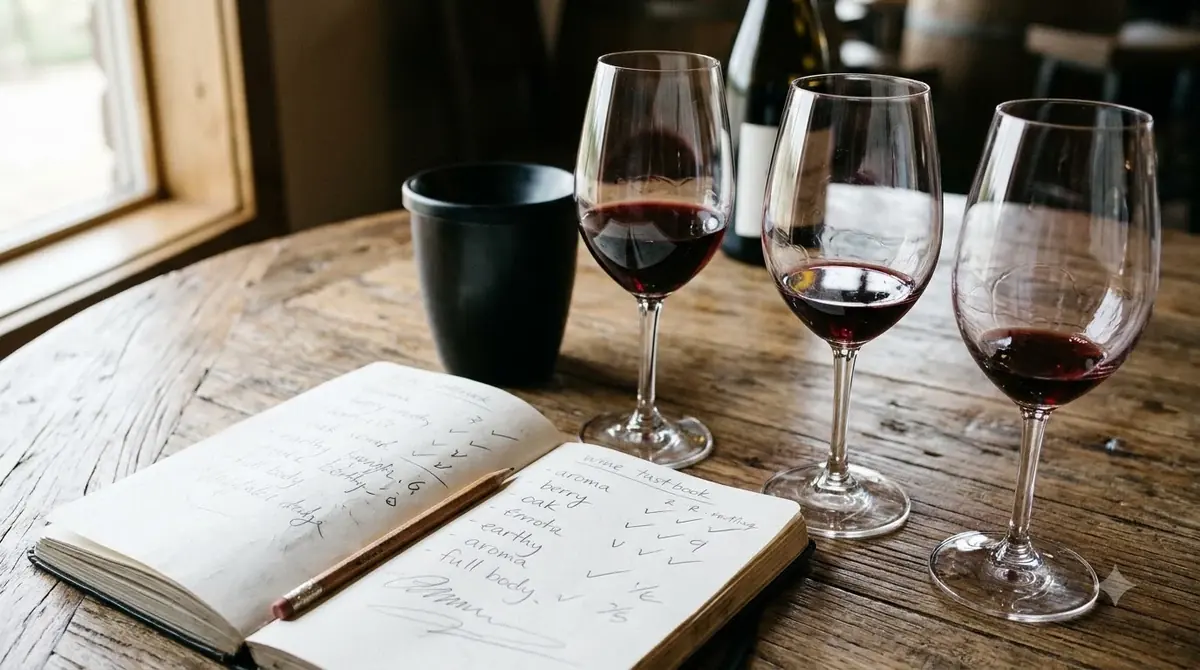
Start with the appearance. The producer’s tasting page describes a golden color that it links to black grape varieties, with very fine bubbles. On the nose, it lists hints of roasted apples, apple compote and peaches, framed by ripe fruit and spicy aromas. Those roasted and compote notes are the most distinctive part of the aroma, and they set this bottle apart from brighter, citrus-led Champagnes.
The palate is where the structure becomes clear. Champagne Bollinger describes a subtle combination of structure, length and vivacity, with bubbles that feel like velvet and flavors of pear, brioche, spice and fresh walnut. Wine.com’s notes echo that description, and James Suckling picks up a polished palate of pear, light bread dough and caramel with a refined finish. Taken together, the wine feels creamy in the mouth but keeps a clean, lively line through the finish.
Reviewers also agree on the texture. Decanter’s tasting notes describe a biscuity nose and a superb effervescent mousse, with delicious acid balance and apples, pears and white flowers up front. VinePair’s review reads the same profile as toasty brioche and clotted cream, followed by sliced green apples. If your benchmark is a still Chardonnay, the Rombauer Chardonnay tasting notes are a useful reference for how the grape reads without bubbles, and where Special Cuvee departs from that.
Where the Name Special Cuvee Came From
The name dates to 1911, when the house’s British agent suggested a label that sounded more refined than the standard term for a non-vintage brut. That small change in wording still shapes how the house presents the wine today.
The producer’s account credits the British agent of Georges Bollinger with the name. According to Champagne Bollinger’s website, he felt the expression “non-vintage brut” did not suit a Champagne of such subtlety, so the house adopted the English spelling “Special Cuvee.” The detail is small, but it set the tone for a bottle the house has built its reputation around for more than a century.
VinePair tells the same story, noting that the agent dubbed the bottling Special Cuvee because the typical brut label did not show off the wine’s remarkable qualities. Wine.com adds a family angle: six generations of the Bollinger family have kept the house’s trademark style, and it remains one of the rare Grande Marque houses owned, controlled and managed by a single family. That continuity explains why a name coined more than a century ago still signals the same wine. For more on the house itself, Champagne Bollinger’s own tasting page and the VinePair review both tell the naming story in detail.
How the Blend Shapes Bollinger Special Cuvee
The blend is 60% Pinot Noir, 25% Chardonnay and 15% Pinot Meunier, with more than 85% of the fruit coming from Grand and Premier crus vineyards.
| Component | Figure |
|---|---|
| Pinot Noir | 60% of the blend |
| Chardonnay | 25% of the blend |
| Pinot Meunier | 15% of the blend |
| Vineyard classification | Over 85% Grand and Premier crus |
| Dosage (sugar added at disgorgement) | 7 to 8 grams per liter |
| Alcohol by volume | 12% to 12.5%, depending on the listing |
| Serving temperature | 8 to 10°C (46 to 50°F) |
Pinot Noir sets the frame. Wine.com says the grape gives the Champagne its distinctive roundness and elegance, and it is the largest share of this blend. In practice that means ripe red-fruit depth beneath the toast and pastry. If you usually drink still reds, the Meiomi Pinot Noir tasting notes offer a useful comparison for how the same grape reads when it is not sparkling.
Chardonnay and Pinot Meunier do different jobs. Chardonnay adds freshness and citrus, orchard fruit and white floral lift, while Pinot Meunier brings supple red fruit and a rounder feel. Wine.com also notes that wines with a larger share of Pinot Meunier tend to be ready to drink sooner, while Pinot Noir contributes to longevity. Because this cuvee balances all three, you get the early approachability of the Meunier with the aging potential of the Pinot Noir.
The vineyard side matters too. Wine.com says the house owns 399 acres of vineyards in top Grand Cru and Premier Cru villages and covers nearly two-thirds of its grape needs from its own estate. The producer’s list of contributing villages spans the Montagne de Reims, the Vallee de la Marne and the Cote des Blancs. Dosage is moderate at 7 to 8 grams per liter, which keeps the finish dry. Reviewers describe that dry line as chalky and saline, and it is why the wine stays clean even with its creamy texture.
How Reserve Wines and Long Aging Build Depth
Reserve wines and extended cellar time give Special Cuvee its depth, and they are the main tools the house uses to keep the style steady from year to year.
Reserve wines held in magnum
The producer says the blend includes a majority of reserve wines, some of them held in magnums for between 7 and 15 years. That share runs past the usual range for non-vintage Champagne, which wine.com places at roughly 10 to 50 percent of the total blend. Those older wines add depth, structure and aromatic complexity that a single harvest cannot provide, and they help hold the house profile steady when each year’s fruit is different.
Cellar time and barrel fermentation
The producer says Special Cuvee is cellar aged for twice as long as appellation rules require. Wine.com notes that the house gives its wines extra aging on the lees before disgorgement, and its review notes that about 15 percent of the base wine ferments in old barrels. Lees contact is a major reason brioche and toast show up so clearly on the palate. The oak adds the texture that James Suckling describes as toasted-oak and vanilla flavors, kept in the background.
Decanter’s tasting notes capture the challenge behind all of this. The team recorded that this is the most difficult Bollinger wine to keep consistent from year to year, because no two years are alike. Reserve wines are the answer. By blending in older wine, the house can hold the Special Cuvee profile even when the current harvest looks very different, which is the whole purpose of a non-vintage cuvee.
Critic Scores and What Reviewers Noticed
Critics score Special Cuvee between 91 and 96, and four of the seven reviews below sit at 93 or higher.
| Publication | Score | Main notes highlighted |
|---|---|---|
| Australian Wine Companion | 96 | Spice and apple aromas with superb structure and long length |
| Wine Spectator | 94 | Ripe black currant, grilled almond and clover honey |
| Jeb Dunnuck | 93 | Raspberry, brioche, wet stone and orange blossom |
| James Suckling | 93 | Pear, bread dough, caramel and quince |
| Wine & Spirits | 92 | Pinot Noir depth with barrel-fermented reserve structure |
| VinePair | 92 | Toasty brioche, clotted cream and sliced green apples |
| Revue des Vins de France | 91 | Red fruit from Pinot Noir with a slightly drying finish |
Read the table by column and a pattern appears. Nearly every reviewer finds the same structure, brioche and apple character, and the disagreement is mostly about fruit. Some notice ripe stone fruit or pear, others pick up red berries or floral notes, and one reviewer points to a slightly drying finish. That consistency is exactly what the house is trying to show.
Jeb Dunnuck describes a fresher, more mineral-driven nose than expected and says the wine should drink well over the next decade. Wine Spectator praises a satiny mousse and well-honed acidity, which lines up with the creamy texture the producer describes. James Suckling mentions a polished palate and a refined finish. Taken together, the reviews describe a wine that feels rich but never heavy.
Use the scores as a guide to style rather than a ranking. The producer also cites scores from James Suckling and Revue des Vins de France, and its own comments line up with what independent critics describe. If you want the bready, toasty side, the Wine & Spirits and VinePair notes are the closest match. If you want more fruit lift, read the Jeb Dunnuck and Revue des Vins de France notes first.
Serving Temperature, Glassware and Storage
Serve Special Cuvee between 8 and 10°C, or 46 to 50°F, the range the producer says best brings out its style, bouquet and aromas.
That recommendation sits inside the 40 to 50°F band that suits most sparkling wine. Chill the bottle in the refrigerator for a few hours before opening, and avoid leaving it in the freezer, since forgotten bottles can burst. Once poured, the wine warms in the glass, so pour smaller amounts and refill as needed.
Glassware matters because the aromas are part of what the producer describes. A tulip-shaped white wine glass or a narrow flute holds the nose better than a wide, shallow saucer, which lets the roasted apple and brioche notes escape quickly. Pour about 5 ounces per glass, which gives roughly five glasses from a 750 ml bottle. The producer says the wine is perfect shared among friends, so plan the pour around the people at the table.
For storage, keep unopened bottles on their side in a cool, dark place near 55°F (13°C). The producer says the wine can be enjoyed right away or aged in a cellar, so a bottle you plan to keep does not need to be opened soon. Once opened, return the bottle to the refrigerator. If you are weighing this against an everyday option, the La Marca Prosecco tasting notes show how a Glera-based wine made by the tank method differs in style.
Tip: Chill the opened bottle, use a sparkling wine stopper between pours, and plan to finish it within a few days. Pouring from a cold bottle keeps the last glass tasting close to the first.
Food Pairings That Work With Special Cuvee
Special Cuvee pairs well with sushi and sashimi, shellfish, roasted poultry, cashews, and aged Italian cheese or cured ham, according to pairing notes from Wine.com.
Those notes start with fish, especially sushi and sashimi, and move to shellfish such as shrimp, prawns, crayfish and grilled lobster. They also list poultry and white meat, plus cashews, parmesan and prosciutto. These choices work because the bubbles and acidity cut through the richness of fish, cheese and cured meat rather than competing with it.
The producer adds its own signature match. Its page highlights a truffled scallop carpaccio as the perfect pairing and links to a recipe. Scallop is delicate and clean, which leaves room for the wine’s brioche and walnut notes, while the truffle echoes the wine’s savory, toasty side. A squeeze of citrus over the dish is a sensible move, because acidic food needs wine with equal or higher acidity to stay balanced, and Special Cuvee has the lively acidity to keep up.
Some dishes need caution. Chili heat feels sharper when paired with alcohol, so choose milder curries and Thai dishes over fiery ones. Dessert is the other trap: the wine should be at least as sweet as what you serve with it, and a Brut Champagne is much drier than most sweet desserts. Save Special Cuvee for the meal, or for fruit and soft cheese at the end.
Frequently Asked Questions
Is Bollinger Special Cuvee a dry Champagne?
Yes. Wine & Spirits describes its finish as dry with a mineral savor and hazelnut grace, and suggests the wine benefits from about a year in the cellar before it settles into that character. The moderate dosage keeps sweetness low, so most palates read it as dry.
How long does an opened bottle of Special Cuvee keep?
Opened sparkling wine generally keeps about one to three days in the refrigerator, after which the bubbles and fruit fade steadily. A stopper between pours slows that loss. Keep the bottle chilled the whole time so the wine holds its freshness.
Why is Bollinger’s flagship non-vintage?
Champagne’s cool climate creates real differences between harvests, so non-vintage wines blend several years to hold a consistent house style. Wine.com notes that the current year’s harvest typically forms the base of the blend, with older wines added in. That is why the Special Cuvee label promises the same profile from year to year.
Is Special Cuvee a good gift?
The producer describes it as the Champagne it gives to the people it loves and who love nice things. It suits a dinner or celebration where the bottle will be shared, which the house encourages. Its clear, expressive style works well for guests who already enjoy Champagne.
Can I serve Special Cuvee with dessert?
Usually not with sweet desserts. A wine should be at least as sweet as the dish it accompanies, and Special Cuvee is a Brut with a low dosage. Serve it before dessert, or pair it with fresh fruit and lightly sweet pastries.
Special Cuvee earns its reputation by doing one thing consistently: blending reserve wines and long aging into a style that feels rich without losing its line. Use these tasting notes to decide what to pour and what to serve with it. For more on the house and the wider category, the wine brands guide on this site is a good next stop.
More in Wine Brands
 Louis Latour Wine Price: Compare Bottles by Style and TierUpdated Nov 20, 2026
 Yellow Tail Moscato Price: What to Expect Before You BuyUpdated Nov 20, 2026
 Sutter Home Sweet Red Review: Find the Right Food PairingsUpdated Nov 20, 2026
 Franzia Chillable Red Review: Find the Right Serving StyleUpdated Nov 20, 2026
 Veuve Clicquot Rose Review: Flavor, Food Pairings and Buying AdviceUpdated Nov 20, 2026
 Rombauer Wine Price: Compare Bottles Before You BuyUpdated Nov 20, 2026