

We may earn a commission when you buy through links on this page, at no extra cost to you. Learn more.
The bollinger special cuvee price typically falls around $60 to $90 for a standard 750 ml bottle in the United States, although retailer, location, availability, and bottle format can push the cost higher or lower. This non-vintage Champagne commands a premium because of its Pinot Noir-led blend, extensive reserve-wine program, and extended cellar aging. Comparing several reputable wine retailers before purchasing is the simplest way to determine whether a particular listing represents reasonable value.
Bollinger Special Cuvée occupies an interesting position in the Champagne market. It is a non-vintage bottling rather than a prestige vintage release, yet its distinctive richness, traditional production approach, and recognizable house character place it above many everyday sparkling wines. Understanding the reasons behind its retail price helps buyers distinguish ordinary regional variation from an unusually expensive listing. It also makes it easier to decide whether this Champagne suits a celebration, dinner party, gift, or personal collection.
Who This Champagne Is For
Bollinger Special Cuvée is particularly appealing to Champagne drinkers who prefer a structured, full-bodied style rather than an extremely light, delicate sparkling wine. Its combination of 60% Pinot Noir, 25% Chardonnay, and 15% Meunier gives it a recognizable balance of fruit, acidity, texture, and depth. The producer also uses reserve wines to maintain a consistent house character across non-vintage releases.
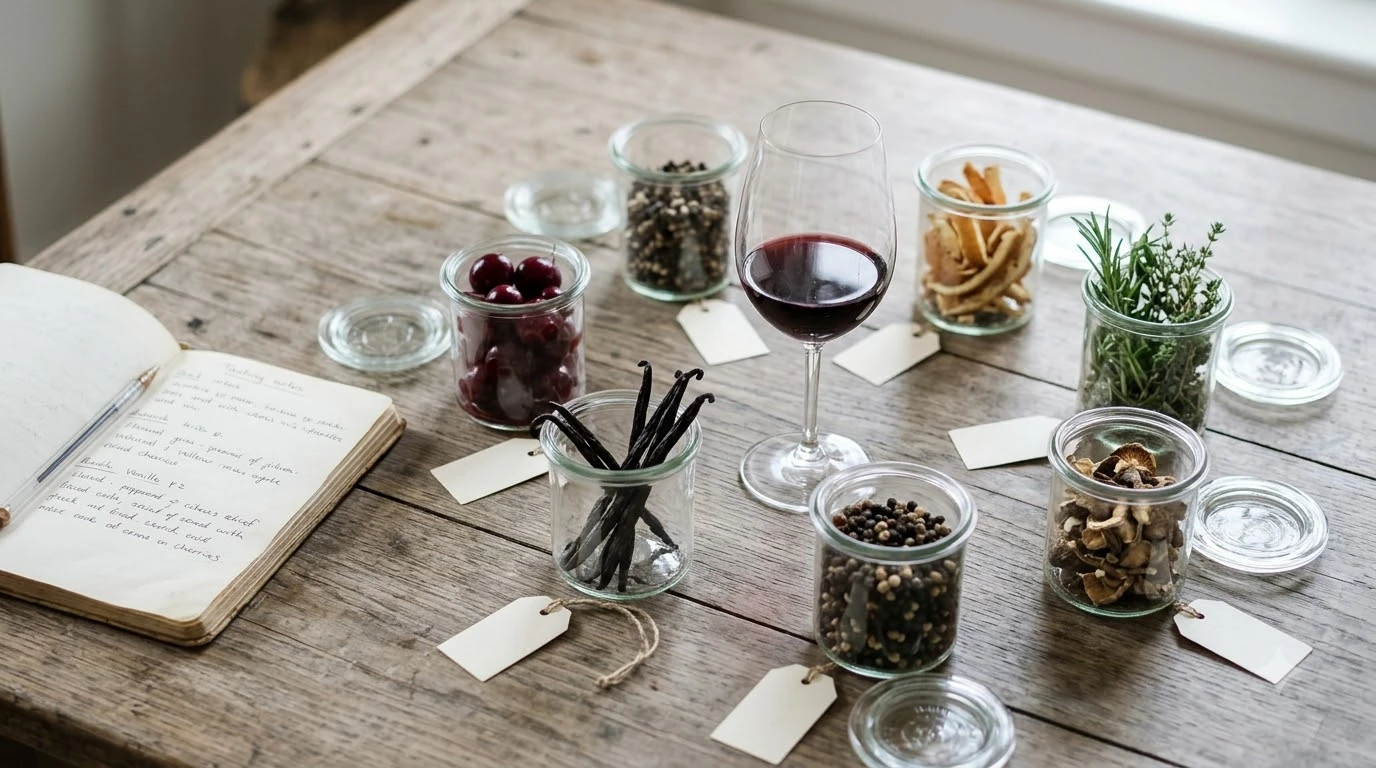
The wine makes sense for buyers who appreciate traditional Champagne production and want something with more substance than an inexpensive celebratory bottle. Its golden appearance, fine bubbles, and aromas of roasted apple, ripe peach, and spice create a profile that works across several dining occasions. Pear, brioche, and fresh walnut are also part of Bollinger’s official tasting description.
Special Cuvée can suit both experienced Champagne enthusiasts and newcomers who want to explore a recognizable producer. However, the price is easier to justify for someone who appreciates a richer, Pinot Noir-dominant style. Someone primarily interested in inexpensive, crisp sparkling wine may find less expensive alternatives more suitable.
For shoppers already familiar with the producer, the dedicated Bollinger Special Cuvée overview provides a useful starting point for understanding the bottling itself. Buyers comparing different expressions should also explore the wider Bollinger wine range before deciding which bottle best matches their preferences.
The bottle is especially appropriate for occasions where Champagne is intended to accompany food rather than simply serve as a welcome drink. Shellfish, roasted poultry, mature cheeses, and savory appetizers all offer promising pairing opportunities. Its relatively substantial body also makes it a more natural choice for a dinner table than some lighter, highly delicate sparkling wines.
Key Factors That Affect the Retail Price
The bollinger special cuvee price reflects several production and retail factors, not simply the name on the label. The grape composition, reserve-wine selection, extended maturation, distribution arrangements, and retailer margins all contribute to what shoppers eventually pay.
The most important production consideration is the use of reserve wines. According to Champagne Bollinger, some reserve wines are held in magnums for between 7 and 15 years. This approach gives the winemaking team a substantial collection of older wines to incorporate into successive non-vintage blends. Maintaining these reserves requires storage capacity, inventory management, and long-term planning.
Another factor is vineyard sourcing. Bollinger states that more than 85% of the grapes in Special Cuvée come from Grand Cru and Premier Cru vineyards. These classifications identify highly regarded vineyard sites within Champagne, and their inclusion helps explain the wine’s premium positioning.
Extended maturation also contributes to production costs. Bollinger says Special Cuvée spends twice as long aging in its cellars as the minimum required by appellation regulations. This additional time means the producer must store and manage bottles for longer before they become available for sale.
Retail conditions introduce another layer of variation. A wine merchant with favorable purchasing arrangements may offer a different price from a small specialist shop. State alcohol regulations, shipping restrictions, local taxes, inventory levels, and regional distribution can also influence the final amount.
| Price consideration | What to look for | Why it matters |
|---|---|---|
| Standard bottle | 750 ml | Most useful comparison format |
| Grape blend | 60% Pinot Noir, 25% Chardonnay, 15% Meunier | Explains the wine’s structure and style |
| Reserve wines | Some aged 7 to 15 years in magnums | Requires long-term wine inventory |
| Cellar aging | Twice the appellation minimum | Increases storage time before release |
| Dosage | 7 to 8 g/L | Helps define the finished wine’s sweetness |
| Retail location | State and merchant differences | Changes availability and final cost |
Current US retailer comparisons provide a useful indication of the market. VinoAlert lists standard 750 ml retail offers around $55 to $66 at several US merchants, including Charleston Wine & Spirits, Wine Library, and Gary’s Liquors. K&L Wine Merchants also lists the Champagne in a standard 750 ml format, while Total Wine listings demonstrate that some retail locations can price the same bottling considerably higher. Buyers can consult VinoAlert’s Bollinger Special Cuvée price comparison to examine retailer offers and bottle formats.
For practical budgeting, approximately $60 to $90 is a useful expected shopping range for a standard bottle, with higher listings possible. This range is a general buying guide rather than a guaranteed nationwide price: actual US offers vary by state and retailer, and prices can change with inventory and shipping conditions.
It is also important to compare equivalent products. A 375 ml half-bottle, 750 ml standard bottle, and 1.5 L magnum are not directly comparable by their shelf prices. The per-milliliter cost can differ, and a larger format may have a different retail premium.
Tip: Compare the final cost of a 750 ml non-vintage bottle from at least three retailers serving your state. Include shipping and applicable taxes before deciding that one listing is less expensive than another.
Step-by-Step: How to Buy Bollinger Special Cuvée
A sensible purchase begins with identifying the correct bottling and comparing equivalent formats. A few straightforward checks can help avoid paying more than necessary or accidentally choosing a different Champagne from the Bollinger range.
-
Confirm the wine name.
Look for Bollinger Special Cuvée Brut or Bollinger Brut Special Cuvée. The wine is a non-vintage Champagne, so a standard listing should not be confused with a vintage release or another cuvée from the producer.
-
Check the bottle format.
Use 750 ml as your reference size when comparing standard retail offers. Half-bottles and magnums should be assessed separately because their prices and availability differ.
-
Establish a reasonable budget.
Use approximately $60 to $90 as a practical initial shopping range for a standard US retail bottle. VinoAlert’s retailer listings and individual merchant catalogs provide useful comparisons, although state restrictions and changing stock can affect what is available.
-
Compare reputable merchants.
Check established wine retailers, specialist merchants, and local wine shops. Look for clear bottle descriptions, storage information, shipping conditions, and a properly identified producer.
-
Check the release description.
Confirm that the product is the non-vintage Special Cuvée. If a retailer supplies additional information about the base wine or disgorgement, treat those details as useful distinctions rather than assuming every bottle has an identical production history.
-
Calculate the delivered cost.
Include shipping charges, applicable sales taxes, and any minimum-order requirements. A bottle listed at a lower shelf price may become more expensive after delivery charges are added.
-
Assess storage and delivery conditions.
Choose a retailer that can handle Champagne appropriately, particularly during hot weather. If the bottle is intended as a gift or for a specific occasion, allow sufficient delivery time rather than relying on a last-minute shipment.
-
Purchase from a reliable source.
Keep the receipt and retain the bottle information. This is useful if the wine arrives damaged, the wrong format is supplied, or the retailer’s description does not match the delivered product.
Following these steps also makes future Champagne purchases easier. Once a buyer understands the standard Special Cuvée format and its typical retail positioning, it becomes simpler to recognize an unusually high listing or a potentially attractive offer.
Buyers interested in the wine’s sensory characteristics should also read the Bollinger Special Cuvée tasting notes. Understanding the expected flavor profile helps determine whether the wine’s style justifies its place in a particular purchase budget.
Types and Styles Explained
Special Cuvée belongs to the non-vintage Brut category of Champagne, but its production approach gives it a more distinctive personality than many basic non-vintage sparkling wines. Understanding the terminology behind the bottle helps explain why its price and flavor profile differ from other sparkling wine styles.
Non-vintage Champagne
Non-vintage Champagne combines wines from different harvests to create a recognizable house style. Rather than relying entirely on the characteristics of one growing season, the producer can use reserve wines to adjust structure, complexity, and consistency.
For Special Cuvée, Bollinger identifies a majority of reserve wines in the blend. Some of these wines have been aged in magnums for 7 to 15 years. This is a meaningful distinction because maintaining older reserve stocks requires space, capital, and careful cellar management.
Non-vintage does not automatically mean simple or inexpensive. Some non-vintage Champagnes involve substantial maturation and blending work, and Special Cuvée is an example of a bottling positioned above the entry-level segment.
Brut Champagne
Brut describes a dry sparkling wine category based on dosage. Bollinger lists Special Cuvée’s dosage at 7 to 8 grams per liter. This gives the wine a dry overall impression while retaining enough balance to complement its ripe fruit and developed aromas.
Champagne sweetness classifications range from Brut Nature and Extra Brut through Brut, Extra Dry, Dry, Demi-Sec, and Doux. These terms can seem counterintuitive because Extra Dry is actually sweeter than Brut. Special Cuvée’s Brut designation is therefore an important buying detail for people who prefer a relatively dry Champagne.
The Pinot Noir-led blend
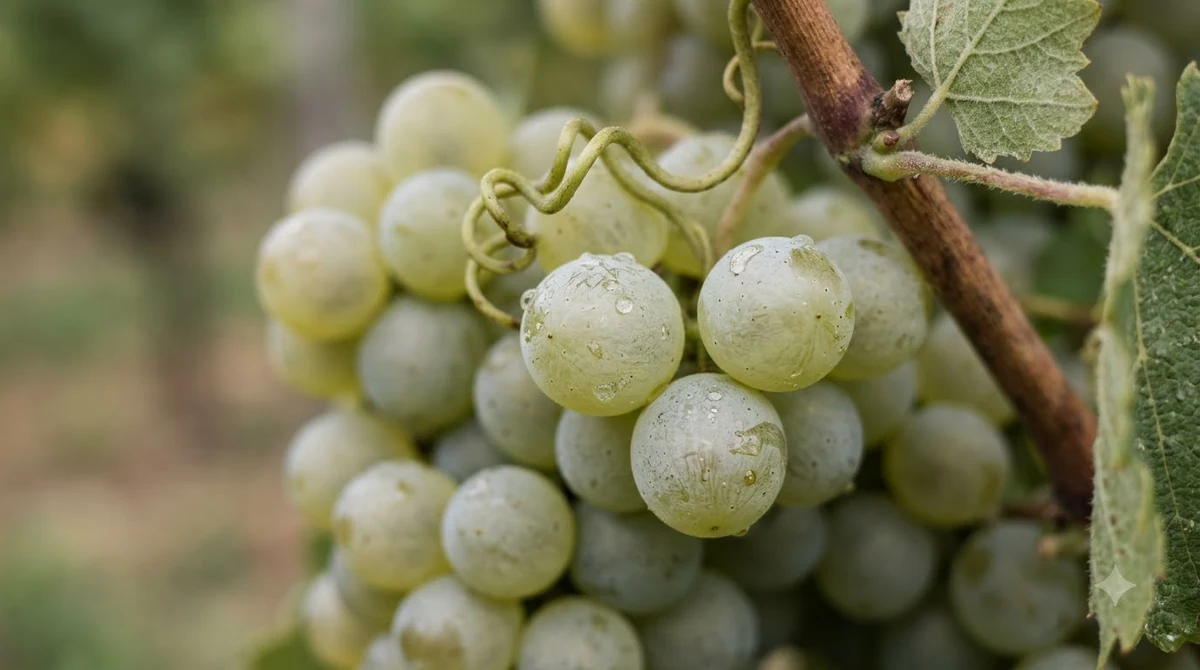
The wine’s 60% Pinot Noir component is central to its style. Pinot Noir commonly contributes body, structure, and red-fruit character to Champagne blends. Chardonnay provides freshness and citrus-related characteristics, while Meunier contributes fruit and roundness.
The resulting combination helps explain why Special Cuvée is often perceived as richer and more substantial than lighter sparkling wines. Its aromas can include roasted apples, peaches, pear, brioche, spice, and fresh walnut, according to the producer’s tasting description.
Traditional Champagne production
Champagne undergoes its second fermentation in the bottle, which produces the carbon dioxide responsible for its bubbles. This traditional method involves additional production steps and maturation requirements compared with tank-fermented sparkling wines such as Prosecco.
That distinction matters when comparing prices. Prosecco typically uses Glera grapes and the tank method, while Champagne follows a more involved bottle-fermentation process. Both styles can be enjoyable, but they offer different production traditions and drinking experiences.
Special Cuvée’s extended cellar aging and reserve-wine program add further distinctions beyond the basic requirements of traditional Champagne production. These factors contribute to its premium retail position.
Common Mistakes When Comparing Prices
The biggest shopping mistakes involve comparing different bottle formats, overlooking the difference between non-vintage and vintage Champagne, and assuming the lowest displayed amount always represents the best purchase. A little attention to product descriptions can prevent these problems.
Comparing different bottle sizes
A 375 ml bottle contains half the wine of a standard 750 ml bottle, while a 1.5 L magnum contains twice as much. Comparing their shelf prices without adjusting for volume can produce misleading conclusions.
Magnums can be attractive for larger gatherings because they offer more servings in one bottle. However, they may not deliver the lowest cost per serving. Availability can also be more limited than for the standard format.
Confusing Special Cuvée with other Bollinger wines
Bollinger produces multiple Champagne expressions, and not all carry the same production positioning or price. A listing for another cuvée should not be used as a direct benchmark for Special Cuvée.
Buyers should pay particular attention to the complete product name. A vintage bottling, rosé Champagne, or prestige cuvée can occupy a different price category even when the Bollinger name appears prominently.
Assuming every non-vintage bottle is identical
Although the house seeks consistency, non-vintage Champagne blends can differ according to their base harvest and reserve-wine composition. The underlying wines change over time, and this can create subtle differences in the finished bottle.
Such variation does not necessarily indicate a quality problem. It is part of the nature of non-vintage Champagne production, where the winemaker works with different harvests to maintain a recognizable house profile.
Ignoring shipping and state restrictions
Wine shipping laws vary across the United States. Some retailers can deliver to many states, while others operate only within selected markets. A listing that looks attractive may not be available for delivery to a particular address.
Buyers should also consider temperature exposure during transportation. Champagne is sensitive to unfavorable storage conditions, and prolonged exposure to excessive heat can negatively affect the wine. A reputable shipping arrangement is often more valuable than a small difference in the advertised shelf price.
Expecting every expensive listing to be superior
A higher retail price does not automatically mean a bottle is better stored, more desirable, or more suitable for a particular occasion. Retail margins, local availability, and purchasing arrangements can all influence the displayed amount.
Special Cuvée should be evaluated on its own characteristics rather than simply on the price attached to a listing. Its Pinot Noir-led blend, reserve-wine program, and extended maturation provide meaningful reasons for its positioning, but they do not make every retailer’s asking price equally attractive.
Serving, Care, and Storage Tips
Proper handling helps preserve the freshness, bubbles, and aromatic detail that make Special Cuvée appealing. The most useful considerations are serving temperature, storage conditions, bottle positioning, and how quickly the wine is consumed after opening.
Serve at the right temperature
Bollinger recommends serving Special Cuvée between 8 and 10°C, approximately 46 to 50°F. This temperature range keeps the Champagne refreshing while allowing its aromas to develop in the glass.
Serving it excessively cold can suppress some of its aromatic complexity. If the bottle has been stored at room temperature, chilling it before service is preferable to placing it in the freezer for an extended period.
A practical approach is to chill the bottle in a refrigerator and check its temperature before pouring. A Champagne bucket containing ice and water can also help maintain a suitable serving temperature during a dinner or gathering.
Choose appropriate glassware
A tulip-shaped sparkling wine glass can provide a useful balance between aroma development and bubble retention. A traditional flute emphasizes the visual effect of the bubbles but provides less room for aromas to develop.
Special Cuvée has more aromatic complexity than a simple, neutral sparkling wine, so a glass with a slightly wider bowl can be helpful. It gives aromas of ripe fruit, brioche, and spice more room to emerge without losing the visual appeal of the mousse.
Store unopened bottles carefully
Unopened Champagne should be stored in a cool, dark location away from temperature fluctuations and direct sunlight. A storage temperature close to 55°F is a useful target for longer-term wine storage.
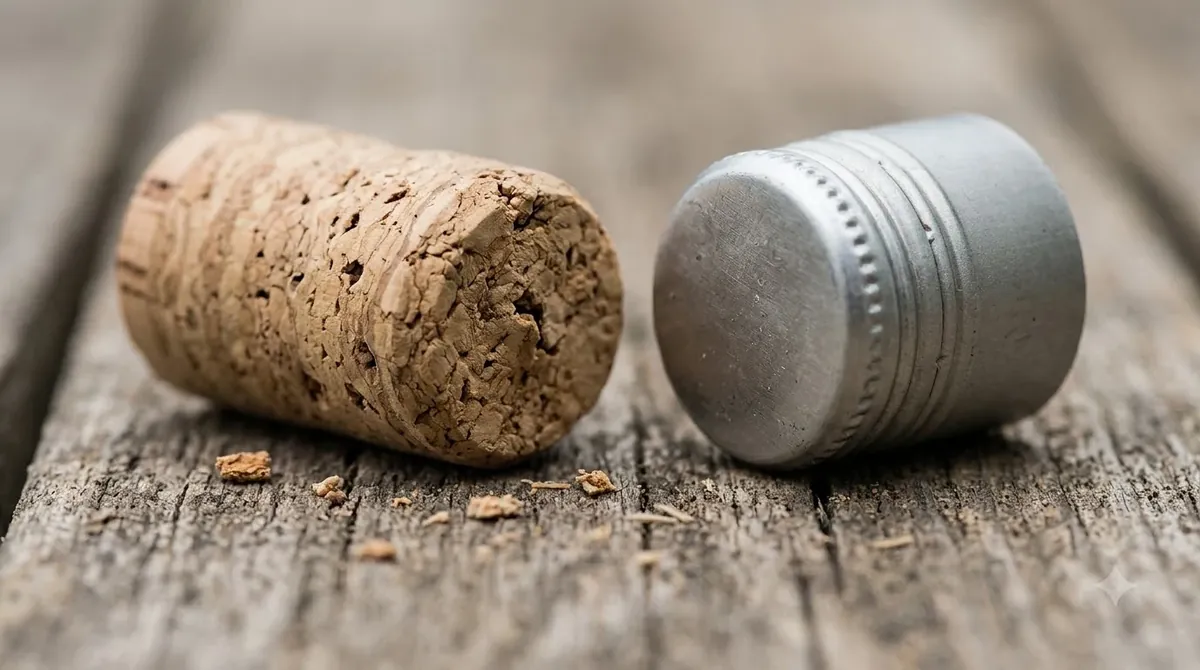
Bottles can be stored on their sides when using traditional cork closures. This helps keep the cork in contact with the wine. Avoid placing Champagne near heating equipment, kitchen appliances that generate substantial heat, or windows receiving direct sunlight.
Repeated temperature changes can be more problematic than a stable environment that is slightly warmer or cooler than the ideal. A consistent storage location is therefore preferable to moving the bottle repeatedly between different rooms.
Handle opened bottles properly
Once opened, sparkling wine begins losing carbonation. A suitable Champagne stopper helps preserve bubbles more effectively than an ordinary wine stopper, although it cannot maintain the original condition indefinitely.
As a general guideline, opened sparkling wine is best consumed within 1 to 3 days when refrigerated and properly sealed. The wine may remain drinkable beyond that period, but its lively mousse and aromatic freshness are likely to diminish.
Pair it with food
Special Cuvée’s structure makes it a flexible food wine. Shellfish, grilled lobster, shrimp, scallops, sushi, and sashimi are natural options because the wine’s acidity can complement the freshness and texture of seafood.
It also works with roasted chicken, turkey, pork, and other white meats. The wine’s fuller body gives it enough presence to accompany savory dishes that might overwhelm a particularly delicate sparkling wine.
For appetizers, consider Parmesan, prosciutto, roasted nuts, and lightly seasoned canapés. Salt and fat can soften the perception of tannin in wine, while the acidity and bubbles in Champagne help refresh the palate between bites.
Rich cream-based dishes can also work, provided the seasoning is balanced. Extremely spicy foods are less suitable because alcohol can amplify chili heat. Likewise, heavily sweet desserts are better matched with a Champagne that has enough sweetness to balance the dish.
Frequently Asked Questions
Is Bollinger Special Cuvée a vintage Champagne?
No. Special Cuvée is a non-vintage Champagne made using wines from multiple harvests. Its blend includes reserve wines that help maintain the producer’s characteristic style. The absence of a single vintage year is part of the wine’s intended identity rather than an indication of lower quality.
How many glasses can you pour from one bottle?
A standard 750 ml bottle provides approximately five traditional 5 oz servings. Smaller tasting pours of 3 oz produce about eight servings, making the bottle suitable for a small reception or tasting event. The number of glasses also depends on the glass shape and how generously each serving is poured.
Does Bollinger Special Cuvée contain oak-aged wine?
Some independent professional descriptions of Special Cuvée discuss fermentation partly in oak casks. However, the precise proportion and cellar treatment can vary between the wines used for individual blends. This is separate from the producer’s confirmed use of reserve wines aged in magnums.
Can Bollinger Special Cuvée be used for a Champagne cocktail?
Yes. Its dry profile and substantial flavor make it suitable for Champagne cocktails, including a classic Champagne Cocktail made with a sugar cube and aromatic bitters. However, its complexity and premium positioning make drinking it without additional ingredients a sensible choice for buyers who want to appreciate the original blend.
Is Special Cuvée suitable for vegetarian food pairings?
Yes. It can accompany mushroom dishes, roasted cauliflower, vegetable tarts, aged cheeses, and savory pastry. Ingredients such as toasted nuts, herbs, and lightly browned butter can complement the Champagne’s pear, brioche, and spice characteristics. For particularly acidic dishes, choose preparations with enough acidity to match the wine.
Bollinger Special Cuvée is a distinctive non-vintage Champagne whose retail position reflects its reserve-wine program, Pinot Noir-led blend, and extended cellar aging. For most US buyers, comparing several reputable retailers and targeting a reasonable standard-bottle price is the best approach to purchasing it confidently. Once the bottle is home, proper chilling, careful storage, and thoughtful food pairings help make the purchase more rewarding.
More in Wine Brands
 Underwood Wine Price: Compare Bottles, Cans, and Pack SizesUpdated Nov 21, 2026
 Zenato Wine Price: Compare Styles and Choose the Right BottleUpdated Nov 21, 2026
 Zuccardi Wine Price: Compare Bottles and Find the Right RangeUpdated Nov 21, 2026
 Yellow Tail Moscato Review: Taste, Sweetness and Serving TipsUpdated Nov 21, 2026
 Wolf Blass Yellow Label Review: Choose Your Best StyleUpdated Nov 21, 2026
 Wolffer Estate Rose Review: Choose the Right Bottle for Your TableUpdated Nov 21, 2026