

We may earn a commission when you buy through links on this page, at no extra cost to you. Learn more.
Bollinger Special Cuvée is the house’s non-vintage Champagne, blended each year to show a consistent style rather than the character of a single harvest. It is a rich, toasty sparkling wine that works as an aperitif and also with a wide range of food. Serve it cold in a standard flute or tulip glass and give the bottle time to settle after it arrives.
Bollinger is one of the best-known Champagne houses, and its Special Cuvée is the wine most drinkers meet first. If you are deciding whether it fits a celebration, a dinner, or a gift, this guide covers what the name means, how the wine is made, how to serve it, and what to eat with it.
What Special Cuvée Means
In Champagne, a cuvée is a particular blend or lot of wine. Special Cuvée is the house’s flagship non-vintage bottling, which means it is not labeled with a single year. Non-vintage Champagne is blended from several harvests so the house can keep the same taste from one release to the next. That consistency is why many buyers choose it for a reliable everyday bottle that still feels special.
Bollinger is based in Aÿ, a village in the Montagne de Reims, and the house’s website highlights its new production facility there. The address matters less to a drinker than the style, but it reminds you that the wine comes from a specific place in the Champagne region rather than a generic blend.
How the Wine Is Made
Champagne is made by the traditional method, in which a second fermentation takes place inside the bottle. This is what creates the fine bubbles and the yeasty, toasty character that many people associate with the style. Non-vintage wines spend a substantial time on their lees before release, and that extended contact is one reason they taste rounded rather than sharp.
The exact blend and aging of the Special Cuvée are described on the house’s own pages, which the official site links to rather than printing in full on its main page. If you want the specific grape proportions or the time on lees for the current release, check the label or the producer’s product page, since those details can change from one edition to the next.
Flavor and Style
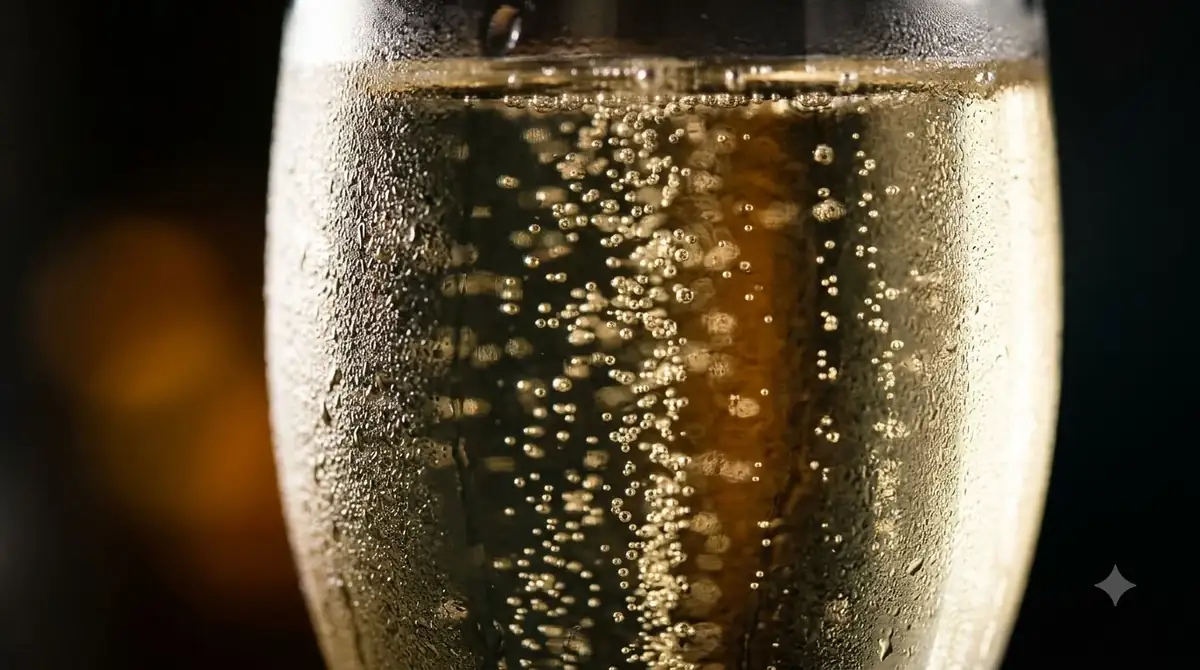
Expect a Champagne that leans toward ripe fruit, baked bread, and a creamy texture, with the fine bubbles that make it feel light on the tongue. Non-vintage Champagnes like this one are usually built for balance, so the acidity keeps the wine fresh while the richness gives it weight. It is a good all-around style for drinkers who want more body than a basic sparkling wine without the intensity of a vintage or single-vineyard bottling.
Because the wine is designed as a house style, you should not expect a dramatic shift each time you open a new bottle. That is a strength for people who enjoy recognizing the same character from year to year, and it is why many restaurants and wine shops keep it as a go-to selection.
How to Serve Special Cuvée
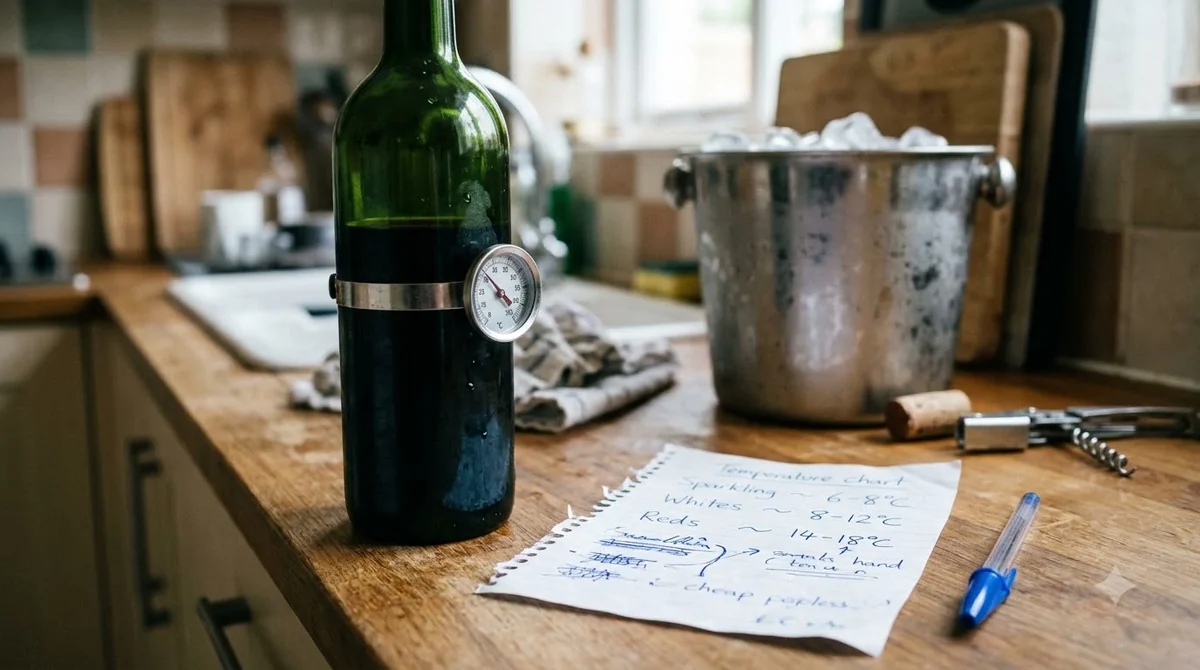
Serve Champagne cold, but not so cold that the aromas disappear. A bottle that has rested in the refrigerator for several hours usually reaches a good temperature for pouring. Open it carefully, keeping the cork under control and turning the bottle rather than the cork, and pour into a flute or a tulip-shaped glass that holds the bubbles and aromas.
Once opened, reseal the bottle with a proper stopper and keep it chilled. The wine loses its bubbles over a day or two, so finish it within that window if you can. For a celebration, pour a small amount first, then fill the glasses once the bubbles settle, which keeps the foam under control.
Food Pairings for Special Cuvée
A rich, toasty Champagne goes well with food that has salt, fat, or a bit of acidity. Fried or salty snacks, oysters, and soft cheeses are classic matches, and a simple roast chicken or buttered shellfish works well with the wine’s creamy texture. The bubbles also cut through fried food, which is why Champagne is often served with dishes that might overwhelm a still white wine.
For dessert, choose something simple rather than very sweet. Fresh berries, a plain pound cake, or a lightly sweetened fruit tart will let the wine’s bread and fruit notes come through. Very sugary desserts can make a dry Champagne taste thin by comparison.
Special Cuvée Compared With Other Champagne Styles
Champagne is a broad category, and it helps to know where the Special Cuvée sits. The table below compares it with two common alternatives so you can choose the right bottle for the occasion.
| Style | What it usually means | Best for |
|---|---|---|
| Non-vintage house Champagne | Blend of several years, consistent house style | Everyday celebrations, aperitif, gifts |
| Vintage Champagne | Made from one harvest in a strong year, often more intense | Special occasions, long aging, serious tasting |
| Blanc de Blancs | Made only from white grapes, often lighter and crisper | Oysters, seafood, light appetizers |
Tip: If you are buying for a dinner party, choose a bottle that matches the first course. A rich non-vintage Champagne fits fried snacks and salty appetizers, while a lighter style can carry seafood through the meal.
If you are comparing Champagne with other sparkling wines for your next event, the wine brands guide on this site explains how different houses approach their styles and why the same label can taste different across regions.
Buying and Storing Special Cuvée
Non-vintage Champagne is widely sold in wine shops, supermarkets, and restaurants, so you rarely have to search far for a bottle. When you buy, look at the label for the disgorgement information and check that the bottle has been kept upright and away from heat. Champagne is sensitive to temperature swings, and a bottle that has been sitting in a hot display case may taste flatter than it should.
Special Cuvée is built to be enjoyed within a short time of release, so there is no need to lay it down for years. If you buy a bottle for a future occasion, keep it on its side or upright in a cool, dark cupboard, away from strong odors. A steady temperature protects the bubbles and the fresh bread and fruit character that make the wine appealing.
If you are shopping for a gift, the label is usually enough for the recipient to recognize the house. Pair the bottle with a small plate of nuts or a box of good crackers and a note about when to serve it, and the gift feels thoughtful without extra packaging. If the person on your list prefers still wine, a bottle from Spottswoode or Pedernales can sit alongside the Champagne on the same table, and the choice of a still red or a sparkling wine often comes down to the menu more than the occasion.
Frequently Asked Questions
What does non-vintage mean on a Champagne label?
It means the wine is blended from more than one harvest and is not labeled with a year. The house uses this approach to keep the same flavor profile from one release to the next.
Is Bollinger Special Cuvée good for a gift?
Yes. It is a recognizable house wine that many people enjoy, and the presentation of a well-known Champagne label makes it easy to choose for a celebration or a host gift.
How long should I chill it before serving?
A few hours in the refrigerator is usually enough to bring the bottle to a good serving temperature. If you are in a hurry, an ice bath for a shorter time also works.
How long does an opened bottle keep?
Reseal it with a stopper and keep it chilled. Sparkling wine loses its bubbles over a day or two, so it is best finished soon after opening.
Bollinger Special Cuvée rewards a simple approach: chill the bottle, pour it into a proper glass, and serve it with salty food or fresh fruit. For more background on the house and its wines, the official Bollinger website is the best place to check current releases and storage advice.
More in Wine Brands
 Underwood Wine Price: Compare Bottles, Cans, and Pack SizesUpdated Nov 21, 2026
 Zenato Wine Price: Compare Styles and Choose the Right BottleUpdated Nov 21, 2026
 Zuccardi Wine Price: Compare Bottles and Find the Right RangeUpdated Nov 21, 2026
 Yellow Tail Moscato Review: Taste, Sweetness and Serving TipsUpdated Nov 21, 2026
 Wolf Blass Yellow Label Review: Choose Your Best StyleUpdated Nov 21, 2026
 Wolffer Estate Rose Review: Choose the Right Bottle for Your TableUpdated Nov 21, 2026