


We may earn a commission when you buy through links on this page, at no extra cost to you. Learn more.
Blaufrankisch tasting notes typically feature blackberry, black cherry, sour cherry, peppery spice, and earthy mineral flavors, supported by lively acidity and firm, structured tannins. This dry Austrian red wine usually has a medium to full body, deep ruby color, and a refreshing finish. Its character changes with vineyard location and winemaking, ranging from fresh, juicy berry-driven bottles to concentrated, oak-aged wines with considerable complexity.
Blaufränkisch is one of Central Europe’s distinctive red grapes, particularly associated with Austria’s Burgenland region. It offers a combination that many red wine drinkers appreciate: the dark fruit and structure of a serious red wine, balanced by enough acidity to keep each sip lively. Understanding its aromas, palate, regional differences, and aging potential makes it easier to recognize the grape and choose a style that suits your preferences.
Blaufränkisch Flavor Profile: Dark Fruit, Spice, and Freshness
Blaufränkisch is generally a dry red wine with concentrated dark fruit, noticeable acidity, and medium to firm tannins. Its defining combination is ripe blackberry and sour cherry alongside savory spice and a refreshing, energetic finish.
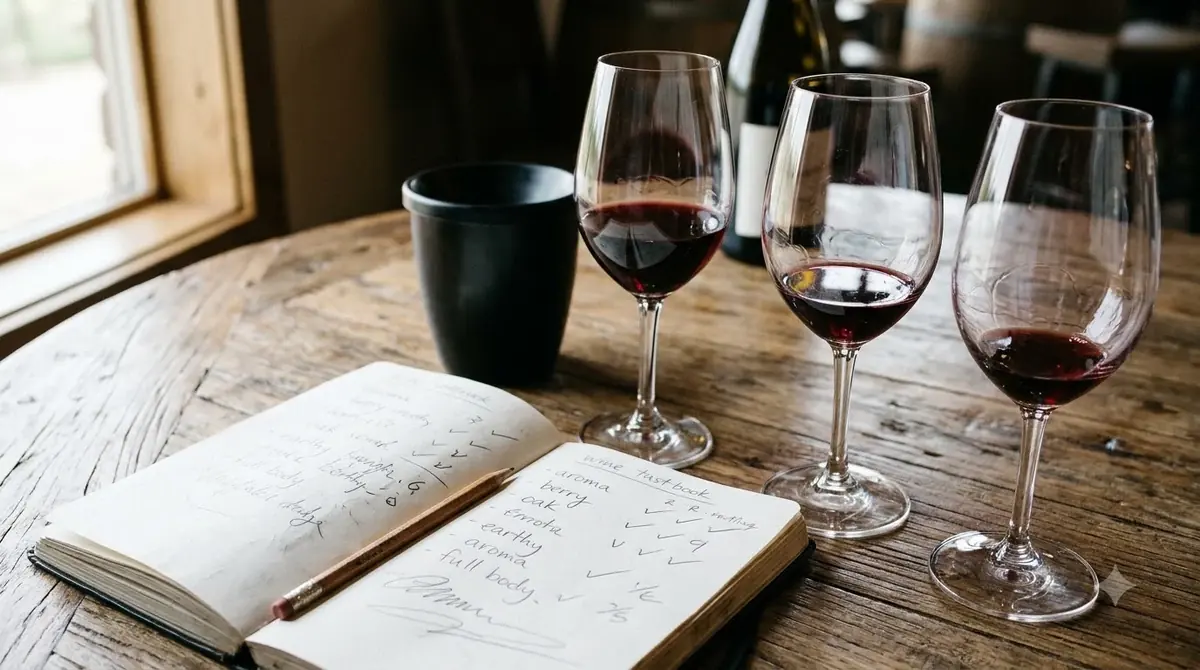
The first aromas commonly include blackberry, black cherry, and other dark forest berries. Depending on ripeness and origin, the fruit may appear fresh and juicy or darker and more concentrated, resembling ripe blackcurrant and cooked berries. Sour cherry adds a slightly tart dimension that prevents the fruit from seeming excessively sweet or heavy.
Spice is another important part of the variety’s identity. Black pepper, dried herbs, and earthy aromas can appear alongside the fruit. Some examples also develop hints of violet, dark chocolate, tobacco, forest floor, and mineral characteristics. These secondary aromas become especially interesting in wines with greater concentration or bottle age.
Although Blaufränkisch can be powerful, its acidity distinguishes it from many other full-bodied red wines. Rather than presenting an entirely soft, broad impression, it usually maintains a refreshing line through the middle of the palate and into the finish. Its tannins provide grip without necessarily making the wine feel excessively harsh.
Color offers another useful clue. Young examples often display deep ruby or purple-ruby coloring, sometimes with violet highlights around the rim. The intensity reflects the grape’s dark skins and the extraction used during winemaking.
These characteristics make Blaufränkisch an interesting alternative to other dark-fruited reds. Readers familiar with Grenache tasting notes may recognize overlapping berry aromas, but Blaufränkisch generally offers firmer tannins and more pronounced acidity. It is also usually more structured than an uncomplicated, fruit-forward red.
The overall impression is a wine that combines fruit richness with freshness. Its flavor profile is recognizable, but the balance between these elements depends heavily on growing conditions, vineyard soils, grape ripeness, and cellar decisions.
Aroma Characteristics: What to Look for in the Glass
Blaufränkisch aromas typically develop in layers, beginning with dark berries and cherries before revealing pepper, herbs, flowers, and earthy details. A systematic examination of the nose helps distinguish youthful fruit from more mature and oak-influenced characteristics.
Start by identifying the dominant fruit. Blackberry and black cherry are particularly useful reference aromas, while sour cherry provides a brighter, more tart impression. Some wines also suggest wild blueberries, blackcurrants, and mixed forest berries. The exact combination depends on the growing region and the ripeness of the grapes.
Next, look for savory aromas. Black pepper is a recognizable possibility, although the intensity varies considerably between producers. Dried thyme, earthy soil, and subtle herbal notes can make the nose more complex. These characteristics are especially interesting when the fruit remains fresh rather than becoming dominated by heavy oak aromas.
Floral and mineral impressions
Violet is another aroma that may appear in Blaufränkisch. It can provide a delicate floral quality behind the darker fruit, making the wine seem more lifted and aromatic. Mineral impressions, meanwhile, may resemble wet stone, graphite, or a flinty sensation. These are sensory descriptions rather than proof that a particular mineral from the vineyard has transferred directly into the wine.
Soil and regional conditions influence the expression. Wines from schist-influenced sites can show an energetic, mineral character, while examples from loamy soils may emphasize juicy berry fruit. This distinction is particularly useful when comparing wines from different parts of Burgenland.
How oak changes the aroma
Winemaking introduces another layer of variation. Stainless-steel maturation generally preserves a direct expression of fruit and freshness. Large wooden casks can add texture while allowing the grape’s character to remain prominent. Smaller oak barrels, particularly new barriques, can contribute aromas resembling vanilla, toast, clove, smoke, and baking spices.
Oak is not automatically a sign of better quality. In well-balanced Blaufränkisch, the wood supports the fruit, acidity, and tannins instead of covering them. A heavily oaked example may seem richer and more internationally styled, while a less oaked bottle can provide a clearer impression of the grape and its origin.
For a useful tasting exercise, smell the wine immediately after pouring and again after five to ten minutes in the glass. Note whether the fruit becomes more expressive, whether pepper emerges, and whether oak or earthy aromas become easier to identify. These observations help build a more detailed understanding than simply describing the wine as fruity or spicy.
Palate, Acidity, Tannins, and Body
On the palate, Blaufränkisch typically combines medium to full body, lively acidity, and medium-plus to firm tannins. The result is a structured red wine that feels substantial without losing the freshness needed to balance its dark fruit.
Acidity is one of the variety’s most important characteristics. It gives the wine energy and helps prevent concentrated fruit flavors from feeling heavy. The sensation can be compared with biting into a sour cherry rather than eating a very ripe, sweet blackberry. This contrast is central to the grape’s appeal.
Tannins provide the wine’s structural framework. They create a drying sensation along the gums and inside the cheeks, particularly in younger examples. Their intensity varies with grape ripeness, extraction, vineyard conditions, and maturation. Well-made wines can have firm tannins that gradually become more integrated as the wine matures.
The body usually sits in the medium-to-full range. Cooler-feeling, more mineral-driven examples may seem relatively lean, while ripe, concentrated bottles can have a broader and more substantial texture. Alcohol, fruit concentration, and oak treatment all influence the perception of weight.
Blaufränkisch tasting structure
A useful way to describe the palate is to separate its main components instead of treating every sensation as one general impression.
| Characteristic | Typical expression | What to notice |
|---|---|---|
| Sweetness | Dry | Fruitiness does not mean residual sweetness. |
| Acidity | Medium-high to high | Refreshing, lively sensation and a clean finish. |
| Tannins | Medium-plus to firm | Noticeable grip, especially in young wines. |
| Body | Medium to full | Weight and concentration across the palate. |
| Fruit | Dark berries and cherries | Blackberry, black cherry, and sour cherry. |
| Other flavors | Spicy and savory | Pepper, herbs, earth, and mineral impressions. |
| Color | Deep ruby to purple-ruby | Often particularly intense in youthful examples. |
| Finish | Medium to long | Lingering fruit, spice, and tannic structure. |
The finish is an important part of the tasting experience. A well-balanced bottle may leave impressions of sour cherry, black pepper, and subtle earthiness after the initial fruit has faded. Greater concentration and carefully managed oak maturation can produce a longer, more layered finish.
Blaufränkisch can also develop a more supple texture with age. The fruit may become less immediately fresh, while dried berries, leather, tobacco, and earthy aromas become more noticeable. Tannins can feel smoother and better integrated, although the wine’s natural acidity often remains an important part of its identity.
For comparison, Cabernet Sauvignon generally has high tannin and can feel more muscular, while Pinot Noir often has lower tannin and a more delicate structure. Blaufränkisch occupies an interesting position between these styles, combining substantial structure with bright acidity and distinctive savory character.
Regional Differences Across Austria’s Blaufränkisch Vineyards
Austria’s main Blaufränkisch regions produce recognizable differences in fruit intensity, mineral character, and oak influence. Mittelburgenland, Eisenberg, and Leithaberg are particularly useful origins to understand when comparing bottles.
Mittelburgenland is the central reference point for the variety. Often called Blaufränkischland, the region includes Deutschkreutz, Horitschon, Lutzmannsburg, and Neckenmarkt. Its warm Pannonian climate, deep loamy soils, and approximately 300 sunshine days annually support ripe grapes and concentrated berry flavors.
The regional association identifies approximately 2,041 hectares of vineyards in Mittelburgenland, with Blaufränkisch occupying around 55% of the vineyard area. These conditions help explain the region’s association with dark forest berries, generous fruit, and structured reds. Its wines can become increasingly complex and supple with careful bottle maturation.
Eisenberg, in southern Burgenland, is associated with freshness, mineral character, and spicy fruit. Its Blaufränkisch often has a more pronounced savory impression, with a firm structure that remains energetic rather than simply rich. Schist-influenced soils contribute to the region’s distinctive reputation for mineral and lively wines.
Eisenberg DAC wines emphasize fruit and mineral spice with little noticeable oak, while Reserve versions can be more powerful and receive maturation in large oak barrels or barriques. The difference provides a useful illustration of how both origin and winemaking influence the final wine.
Leithaberg offers another interpretation. Its geological profile includes crystalline rock, schist, and limestone, and the wines are associated with mineral character, elegance, and savory complexity. The red Leithaberg DAC is made from Blaufränkisch and matured in wooden barrels, with oak intended to remain discreet rather than dominate the wine.
Leithaberg examples can therefore be especially interesting for drinkers who prefer structure and mineral detail over overtly ripe fruit. Their style demonstrates why Blaufränkisch should not be treated as a single, uniform flavor profile.
Other Austrian areas also contribute distinctive expressions. Rosalia produces fresh, fruity, spicy wines, while Carnuntum uses Blaufränkisch in red DAC wines that can also include Zweigelt. Together, these regions show the grape’s adaptability across different vineyard conditions.
For additional regional context, the Wine by Type resource can help place Blaufränkisch among the broader range of red wine styles. The Austrian Wine grape-variety publication also describes its characteristic forest-berry fruit, distinctive acidity, and firm tannins in its guide to Austrian grape varieties.
Winemaking and the Influence of Oak Aging
Blaufränkisch can be made in several styles, from fresh and fruit-focused wines to concentrated reds matured in oak. Stainless steel, large wooden casks, and smaller barriques each influence texture, aromatic development, and the balance between fruit and savory characteristics.
Stainless-steel fermentation and maturation generally preserve the grape’s fresh fruit expression. These wines tend to emphasize blackberry, sour cherry, and pepper without significant vanilla or toast aromas. They can be especially appealing to drinkers who want to understand the variety’s natural character without a strong influence from oak.
Large wooden casks provide a different approach. Because they are generally less intrusive aromatically than new small barrels, they can support texture and maturation while allowing the fruit and regional character to remain prominent. This approach is particularly relevant to traditional Austrian red wine styles.
Barrel maturation and structure
Barrique maturation can create a more powerful impression. Depending on the barrel’s age and the duration of maturation, the wine may develop vanilla, toast, clove, coffee, and smoky notes. Oak can also change the perceived texture, making the wine seem rounder and more integrated.
However, barrel treatment should be considered alongside acidity and tannin. A concentrated Blaufränkisch with noticeable oak can still feel fresh if its acidity remains sufficient. If the wood overwhelms the fruit, the wine may seem less balanced and its distinctive peppery character may become harder to recognize.
Blending is another option. Blaufränkisch is sometimes combined with Zweigelt, Sankt Laurent, Merlot, or Cabernet Sauvignon. Zweigelt can contribute accessible fruit, while Merlot may soften the overall tannic impression. Cabernet Sauvignon can add additional structure and dark-fruited intensity.
These combinations can create a different balance from a single-variety bottling. A varietal Blaufränkisch is generally the clearest starting point for learning its typical tasting profile, while blends offer an opportunity to explore how the grape behaves alongside other varieties.
Understanding Austrian DAC categories
Austria’s Districtus Austriae Controllatus system, usually shortened to DAC, identifies wines with a defined regional origin and characteristic regional style. Mittelburgenland Blaufränkisch is particularly important because the grape is central to the region’s identity.
The three Mittelburgenland categories provide useful clues:
- Mittelburgenland DAC Classic: A fruit-forward and spicy style with little or no noticeable oak influence.
- Mittelburgenland DAC Riede: A vineyard-designated category that can show greater concentration, higher alcohol, and some oak influence.
- Mittelburgenland DAC Reserve: A more powerful style requiring at least 13% alcohol by volume and noticeable oak influence.
These categories are helpful when selecting a wine, but they do not replace individual tasting. Producer decisions, vintage conditions, and vineyard characteristics still affect the finished wine.
The Austrian federal agricultural ministry provides additional information about the grape, its growing regions, and the specific DAC requirements in its Blaufränkisch variety and regional wine description.
Food Pairings That Complement Blaufränkisch
Blaufränkisch pairs particularly well with grilled meats, roasted vegetables, hearty pasta, and savory dishes featuring herbs or mushrooms. Its lively acidity balances rich food, while its tannins work particularly well with protein and fat.
Grilled beef is one of the most reliable matches. A ribeye steak, grilled sirloin, or beef short ribs provides enough protein and fat to soften the wine’s tannic grip. The charred flavors also complement the grape’s peppery and earthy characteristics.
Lamb is another excellent choice. Roast lamb with rosemary, grilled lamb chops, or slow-cooked lamb shoulder all work well with the dark berry fruit and savory spice. Herbs such as thyme, rosemary, and oregano provide a natural connection to the wine’s aromatic profile.
Vegetables, pasta, and cheese
For vegetarian dishes, consider roasted mushrooms, grilled eggplant, lentil stews, and dishes featuring caramelized onions. These foods offer savory depth that complements the wine without requiring meat. Tomato-based pasta can also work well because the grape’s acidity provides a good counterbalance to the tomato’s natural acidity and concentration.
Cheese pairings should consider both salt and texture. Aged Gouda, mature cheddar, and firm Alpine cheeses can work particularly well. Their fat and salt help soften tannins, while the concentrated flavors stand up to the wine’s structure.
Game dishes are another traditional match. Venison, roast duck, and other richly flavored meats can complement the darker fruit and earthy elements, particularly in more concentrated examples. For lighter Blaufränkisch, a simple roast chicken with herbs or a mushroom pasta may be more suitable than heavily seasoned game.
Pairings to approach carefully
Very spicy food requires some attention. Chili heat can become more pronounced alongside alcohol and tannin, making a powerful Blaufränkisch less comfortable with intensely hot dishes. If serving spicy food, choose a fresher, less alcoholic example and keep the chili seasoning moderate.
Delicate oily fish can also be challenging because the wine’s tannins may clash with the fish’s texture. A high-acid white wine is generally a safer match for salmon or other oily fish, especially when prepared simply.
Sweetness is another important consideration. If a dish has a pronounced sweet sauce, the wine should ideally have at least as much perceived sweetness. A dry Blaufränkisch may taste noticeably more bitter or acidic alongside a sweet glaze, so savory preparations are usually easier matches.
For a straightforward dinner, try grilled beef with roasted mushrooms and rosemary, served alongside a medium-bodied Blaufränkisch. The fat of the beef softens the tannins, while the mushrooms reinforce the wine’s earthy character.
Tip: Match Blaufränkisch with food that has enough richness to balance its tannins, but avoid excessively sweet sauces and very hot chili seasoning. Grilled lamb, beef, mushroom dishes, and aged cheeses are dependable starting points.
Serving Temperature, Decanting, and Aging Potential
Blaufränkisch generally shows best when served slightly cooler than typical room temperature, with lighter examples around 55–60°F and fuller, more concentrated versions around 60–65°F. Appropriate serving temperature helps preserve freshness while allowing the wine’s aromas and structure to develop.
Serving a powerful red too warm can emphasize alcohol and make its fruit seem heavier. Conversely, serving it too cold can suppress aromatic expression and make the tannins seem more prominent. A short period in the refrigerator can help bring a warm bottle toward the desired temperature.
Young, concentrated Blaufränkisch can benefit from decanting. A period of approximately 30–60 minutes is a useful starting point for full-bodied young examples with firm tannins. Exposure to air can help open the aromas and make the wine feel more expressive.
Not every bottle needs an hour in a decanter. A lighter, fruit-focused Classic wine may be enjoyable immediately after opening. Begin with a small pour and observe how the wine develops over the next 10–15 minutes before deciding whether additional aeration would help.
How Blaufränkisch develops with age
Good-quality Blaufränkisch can have significant aging potential, particularly when it comes from a strong vineyard site and has balanced acidity, tannin, and fruit concentration. Younger wines often emphasize blackberry, black cherry, and pepper. With bottle age, these primary aromas may become less pronounced as savory and earthy characteristics develop.
Mature examples can reveal dried fruit, leather, tobacco, forest floor, and more integrated spice. The tannins may become smoother, while the wine’s acidity helps maintain definition. The exact development depends on the vintage, producer, winemaking, and storage conditions.
Not every Blaufränkisch should be cellared for many years. Simple, fruit-focused examples are often intended for earlier drinking, while Reserve and carefully selected vineyard-designated wines may justify longer aging. Producers’ recommended drinking windows provide a more useful guide than assuming every bottle improves indefinitely.
Proper storage
Store bottles in a cool, dark place with a relatively stable temperature near 55°F. Bottles sealed with natural cork are generally stored on their sides to keep the cork from drying out. Avoid temperature fluctuations, direct sunlight, and excessive vibration.
Once opened, reseal the bottle and refrigerate it. Most still wines remain enjoyable for approximately three to five days under suitable storage conditions, although the fruit and aromatic detail may gradually decline. Allow a refrigerated red to warm slightly in the glass before serving again.
For a useful tasting comparison, open two Blaufränkisch bottles from different regions or with different maturation methods. Compare a young Mittelburgenland Classic with an oak-aged Reserve, for example. The contrast can reveal how fruit concentration, tannin, oak, and regional origin shape the variety’s overall expression.
Frequently Asked Questions
Is Blaufränkisch the same grape as Lemberger?
Yes. Lemberger is the name commonly used for Blaufränkisch in Germany, particularly Württemberg. Kékfrankos is its Hungarian name, and Frankovka is another related regional naming convention used in Central Europe.
Is Blaufränkisch related to Zweigelt?
Yes. Zweigelt was created in Austria in 1922 by Professor Fritz Zweigelt through a cross between Blaufränkisch and Sankt Laurent. It subsequently became Austria’s most widely planted red grape variety, offering a different expression of its Blaufränkisch parentage.
Is Blaufränkisch suitable for serving at a wine tasting?
Yes. Its recognizable acidity and tannin structure make it useful for comparative tastings. Serving it alongside Zweigelt, Pinot Noir, or Cabernet Franc can help demonstrate differences in fruit intensity, body, and tannin expression.
Does Blaufränkisch have a distinctive grape-growing season?
Blaufränkisch is a late-ripening variety, making warm growing conditions and suitable vineyard exposure particularly important. In Austria’s Mittelburgenland, harvest generally takes place toward the end of September and into October, depending on seasonal conditions and ripeness.
Can Blaufränkisch be used to make sparkling wine or rosé?
Yes. Although it is best known for structured red wines, Blaufränkisch can also be used in rosé production. Rosalia DAC is particularly notable for including fresh, fruity, and spicy rosé wines alongside its regional red wine styles.
Blaufränkisch is a distinctive red wine for drinkers who enjoy dark berry fruit, lively acidity, peppery spice, and firm but balanced tannins. Comparing Mittelburgenland, Eisenberg, and Leithaberg examples is an excellent way to discover how regional conditions and winemaking influence the grape. Whether enjoyed young with grilled food or carefully aged for greater complexity, it offers a compelling expression of Austria’s red wine tradition.
More in Wine Types & Grapes
 What Is Alvarinho? A Complete Look at Portugal’s Crisp Coastal GrapeUpdated Nov 21, 2026
 What Is Auslese? How to Read, Serve, and Pair This German WineUpdated Nov 21, 2026
 What Is Arneis? Tasting Notes, Origins, and Pairing GuideUpdated Nov 21, 2026
 What Is Airen? A Guide to Spain’s Most-Planted White GrapeUpdated Nov 21, 2026
 What Is Aglianico? A Guide to Italy’s Bold Southern Red WineUpdated Nov 21, 2026
 What Is Alicante Bouschet: The Rare Red-Fleshed Grape Behind Bold RedsUpdated Nov 21, 2026