

We may earn a commission when you buy through links on this page, at no extra cost to you. Learn more.
Blackberry wine food pairing works especially well with barbecue, roasted pork, soft cheeses, dark chocolate, and berry-based desserts because the wine’s ripe fruit character complements both savory richness and sweet flavors. The best combinations depend on whether the wine is sweet, off-dry, or relatively dry. For most sweet blackberry wines, creamy cheese, smoky meats, and desserts with chocolate or vanilla are dependable choices. Serve the wine chilled, around 45–50°F, to keep its fruity character fresh and balanced.
Blackberry wine offers something different from conventional grape wines. Made from fermented blackberries, it can have concentrated berry aromas, noticeable sweetness, refreshing tartness, and a fuller texture. Some versions are closer to dessert wines, while others have enough acidity and restrained sweetness to accompany a savory meal. Understanding these differences makes it easier to choose food that complements rather than overwhelms the wine.
Understanding Blackberry Wine Before Choosing Food
The most successful pairings begin with the wine’s sweetness, acidity, and body. Blackberry wine commonly combines ripe dark-fruit flavors with some natural tartness, making it suitable for both rich desserts and savory dishes with smoky or roasted flavors.
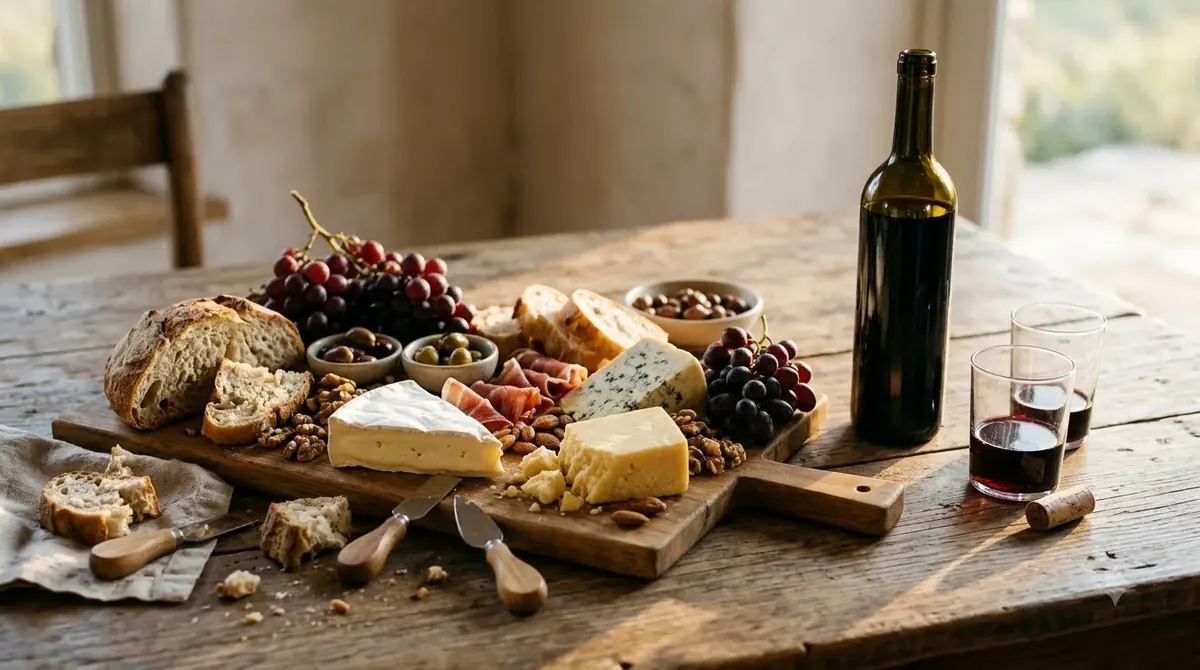
Unlike Cabernet Sauvignon or Merlot, blackberry fruit wine is fermented from blackberries rather than grapes. Its character depends on the fruit, fermentation process, and amount of residual sugar retained by the producer. Texas SouthWind Vineyard and Winery, for example, describes its blackberry wine as a full-bodied fruit wine made entirely from blackberries, without added grapes or artificial flavorings. The producer lists its alcohol content at 11% ABV and describes a rich, concentrated fruit profile.
Sweetness is particularly important. A sweet blackberry wine can taste rich and almost jam-like, with flavors resembling blackberry preserves, ripe plums, and dark berries. These characteristics make it suitable for foods with sweetness of their own. However, a dry or less-sweet blackberry wine can work better with roasted meat, grilled vegetables, and dishes that have savory seasoning.
Acidity also affects the pairing. Blackberry wine often has a refreshing tart edge that helps balance fatty or creamy foods. A wine with noticeable acidity can refresh the palate after a bite of Brie, pork belly, or a rich cheesecake. If a dish includes lemon, vinegar, or another acidic ingredient, choose a wine with enough acidity to keep the combination balanced.
Body matters as well. A fuller blackberry wine can stand alongside barbecue sauce, roasted pork, and chocolate desserts. A lighter version is more comfortable with appetizers, fruit platters, and mild cheeses. The following general guide helps identify suitable combinations:
| Wine characteristic | Flavor impression | Recommended food |
|---|---|---|
| Sweet | Ripe berries, jam, concentrated fruit | Cheesecake, chocolate, vanilla ice cream |
| Off-dry | Fresh berries, gentle sweetness | Brie, glazed chicken, bacon |
| Dry | Tart berries, restrained fruit | Roasted pork, grilled beef, mushrooms |
| Full-bodied | Rich fruit, substantial texture | Barbecue beef, short ribs, aged cheddar |
| Light-bodied | Fresh fruit, softer finish | Fresh fruit, mild cheese, appetizers |
One distinction deserves attention: blackberry-flavored grape wine and blackberry fruit wine are not necessarily the same thing. A grape-based red wine described as having blackberry notes may contain considerable tannin, while a fruit wine can have a sweeter, softer profile. Decanter explains that blackberry in grape-wine tasting notes belongs to the black-fruit category and can describe anything from fresh fruit to concentrated, jammy aromas. These wines should not automatically receive identical food pairings. Its explanation of wine tasting notes and blackberry fruit descriptors provides useful context.
For readers exploring other fruit-forward red wines, the Wine by Type resource provides a useful starting point for understanding how grape varieties and wine styles influence food choices.
Best Cheese Pairings for Blackberry Wine
Cheese is one of the easiest foods to serve with blackberry wine. Soft, creamy cheeses balance fruity sweetness, while salty and aged cheeses create a satisfying contrast with concentrated blackberry flavors.
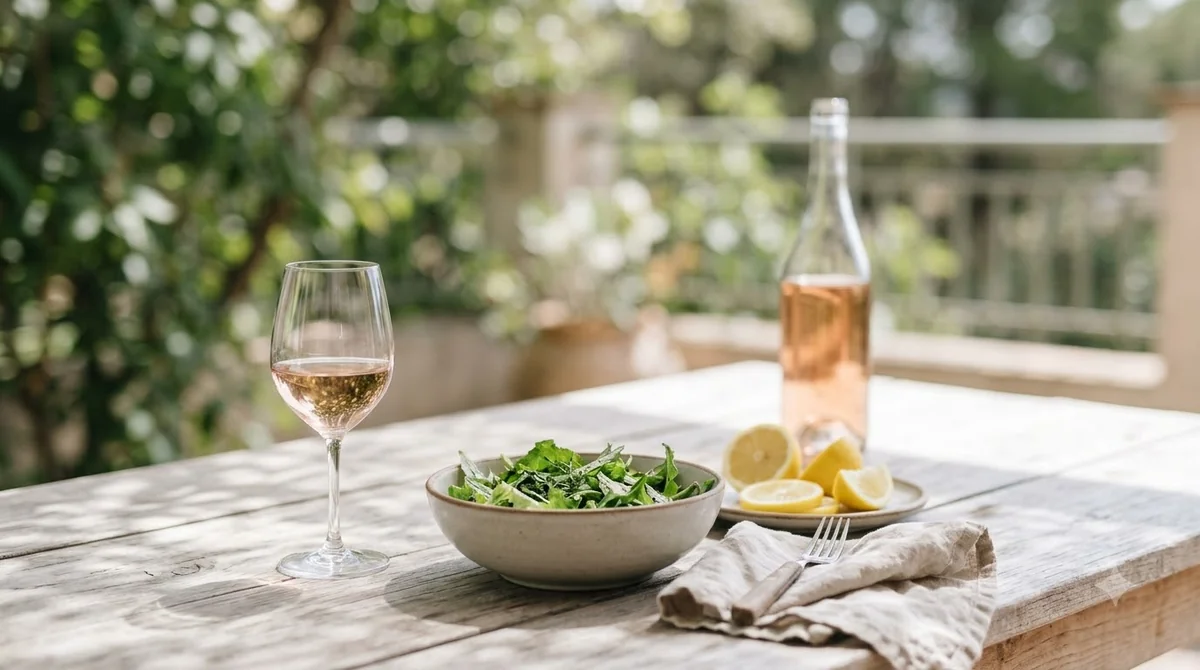
Brie is a particularly reliable choice. Its creamy texture and mild flavor allow the wine’s fruit character to remain noticeable without competing with it. Serve Brie at room temperature with plain crackers, sliced pears, and a small bowl of blackberry preserves. The combination works well as an appetizer before a meal or as part of a casual cheese board.
Camembert is another excellent option. It has a slightly earthier character than Brie, giving it enough flavor to accompany a rich blackberry wine. The soft interior provides a creamy contrast to the wine’s tart edge. Add toasted walnuts or almonds for texture and a savory element.
Havarti is especially suitable for sweeter blackberry wines. Its buttery texture and gentle flavor provide a pleasant contrast to ripe fruit. Georgia Winery specifically recommends Havarti with its blackberry wine, illustrating how well a mild, creamy cheese can complement concentrated berry flavors.
Cheddar offers a different experience. Missouri Wines recommends cheddar alongside blackberry fruit wine, and the combination is particularly appealing when the cheese has enough age to develop a more pronounced savory flavor. The saltiness helps balance sweetness, while the firm texture contrasts with the wine’s smooth character. The Missouri Wines blackberry wine pairing recommendations also include barbecue beef, bacon, almonds, and chocolate treats.
Building a blackberry wine cheese board
A balanced cheese board should offer different textures and flavor intensities rather than several similar cheeses. Start with Brie, add a moderately aged cheddar, and include Havarti or Camembert for variety. Place a small serving of fresh blackberries in the center to connect the wine and food flavors.
Almonds and walnuts provide crunch, while plain crackers help cleanse the palate between bites. Honey can work with a dry or tart blackberry wine, but use it sparingly with a sweeter bottle. Too much additional sweetness can make the entire combination feel heavy.
For a more adventurous board, add smoked cheddar, mild blue cheese, or a small portion of sheep’s-milk cheese. These stronger options are best served with blackberry wine that has enough fruit concentration to stand up to their flavors. A very light, delicate fruit wine may disappear beside an intensely flavored cheese.
Cheese portions should remain modest. Two or three small varieties are usually more interesting than a large selection that makes it difficult to identify the individual flavors. Serve the cheese slightly warmer than refrigerator temperature so its aroma and texture can develop properly.
Pairing Blackberry Wine With Meat and Savory Main Courses
Blackberry wine can accompany meat particularly well when the dish includes roasting, grilling, caramelization, or a fruit-based glaze. Pork, barbecue beef, and glazed chicken are among the most dependable options, especially with fuller or moderately sweet styles.
Roasted pork tenderloin is a natural match. Pork has a relatively mild flavor, allowing the wine’s blackberry character to complement the meat without overwhelming it. A simple preparation with rosemary, black pepper, garlic, and a lightly caramelized exterior works especially well. A less-sweet blackberry wine provides a refreshing contrast to the meat’s richness.
Grilled pork chops offer another good option. A blackberry reduction can be used as a finishing sauce, combining the wine with a small amount of stock, shallots, and herbs. The sauce should remain savory rather than becoming a sweet syrup. This approach creates a connection between the wine and the dish without making the pairing excessively sugary.
Barbecue beef is particularly suitable for richer blackberry wines. Missouri Wines lists barbecue beef among its recommended matches for blackberry fruit wine. Smoked brisket, beef ribs, and grilled burgers all provide savory, smoky flavors that complement ripe berry character. Choose sauces with moderate sweetness instead of heavily sweetened commercial glazes.
Chicken, turkey, and other poultry
Glazed chicken is another strong pairing. A glaze made with blackberry wine, mustard, garlic, and a little vinegar creates a savory-sweet flavor that echoes the wine served in the glass. Roast or grill the chicken until the exterior develops a lightly caramelized finish.
Turkey can also work, particularly when served with roasted vegetables and a fruit-based side dish. Blackberry wine offers a different alternative to traditional cranberry accompaniments. Choose a moderately sweet style if the turkey includes savory herbs and a rich gravy.
Duck is a more substantial option. Its richness and distinctive flavor can pair with a concentrated blackberry sauce, especially when the sauce includes black pepper or rosemary. A dry or off-dry blackberry wine is generally preferable to an intensely sweet version because the meat already has considerable richness.
Other savory combinations
Grilled sausages, smoked bacon, and short ribs can also complement blackberry wine. Their saltiness and savory depth provide contrast to the fruit. Bacon is particularly useful on an appetizer board, while slow-cooked short ribs can make a satisfying main course.
Vegetarian dishes deserve consideration, too. Roasted mushrooms, caramelized onions, grilled eggplant, and dishes containing toasted nuts can work with less-sweet blackberry wines. Their earthy and savory characteristics provide an interesting contrast to dark berry flavors.
One important limitation concerns chili heat. Alcohol and tannin can amplify the sensation of spicy food. A sweet blackberry wine may soften some perceived heat, but very hot sauces can still dominate the pairing. Keep chili seasoning moderate and use sweetness as a supporting element rather than relying on it to eliminate the heat.
Readers interested in savory red-wine combinations can also explore Carignan food pairing for additional ideas involving grilled meats, vegetables, and richly flavored dishes.
Blackberry Wine With Chocolate, Cheesecake, and Fruit Desserts
Sweet blackberry wine is particularly effective with desserts that feature chocolate, cream, vanilla, and dark berries. The most important principle is to ensure that the wine is at least as sweet as the dessert, so the wine does not taste thin or sour after each bite.
Dark chocolate is one of the strongest matches. Its slight bitterness and deep cocoa character provide contrast to blackberry wine’s fruity sweetness. Chocolate brownies, chocolate mousse, and flourless chocolate cake are all suitable options. A rich blackberry wine can complement the concentrated flavors without requiring additional fruit sauces or sugary toppings.
Milk chocolate creates a softer combination. Its creamy sweetness works particularly well with a fruit wine that has a pronounced berry aroma. Chocolate chip cookies are an approachable option for casual gatherings, and Missouri Wines specifically includes chocolate chip cookies and milk chocolate among its blackberry wine pairing suggestions.
Cheesecake is another dependable dessert. Classic New York-style cheesecake has a rich, creamy texture and mild tanginess that balances ripe berry flavors. A blackberry topping makes the connection even stronger, although a lightly sweetened topping is preferable when the wine is already very sweet.
Berry desserts and baked fruit
Blackberry pie and cobbler are natural choices because they repeat the central fruit flavor of the wine. A warm blackberry cobbler with a crisp topping provides a contrast in temperature and texture when served with a chilled glass. The buttery pastry also balances the wine’s tartness.
Other fruit desserts can work, provided their sweetness is considered. Raspberry tarts, blueberry crumble, and mixed-berry shortcake can complement blackberry wine. Avoid desserts with extremely sharp citrus flavors unless the wine has enough acidity to match them.
Vanilla ice cream is a simple but effective option. The wine’s fruit concentration contrasts with the creamy texture, while vanilla adds a mellow aromatic element. Some blackberry wines can even be poured in a small amount over ice cream as a dessert sauce. Georgia Winery recommends vanilla ice cream as a serving companion for its blackberry wine.
For something more elaborate, serve a chocolate tart with fresh blackberries and lightly whipped cream. The chocolate provides bitterness, the berries repeat the wine’s main flavor, and the cream softens the overall combination. This is particularly successful with a concentrated, dessert-style blackberry wine.
How to avoid an overly sweet dessert pairing
Sweetness needs careful management. If the wine is very sweet, avoid combining it with a dessert that has heavy frosting, caramel sauce, sweetened condensed milk, and sugary fruit filling all at once. The combined sweetness can make the meal feel monotonous.
Instead, introduce a contrasting texture or flavor. Dark chocolate, unsweetened cream, toasted almonds, and lightly salted pastry provide balance. A dessert with natural fruit acidity can also make a sweeter blackberry wine feel more refreshing.
Fresh fruit is another useful option. A small plate of blackberries, raspberries, pears, and strawberries offers variety without requiring a complicated dessert recipe. Keep the fruit ripe but not heavily sweetened.
Appetizers, Snacks, and Casual Food Pairings
Blackberry wine does not need a formal dinner to make an enjoyable food pairing. Its fruit-forward profile works well with appetizers, salty snacks, and small plates, making it suitable for picnics, cheese boards, and informal gatherings.
Start with a combination of salty and creamy ingredients. Brie on crackers, cheddar with almonds, and goat cheese with fresh blackberries are easy choices. The saltiness of the food provides contrast, while the cheese adds richness that complements the wine’s fruit concentration.
Wine Enthusiast discusses the natural sweet-tart balance of fresh blackberries and highlights a combination of goat cheese, fresh blackberries, salty crackers, and crisp Moschofilero. Although this example uses a grape-based white wine rather than blackberry fruit wine, it demonstrates why contrasting fruit, salt, and creamy textures can create an effective pairing.
For a sweeter blackberry wine, use similar ingredients but adjust the proportions. More cheese and fewer sweet accompaniments will help prevent the overall combination from becoming too sugary.
Salty snacks and party food
Almonds are particularly versatile. Lightly roasted or salted almonds provide crunch and a savory contrast to blackberry flavors. Walnuts are another option, especially when served with aged cheddar or soft cheese.
Bacon-wrapped appetizers can work well with fuller blackberry wines. Try bacon-wrapped dates, small bacon and cheddar bites, or savory pastry twists. The salt and richness of bacon complement concentrated berry flavors, while a slightly sweet finish connects the ingredients.
For a casual barbecue gathering, serve blackberry wine with smoked sausages, grilled chicken skewers, and small portions of pulled pork. Avoid serving every dish with a heavy sweet glaze. Include plain grilled meat or lightly seasoned vegetables to provide contrast.
Popcorn is another surprisingly practical snack. Salted popcorn works with moderately sweet fruit wines, while lightly buttered popcorn provides a richer texture. Avoid strongly flavored seasonings that dominate the wine’s aroma.
Fresh salads and light plates
Salads can work when their ingredients support the wine’s sweetness and acidity. A salad containing goat cheese, fresh blackberries, toasted almonds, and leafy greens provides several complementary flavors. A modest vinaigrette adds acidity, but the dressing should not be so sharp that it overwhelms the wine.
Grilled vegetables are another possibility. Eggplant, red peppers, zucchini, and caramelized onions can accompany a less-sweet blackberry wine. Their roasted flavors create a savory bridge between the vegetable dish and the wine.
For a picnic, combine a small cheese board with cold roasted pork, crackers, almonds, and fresh berries. This arrangement provides different textures and allows guests to experiment with several combinations. A chilled blackberry wine can serve as the central drink without requiring an elaborate menu.
Serving Temperature, Cooking Uses, and Practical Pairing Tips
Serving temperature can significantly influence how blackberry wine tastes with food. Most sweet and fruit-forward versions benefit from chilling, with approximately 45–50°F providing a useful starting point for a refreshing, balanced glass.
Texas SouthWind recommends serving its blackberry wine at 45–50°F or over ice. Chilling helps keep the sweetness from feeling excessively heavy and makes the wine particularly suitable for cheese boards, barbecue, and fruit desserts. Avoid serving it extremely cold, because excessive chilling can make its fruit aromas less expressive.
A standard wine pour is approximately 5 ounces. A 750-milliliter bottle provides about five standard glasses, making it easy to estimate how much wine is needed for a dinner or small gathering.
| Serving detail | Recommendation | Practical use |
|---|---|---|
| Serving temperature | 45–50°F | Sweet and fruit-forward blackberry wine |
| Standard pour | 5 oz | Individual serving |
| Standard bottle | 750 ml | Approximately 5 glasses |
| Example alcohol level | 11% ABV | Texas SouthWind blackberry wine |
| After opening | Refrigerate and reseal | Preserve fresh berry aromas |
Using blackberry wine in cooking
Blackberry wine can also become an ingredient in savory and sweet recipes. Its concentrated fruit character makes it suitable for sauces, reductions, marinades, and dessert preparations. The key is to account for its sweetness before adding other ingredients.
For a savory reduction, combine blackberry wine with finely chopped shallots, a little stock, and fresh thyme. Simmer until the liquid reduces and the flavors become more concentrated. Add black pepper and a small amount of vinegar if the result tastes too sweet. The finished sauce can accompany roasted pork tenderloin or grilled chicken.
For barbecue, blackberry wine can be combined with mustard, Worcestershire sauce, garlic, and a modest amount of vinegar. This creates a fruit-forward glaze for chicken or pork. Brush it onto the meat toward the end of cooking so the sugars do not burn during prolonged exposure to high heat.
For dessert, use blackberry wine in a fruit sauce served with cheesecake, vanilla ice cream, or chocolate cake. Simmer it gently with fresh berries until the fruit softens and the liquid becomes slightly thicker. Avoid adding too much sugar before tasting the mixture, since the wine may already contain substantial residual sweetness.
Georgia Winery describes its blackberry wine as suitable for marinades, reductions, and sauces, demonstrating its usefulness beyond a traditional glass of wine. Its fruity character can connect a sauce to the wine served alongside the meal.
Choosing the right wine for the menu
When planning an entire meal, choose the main dish first and then select the wine style that best matches it. A dry or off-dry blackberry wine is more flexible with roasted pork, grilled chicken, and savory appetizers. A sweeter version is generally better with soft cheese, chocolate, and fruit desserts.
Think about the strongest ingredient in each dish. A smoky barbecue sauce, sharp cheddar, rich chocolate, or acidic vinaigrette can have more influence on the pairing than the meat or vegetables underneath. Matching the wine to that dominant flavor usually produces a better result.
Salt and fat can soften the perception of tannin in wines that contain it, while excessive chili heat can make alcohol feel more pronounced. Blackberry fruit wine is not automatically tannic simply because it has dark fruit flavors. Its actual texture and sweetness should guide the decision.
Tip: For an easy blackberry wine menu, begin with Brie, salted almonds, and crackers; serve grilled pork tenderloin with roasted vegetables as the main course; and finish with dark chocolate brownies or cheesecake. Keep the wine chilled at 45–50°F and use a sweeter bottle for dessert or a drier version for the main course.
Readers interested in other fruit-driven wine combinations can also explore Blaufränkisch food pairing for ideas involving savory dishes and red-wine-friendly ingredients. For a different approach to aromatic wines and food, Grenache Blanc food pairing offers additional inspiration for cheese, poultry, and lighter meals.
Frequently Asked Questions
Is blackberry wine the same as blackberry-flavored red wine?
No. Blackberry fruit wine is fermented from blackberry juice, whereas a grape-based red wine with blackberry flavors is made from grapes. The latter may contain more grape-derived tannin and oak characteristics. Their production methods and finished flavor profiles are therefore different.
Can blackberry wine be served as an aperitif?
Yes. A chilled glass can work before a meal, particularly when served with small portions of cheese, salted nuts, or fresh fruit. A lighter or less-sweet style is generally more suitable before dinner than a very rich dessert-style version.
Does blackberry wine work in sangria?
Yes. Blackberry wine can form the fruity base of a sangria with sliced oranges, lemons, and fresh blackberries. Add sparkling water or soda for freshness, and adjust any additional sweetener after combining the ingredients. A wine with moderate sweetness is usually easier to balance in a pitcher.
Can blackberry wine pair with breakfast or brunch?
Blackberry wine can accompany brunch dishes such as pancakes, French toast, and mild cheeses. Less-sweet styles are particularly suitable for savory egg dishes, while sweeter versions work better with fruit-topped pastries. Keep the portion modest when serving it alongside a varied brunch spread.
What glass should you use for blackberry wine?
A standard small white-wine glass or universal wine glass works well for most blackberry fruit wines. A glass with a moderately narrow opening helps concentrate the fruity aromas while leaving enough room to swirl the wine. A dessert-wine glass is also suitable for particularly sweet, concentrated versions.
Blackberry wine is a versatile choice for meals that combine savory richness, salt, fruit, and dessert sweetness. Start with Brie, barbecue beef, roasted pork, or dark chocolate, then adjust the pairing to the wine’s actual sweetness and body. With a suitable serving temperature and a thoughtfully chosen menu, blackberry wine can work just as comfortably at a casual cheese board as at a full dinner.
More in Wine Types & Grapes
 What Is Arneis? Tasting Notes, Origins, and Pairing GuideUpdated Nov 21, 2026
 What Is Airen? A Guide to Spain’s Most-Planted White GrapeUpdated Nov 21, 2026
 What Is Aglianico? A Guide to Italy’s Bold Southern Red WineUpdated Nov 21, 2026
 What Is Alicante Bouschet: The Rare Red-Fleshed Grape Behind Bold RedsUpdated Nov 21, 2026
 What Glass for Sparkling Wine Brings Out the Best Bubbles and AromaUpdated Nov 21, 2026
 What Glass for Sangria Works Best for Easy, Chilled ServingUpdated Nov 21, 2026