

We may earn a commission when you buy through links on this page, at no extra cost to you. Learn more.
Black Box white wine is sold in four varieties on the brand’s site: Chardonnay, Sauvignon Blanc, Riesling and Pinot Grigio, all packaged in shatterproof, resealable containers. The website does not describe each variety’s style or give alcohol figures, so the grape and the style guide are the best way to judge what to expect in the glass. Choosing among the four depends on whether you want something crisp and dry, rounder and richer, or lightly sweet.
Box wine has become a common choice for everyday drinking, hosting and outdoor meals, and the white range from Black Box gives you a few clear options. This guide explains what the brand says about its whites, how the packaging works, and how each grape usually tastes and feels, so you can match a box to the way you plan to drink it.
What Black Box offers in its white range
According to the Black Box website, the white lineup includes four grape varieties: Chardonnay, Sauvignon Blanc, Riesling and Pinot Grigio. The site describes the wines as meticulously crafted and made from grapes harvested in world-class wine regions, but it does not name specific regions or describe the style of each variety in detail. That means the grape name is the most useful clue to what you are buying.
The brand’s product information is focused on packaging rather than tasting notes. For the white wines, the site lists several pack sizes, including 3 liter, 1 liter and 500 milliliter formats. Those sizes let you choose between a large box for a gathering and a smaller one for a single evening.
How the packaging works
Black Box describes its boxed wines as shatterproof and resealable, and the tetra pack formats are listed with easy-to-open, resealable caps. For a home bar or a picnic, that matters because you can pour a glass, reseal the container, and keep the rest of the wine for another day. A sealed box also avoids the breakage risk of glass, which makes it a practical option for pools, parks and camping trips.
Once a box is opened, it is best to finish the wine within a reasonable period and keep it chilled. White wine is more sensitive to air and warmth than red, so resealing the container promptly after each pour helps the wine stay fresh for longer. The label or product information on the container will give any specific storage instructions.
Chardonnay: richer, rounder and warmer
Chardonnay is the most full-bodied white in the Black Box range. As a reference point, Wine Folly’s ABV guide places most Chardonnay between 13% and 14.5%, which is higher than most of the other whites on the list. That extra weight comes from ripe fruit and, in many examples, oak aging, which adds texture and a creamy feel.
A chardonnay box suits people who enjoy a fuller white with roast chicken, creamy pasta or a soft cheese plate. Serve it well chilled but not ice cold, since a little warmth lets the fruit and texture come through. If you want a lighter white, the other varieties in the range are a better fit.
Sauvignon Blanc: crisp, bright and herbal
Sauvignon Blanc is the white most people reach for when they want something fresh and tangy. Wine Folly’s reference gives most Sauvignon Blanc a range of 12.5% to 13%, which keeps it in the middle of the white range. The style is known for citrus, green herbs and lively acidity, and it usually feels clean and refreshing on the palate.
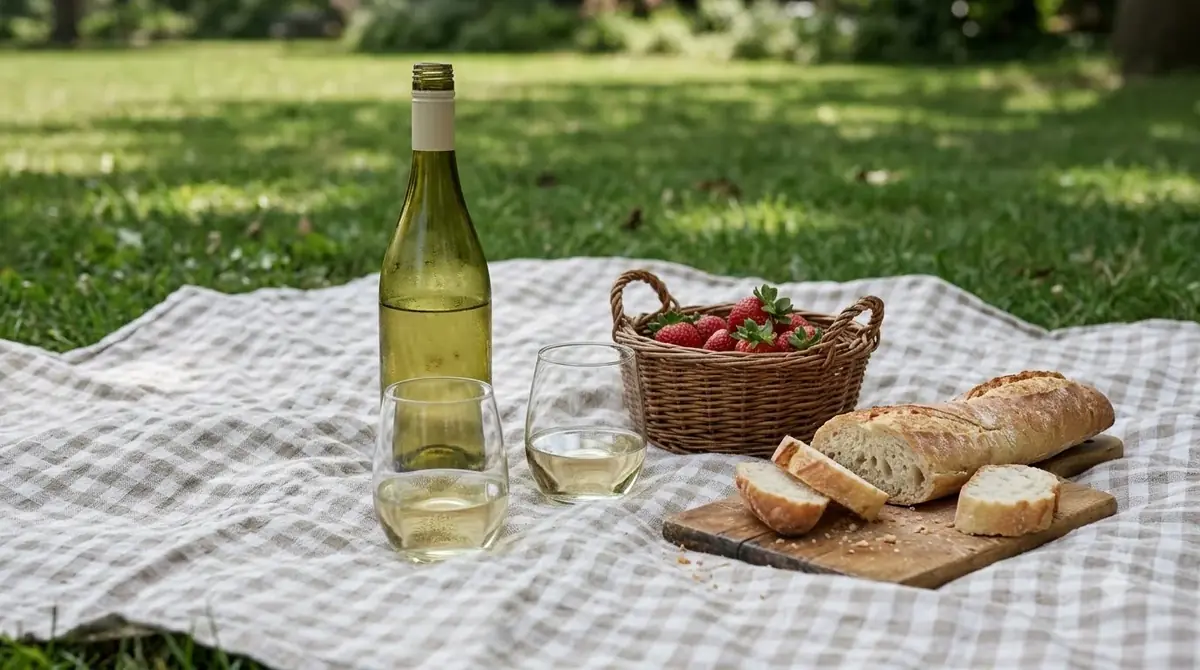
Sauvignon Blanc pairs well with salads, goat cheese, seafood and anything with a squeeze of lemon. It is also an easy choice for an afternoon on the patio, because its acidity keeps it crisp even when it is served a little cooler than other whites.
Riesling: from dry to sweet
Riesling is the most variable grape on the list. Its style depends heavily on where it is made and how much sugar remains in the finished wine. Wine Folly’s ABV guide shows German Riesling at 7% to 8%, while most American, Austrian and Australian Riesling falls between 10.5% and 12%. Those ranges show why a riesling can be far lighter than a chardonnay, even though both are white wines.
Because the box does not state a style, check the label for sweetness indicators before you buy, or choose a riesling you already know. A sweeter riesling works well with spicy food, pork and fruit desserts, while a drier one suits lighter meals and shellfish.
Tip: If you are unsure about sweetness, serve a riesling on its own before a meal and let your guests try it. That shows you whether the wine suits the rest of the menu.
Pinot Grigio: light, crisp and easy to share
Pinot Grigio is usually the lightest and most neutral white in a group of everyday wines. Wine Folly gives most Pinot Grigio an alcohol range of 12% to 13%, and its profile is typically crisp, with citrus and light stone fruit. It is often the easiest choice for a crowd, because it pairs with a wide range of starters, salads and light main courses without overwhelming them.
A pinot grigio box is a sensible option for a party or a long afternoon, since its moderate alcohol and clean finish keep the drink easy to enjoy. Serve it chilled, and keep it closer to the pinot grigio style than the richer chardonnay.
How to choose the right variety
The quickest way to choose is to match the wine to the food and the occasion. The table below summarizes the four varieties with the reference ABV ranges from Wine Folly and the style notes described above.
| Variety | Typical ABV range (grape reference) | Usual style | Good with |
|---|---|---|---|
| Chardonnay | 13% to 14.5% | Full-bodied, round, sometimes oaked | Roast chicken, creamy pasta |
| Sauvignon Blanc | 12.5% to 13% | Crisp, citrusy and herbal | Salads, goat cheese, seafood |
| Riesling | 7% to 12%, depending on origin | Ranges from dry to sweet | Spicy food, pork, fruit desserts |
| Pinot Grigio | 12% to 13% | Light, crisp and neutral | Starters, light mains, crowds |
The ABV ranges above describe typical examples of each grape. The brand’s own pages do not list alcohol content for the boxed wines, so the figures are a reference rather than a measurement of a specific box. The alcohol statement on the container is the only reliable number for the product you bought.
Frequently Asked Questions
What sizes does Black Box white wine come in?
The brand’s product information lists 3 liter, 1 liter and 500 milliliter formats for its white wines. Check the product page or the container for the exact size you plan to buy.
Is Black Box white wine sweet?
It depends on the variety. Chardonnay, Sauvignon Blanc and Pinot Grigio are usually dry in style, while riesling can range from dry to sweet. The website does not describe the sweetness of each wine, so read the label or contact the producer if you need a specific answer.
How long does an opened box of white wine last?
Storage advice depends on the product, so follow the instructions on the container. In general, keep the box sealed between pours, refrigerate it, and finish the wine within a reasonable period once it is opened.
Which Black Box white is the lightest?
Among the four grapes, Pinot Grigio and Sauvignon Blanc sit at the lighter end of the typical range, and a riesling can be lighter still, depending on its origin and sweetness. Chardonnay is usually the strongest of the group. Because the producer does not publish alcohol figures for these wines, the number on the container is the best guide.
For more context on how brands and styles compare, read the Wine Brands guide. If you want to see how a box red from another brand is presented, the 14 Hands red wine, 19 Crimes red and 19 Crimes white wine pages cover similar everyday styles. The producer’s own product pages are available on the Black Box website, and the grape-by-grape alcohol ranges come from the Wine Folly alcohol content guide.
More in Wine Brands
 Underwood Wine Price: Compare Bottles, Cans, and Pack SizesUpdated Nov 21, 2026
 Zenato Wine Price: Compare Styles and Choose the Right BottleUpdated Nov 21, 2026
 Zuccardi Wine Price: Compare Bottles and Find the Right RangeUpdated Nov 21, 2026
 Yellow Tail Moscato Review: Taste, Sweetness and Serving TipsUpdated Nov 21, 2026
 Wolf Blass Yellow Label Review: Choose Your Best StyleUpdated Nov 21, 2026
 Wolffer Estate Rose Review: Choose the Right Bottle for Your TableUpdated Nov 21, 2026