

We may earn a commission when you buy through links on this page, at no extra cost to you. Learn more.
The best wine flask for most outdoor outings is a 750ml double-wall vacuum-insulated stainless steel bottle with an electropolished interior and integrated tumblers, which holds a full standard bottle at serving temperature without metallic off-flavors. Lightweight collapsible wine pouches are the top choice for backpacking and beach days where glass is prohibited, while compact single-serve insulated flasks suit solo walks and concert evenings. For white and rosé lovers on hot afternoons, freeze-gel or active-chilling flasks keep pours crisp, and wide-mouth carafe-style flasks work best when you want to aerate bold reds at the campsite.
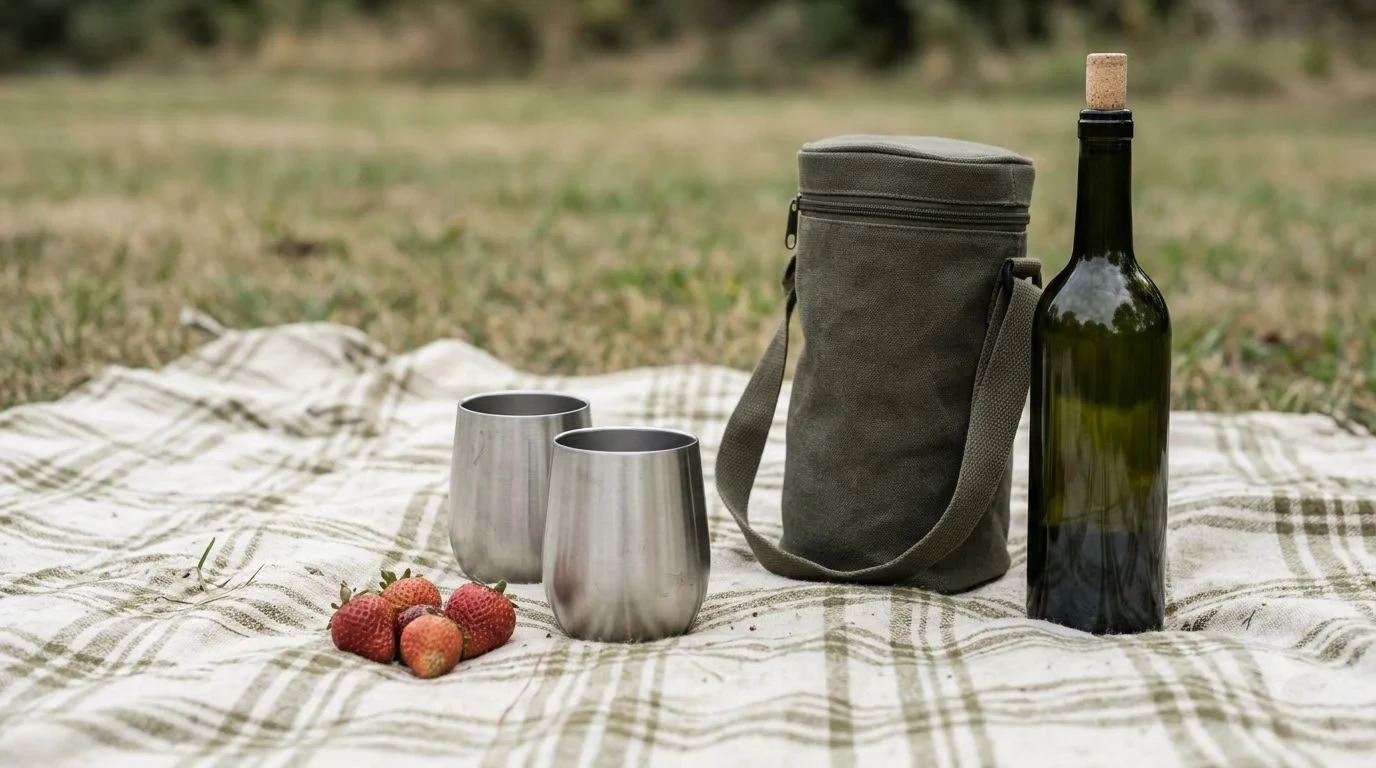
Glass wine bottles are heavy, fragile, and banned at many beaches, pools, parks, and trailheads—and once uncorked, they warm up rapidly in the sun. Whether you are packing a crisp Sauvignon Blanc for a picnic blanket or bringing a cellar-temperature Pinot Noir to a lakeside overlook, choosing the right wine flask protects both temperature and aroma from the moment you leave the kitchen. Below, we break down the five main styles of wine flasks by how and where you actually drink, so you can match capacity, insulation, and portability to your next outing.
Quick Comparison
Each wine flask style trades off temperature retention, weight, and serving convenience depending on whether you are sharing a full bottle at a picnic or packing ultralight on a trail.
| Flask Type | Typical Capacity | Temperature Control | Best Setting | Key Advantage |
|---|---|---|---|---|
| Full-Bottle Vacuum-Insulated with Tumblers | 750 ml (25.4 oz) | Double-wall vacuum (up to 24 hours) | Picnics, parks, tailgates | All-in-one bottle and cups with zero metallic taste |
| Collapsible Soft-Sided Wine Pouch | 750 ml (25.4 oz) | Minimal (ambient) | Backpacking, beaches, festivals | Ultralight, shatterproof, and packs flat when empty |
| Single-Serve Pocket Insulated Flask | 350–375 ml (12 oz) | Double-wall vacuum (8–12 hours) | Concerts, short hikes, solo pours | Fits easily in a coat pocket or small daypack |
| Active-Chill / Freeze-Gel Wine Flask | 750 ml (25.4 oz) | Internal cooling core or freeze walls | Hot-weather boating, poolside | Chills room-temperature whites without ice dilution |
| Wide-Mouth Aerating Decanter Flask | 750 ml (25.4 oz) | Single-wall or insulated stainless | Camping, cabin weekends, bold reds | Wide opening lets tannic reds breathe and cleans easily |
Best for All-in-One Picnics: Full-Bottle Vacuum-Insulated Flask with Tumblers
A 750ml double-wall vacuum-insulated stainless steel flask paired with integrated tumblers is the gold standard for effortless two-person wine service outdoors, keeping an entire bottle at cellar or fridge temperature for up to 24 hours without needing separate glassware.
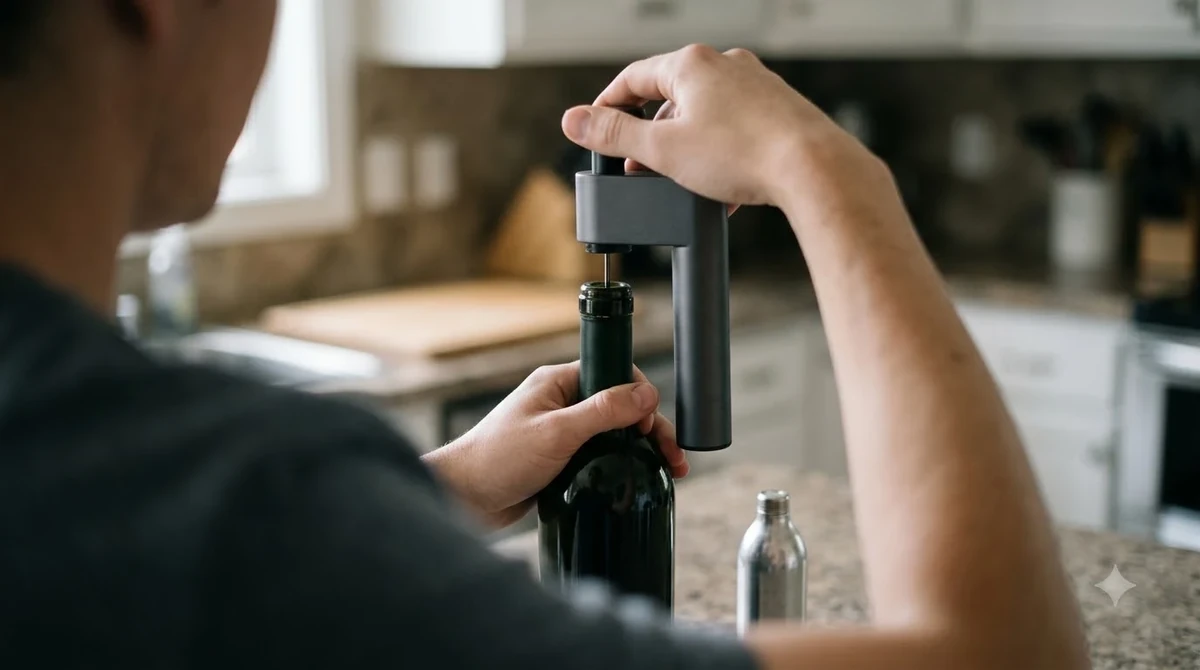
Why it stands out: According to manufacturer engineering notes at High Camp Flasks, high-end full-bottle designs rely on sommelier-grade electropolished stainless steel interiors rather than raw brushed metal. That ultra-smooth, non-porous finish prevents acidic wines from picking up metallic notes or lingering odors from previous pours, while double-wall vacuum insulation locks in temperature without exterior condensation. The defining convenience feature of this category is a pair of stemless stainless tumblers that nest magnetically or thread directly onto the top and bottom of the cylinder, eliminating the rattle of loose cups inside your tote.
Keep in mind and best for: Full-bottle steel flasks are noticeably heavier and taller than collapsible pouches, and their smooth exterior finishes can feel slick in wet hands, so they are best suited for short walks from the car to a blanket rather than multi-mile climbs. Choose this type for romantic park picnics, outdoor concerts, tailgate spreads, and gifting to wine lovers who refuse to drink Pinot Noir out of plastic cups.
Best for Backpacking and Beaches: Collapsible Soft-Sided Wine Pouch
Flexible, BPA-free collapsible wine pouches hold a full 750ml bottle while weighing only a couple of ounces, rolling up flat in your pocket once the last glass is poured.
Why it stands out: Reviewers at Wine Enthusiast and outdoor wine editors frequently highlight glass-free, packable carriers for beach days and trail outings where rigid containers are impractical or prohibited. By squeezing excess air out of the pouch before screwing down the leakproof cap, you also minimize oxidation—effectively creating a miniature bag-in-box environment that keeps leftover wine fresher over a multi-day camping trip than a half-empty rigid bottle would. Wide gusseted bottoms allow most pouches to stand upright on flat rocks or camp tables, and many include a carabiner loop for clipping onto a pack.
Keep in mind and best for: Because thin polymer walls offer almost no thermal insulation, a chilled white wine poured into a soft pouch will warm to ambient temperature within an hour unless tucked inside a cooler bag. This style is best for backcountry hikers, kayakers, sandy beaches, and music festivals where weight savings, shatterproof compliance, and packability matter far more than multi-hour thermal retention.
Best for Solo Outings and Concerts: Single-Serve Pocket Insulated Flask
Sized around 350ml to 375ml—equivalent to a half-bottle or two generous pours—compact insulated flasks slip discreetly into a jacket pocket, crossbody bag, or stadium-approved tote without weighing you down.
Why it stands out: Knowing how many glasses in a bottle of wine helps explain why half-bottle flasks are so practical: a standard 750ml bottle yields five 5-ounce pours, which is often too much to carry when you only want two glasses during an evening stroll or outdoor movie. Compact flasks use the same double-wall vacuum construction and food-grade 18/8 stainless steel lining as full-size models, keeping a crisp rosé cold through a three-hour show while remaining easy to hold in one hand. Narrower silhouettes and textured powder-coated finishes also give them a much more secure grip than wide 750ml cylinders.
Keep in mind and best for: You will not fit a full standard bottle inside, meaning any leftover wine from a newly opened 750ml bottle needs to be re-stoppered and stored in the fridge back home. Pick a single-serve insulated flask for solo sunsets, dog walks, theater-in-the-park nights, and winter ski-lift sips where portability and pocket fit beat full-bottle capacity.
Best for Hot-Weather Whites and Rosés: Freeze-Gel and Active-Chill Wine Flask
Built with frozen gel-lined walls or an internal chill rod, active-cooling wine flasks actively drop the temperature of slightly warm wine and hold crisp whites or rosés icy cold even under direct summer sun.
Why it stands out: Standard vacuum flasks can only maintain the temperature of the wine you pour into them; if you grab a bottle off a room-temperature pantry rack ten minutes before heading out the door, passive insulation keeps it warm. Freeze-gel and chill-core flasks solve that bottleneck by storing cold energy in freezable walls or a sealed stainless cooling stick that screws into the cap. Within 15 to 20 minutes of filling, the wine drops into an ideal 45°F to 50°F serving range without ever touching melting ice cubes that would water down delicate aromatics.
Keep in mind and best for: You must remember to place the flask or cooling core in your freezer at least four to six hours before departure, and internal chill rods slightly reduce usable liquid volume. This design is best for boaters, poolside loungers, and summer beachgoers who drink Sauvignon Blanc, Pinot Grigio, or dry rosé in 85°F-plus heat.
Best for Bold Reds and Campsites: Wide-Mouth Aerating Decanter Flask
Featuring a broad pouring opening and gently tapered shoulders, wide-mouth decanter flasks give full-bodied red wines room to breathe while allowing effortless funnel-free filling and thorough hand-washing.
Why it stands out: Narrow-neck flasks choke off airflow and make it nearly impossible to scrub dried red-wine tannins from the bottom corners after a weekend trip. A wide-mouth decanter flask acts like a rugged travel carafe: swirling the wine inside exposes a larger surface area to oxygen, softening youthful tannins in Cabernet Sauvignon, Syrah, or Malbec before you pour. The generous rim also lets you decant straight from a glass bottle without spilling a drop, and makes dropping in ice cubes or a bottle brush effortless during cleanup.
Keep in mind and best for: Wider lids create a larger perimeter seal, so you should always verify that the silicone gasket sits flat before tossing the flask sideways into a gear bin. Choose a wide-mouth decanter flask for cabin weekends, campfire dinners, and red-wine drinkers who prioritize aroma development and easy cleaning over pocket-sized slimness.
How to Choose
Selecting the right wine flask comes down to four practical specs that separate purpose-built wine carriers from ordinary water bottles:
- Interior Finish and Flavor Neutrality: Always look for 18/8 food-grade stainless steel with an electropolished or ceramic-lined interior. Unpolished metal interiors can react subtly with wine’s natural tartaric and malic acids, muting bright fruit notes and leaving a metallic finish on delicate whites.
- True 750ml Capacity: Check the exact ounce rating before buying. A standard wine bottle holds 750ml (25.4 ounces), so a 24-ounce bottle will leave roughly an ounce and a half behind—just enough to be annoying when you are trying to pack up.
- Opening Diameter: A mouth at least 1.75 to 2 inches wide lets you pour directly from a wine bottle without carrying a separate funnel and allows a standard sponge or bottle brush to reach inside for cleaning.
- Gasket Design and Leak Protection: Wine stains permanently, so prioritize threaded caps with removable food-grade silicone O-rings over flip-top straw lids, which can pop open inside a backpack or trap sugar residue.
Tip: Pre-chill or pre-warm your vacuum-insulated wine flask for five minutes with cold tap water (for whites and rosés) or lukewarm water (for cellar-temperature reds) before pouring your wine inside—this prevents the steel liner from absorbing your wine’s initial thermal energy, and keeps your bar cart accessories organized when you store the dry, uncapped flask between trips.
Frequently Asked Questions
Can you put wine in a regular stainless steel water bottle?
You can in a pinch, provided the bottle is made from 18/8 food-grade stainless steel and thoroughly scrubbed beforehand. However, standard water bottles often retain faint coffee or sports-drink odors in their silicone gaskets, whereas dedicated wine flasks use electropolished interiors and wine-safe seals to preserve subtle aromas.
Should you put sparkling wine or Champagne in a wine flask?
No, most standard rigid wine flasks and collapsible pouches are not pressure-rated for carbonated beverages. Pouring Champagne or Prosecco into a tightly sealed flask can build up dangerous internal pressure, force the lid open unexpectedly, or flatten the bubbles quickly due to agitation during transfer.
How do you clean red wine stains out of a stainless steel wine flask?
Rinse the flask with warm water immediately after use, then wash with mild dish soap and a soft bottle brush, removing the silicone lid gasket so residue does not hide underneath. For stubborn purple tannin rings, soak the interior overnight with a mixture of warm water and one tablespoon of baking soda or a denture-cleaning tablet, then air-dry uncapped.
How long does wine stay fresh inside a sealed wine flask?
A full 750ml pour inside a rigid vacuum-insulated flask has minimal headspace and will taste fresh for 24 to 48 hours if kept chilled. Collapsible soft-sided pouches can keep wine fresh for three to five days because you can squeeze nearly all excess oxygen out before capping, while a half-empty rigid flask should be finished within a day.
Matching your container to your destination keeps every pour tasting the way the winemaker intended, whether you are hiking above treeline or setting up on a neighborhood lawn. Once you pick the right capacity and insulation style for your outings, explore more travel-ready openers, stoppers, and shatterproof glassware in our Accessories Library to round out your outdoor kit.
More in Wine Accessories
 Coravin Vs Vacu Vin: Choose the Right Wine Saver for Your BottlesUpdated Nov 21, 2026
 Zwilling Wine Stopper Review: Preserve Open Bottles LongerUpdated Nov 21, 2026
 Wine Enthusiast Wine Preserver Review: Features, Benefits and LimitationsUpdated Nov 21, 2026
 Wine Enthusiast Wine Stopper: An Easier Way to Reseal Open BottlesUpdated Nov 21, 2026
 Vintorio Wine Opener: Two-Step Cork RemovalUpdated Nov 21, 2026
 Zwilling Wine Aerator Review: Aerate, Pour, and Seal With One ToolUpdated Nov 21, 2026