

We may earn a commission when you buy through links on this page, at no extra cost to you. Learn more.
The best Rioja wineries are easiest to compare by sub-region, because Rioja Alta, Rioja Alavesa, and Rioja Oriental produce wines with clearly different climates and styles. Rioja Alta gives brighter, lighter reds, Rioja Alavesa gives fuller wines with higher acidity, and Rioja Oriental is the warmest and driest zone. Many of the region’s estates are family-run or cooperatives, so the sub-region and aging category on the label often tell you more than the winery name alone.
People searching for the best Rioja wineries are usually planning a trip to Spain, or they want to know which estates to look for on a wine list or a shop shelf. Rioja is one of Spain’s best-known wine regions, and its name appears on a wide range of red, white, and rosé bottles. Knowing how the region is organised makes it much easier to choose a winery whose style you will enjoy.
Rioja is built around Tempranillo, which is the dominant red grape, and the region also grows Garnacha, Mazuelo, and Graciano for reds, with Viura and Malvasía among the traditional whites. The aging rules are set out by category, and they shape how a bottle tastes as much as the estate does.
Quick Comparison of Rioja Sub-Regions
The three sub-regions differ in elevation, climate, and the character of the wine they produce. The table below sets out the main differences so you can match a winery to the style you want.
| Sub-region | Location | Typical style | Good with |
|---|---|---|---|
| Rioja Alta | Western edge, higher elevations | Brighter fruit, lighter palate | Grilled fish, roast chicken, lighter tapas |
| Rioja Alavesa | North of the Ebro, in Álava | Fuller body, higher acidity, old vines | Lamb, roast pork, aged cheese |
| Rioja Oriental | Warmest, driest zone, near Navarra | Deep colour, higher alcohol, used in blends | Hearty stews and grilled meats |
The sub-region is a useful guide, but it is not a grading system. Each estate makes its own choices about grapes, oak, and blending, so two wineries in the same zone can produce quite different bottles. Think of the sub-region as the starting point for a shortlist, then use the producer’s own description of its wines to narrow it further.
Wineries in the region range from large houses with long histories to smaller family estates and cooperatives that supply grapes to many labels. The reference article on Rioja notes that the industry is dominated by family vineyards and cooperatives, and it does not list individual bodegas in its wineries section. That means a shortlist built from the sub-region and the aging category is more reliable than a list of famous names alone.
Best for Bright, Lighter Reds from Rioja Alta
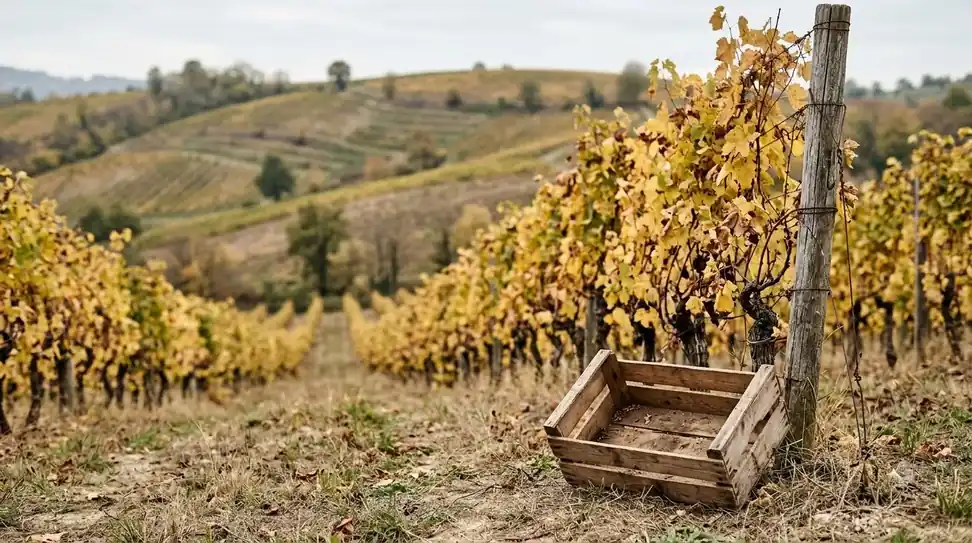
Rioja Alta sits on the western edge of the region, where the vineyards grow at higher elevations. The reference material on Rioja describes its wines as having brighter fruit and a lighter palate, which makes them a good starting point for drinkers who find heavy reds tiring.
Wineries in this zone suit a relaxed lunch or a midweek dinner. Look for a Crianza on the label if you want a fresh, fruit-led red with a shorter time in oak.
Best for Fuller Reds from Rioja Alavesa
Rioja Alavesa lies in the Basque province of Álava, north of the Ebro River. Its wines are fuller-bodied and carry higher acidity, and its low-density vineyards often grow old vines. Those old vines are one reason the zone has a loyal following among drinkers who want structure and depth.
Choose a winery from this zone for a meal built around grilled lamb, roast pork, or aged cheese. The acidity cuts through rich fat, and the fuller body holds up to strong flavours.
Best for Warm, Deeply Coloured Wines from Rioja Oriental
Rioja Oriental, formerly called Rioja Baja, is the warmest and driest of the three zones. It has a Mediterranean climate, and its wines are deeply coloured and higher in alcohol. Because of that intensity, many of its wines are used in blends rather than bottled alone.
When you find a bottle from this area, read the back label for a blend description. A wine that is part Rioja Oriental can add colour and weight to a blend, and it works well with hearty stews and grilled meats.
Best for Estates Known for Aging Categories
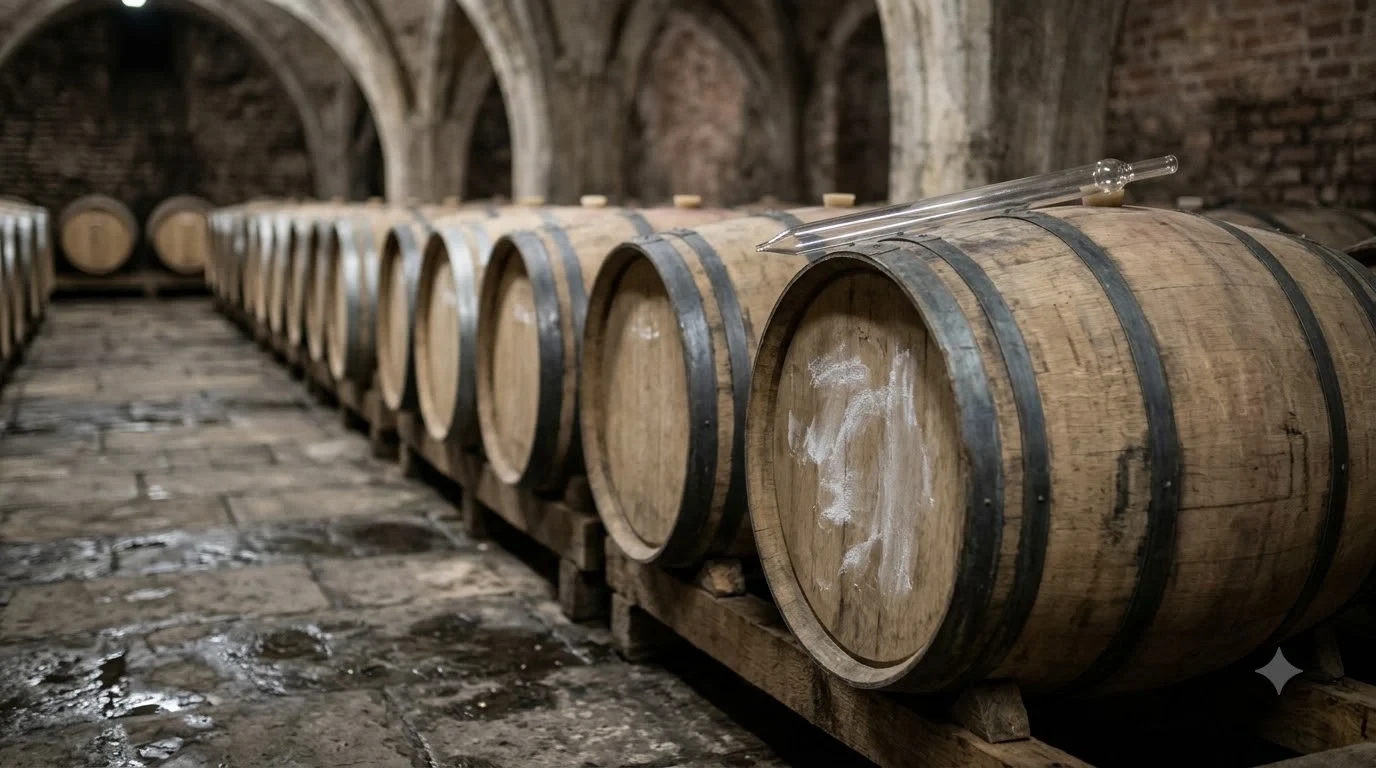
Rioja’s aging categories are one of the most useful parts of the label. Crianza reds must have at least two years of total aging, including at least one year in oak barrels. Reserva reds need at least 36 months in total, with at least 12 months in oak. Gran Reserva reds need at least 24 months in barrel followed by at least 36 months in bottle.
Estates that produce all three levels give you a range of styles from one producer. Start with a Crianza to learn the house style, then move to a Reserva or Gran Reserva when you want a more developed, savoury wine.
Best for Historic Bodegas and Long-Aged Wines
Some Rioja houses are known for their history and their long-aged bottles. The reference article on the region notes that Marqués de Murrieta released a 1942 Gran Reserva in 1983, after 41 years of aging, and it recounts that Luciano Murrieta created an early fine wine in 1852 after learning winemaking in Bordeaux.
Historic bodegas are a good choice if you want to see how the region’s older styles were made. Check the vintage and the aging category before buying, because older bottles can taste very different from current releases.
How to Choose
Use this checklist before you visit a winery or pick a bottle. Most of it can be read from the label or the producer’s website.
- Pick a sub-region first. Rioja Alta for lighter reds, Rioja Alavesa for fuller reds, and Rioja Oriental for warm, deep wines.
- Read the aging category. Crianza, Reserva, and Gran Reserva each describe a minimum time in oak and bottle, which gives a clear picture of the wine’s style.
- Consider the grape. Tempranillo dominates the reds, so a Tempranillo-led bottle is a safe place to start. Viura and other white varieties appear in the whites.
- Match the food. Lighter reds suit fish and chicken, while fuller reds suit lamb, pork, and aged cheese.
- Serve at the right temperature. Wine Folly recommends serving Tempranillo at about 60 to 68°F (15 to 20°C), and suggests decanting for about an hour.
For a detailed look at the grape that defines most Rioja reds, see Wine Folly’s Tempranillo guide, which covers the main Spanish regions, flavour profile, and serving advice.
Frequently Asked Questions
What are the three sub-regions of Rioja?
Rioja is divided into Rioja Alta on the western edge at higher elevation, Rioja Alavesa in the Basque province of Álava north of the Ebro, and Rioja Oriental, formerly called Rioja Baja, which is the warmest and driest zone.
What does Crianza mean on a Rioja label?
Crianza is an aging category. For red wines it requires at least two years of total aging, including at least one year in oak barrels. It usually signals a fresh, fruit-driven style.
Is Rioja only red wine?
No. Red wine is the best-known style, with Tempranillo as the dominant grape. The region also produces white and rosé wines, using grapes such as Viura and Malvasía, along with newer authorised varieties.
Do Rioja wineries need to be booked in advance?
Policies differ by estate, so check each winery’s website before visiting. Many family-run bodegas and cooperatives in the region are small, so contacting them ahead of time is a sensible step.
The best Rioja wineries are the ones whose style fits your table, so start with the sub-region and aging category before choosing an estate. For a comparison with American wine country, the best Temecula wineries and best Paso Robles wineries guides show how regional style shapes the wines, and the wine buying guide explains the labels you will see in shops.
More in Wine Buying Guides
 Riesling Gift: Choose a Bottle They’ll LoveUpdated Nov 21, 2026
 Sweet Red Wine Gift: Choose a Bottle They’ll LoveUpdated Nov 21, 2026
 Malbec Gift: How to Choose a Memorable Bottle for Any OccasionUpdated Nov 21, 2026
 Sherry Gift Ideas That Match Every Wine LoverUpdated Nov 21, 2026
 Moscato Gift: How to Choose a Sweet Wine They’ll LoveUpdated Nov 21, 2026
 Merlot Gift: How to Choose a Bottle They’ll AppreciateUpdated Nov 21, 2026