


We may earn a commission when you buy through links on this page, at no extra cost to you. Learn more.
Rioja wineries are spread across three sub-regions in northern Spain, and most of the region’s nearly 600 wineries sit in Rioja Alta and Rioja Alavesa. The Rioja DOCa covers more than 66,000 hectares of vineyards, and its wineries range from traditional family houses to modern estates that focus on architecture and visitor experiences. This guide explains where the wineries are, what styles they make, and how to plan a visit that suits your interests.
Rioja is one of the best-known wine regions in Spain, and the wineries are a big part of why people visit. The official Rioja council site describes an influx of over one million wine tourism visits in a 2026 news item, which shows how much interest the region draws. Use the sections below to decide which area to explore, which styles to taste, and how to book your time.
Where the Rioja Wineries Are Located
Most Rioja wineries sit in three sub-regions, each with its own climate and soils. The official Rioja site describes the three areas as spanning “100 kilometers of diversity,” and that spread explains why wines from one end of the region can taste very different from wines at the other.
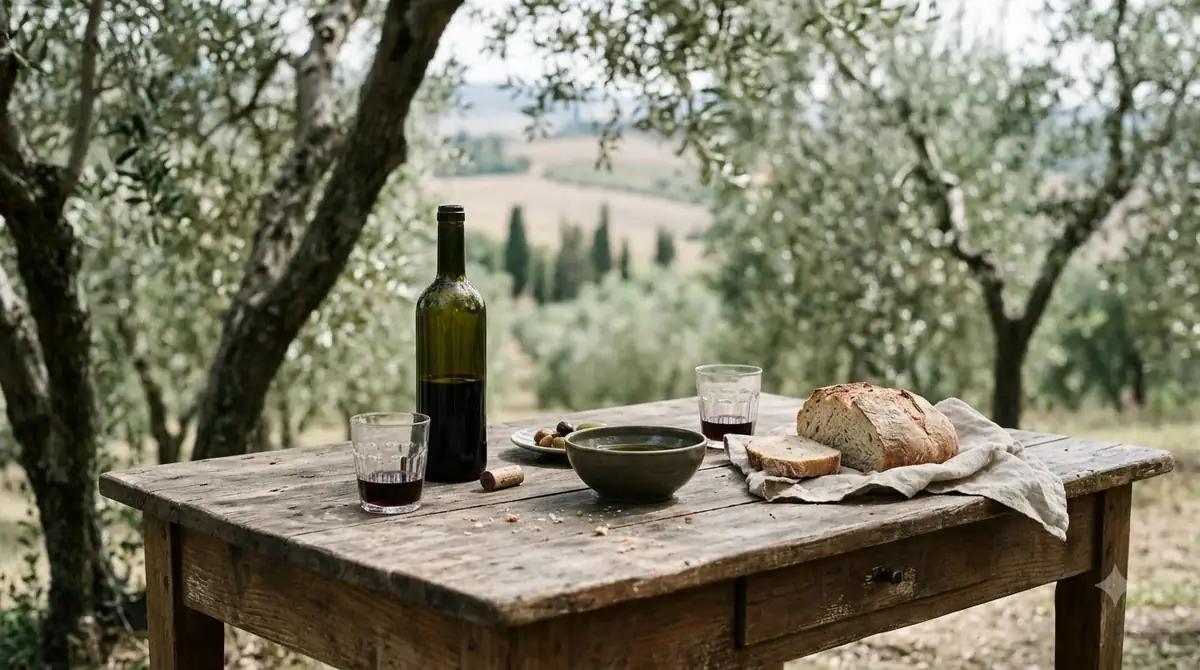
Rioja Alta lies south of the Ebro River, running from Haro to just beyond Logroño, and it is the most important of the three sub-zones. Rioja Alavesa is the smallest, north of the Ebro near Logroño, with vineyards at 400 to 500 metres on calcareous soils. Rioja Oriental, formerly called Rioja Baja, stretches southeast toward Alfaro and includes a small area in Navarra. Its climate is hotter and drier than the other two, and its soils are alluvial and clay.
| Sub-region | Location | Climate and soils | Typical wines |
|---|---|---|---|
| Rioja Alta | South of the Ebro, Haro to beyond Logroño | Cooler western part, continental influence | Good acidity, moderate alcohol, structured wines that age well |
| Rioja Alavesa | North of the Ebro, near Logroño | Vineyards at 400 to 500 metres, calcareous soils | Some of the finest reds and whites, including single-vineyard bottlings |
| Rioja Oriental | Southeast toward Alfaro, small area in Navarra | Hot and drier, alluvial and clay soils | Full-bodied reds, Garnacha noted for its quality |
For a first visit, many people choose Rioja Alta or Rioja Alavesa because the wineries sit closer together and the roads link them easily. Rioja Oriental is a longer drive but suits visitors who want to taste Garnacha-led wines from a warmer part of the region.
Wine Styles You Will Find at Rioja Wineries
Rioja wineries work in several traditions at once, so a single visit can show old and new approaches side by side. Winemaking styles vary a lot, and reading a winery’s description before you arrive helps you know what to expect in the glass.
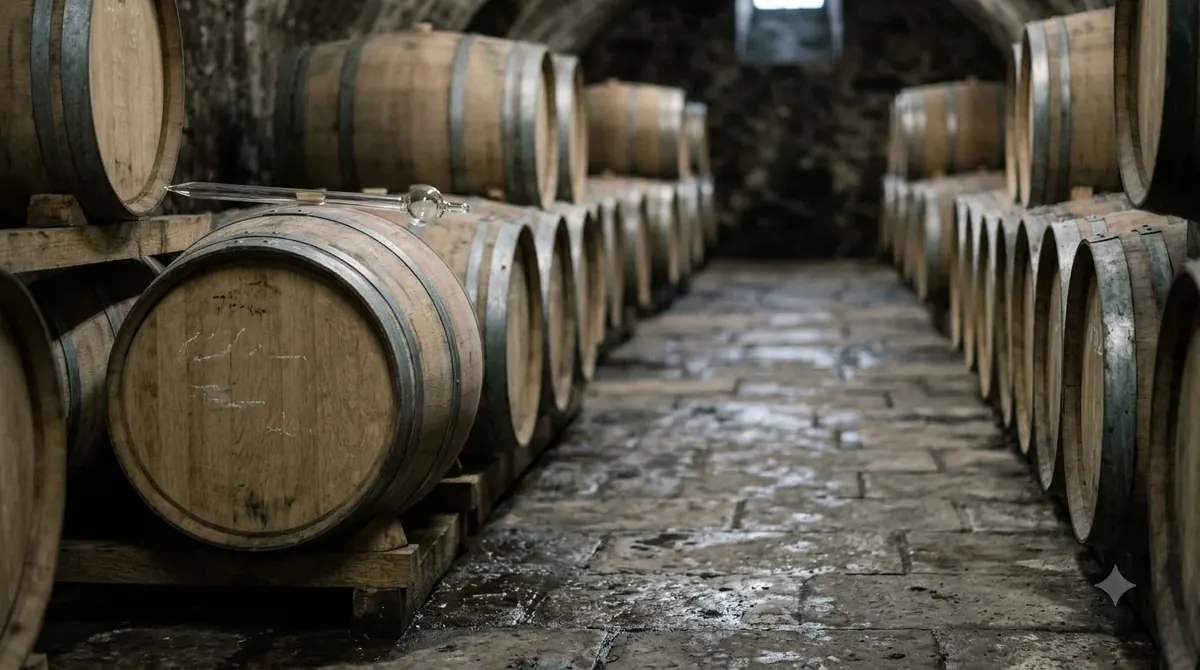
Traditional producers age wine for long periods in barrels, traditionally old American oak, which gives smooth wines with notes of tobacco, leather, and damson. Modern producers use longer maceration and bottle earlier, after a maximum of 12 to 14 months in new French oak, and their wines tend to show brighter fruit. A growing number of wineries also experiment with clay jars, amphorae, and concrete eggs, which the Jeroboams buyers’ guide says tend to give deeper, fruitier wines.
White Rioja is also worth tasting. Rioja Blanco ages well in oak and often improves with time in the barrel, so a winery tour can be a good place to compare young and aged white wines.
Grapes That Shape Rioja Wines
Knowing the main grapes makes a winery visit easier, because the same names appear on labels across the region. Tempranillo is the backbone of most Rioja reds, and it is the grape to look for first on a winery list.
According to the Jeroboams buyers’ guide to La Rioja, Tempranillo has thick skins and produces elegant wines with moderate tannin and acidity, and it ripens in mid-September. Garnacha, also called Grenache Noir, thrives on the alluvial soils of Rioja Oriental and gives red wines with a peppery finish. Graciano produces spicy, firm wines that age well in bottle, while Mazuelo, known as Carignan, is usually blended with Tempranillo and Garnacha to add perfume and freshness.
On the white side, Viura is the signature grape. Its high acidity suits bottle ageing, and skilled growers make richer, spicier wines from it. Chardonnay was authorised in Rioja in 2009 and does well on the calcareous soils of Rioja Alta, where it gives fruit-forward wines with peach and melon notes.
Planning a Visit to Rioja Wineries
A good visit starts with a plan. The official Rioja wine council site lists routes, enotourism options, and experiences grouped by traveler type, including family, couple, friends, solo, and work trips. Some wineries offer a tasting with an aperitif, and others serve lunch on site, so the visit can be a short tasting or a full afternoon.
Book ahead where you can, because winery tours often run at set times and small groups fill quickly. Limit each day to two or three wineries so you have time to taste carefully and get between sites without rushing. Hours differ from one bodega to another, so confirm the schedule before you travel.
If you plan to drive, choose one designated driver or a local tour service. Spit or share tastings when you need to, and drink water between wines. Rioja’s wineries are about the experience, and a relaxed pace makes the day more enjoyable.
How to Choose Which Rioja Winery to Visit
With close to 600 wineries across the region, a short list makes the choice easier. Start with the style you want. A traditional house may suit visitors who like old-school oak and smooth, aged reds, while a modern estate may appeal to people who prefer fresh, fruit-forward wines.
Sub-region matters too. Wines from Rioja Alavesa, with its higher vineyards, can taste different from wines grown in the hotter Rioja Oriental. If you are new to the region, read a short overview first. Our Wine Regions hub explains how regions like this one differ, and sancerre wineries and bordeaux wineries show how visits work in other famous regions. For a New World comparison, paso robles wineries offer a different style of tasting room experience.
Read the winery description and the grape list before you book. The more you know about the style, the more useful each tasting will be, and the easier it is to compare wines from one bodega to the next.
Frequently Asked Questions
How many wineries are in Rioja?
The official Rioja site cites nearly 600 wineries offering unique experiences across the region. Numbers can differ between sources and change over time, so check a current winery list before you plan your route.
Which Rioja sub-region is best for a first winery visit?
Many visitors start in Rioja Alta or Rioja Alavesa, where the wineries sit closer together and roads link them easily. Rioja Oriental suits people who want to taste Garnacha from a hotter, drier part of the region.
What grape is most associated with Rioja?
Tempranillo is the main red grape in most Rioja wines. Viura is the signature white grape, and Garnacha, Graciano, and Mazuelo also appear in many blends and single-varietal bottlings.
Do I need to book Rioja winery visits in advance?
Booking ahead is a sensible approach, since tours often run at set times and small groups fill quickly. Opening hours can differ between wineries, so confirm the schedule before you travel.
Rioja’s wineries reward a little planning. Pick a sub-region, choose a style that interests you, and limit each day to a few visits so every tasting gets your full attention.
More in Wine Regions
 Willcox Wine Trail: Discover Arizona’s High-Elevation Wine CountryUpdated Nov 20, 2026
 Yakima Valley Wine Region: Find the Best Styles to TryUpdated Nov 20, 2026
 Vosne Romanee Wine Tasting: Identify Aromas and Choose Better PairingsUpdated Nov 20, 2026
 Yakima Valley Wine Festival: Find the Best Seasonal Wine EventsUpdated Nov 20, 2026
 Wales Vineyards: Discover Cool-Climate Wines and Where to VisitUpdated Nov 20, 2026
 Yountville Wine Festival: Discover Napa Wines and Local FoodUpdated Nov 20, 2026