

We may earn a commission when you buy through links on this page, at no extra cost to you. Learn more.
The best 150 bottle wine fridge for most homes is a single-zone freestanding unit that holds a steady temperature in the middle of the 7 to 18 °C storage range, because it keeps a mixed collection stable without needing a separate chamber for each wine type. The right model depends on the room it goes in, how you plan to use it, and whether you want to store wine for months or to keep a few bottles ready to serve. This guide groups 150-bottle fridges by use so you can match one to your space and habits.
A 150-bottle wine fridge is a large appliance for a serious home collection. It is bigger than the 6-bottle and 12-bottle counter units many people start with, and it needs a planned spot with clearance for airflow. The sections below explain how the main layouts differ, what temperature control means for the wine inside, and how to choose the group that fits your kitchen, basement, or dining room.
Quick Comparison of 150-Bottle Wine Fridge Types
Most 150-bottle units share the same capacity, but their layouts, zoning, and installation style change how they fit a room and how they hold temperature. The table compares the main types on the points that matter most.
| Type | Temperature zones | Best room | Main trade-off |
|---|---|---|---|
| Freestanding single-zone | One zone for the whole unit | Kitchen or dining room | Less flexibility for mixed serving temperatures |
| Built-in or under-counter | Usually one zone, front-venting | Kitchen island or cabinet run | Needs a fitted opening and airflow |
| Dual-zone | Separate zones for reds and whites | Dining room or bar | Higher cost and more controls |
| Storage-focused unit | Single zone tuned for long holds | Basement or cool closet | Less useful for quick serving |
Best for Small Kitchens and Apartments
A freestanding 150-bottle unit is the natural choice when floor space is tight but the collection has outgrown a small counter cooler. It stands on its own, so it can go in a corner or beside a pantry without any cabinet work.
The main point to check is clearance. A freestanding unit needs air to move around its condenser, and a tight gap can make the compressor work harder. Measure the spot, including the depth with the door open, before you order. A single zone keeps the setup simple, since the whole fridge runs at one temperature.
Why it stands out: a large capacity without built-in work. Keep in mind: it needs open space around it for airflow, and the door takes room to swing. Best for: apartments and small kitchens where one steady setting covers most bottles.
Best for Built-In Installation
A built-in or under-counter 150-bottle unit fits into a cabinet run or a kitchen island. These models often vent air through the front, which lets them sit flush with the surrounding cabinets and avoid a gap at the sides. The look is clean, and the wine stays within easy reach at the bar or the dining area.
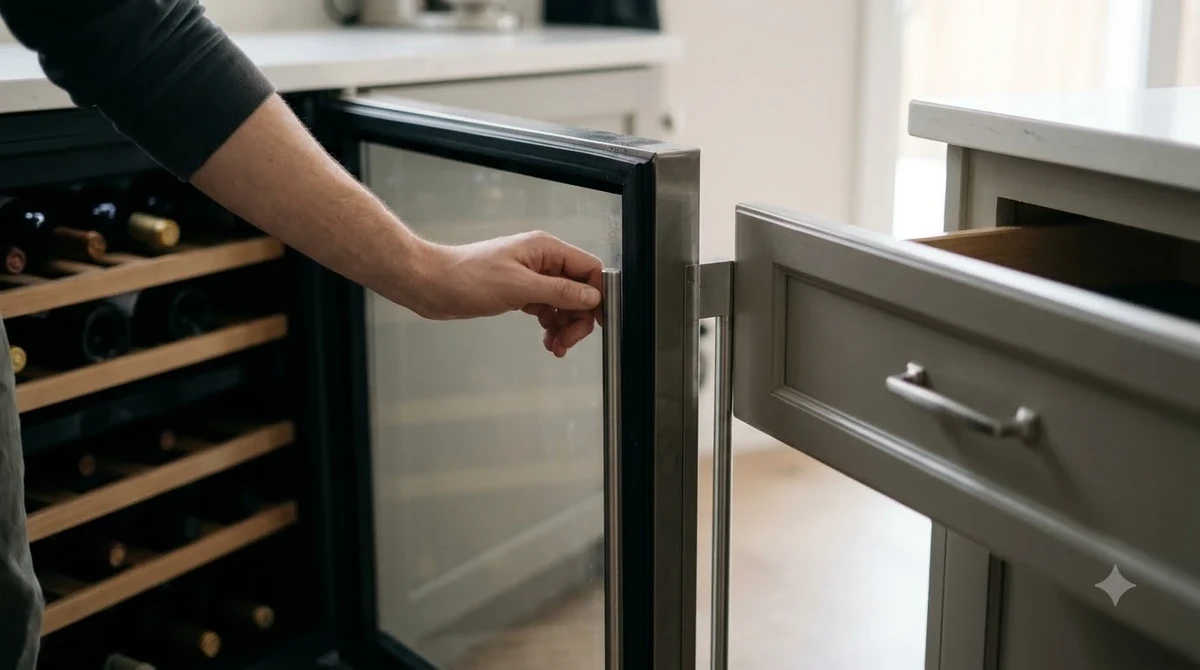
Installation is the main cost of this type. The opening must match the unit’s dimensions, and the vent must stay clear so the appliance can breathe. Plan the cabinet run before the kitchen is finished, because a built-in unit is much harder to add later.
Why it stands out: a flush look that blends with cabinetry. Keep in mind: the fitting takes planning and the vent cannot be blocked. Best for: remodels and homes where the wine fridge is part of the kitchen design.
Best for Mixed Red and White Collections
A dual-zone 150-bottle fridge gives you two chambers with separate temperature settings. Reds usually sit at a slightly warmer level than whites, so a dual-zone unit lets you keep both types at their own temperature without moving bottles between zones.
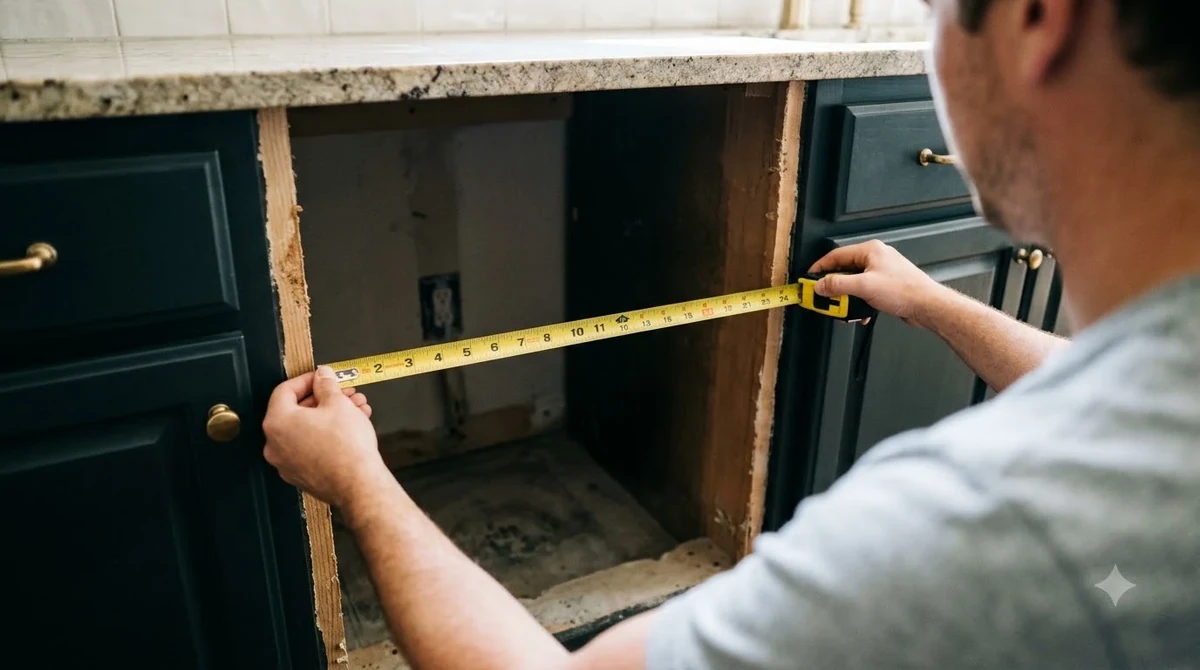
The added control costs more and brings more controls to learn. Set each zone once and check it with a thermometer, since the display can drift slightly from the actual temperature. For most households, this type is worth the extra money only when the collection is split evenly between reds and whites.
Why it stands out: two temperatures in one appliance. Keep in mind: higher cost and a little more setup. Best for: collectors and hosts who keep both red and white wine on hand every week.
Best for Long-Term Aging
People who plan to hold wine for years need steady conditions more than fast access. Wikipedia’s wine cellar article describes 13 °C (55 °F) as ideal for both short-term storage and long-term aging, and it notes that wine ages normally between 10 and 14 °C.
The same article warns that large temperature swings are harmful. When the swings reach 14 degrees or more, the wine can breathe through the cork and age faster than it should. A storage-focused 150-bottle unit with a tight, stable setting and low vibration helps protect that aging, and it is best placed away from heat sources and direct sunlight.
Why it stands out: a stable setting that suits long holds. Keep in mind: less convenient for quick serving, and it needs a cool spot. Best for: collectors who keep bottles for years and rarely open them in a hurry.
Best for Entertaining and Quick Serving
Hosts who want wine ready at the right temperature for each meal often prefer a 150-bottle unit with a front-facing display and an easy-to-reach shelf layout. The goal is to keep a rotating selection within reach, not to lock bottles away for years.
Choose a model with clear shelves that slide out easily and a glass door that lets you see the stock. A soft interior light helps when you are reaching for a bottle in the evening, and shelves that hold bottles at a slight angle make it easier to read labels.
Why it stands out: easy access and a clear view of the stock. Keep in mind: the glass door lets in a little heat, so place the unit out of direct sun. Best for: people who host often and want the wine on hand without digging.
How to Choose a 150-Bottle Wine Fridge
Start with the room. Measure the space, the cabinet opening, and the clearance needed for airflow. Then match the unit to how you use the wine. If you drink one type most nights, a single zone is enough. If you keep reds and whites in equal amounts, a dual-zone unit makes more sense.
- Temperature range: look for a setting that holds steady in the 7 to 18 °C range, with a display you can read from across the room.
- Zones: a single zone is simpler, while two zones handle reds and whites at their own temperatures.
- Installation: freestanding units need clearance, while built-in models need a fitted opening and a clear vent.
- Shelving and light: sliding shelves and interior light make it easier to find and remove bottles.
Bottle count is only one part of the choice. A 150-bottle unit holds a lot of wine, so the real question is how many bottles you will open in a month. For a guide to how many glasses each bottle yields, see how many glasses are in a bottle of wine.
Frequently Asked Questions
Is a 150-bottle wine fridge too big for a home kitchen?
It depends on the room and the collection. A freestanding unit needs floor space and airflow clearance, so measure before you buy. For a small kitchen, a smaller counter unit may be a better fit if you open bottles often.
What temperature should a wine fridge hold?
Wine can be stored satisfactorily between 7 and 18 °C if changes are gradual, and 13 °C is widely described as ideal for both short-term storage and long-term aging. Keep the setting steady, because large swings can speed up aging.
Do I need a dual-zone wine fridge?
Only if you keep both reds and whites in meaningful amounts and want each type at its own temperature. A single-zone unit works well for a collection that is mostly one style or that you serve at a similar temperature.
Can a 150-bottle fridge go in a garage or basement?
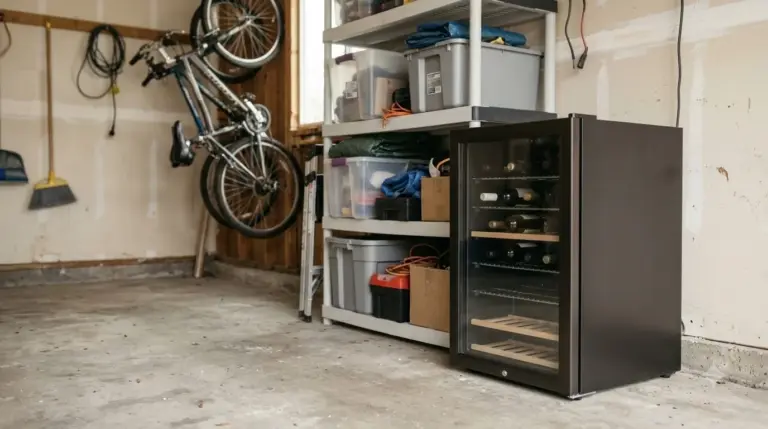
It can, but check the manufacturer’s stated operating range first. A cool basement with stable conditions suits long-term storage, while a hot garage can make the unit work harder and cause temperature swings.
The best 150-bottle wine fridge is the one that fits your room, holds a steady temperature, and makes the bottles you open most often easy to reach. Start with the space and the layout, then choose the zone setup that matches your collection. For more sizes to compare, the 12-bottle page covers smaller counter units, and the by bottle count section groups the full range from small to large.
More in By Bottle Count
 Best 52 Bottle Wine Fridge Options for Every Kitchen and CollectionUpdated Nov 18, 2026
 Best 15 Bottle Wine Fridge Options for Quiet Storage and Ready-to-Pour ServingUpdated Nov 18, 2026
 Best 34 Bottle Wine Cooler Types for Kitchens, Bars, and Home CellarsUpdated Nov 18, 2026
 Best 166 Bottle Wine Cooler Types for Serious Collectors and HostsUpdated Nov 18, 2026
 Best 54 Bottle Wine Fridge Types for Undercounter and Home CellarsUpdated Nov 18, 2026
 Best 46 Bottle Dual Zone Wine Cooler for Built-In Kitchens and Home BarsUpdated Nov 19, 2026