

We may earn a commission when you buy through links on this page, at no extra cost to you. Learn more.
Beringer wine price typically ranges from about $4 to $20 for approachable everyday bottles, while premium selections can cost considerably more. The final cost depends on the collection, grape variety, vineyard designation, bottle size, and retailer. Main & Vine generally occupies the entry-level category, Founders’ Estate offers another everyday option, and Knights Valley and Private Reserve wines sit higher in the portfolio.
Beringer is a recognizable California wine name with a history dating to 1876, but its range covers several different buying occasions. A bottle of White Zinfandel intended for a casual meal is a very different purchase from a Napa Valley Cabernet Sauvignon selected for a special dinner. Understanding the collections and their typical retail positioning makes it easier to compare bottles without assuming that every wine carrying the Beringer name offers the same style or value.
Who This Beringer Wine Price Guide Is For
This guide is useful for shoppers comparing everyday California wines, looking for a particular Beringer variety, or deciding whether a more expensive collection justifies the additional cost. The most important distinction is between the accessible Main & Vine range and Beringer’s more vineyard-focused premium offerings.
First-time buyers may recognize Beringer through its White Zinfandel, a pink wine associated with approachable fruit flavors and casual occasions. However, the wider selection includes Cabernet Sauvignon, Chardonnay, Merlot, Pinot Noir, Pinot Grigio, and other styles. Each variety has a different flavor profile, so choosing by collection name alone is not enough.
The guide is particularly relevant to three types of shoppers:
- Budget-conscious shoppers: Buyers who want an affordable bottle for an ordinary dinner, a gathering, or a relaxed evening. Main & Vine is the most natural collection to investigate first.
- Variety-focused shoppers: People who already know whether they prefer Cabernet Sauvignon, Chardonnay, White Zinfandel, or Moscato and want to compare bottles within that preference.
- Premium wine buyers: Shoppers considering Knights Valley, Single Vineyard, or Private Reserve wines who want to understand why their prices differ from those of everyday bottles.
Beringer’s heritage is part of its appeal, but a long-established winery name does not mean every bottle is intended for collecting or aging. The winery was founded in Napa Valley by Jacob and Frederick Beringer, two brothers originally from Mainz, Germany. Its first vintage dates to 1876, and the official winery history describes its development through gravity-flow winemaking and historic cellars. The winery’s official Beringer history provides additional background on the founders, estate, and early winemaking operation.
That background provides useful context, but the practical buying decision should focus on the individual bottle. A modestly priced White Zinfandel and a premium Cabernet Sauvignon have different grape varieties, production approaches, and intended drinking occasions. The right choice is the one that matches the drinker’s preferences rather than simply the bottle with the highest price.
Key Factors That Determine Beringer Wine Prices
Beringer wine prices are influenced by collection, vineyard origin, grape variety, production choices, and bottle format. Comparing those factors provides a more meaningful picture than treating the entire brand as one price category.
The following table summarizes typical US retail positioning. These are approximate shopping ranges rather than fixed manufacturer prices, informed by retailer listings from Total Wine & More and other US wine retailers. Prices vary by state and retailer.
| Beringer category | Typical bottle size | Approximate US retail range | Buying consideration |
|---|---|---|---|
| Main & Vine White Zinfandel | 750 ml | $4–$9 | Approachable fruity rosé-style wine |
| Main & Vine varieties | 750 ml | $4–$10 | Everyday reds and whites |
| Main & Vine larger formats | 1.5 liters | $8–$15 | Useful for sharing and gatherings |
| Founders’ Estate | 750 ml | $8–$16 | Everyday varietal-focused selections |
| Knights Valley Cabernet Sauvignon | 750 ml | $25–$35 | More premium regional selection |
| Private Reserve Cabernet Sauvignon | 750 ml | $100–$175 | Premium Napa Valley wine |
For a concrete entry-level example, Total Wine’s listing for Beringer Main & Vine White Zinfandel shows a 750 ml format and notes that price, vintage, and availability vary by store. The broader retailer selection also includes larger Main & Vine formats and premium Beringer bottles. These differences illustrate why a single average price cannot accurately represent the whole brand.
Collection and positioning
The collection is often the quickest way to understand the price difference. Main & Vine is designed around accessible California wines, while Founders’ Estate provides another range of varietal selections. Knights Valley and Private Reserve are positioned higher, with a stronger emphasis on regional identity and premium wine styles.
It is also important to distinguish Beringer Main & Vine from the historic Napa Valley winery itself. The Wine Group’s company history identifies Main & Vine as a brand added to its portfolio in 2020. The Wine Group describes its business as privately held and management-owned, with more than 60 brands. This distinction helps explain why two bottles with the Beringer name can occupy very different retail categories.
Grape variety and vineyard origin
Grape variety affects both the style and the buyer’s expectations. Cabernet Sauvignon typically has firmer tannins and a fuller structure, while Merlot generally offers softer tannins. Chardonnay can range from fresh and relatively restrained to richer, oak-influenced styles. White Zinfandel is usually a fruit-forward pink wine intended for uncomplicated enjoyment.
Vineyard origin also matters. A wine identified with a more specific growing region can occupy a different price category from a broadly labeled California wine. Beringer’s official portfolio highlights Knights Valley and Single Vineyard selections, illustrating how regional and vineyard distinctions create additional levels within the brand.
Bottle size and retail availability
A 750 ml bottle is the standard format for most wine purchases, while a 1.5-liter bottle offers twice the volume. Total Wine lists Beringer Main & Vine White Zinfandel in both formats. Larger bottles can make sense for a gathering, although the total purchase cost will be higher.
Retailer inventory also affects what shoppers actually pay. A store may stock a different selection of Beringer varieties from another retailer, and particular vintages or bottle formats may not be available everywhere. Comparing the same collection, variety, and size is essential before deciding that one retailer offers better value.
Step-by-Step: How to Choose the Right Beringer Bottle
The easiest way to buy Beringer wine is to begin with the intended occasion and preferred flavor profile, then narrow the options by collection and bottle size. Following a few simple steps prevents shoppers from paying for a premium category they do not actually need.
-
Decide on your budget.
Start by choosing the amount you want to spend. For an inexpensive everyday bottle, explore Main & Vine first. If the occasion calls for a more structured red or a premium regional wine, investigate Founders’ Estate or Knights Valley before moving to Private Reserve.
-
Choose a wine color and variety.
Decide whether you want red, white, or rosé. Cabernet Sauvignon and Merlot are useful starting points for red wine drinkers. Chardonnay and Pinot Grigio suit different white wine preferences, while White Zinfandel is an option for shoppers who enjoy a fruity pink wine.
-
Match sweetness and structure to your preferences.
White Zinfandel and Moscato are useful choices for shoppers who prefer noticeable fruit and sweetness. Cabernet Sauvignon is generally more tannic, while Merlot tends to be softer. Chardonnay is usually less acidic than Sauvignon Blanc or Riesling, making the grape variety an important consideration.
-
Select the collection.
Compare Main & Vine with Founders’ Estate for everyday drinking. Look at Knights Valley when regional identity and a more premium red wine are priorities. Private Reserve is worth considering for shoppers seeking Beringer’s higher-end Cabernet Sauvignon and Chardonnay selections.
-
Compare bottle formats.
Choose a 750 ml bottle for an ordinary dinner or a smaller gathering. Consider 1.5 liters if several people will be sharing the wine. A standard 750 ml bottle provides approximately five servings when poured in 5 oz portions.
-
Compare retailers using equivalent bottles.
Look at the same grape variety, collection, and bottle size across at least two stores. A Main & Vine 1.5-liter bottle should not be compared directly with a premium 750 ml Cabernet Sauvignon because neither the volume nor the wine category is equivalent.
-
Consider the food and occasion.
For spicy food, a fruit-forward White Zinfandel may be a comfortable pairing. Cabernet Sauvignon works better with richer foods such as grilled beef, while Chardonnay can complement roasted poultry and creamy dishes. Matching the wine to the meal makes the purchase more satisfying.
Tip: Compare the exact collection, grape variety, and bottle size before comparing prices. A 1.5-liter Main & Vine bottle and a 750 ml Private Reserve Cabernet Sauvignon serve different purposes and should not be judged as equivalent purchases.
Once the basic comparison is complete, consider whether the additional cost of a higher collection actually improves the experience you want. For a casual weekday dinner, an accessible Main & Vine bottle may be entirely appropriate. A more formal meal or a gift may justify exploring a more premium selection.
Beringer Wine Types and Collections Explained
Beringer’s range includes approachable California wines and premium regional selections, making it possible to shop within the brand for several different occasions. Understanding the collections is more useful than assuming that all Beringer bottles have the same flavor profile or price positioning.
Main & Vine
Main & Vine is the obvious starting point for shoppers looking for everyday wines. Its selection includes varieties such as Cabernet Sauvignon, Merlot, Chardonnay, Pinot Grigio, Chenin Blanc, Moscato, White Merlot, and White Zinfandel.
The White Zinfandel is especially recognizable for its fresh berry, citrus, and melon characteristics. Beringer’s product information describes approximately three hours of grape-skin contact during production, helping preserve the wine’s light blush appearance. The same description identifies strawberry, honeydew, citrus, nutmeg, and clove among its flavor and aroma characteristics.
For additional information about the selection, see this overview of Beringer Main and Vine. It is a useful starting point for comparing the collection’s different styles rather than concentrating on just one bottle.
White Zinfandel
Beringer White Zinfandel is a particularly accessible choice for people who enjoy fruit-forward pink wine. It can work as an uncomplicated aperitif and pairs with lighter meals, salads, fruit-based dishes, and moderately spicy food.
Its fruit character makes it different from a dry, crisp rosé. Shoppers who prefer less sweetness may want to compare it with a dry rosé or a fresh Pinot Grigio instead. Those who enjoy strawberry and melon flavors may find White Zinfandel a more natural match.
Explore the dedicated Beringer White Zinfandel overview for more information about this recognizable style.
Founders’ Estate
Founders’ Estate provides another way to explore Beringer’s varietal wines. Retail selections include Cabernet Sauvignon, Chardonnay, Merlot, and Pinot Noir. This makes it relevant to shoppers who want familiar grape varieties without automatically moving into the winery’s highest-priced categories.
Cabernet Sauvignon is generally the more structured option, with higher tannin levels and a fuller profile. Merlot is typically softer, while Pinot Noir usually offers lower to medium tannins and relatively high acidity. Chardonnay provides a white wine alternative for buyers who prefer a richer, less overtly tart profile than Sauvignon Blanc.
Knights Valley
Knights Valley is a more premium part of Beringer’s portfolio. Cabernet Sauvignon from this collection is an option for shoppers interested in a more regionally identified red wine rather than an entry-level California selection.
This category makes sense when the buyer values regional character and a more substantial wine experience. It is also a practical step between everyday varietal bottles and the considerably more expensive Private Reserve category.
Private Reserve and Single Vineyard
Private Reserve represents a higher-end Beringer selection, with Cabernet Sauvignon and Chardonnay among the wines featured in retailer listings. Single Vineyard wines provide another premium route for buyers interested in more specific vineyard expressions.
These wines are better suited to special dinners, gifts, and occasions where the buyer wants to explore more premium California wine. They should not automatically be treated as better everyday purchases simply because they occupy a higher price category.
For a broader introduction to the winery and its different collections, visit the Beringer wine overview.
Common Mistakes When Comparing Beringer Prices
The most common purchasing mistake is comparing bottles without considering their size, collection, or wine style. A few simple checks can prevent misleading comparisons and help shoppers choose a bottle that matches their expectations.
Assuming every Beringer wine costs about the same
Beringer has several distinct collections, so a single average price does not adequately describe the brand. Main & Vine occupies an accessible retail category, while Knights Valley and Private Reserve represent more premium choices.
For example, comparing an inexpensive Main & Vine White Zinfandel with a Private Reserve Cabernet Sauvignon tells very little about which wine offers better value. They differ in grape variety, intended occasion, structure, and collection positioning. The comparison should begin with wines that serve similar purposes.
Ignoring the bottle size
A 750 ml bottle and a 1.5-liter bottle contain different quantities of wine. The larger format provides twice as much wine, so the total shelf price naturally needs to be considered alongside volume.
Dividing the price by the volume is a more useful way to compare equivalent quantities. It also prevents shoppers from assuming that a higher total price automatically means a more expensive wine per serving.
Choosing by sweetness alone
Not every fruity wine is equally sweet, and not every wine with a pink color has the same style. White Zinfandel is generally more approachable for drinkers who enjoy noticeable fruit and sweetness, whereas a dry rosé offers a different experience.
Similarly, Chardonnay and Pinot Grigio are not interchangeable simply because both are white wines. Chardonnay usually has medium acidity, while Pinot Grigio can offer a fresher, more restrained profile. The variety matters as much as the collection name.
Assuming a higher price guarantees a better match
A premium Cabernet Sauvignon is not necessarily a better purchase for someone who prefers sweet, light wine. A more expensive bottle can be entirely unsuitable if its tannin, acidity, body, or flavor profile does not match the drinker’s preferences.
Consider the meal as well. Cabernet Sauvignon and grilled beef can be a natural combination, while a fruity White Zinfandel may be more comfortable with a lighter, casual menu. Chili heat can become more pronounced with high-alcohol, tannic wines, so a softer, fruitier selection may be preferable with spicy dishes.
Confusing the winery’s heritage with every product’s positioning
Beringer’s historic Napa Valley identity is well established, but the brand’s everyday selections have a different purpose from its premium wines. The Wine Group identifies Main & Vine as part of its own portfolio, while Beringer’s official winery website presents collections such as Private Reserve, Single Vineyards, and Knights Valley.
Understanding that distinction helps shoppers avoid paying for a perceived prestige level that may not apply to the specific bottle they are considering.
Beringer Wine Storage and Serving Tips
Proper serving temperature and storage conditions help preserve the character of Beringer wines, whether the bottle is an everyday Main & Vine selection or a premium Cabernet Sauvignon. The most important considerations are keeping bottles away from excessive heat, choosing an appropriate serving temperature, and storing opened wine correctly.
Serve each style at the right temperature
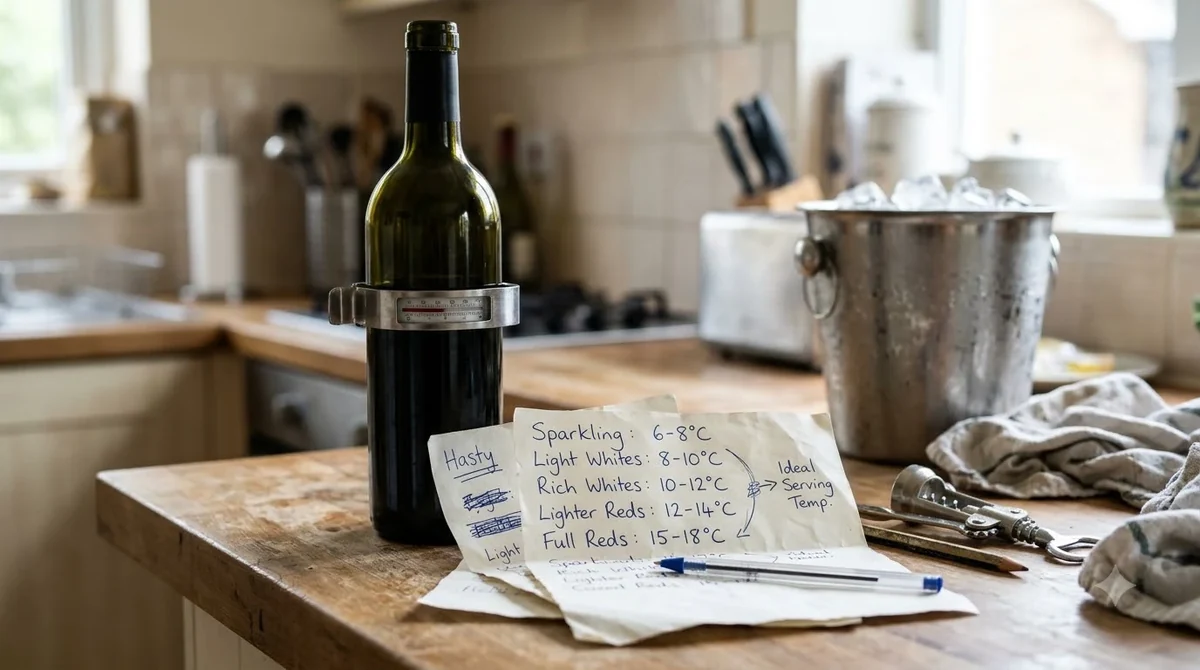
White Zinfandel and other lighter pink wines are generally best served around 45–50 degrees Fahrenheit. This temperature helps retain freshness without making the wine uncomfortably cold. Chardonnay is better served slightly warmer, around 50–55 degrees Fahrenheit, particularly when it has a fuller body.
For reds, lighter styles such as Pinot Noir are generally most enjoyable around 55–60 degrees Fahrenheit. Fuller reds such as Cabernet Sauvignon and Syrah are better served around 60–65 degrees Fahrenheit. Serving red wine too warm can make the alcohol feel more prominent and reduce the impression of freshness.
Store unopened bottles properly
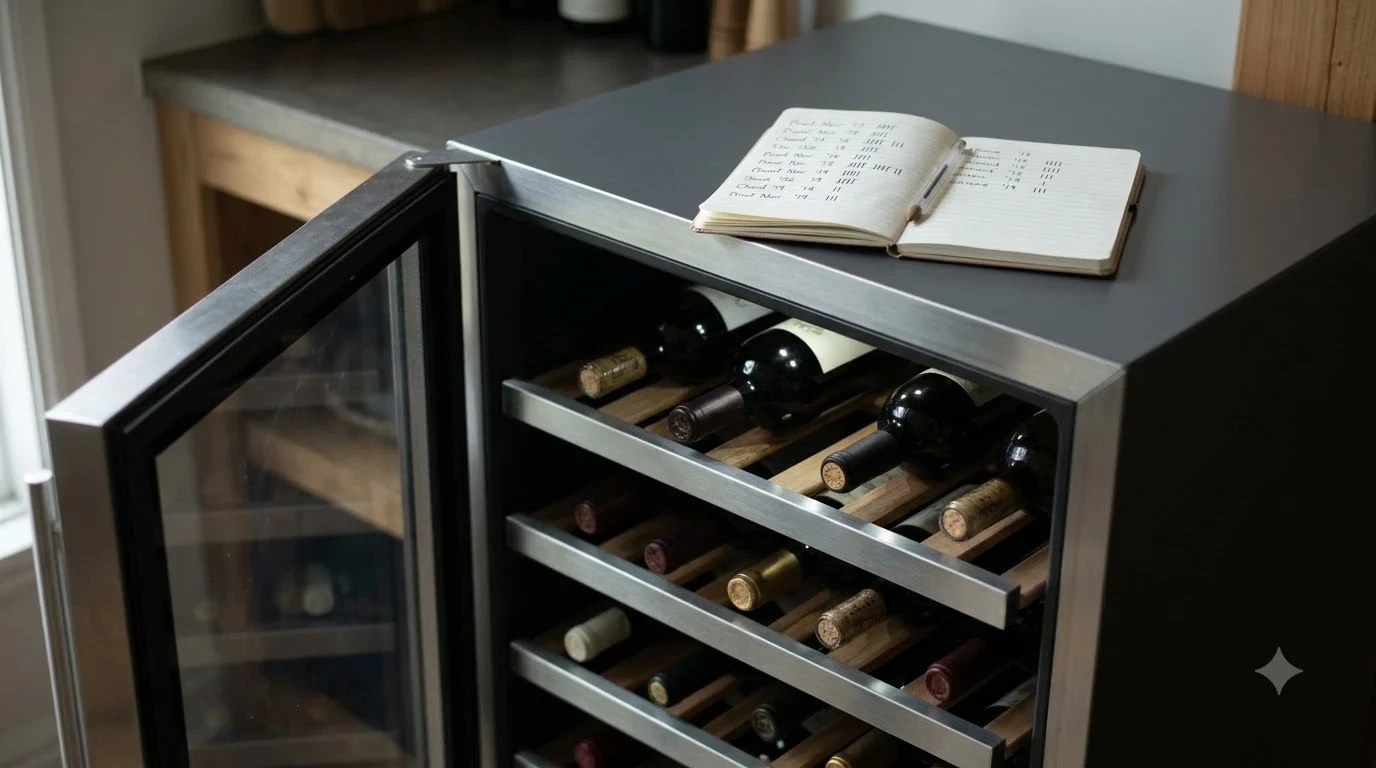
Keep unopened bottles in a cool, relatively dark location with a stable temperature. Around 55 degrees Fahrenheit is a useful storage target for many wines. Bottles with traditional cork closures are generally stored horizontally so the cork remains in contact with the wine.
Avoid placing bottles near radiators, ovens, sunny windows, or other heat sources. Frequent temperature fluctuations are undesirable, especially for wines intended to be kept for longer periods.
Refrigerate opened wine
Once opened, still Beringer wines generally retain their best character for approximately three to five days when refrigerated and properly resealed. The exact period depends on the wine style, exposure to oxygen, and storage conditions.
White Zinfandel, Chardonnay, and Pinot Grigio should be resealed and returned to the refrigerator after pouring. Red wines can also be refrigerated after opening; allow them to warm slightly before serving again if necessary.
Pair the wine with suitable food
Food pairing can make an inexpensive bottle feel particularly appropriate for the occasion. White Zinfandel works with fruit-forward salads, grilled chicken, mild cheeses, and moderately spicy dishes. Chardonnay is suitable for roasted poultry, creamy pasta, and seafood with richer sauces.
Cabernet Sauvignon is a natural candidate for grilled steak, beef burgers, and other protein-rich meals. Its higher tannin level can be softened by the fat in richer foods. Merlot is a useful alternative for drinkers who want a red wine with softer tannins, while Pinot Noir can complement mushroom dishes, roasted poultry, and salmon.
For a simple serving plan, remember that a standard 750 ml bottle provides approximately five 5 oz glasses. That makes one standard bottle suitable for a small dinner or a couple of relaxed servings for several guests.
Frequently Asked Questions
Is Beringer considered a Napa Valley wine brand?
Yes. Beringer Vineyards is based in St. Helena in Napa Valley, California. Its historic estate includes the Rhine House, which was completed in 1884 and is an important part of the winery’s architectural heritage.
Is Beringer White Zinfandel made from red grapes?
Yes. White Zinfandel is made from Zinfandel grapes, which have red skins. The juice receives limited contact with those skins, producing a light pink color rather than the deeper color associated with many red Zinfandel wines.
Does Beringer make wines suitable for people who prefer dry wine?
Yes. Beringer’s portfolio includes varieties such as Cabernet Sauvignon, Chardonnay, and Pinot Grigio that offer alternatives to sweeter White Zinfandel and Moscato styles. The sweetness level depends on the specific wine and its production style, so buyers should distinguish between the individual varieties.
How many glasses are in a 1.5-liter Beringer bottle?
A 1.5-liter bottle contains 1,500 ml, which is approximately 50.7 US fluid ounces. At a standard 5 oz pour, it provides about 10 servings, making it suitable for a larger gathering than a standard 750 ml bottle.
Can Beringer wine be used for cooking?
Yes. Dry Beringer Chardonnay can be used in cream sauces and seafood preparations, while Cabernet Sauvignon or Merlot can add depth to beef stews and red wine reductions. Choose a wine whose flavor suits the dish rather than selecting a bottle solely because it is inexpensive.
Beringer offers options for several budgets and drinking occasions, from accessible Main & Vine wines to premium Knights Valley and Private Reserve selections. The best buying decision comes down to matching the collection, variety, and bottle size with your preferences rather than assuming that the most expensive bottle is always the right choice. Compare equivalent bottles at local retailers to find a suitable Beringer wine for your next meal or gathering.
More in Wine Brands
 Underwood Wine Price: Compare Bottles, Cans, and Pack SizesUpdated Nov 21, 2026
 Zenato Wine Price: Compare Styles and Choose the Right BottleUpdated Nov 21, 2026
 Zuccardi Wine Price: Compare Bottles and Find the Right RangeUpdated Nov 21, 2026
 Yellow Tail Moscato Review: Taste, Sweetness and Serving TipsUpdated Nov 21, 2026
 Wolf Blass Yellow Label Review: Choose Your Best StyleUpdated Nov 21, 2026
 Wolffer Estate Rose Review: Choose the Right Bottle for Your TableUpdated Nov 21, 2026