

We may earn a commission when you buy through links on this page, at no extra cost to you. Learn more.
The Bekaa Valley wine region is Lebanon’s principal wine-producing area, known for high-altitude vineyards, distinctive red blends, indigenous white grapes, and a combination of Mediterranean and continental influences. Located in eastern Lebanon between the Mount Lebanon and Anti-Lebanon ranges, it produces wines from Cabernet Sauvignon, Syrah, Cinsault, Carignan, Merlot, and native varieties such as Obaideh and Merwah. Its sunny summers, cool nights, varied soils, and long winemaking history give Lebanese wines a recognizable identity.
Lebanon is a small country with a wine tradition stretching back thousands of years, and the Bekaa Valley sits at the center of its modern wine industry. Its vineyards combine internationally familiar grapes with varieties that are much harder to encounter elsewhere. Whether you enjoy structured red blends, aromatic whites, or wines with a strong sense of regional character, understanding this valley makes it easier to appreciate what Lebanese producers offer. This guide explains the geography, climate, grapes, wineries, wine styles, and food pairings that define the region.
Where the Bekaa Valley Sits and Why Its Geography Matters
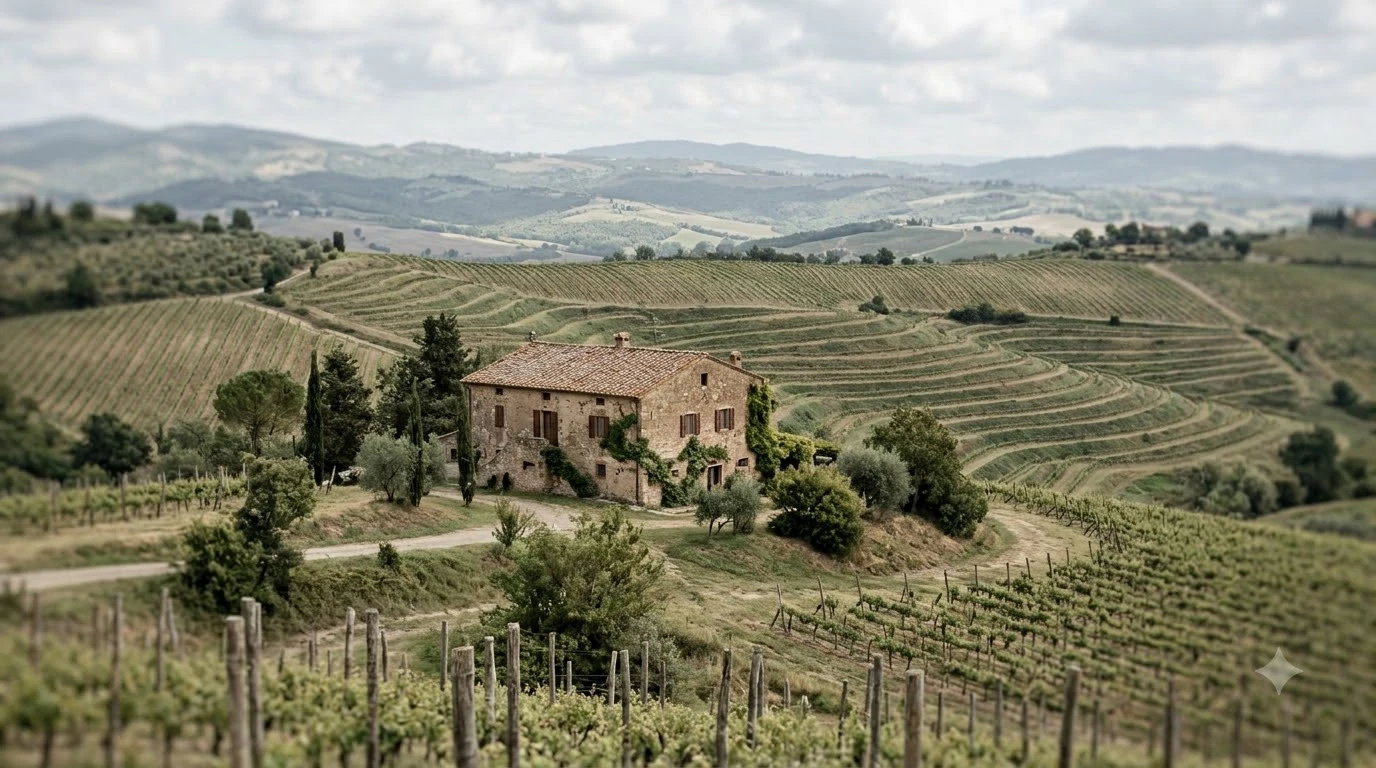
The Bekaa Valley occupies eastern Lebanon, running between two major mountain ranges and forming the country’s most important wine-growing area. Its inland position and elevated vineyards create growing conditions that differ considerably from those of Lebanon’s Mediterranean coastline.
The valley stretches between Mount Lebanon to the west and the Anti-Lebanon Mountains to the east. It is an extensive agricultural plain with vineyards, orchards, farmland, and historic settlements. Zahle is one of its best-known towns and an important reference point for exploring Lebanese wine. The surrounding countryside includes villages such as Kefraya, Tanail, and Ferzol, where vineyards occupy different elevations and soil types.
Elevation is one of the region’s defining characteristics. Many vineyards sit above 3,000 feet, with some growing areas considerably higher. Château Ksara reports an average elevation of approximately 1,000 meters for its vineyards, while Château Kefraya describes its estate as extending across terraced slopes at approximately the same elevation above sea level. These heights influence temperature, sunlight exposure, and grape development.
The mountains also affect the valley’s rainfall and exposure. They create a degree of shelter from Mediterranean weather systems, while the inland location contributes to a more continental seasonal pattern. Summers are generally dry, and winters bring colder conditions and precipitation. This combination supports grape growing while creating distinct differences between daytime warmth and nighttime temperatures.
The Bekaa Valley is not a single uniform vineyard site. Elevation, slope orientation, local geology, and water availability vary between estates and villages. A wine from a higher, cooler vineyard may show a different balance of acidity and ripeness from one grown on a warmer valley-floor site. This variation helps explain why Lebanese producers can make several distinct styles within the same broad region.
For readers comparing international wine regions, the Bekaa’s geography offers an interesting contrast with the Alexander Valley wine region in California. Both produce recognizable wines from international grapes, but their mountain influences, growing seasons, and regional histories are quite different.
Climate, Elevation, and Vineyard Soils
The Bekaa Valley combines hot summer days, cool nights, dry growing conditions, and cold winters. Its elevation helps moderate the summer heat, while its varied limestone, clay, chalk, and gravel soils influence how individual vineyard sites perform.
Château Ksara describes its vineyards as experiencing a semi-continental climate, with cold winters and hot, dry summers. The winery reports approximately 600 to 700 millimeters of annual rainfall, concentrated mainly in autumn and winter. The growing season is considerably drier, which can reduce pressure from certain vineyard diseases compared with wetter wine-growing environments.
Nighttime cooling is particularly important. According to Château Ksara, the temperature difference between hot summer days and cooler evenings can reach approximately 15 degrees Celsius. Grapes receive ample sunlight during the day but experience cooler conditions overnight. This pattern helps producers manage ripeness while retaining freshness in the finished wine.
Elevation also influences the timing and progression of grape ripening. Warmer conditions can encourage sugar accumulation, while cooler nights help moderate the pace of development. The resulting balance depends on the grape variety, vineyard conditions, harvest decisions, and winemaking approach rather than elevation alone.
Soils add another layer of variation. The region includes several important geological compositions:
- Limestone: Common in Bekaa vineyard areas and frequently found beneath clay or loam.
- Clay: Found in several estates and capable of retaining moisture during dry growing periods.
- Chalk: Appears in vineyard soils at producers such as Château Ksara.
- Gravel: Contributes to the varied drainage characteristics of individual vineyard sites.
- Stony deposits: Occur across the valley and form part of its diverse vineyard landscape.
Château Kefraya describes a particularly varied collection of soils across its 300-hectare estate, including clay-limestone, clay-chalk, sandy, and gravelly areas. The winery also reports that its vines grow without irrigation. These differences provide opportunities to cultivate multiple varieties and select grapes suited to specific vineyard parcels.
Tip: When comparing two Bekaa Valley wines, look beyond the grape names. Vineyard elevation, soil composition, and the producer’s blending decisions can make two Cabernet Sauvignon-based wines taste substantially different.
Red and White Grapes That Define Lebanese Wine
The Bekaa Valley grows a mixture of internationally recognized grapes and indigenous Lebanese varieties. Cabernet Sauvignon, Syrah, Cinsault, and Carignan are important red grapes, while Obaideh and Merwah provide a distinctive connection to Lebanon’s native viticultural heritage.
International varieties have become central to the region’s modern wine identity. Many producers use them in single-variety wines or blends that combine different grape characteristics.
Important red grape varieties
- Cabernet Sauvignon: A full-bodied grape known for dark fruit, firm tannins, and considerable structure. It contributes depth and aging potential to many Lebanese red blends.
- Syrah: Often produces wines with blackberry, plum, pepper, and savory notes. Its medium-plus to high tannin structure makes it useful in substantial red blends.
- Cinsault: A Mediterranean variety that can contribute red berry fruit, softer tannins, and freshness. It can make a blend more approachable.
- Carignan: Known for dark fruit, acidity, and firm structure, depending on vineyard conditions and winemaking choices.
- Merlot: Usually offers softer tannins than Cabernet Sauvignon, with plum and black cherry characteristics.
- Grenache: Can add ripe red fruit, spice, and generous texture to Mediterranean-style blends.
Cabernet Sauvignon and Syrah are particularly useful for understanding the structure of many Bekaa reds. Cabernet generally contributes firmer tannins, while Syrah brings dark fruit and savory complexity. Cinsault and Carignan can introduce different fruit and structural characteristics, depending on the blend.
Indigenous Lebanese white grapes
Obaideh and Merwah are among the most interesting grapes for anyone exploring Lebanese wine beyond familiar international varieties.
Obaideh is a native white grape historically associated with arak, Lebanon’s traditional anise-flavored grape spirit. Wine From Lebanon explains that DNA analysis confirmed Obaideh as an indigenous Lebanese variety rather than a Chardonnay clone. Its naturally lower acidity and higher sugar potential distinguish it from many familiar international white grapes. Still wines made from Obaideh can show creamy texture with honey and lemon characteristics. Read more about its identity and production in the Wine From Lebanon explanation of indigenous grapes.
Merwah is another important indigenous white grape. It is thought to be related to Sémillon and is associated with light citrus and nutty flavors. Some producers use it in blends, while others make distinctive individual bottlings. Its character can provide an interesting alternative to the sharper citrus-driven profiles associated with high-acid international whites.
Mekssassi, also spelled Meksassi, is another indigenous white variety. Its reported flavor characteristics include citrus, stone fruit, and tree fruit. Some examples are aged in oak, giving wine drinkers another expression of Lebanon’s native grapes.
Another unusual variety is Sobbaghieh, a rare teinturier grape with red skin and red flesh. Unlike most red grapes, which have clear juice and obtain their color from skin contact, teinturier varieties have colored flesh as well. Its wines are produced in relatively small quantities and can show dark berry and sweet-spice characteristics.
These native varieties are an important reason to explore Lebanese wine beyond familiar international blends. They connect modern producers with local grape-growing traditions and offer flavor profiles that are difficult to replicate elsewhere.
Historic Wineries and Producers to Know
Several established producers have helped introduce Lebanese wine to international audiences. Château Ksara, Château Musar, and Château Kefraya are particularly useful names to recognize because they represent different approaches to the region’s grapes and winemaking traditions.
Château Ksara
Château Ksara is one of Lebanon’s historic wine producers. Its vineyards occupy sites throughout the Bekaa Valley, and its official vineyard information describes a broad collection of grape varieties and soil conditions.
Its holdings include several named vineyard sites. Kanafar covers 42 hectares and grows Cabernet Sauvignon, Syrah, Merlot, Mourvèdre, Chardonnay, and other varieties. Tal El Deir covers 76 hectares and includes Cabernet Franc, Petit Verdot, Gamay, Malbec, Chardonnay, and Vermentino.
The winery’s broader vineyard portfolio illustrates the diversity possible within the valley. Rather than relying on one grape or one soil type, its vineyards accommodate a mixture of international varieties across different growing sites. Its official vineyard overview provides further details about the individual estates and their grape plantings.
Château Musar
Château Musar is one of Lebanon’s internationally recognized wine names. Founded by Gaston Hochar in 1930, it became particularly associated with distinctive red blends and a winemaking philosophy that emphasizes the character of the grapes and the finished wine.
Its classic red blend is associated with Cabernet Sauvignon, Cinsault, and Carignan. This combination brings together Bordeaux-influenced structure and Mediterranean fruit characteristics. The winery is also known for wines made with indigenous white grapes, particularly Obaideh and Merwah.
Château Musar is an important name for anyone interested in Lebanese wine aging potential and traditional blending. Its reds are often discussed in terms of their distinctive development over time rather than simply their immediate fruit profile.
Château Kefraya
Château Kefraya is based in the West Bekaa Valley. Its first vines were planted in 1951, and the estate began producing its own wine in 1979. The winery’s official information describes a 300-hectare estate with terraced vineyards and a broad range of soil compositions.
Its grape varieties include Cabernet Sauvignon, Syrah, Chardonnay, Viognier, Carménère, Marselan, Obeidi, and Merwah. The winery also describes manual harvesting, optical grape sorting, and separate vinification of individual vineyard parcels.
Its cellar uses French oak barrels and clay amphorae, combining contemporary equipment with traditional vessels. These choices provide insight into how producers can approach aging and blending in different ways.
Château Kefraya’s history also illustrates how Lebanon’s modern wine industry developed during a difficult period. The estate began producing its own wine in 1979, during the Lebanese Civil War, and subsequently expanded its international presence. Its vineyard approach demonstrates the importance of individual parcels and local terroir in shaping the finished wines.
For an overview of these and other areas beyond Lebanon, the site’s Wine Regions collection offers useful comparisons with established wine-growing destinations.
What Bekaa Valley Wines Taste Like
Bekaa Valley wines range from structured, full-bodied reds to aromatic whites and more approachable Mediterranean blends. Their exact character depends on grape variety, vineyard conditions, harvest timing, blending proportions, and aging methods.
Red blends are among the region’s best-known styles. Cabernet Sauvignon-based wines can show blackcurrant, dark cherry, cedar, and firm tannins. Syrah-based examples often emphasize blackberry, plum, pepper, and savory notes. When Cinsault or Grenache is included, the blend may have softer fruit characteristics and a more accessible texture.
Carignan can contribute acidity and dark-fruit character, while Merlot can soften the tannic impression of Cabernet Sauvignon. These differences explain why two red blends from the same broad region may have very different drinking profiles.
White wines also deserve attention. Chardonnay provides a familiar starting point for drinkers accustomed to international wines. Depending on production methods, it can show citrus, apple, stone fruit, and oak-derived flavors. Viognier offers a more aromatic alternative, with floral and ripe stone-fruit characteristics.
Obaideh and Merwah provide a more specifically Lebanese experience. Obaideh can contribute a broader impression of texture and creamy richness, while Merwah is associated with citrus and nutty qualities. These indigenous varieties are especially interesting for drinkers seeking wines that reflect the country’s agricultural heritage.
Rosé wines and lighter red styles are also possible within the valley’s broad range of grape varieties. Cinsault and Grenache can be useful components in these wines, depending on the producer’s intended style.
Comparing common Bekaa Valley wine styles
| Wine style | Typical grapes | Body and structure | Common flavor direction |
|---|---|---|---|
| Cabernet-led red | Cabernet Sauvignon, Merlot | Full-bodied, firm tannins | Blackcurrant, dark cherry, cedar |
| Syrah-led red | Syrah, Grenache | Medium-full to full-bodied | Blackberry, plum, pepper |
| Mediterranean red blend | Cinsault, Carignan, Grenache | Medium to full-bodied | Red berries, dark fruit, herbs |
| Chardonnay | Chardonnay | Medium-bodied | Apple, citrus, stone fruit |
| Aromatic white | Viognier | Medium-bodied | Peach, apricot, floral notes |
| Indigenous white | Obaideh, Merwah | Variable, depending on grape and production | Nutty, floral, stone fruit |
These descriptions are general style indicators rather than fixed rules. A Cabernet blend with a substantial Merlot component may feel softer than a more Cabernet-dominant bottling. Similarly, oak maturation can add texture and spice to a white wine without changing its underlying grape identity.
Vintage conditions also matter. Differences in rainfall, summer temperatures, and harvest timing can affect ripeness and concentration. When comparing wines from different producers, consider the grape composition and winemaking choices together rather than assuming that every wine from the Bekaa tastes alike.
Food Pairings and Serving Bekaa Valley Wines
Bekaa Valley wines pair naturally with many Lebanese and Mediterranean dishes. Structured reds work particularly well with grilled meats and roasted vegetables, while aromatic whites complement seafood, herbs, and lighter dishes.
Cabernet Sauvignon-based blends are good choices for lamb kebabs, grilled beef, and slow-roasted lamb. Their firm tannins work well with protein and can feel softer alongside foods containing fat. Syrah-based reds are especially suitable for grilled lamb, spiced beef, and roasted eggplant because their dark fruit and savory notes complement smoky flavors.
Cinsault and Carignan blends can work with chicken cooked with Mediterranean herbs, tomato-based stews, and grilled vegetables. Their fruit characteristics provide a useful contrast to savory dishes without necessarily overwhelming more moderately seasoned food.
For white wines, Chardonnay is a practical partner for roast chicken, grilled fish, and creamy vegetable dishes. Viognier works with aromatic foods such as roasted chicken with apricots, herb-seasoned dishes, and moderately spiced cuisine. Merwah can complement seafood, poultry, and dishes featuring nuts or aromatic herbs.
Obaideh’s relatively low acidity means that it may be better suited to dishes that do not demand a highly acidic wine. Merwah’s citrus and nutty characteristics make it an interesting match for dishes featuring almonds, roasted vegetables, and mild cheeses.
Food seasoning should also influence the choice. Highly acidic dishes, including those featuring lemon or vinegar, generally work better with wines that have equal or higher acidity. Salt and fat soften the perception of tannin, making a structured Cabernet blend more comfortable alongside fatty lamb or grilled beef. Very hot chili dishes can make wines with substantial alcohol and tannin seem more aggressive, so a softer red or aromatic white may be a better option.
Serving temperatures
Serving temperature makes a meaningful difference to the balance and aroma of Lebanese wine. Full-bodied reds should not be served excessively warm, while whites benefit from cooler temperatures that preserve their freshness.
- Full-bodied red blends: 60–65°F.
- Lighter red blends: 55–60°F.
- Full-bodied white wines: 50–55°F.
- Lighter white wines: 45–50°F.
- Rosé wines: 45–50°F.
A young, full-bodied red may benefit from 30 to 60 minutes of decanting before serving. This can help the wine open aromatically and allow its structure to become more expressive. Older bottles should be handled more carefully because extended exposure to air can diminish delicate aromas.
A standard 750-milliliter bottle provides approximately five 5-ounce servings. If you are serving several wines at a dinner, begin with lighter whites, move to fuller whites and lighter reds, and finish with more substantial reds.
Buying, Storing, and Exploring Lebanese Wines
The easiest way to explore the Bekaa Valley is to start with a familiar grape variety and then compare it with a wine made from indigenous grapes. This approach gives you a reference point for understanding what makes Lebanese wine distinctive.
For a first purchase, a Cabernet Sauvignon and Syrah blend is a useful introduction. These varieties have recognizable international flavor profiles, making them easier to compare with wines from France, California, or Australia. A Cinsault-based blend offers another perspective, especially if you prefer less aggressive tannins and more approachable fruit.
After trying an international blend, look for an Obaideh or Merwah bottling. These varieties provide an opportunity to explore Lebanon’s native grapes without relying entirely on familiar European varieties. Their flavor profiles may be less familiar, but that is part of their appeal.
Producer identity is another useful buying consideration. Château Musar is a strong reference point for distinctive, age-worthy blends. Château Ksara offers a broad range of varieties and vineyard expressions, while Château Kefraya provides examples of carefully blended wines from varied vineyard parcels.
Storage and bottle care
Store unopened bottles on their sides when they have natural cork closures, in a location near 55°F with stable temperatures. Avoid direct sunlight, excessive heat, and repeated temperature changes. A dedicated wine refrigerator is useful when a regular cellar is unavailable.
Opened bottles should be resealed and refrigerated. Most still wines remain suitable for drinking for approximately three to five days, although their aromas and flavors gradually change after opening. The refrigerator is appropriate for both red and white wines after opening; allow a red to warm slightly before serving again.
For bottles intended for longer storage, consider the wine’s structure and producer guidance. A firmly structured Cabernet Sauvignon-based blend may have more aging potential than a lighter, fruit-focused red. However, not every Bekaa Valley wine is intended for extended cellaring, and many are best enjoyed while their primary fruit remains expressive.
Exploring the region alongside other international wine destinations can also help clarify its identity. The Eden Valley wine region in Australia, for example, is particularly associated with high-quality Riesling, offering an interesting contrast to Lebanon’s emphasis on Mediterranean red varieties and indigenous white grapes.
For a more focused tasting, open two Bekaa Valley wines together: one Cabernet Sauvignon-based red and one indigenous white. Compare their aromas, acidity, body, and finish. This simple exercise provides a practical introduction to the region’s combination of international influences and local character.
Frequently Asked Questions
Is the Bekaa Valley one of the oldest wine-producing areas in the world?
Lebanon has a winemaking heritage extending back thousands of years, and archaeological discoveries provide evidence of ancient wine production in the country. The Roman Temple of Bacchus at Baalbek is an important historical landmark associated with wine culture. The valley’s modern commercial wine industry, however, developed much later than its ancient viticultural traditions.
What is the difference between Obaideh and Obeidi?
Obaideh and Obeidi are alternative spellings used for a Lebanese indigenous white grape variety. The spelling can vary between producers and wine publications. Both names refer to a variety associated historically with arak production and increasingly with still wine.
What is arak, and how is it connected to Bekaa Valley grapes?
Arak is a traditional Lebanese distilled spirit made from grapes and flavored with anise. Grapes such as Obaideh have historically been used in its production. Arak is traditionally served with water and ice, which changes its appearance from clear to cloudy.
Can Lebanese wines be found in American wine shops?
Yes. Lebanese wines are imported into the United States, although selection varies by state, distributor, and retailer. Château Musar, Château Ksara, and Château Kefraya are useful producer names to search for when looking for bottles from the Bekaa Valley.
What language is commonly used on Bekaa Valley wine labels?
French and Arabic are both important languages in Lebanon’s wine culture, reflecting the country’s linguistic history and regional traditions. Some labels also include English, particularly on bottles intended for international markets. Producer names and grape varieties may therefore appear in different transliterations.
The Bekaa Valley offers a distinctive combination of high-altitude vineyards, Mediterranean grape varieties, indigenous Lebanese grapes, and a long history of winemaking. Start with a Cabernet Sauvignon or Syrah blend, then explore Obaideh and Merwah to experience the region’s more unusual expressions. Together, these wines show why Lebanon deserves attention among the world’s distinctive wine-producing countries.
More in Wine Regions
 Willcox Wine Trail: Discover Arizona’s High-Elevation Wine CountryUpdated Nov 20, 2026
 Yakima Valley Wine Region: Find the Best Styles to TryUpdated Nov 20, 2026
 Vosne Romanee Wine Tasting: Identify Aromas and Choose Better PairingsUpdated Nov 20, 2026
 Yakima Valley Wine Festival: Find the Best Seasonal Wine EventsUpdated Nov 20, 2026
 Wales Vineyards: Discover Cool-Climate Wines and Where to VisitUpdated Nov 20, 2026
 Yountville Wine Festival: Discover Napa Wines and Local FoodUpdated Nov 20, 2026