

We may earn a commission when you buy through links on this page, at no extra cost to you. Learn more.
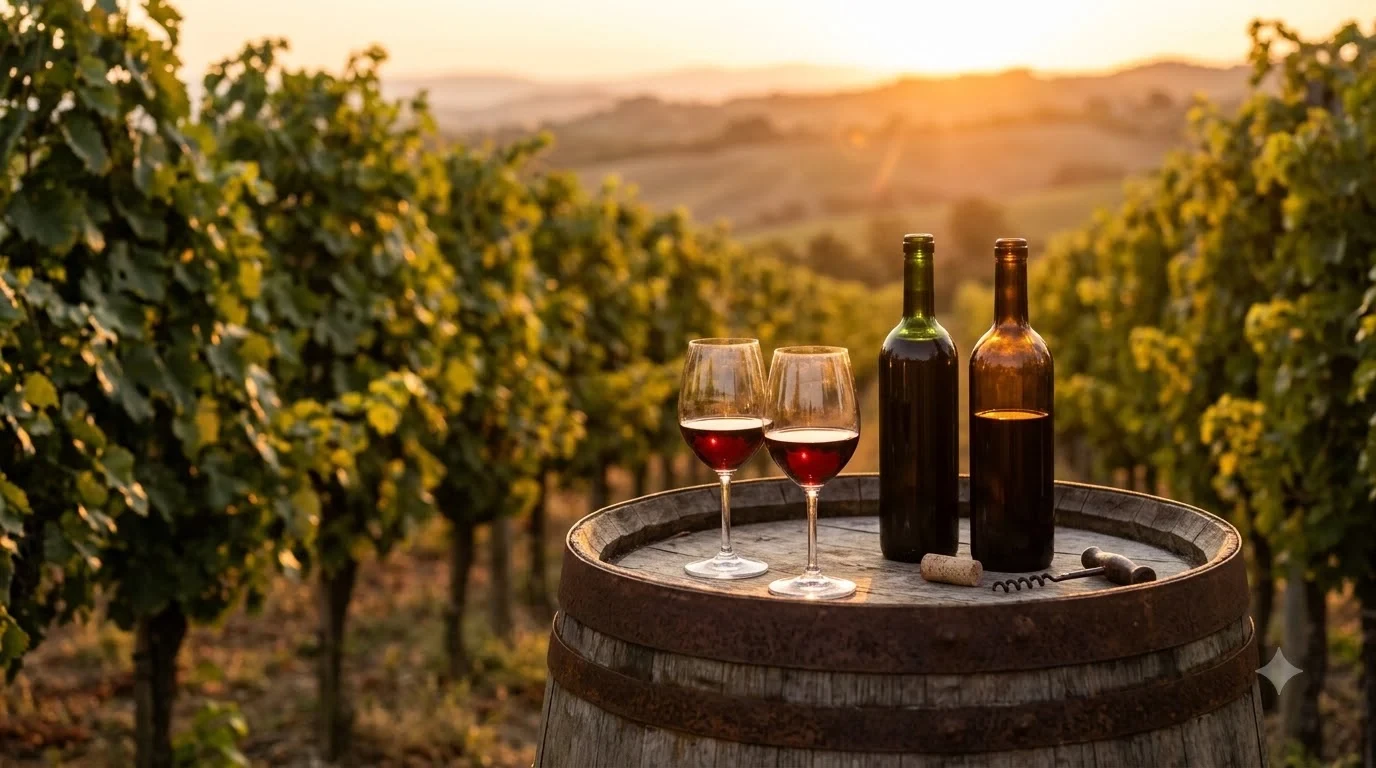
Beaulieu Vineyard red wine refers to the celebrated portfolio of Napa Valley reds—anchored by Cabernet Sauvignon—produced by one of Rutherford’s founding wineries since 1900. Often labeled simply as BV, the estate helped establish California’s international reputation through its flagship Georges de Latour Private Reserve Cabernet Sauvignon, first produced in 1936. Today, the lineup spans approachable Napa Valley bottles, single-AVA Rutherford reserves, and age-worthy collector releases known for dark berry fruit, fine tannins, and dusty cocoa notes.
Few American wineries carry the historical footprint of Beaulieu Vineyard, situated along Highway 29 in the heart of Napa Valley’s Rutherford appellation. Whether you encounter a widely distributed Napa Valley bottling at a neighborhood dinner or a library vintage of Private Reserve at a special tasting, understanding how these reds are grown, blended, and structured makes it much easier to appreciate what is in the glass. Among historic wine brands, BV stands out for bridging early twentieth-century pioneering with modern precision winemaking.
Who makes Beaulieu Vineyard red wine
Beaulieu Vineyard was founded in 1900 by French immigrant Georges de Latour and his wife, Fernande, in Rutherford, California, and is currently led by General Manager and Director of Winemaking Trevor Durling under parent company Treasury Wine Estates. According to the official Beaulieu Vineyard origin history, Fernande named the estate after seeing the original parcel of land and exclaiming, “Quel beau lieu!”—meaning “What a beautiful place!”
Georges de Latour originally built his fortune in the cream of tartar business before turning his focus toward crafting Napa Valley wines capable of rivaling those of his native Bordeaux. Between 1900 and 1907, the couple expanded their holdings to establish BV Ranch No. 1 and BV Ranch No. 2, importing phylloxera-resistant rootstocks from Europe and sharing them with neighboring growers to strengthen the wider valley. When Prohibition arrived, BV secured a warrant to produce sacramental wine for the Catholic Church, allowing the winery to keep operating and expand its cellar capacity throughout the thirteen-year ban.
In 1938, de Latour hired Russian-born, French-trained enologist André Tchelistcheff, who stewarded BV’s winemaking for thirty-five years and transformed California Cabernet Sauvignon. Tchelistcheff introduced cold fermentation, malolactic fermentation, small French oak barrel aging, and vineyard frost protection, while coining the famous phrase “Rutherford dust” to describe the fine, cocoa-like tannin texture of grapes grown on the Rutherford bench. Since 2017, winemaker Trevor Durling has overseen the estate’s modern era, refining maceration and barrel selection to bring renewed focus and energy to the cellar.
The lineup of Beaulieu Vineyard red wines
The Beaulieu Vineyard red portfolio centers on Bordeaux-style Cabernet Sauvignon, organized in a clear tier system from everyday Napa Valley expressions up to limited-production estate reserves. While BV also crafts smaller lots of Merlot, Cabernet Franc, Malbec, Petite Sirah, and red blends for tasting room visitors and club members, three core Cabernet Sauvignon bottlings define the winery’s national identity.
| Bottling Name | Primary Appellation | Typical Blend | Reported ABV | House Style |
|---|---|---|---|---|
| BV Napa Valley Cabernet Sauvignon | Napa Valley AVA | Cabernet Sauvignon with Petite Sirah and Cabernet Franc | 14.3% to 14.7% | Supple, fruit-forward, and approachable upon release |
| BV Rutherford Reserve Cabernet Sauvignon | Rutherford AVA | Cabernet Sauvignon with small portions of Petit Verdot or Malbec | 14.5% to 14.9% | Structured, savory, with pronounced cocoa-powder tannins |
| Georges de Latour Private Reserve Cabernet Sauvignon | Rutherford / Napa Valley | Predominantly Cabernet Sauvignon with a touch of Petit Verdot | 14.7% | Concentrated, multi-layered, built for decades of cellaring |
At the entry to the Napa tier, the BV Napa Valley Cabernet Sauvignon draws fruit from across the valley to deliver a balanced, polished red that requires no extended cellar time. Recent vintages blend roughly 93% Cabernet Sauvignon with small percentages of Petite Sirah and Cabernet Franc, offering generous dark fruit and rounded tannins that have earned strong critical praise for value.
Stepping up into single-appellation character, the BV Rutherford Reserve Cabernet Sauvignon—often affectionately nicknamed “Baby Georges” by the winery team—pulls primarily from estate vineyards in Rutherford. Aged for around 21 months in oak, it showcases a firmer backbone and deeper savory complexity than the broader Napa Valley bottling. At the summit sits the Georges de Latour Private Reserve Cabernet Sauvignon, sourced from handpicked, optically sorted fruit off the western bench of BV Ranches No. 1 and No. 2. Highlighted in Wine Spectator’s Top 100 coverage for its 2021 vintage, this flagship bottle remains one of Napa Valley’s benchmark collectibles.
Taste profile and Rutherford terroir
Beaulieu Vineyard red wines are defined by a combination of ripe Napa Valley black fruit, sweet baking spice from oak maturation, and the signature fine-grained tannin structure known as Rutherford dust. Rather than relying on heavy extraction or syrupy sweetness, BV’s modern house style aims for balance between concentrated fruit, natural acidity, and structural grip.
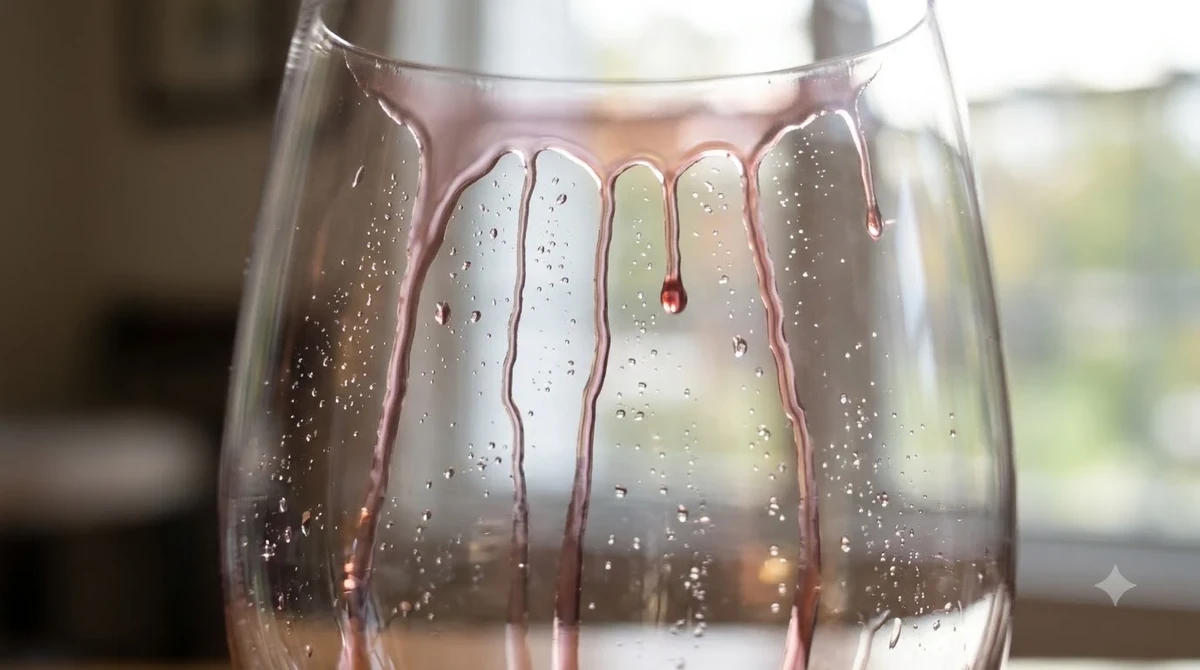
On the nose and palate, drinkers typically encounter layers of blackcurrant, blackberry, black cherry, and plum interwoven with cedar, clove, wild sage, dried tobacco leaf, and dark chocolate. The alluvial fan soils along Rutherford’s western bench—composed of well-draining gravel, sand, and loam washed down from the Mayacamas Mountains—stress the Cabernet Sauvignon vines just enough to produce small berries with thick skins. That skin-to-juice ratio creates the tactile, unsweetened cocoa-powder sensation across the mid-palate that Tchelistcheff famously likened to “an iron fist in a velvet glove.”
Compared to richer, softer supermarket reds like Apothic Brew or easy-drinking everyday pours such as Main and Vine wine, Beaulieu Vineyard’s Napa and Rutherford Cabernets are noticeably drier, more tannic, and more savory. Even the most accessible Napa Valley bottling retains classic dry Bordeaux-inspired structure, giving the wine lift and length on the finish rather than lingering residual sugar.
How to serve and pair Beaulieu Vineyard red wine
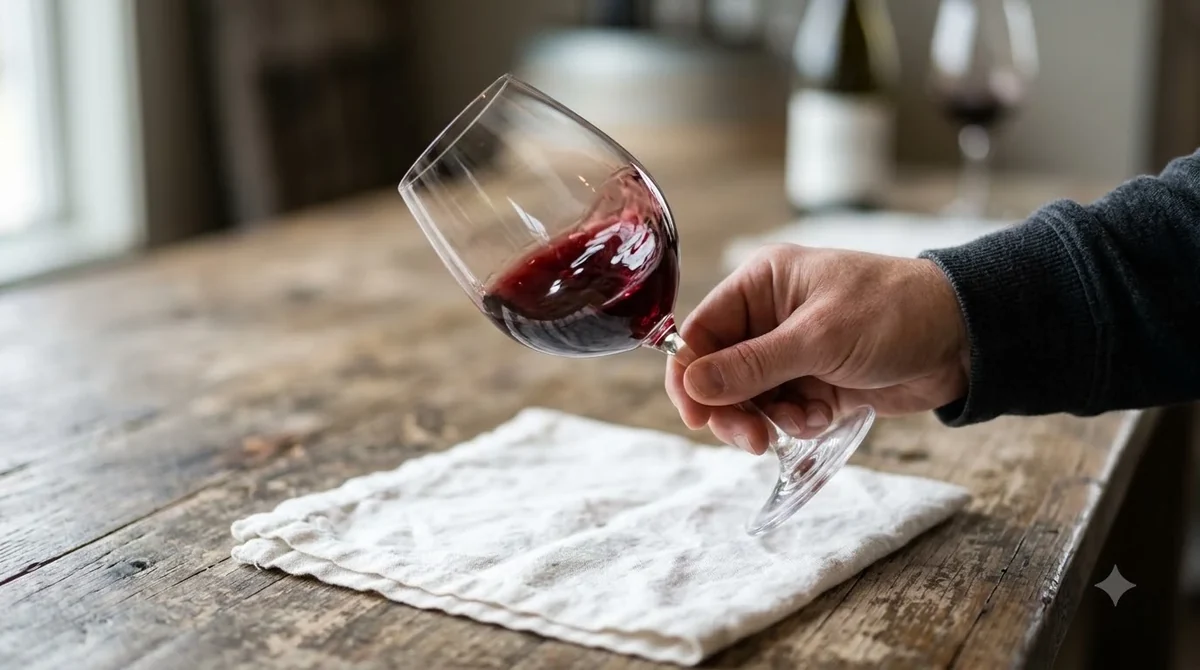
To show its full aromatic range and soften its firm tannins, Beaulieu Vineyard red wine should be served slightly cooler than warm room temperature, between 60°F and 65°F (15°C to 18°C). Serving a 14.7% ABV Cabernet too warm can accentuate alcohol heat and flatten the subtle herbal and floral notes, so placing the bottle in the refrigerator for 15 to 20 minutes before pouring helps bring it into the ideal window.
Aeration also makes a noticeable difference, particularly for younger vintages of the Rutherford Reserve and Georges de Latour Private Reserve. Letting the Napa Valley bottling breathe in the glass or a decanter for about 30 minutes helps open up its dark berry aromatics, while young Private Reserve bottles benefit from one to two hours in a wide-base decanter. Use a large, tall-bowled Bordeaux glass so the aromas have room to gather before each sip.
Tip: If you open a bottle of BV Cabernet Sauvignon and cannot finish it in one evening, recork it tightly and store it upright in the refrigerator; the cool temperature slows oxidation and keeps the fruit vibrant for three to five days.
At the dinner table, the firm tannins and bright acidity of Beaulieu Vineyard Cabernet Sauvignon pair naturally with protein- and fat-rich dishes. Chargrilled ribeye steak, herb-crusted rack of lamb, braised beef short ribs, and roasted duck all soften the wine’s tannic grip while echoing its savory cedar and sage notes. For vegetarian meals or cheese boards, aged hard cheeses like Parmigiano-Reggiano, aged Gouda, or sharp white cheddar work reliably well alongside mushroom risotto or grilled portobello steaks.
Who Beaulieu Vineyard red wine suits
Beaulieu Vineyard red wine suits drinkers who appreciate classic, structured California Cabernet Sauvignon with a genuine sense of regional history and vineyard identity. Because the portfolio spans multiple tiers, it works equally well for someone exploring authentic Napa Valley Cabernet for the first time and for seasoned collectors seeking cellar-worthy bottles with a multi-decade track record.
If you enjoy dry, full-bodied reds with distinct earthy and savory undertones—similar in culinary versatility to structured Italian reds like Zenato wine—BV’s Rutherford bottlings offer plenty of complexity without feeling overly jammy. On the other hand, if you strongly prefer low-tannin, lightly sweet reds or delicate, high-acid Pinot Noir, the firm grip and oak spice of Rutherford Cabernet may feel too assertive on its own without food alongside it.
Frequently Asked Questions
Is Beaulieu Vineyard red wine dry or sweet?
Beaulieu Vineyard red wines are dry table wines fermented without residual sugar. While ripe Napa Valley blackcurrant, blackberry, and oak spice notes can give an impression of fruit richness on the mid-palate, the finish is crisp, savory, and firm.
What does BV stand for on Beaulieu Vineyard bottles?
BV stands for Beaulieu Vineyard, the historic winery founded in Rutherford, California, in 1900 by Georges and Fernande de Latour. The initials have appeared prominently on the winery’s labels for decades as shorthand for the estate’s name.
How long can you age Georges de Latour Private Reserve?
According to reviews from critics such as James Molesworth at Wine Spectator and Jeb Dunnuck, well-stored vintages of Georges de Latour Private Reserve Cabernet Sauvignon can age gracefully for 20 to 30 years. Unopened bottles should be stored on their side in a dark, vibration-free space at a consistent 55°F (13°C).
What is Rutherford dust in Beaulieu Vineyard Cabernet?
Rutherford dust is a tasting term popularized by longtime BV winemaker André Tchelistcheff to describe the distinctive fine-grained, unsweetened cocoa-powder tannin texture found in Cabernets from Napa Valley’s Rutherford AVA. It stems from the region’s well-draining alluvial fan soils and warm days tempered by evening fog.
More than a century after Georges and Fernande de Latour planted their first Rutherford vines, Beaulieu Vineyard remains a cornerstone of Napa Valley red winemaking. Exploring the progression from its approachable Napa Valley Cabernet to the structured Rutherford Reserve and iconic Georges de Latour Private Reserve offers a clear, rewarding look at how terroir and cellar craft shape California wine.
More in Wine Brands
 Underwood Wine Price: Compare Bottles, Cans, and Pack SizesUpdated Nov 21, 2026
 Zenato Wine Price: Compare Styles and Choose the Right BottleUpdated Nov 21, 2026
 Zuccardi Wine Price: Compare Bottles and Find the Right RangeUpdated Nov 21, 2026
 Yellow Tail Moscato Review: Taste, Sweetness and Serving TipsUpdated Nov 21, 2026
 Wolf Blass Yellow Label Review: Choose Your Best StyleUpdated Nov 21, 2026
 Wolffer Estate Rose Review: Choose the Right Bottle for Your TableUpdated Nov 21, 2026