
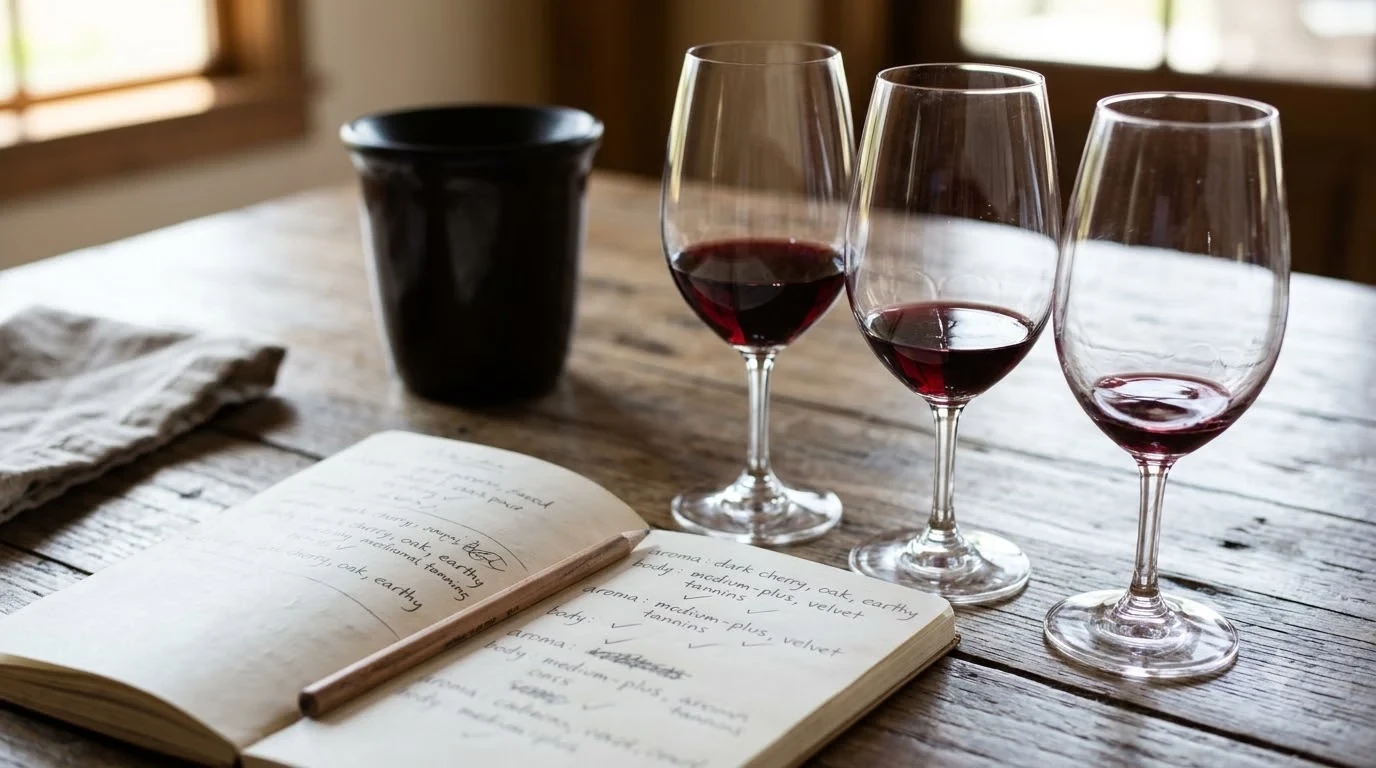

We may earn a commission when you buy through links on this page, at no extra cost to you. Learn more.
A beaujolais wine tasting reveals how Gamay ranges from bright, easygoing reds to structured, age-worthy wines across this French region south of Burgundy. Start by comparing a fresh Beaujolais or Beaujolais-Villages with two or three of the ten crus. Look for vivid cherry and raspberry, lively acidity, soft-to-firm tannins, and differences in texture that reflect place and winemaking.
Beaujolais is often introduced through Beaujolais Nouveau, the youthful red released soon after harvest, but that bottle is only one expression of the region. A thoughtful tasting moves from juicy, fruit-led Gamay to wines with floral aromas, earthy depth, and enough structure for a substantial meal. The guide below explains what to pour, what to notice, and how to choose a style you enjoy.
What a Beaujolais Tasting Reveals
Most Beaujolais reds are made from Gamay and show bright acidity, modest tannin, and fresh red-fruit character. The key distinction is not simply light versus heavy: it is the difference between wines made for immediate pleasure and wines built around a specific village, vineyard, or more deliberate cellar approach.
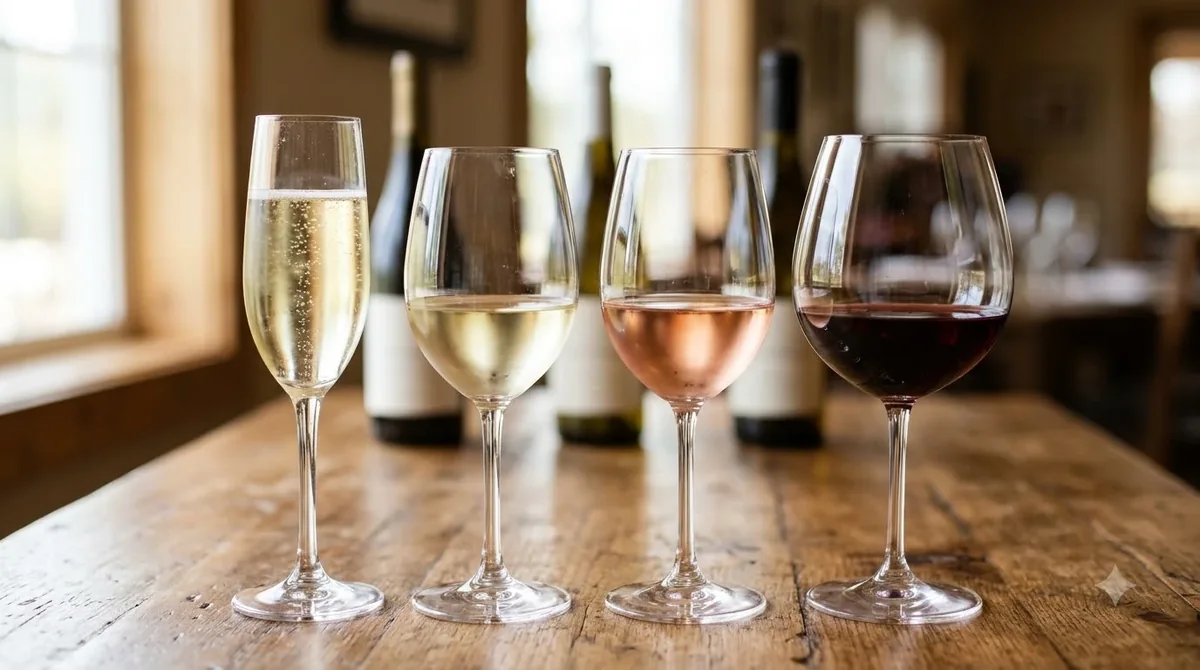
Start with the fruit. A young, uncomplicated wine may suggest red cherry, raspberry, strawberry, or cranberry, sometimes with a playful note reminiscent of banana or candy. That candied impression is especially associated with carbonic-style fermentation and Beaujolais Nouveau. A structured cru may shift toward darker cherry, plum, blackberry, violet, dried herbs, or earthy notes. Treat these aromas as clues, not a checklist every bottle must satisfy.
Next, assess acidity, tannin, and texture. Gamay usually has enough acidity to refresh the palate, while its tannins are often softer than those in Cabernet Sauvignon or Syrah. A light Beaujolais should feel energetic rather than watery; a concentrated Morgon or Moulin-à-Vent may have a firmer grip while retaining freshness. Describe the wine as crisp, silky, supple, or structured: those terms help you choose your next bottle more reliably than a simple good-or-bad verdict.
Read the Appellation Before You Pour
The label gives a practical first clue to style: Beaujolais, Beaujolais-Villages, or one of the ten Beaujolais Crus. These designations do not guarantee that every bottle tastes alike, but they help set expectations about origin, concentration, and the detail to look for in the glass.
Beaujolais AOC is the broad regional appellation and a good place to begin. Many bottlings are light, direct, and focused on fresh fruit, although the category is not limited to simple wine. Beaujolais-Villages comes from 38 designated communes, mostly in the north. Its wines often have more structure and flavor detail, with red and dark fruit, herbs, and a firmer finish. Some labels name an individual village when the wine meets the applicable rules.
The ten crus are separate village appellations in the north and are often the most distinctive group to compare. They range from fragrant and delicate to full and firm. Geography helps explain the range: clay and limestone are important in the south, while granite is especially significant in the north. Beaujolais-Villages vineyards also span varied elevations and soils, including granite, gneiss, shale, sandstone, and blue stone. For a broader introduction to regional labeling, see our guide to Wine Regions.
Compare the Ten Beaujolais Crus
The ten crus are Saint-Amour, Juliénas, Chénas, Moulin-à-Vent, Fleurie, Chiroubles, Morgon, Régnié, Brouilly, and Côte de Brouilly. Tasting several side by side shows the region’s range: lighter examples often emphasize perfume and red fruit, while more structured wines offer darker fruit, firmer tannin, and greater aging potential.
For a lighter, fragrant starting point, compare Chiroubles, Fleurie, and Brouilly. Chiroubles is associated with high-altitude vineyards and can feel lifted and graceful. Fleurie is known for floral character and elegance, with granite-rich sites often producing a fine, delicate impression. Brouilly is the largest cru by vineyard area and can be fruit-forward; Côte de Brouilly, from slopes around Mont Brouilly, is a separate appellation and often has a firmer profile. Saint-Amour and Régnié can offer a middle ground of red fruit, spice, and supple structure. Chénas is the smallest cru, while Juliénas often brings dark fruit and a more substantial frame.
Finish with Morgon and Moulin-à-Vent to explore the structured end of the range. Morgon is often associated with dense fruit, earthy notes, and firm tannins; granite and blue-stone soils are part of its identity. Moulin-à-Vent can be powerful and age-worthy, with a fuller palate and pronounced structure. Neither name means every bottle will be heavy: producer choices, vine age, site, and vintage all matter. If you enjoy comparing firm red-wine structure, our Bolgheri wine tasting guide offers a useful contrast with Cabernet- and Bordeaux-variety-led Tuscan wines.
| Style to compare | Number of crus | Crus to try | What to look for |
|---|---|---|---|
| Light and perfumed | 3 | Chiroubles, Fleurie, Brouilly | Red berries, floral notes, fresh acidity, supple tannin |
| Medium-bodied | 4 | Saint-Amour, Régnié, Juliénas, Chénas | Cherry, spice, herbs, a more noticeable mid-palate |
| Structured and age-worthy | 3 | Morgon, Moulin-à-Vent, Côte de Brouilly | Darker fruit, earthy notes, firmer tannin, longer finish |
Use the table as a tasting map, not a strict ranking. A young, bright wine from a structured cru may taste more open than a tightly wound bottle from a lighter-sounding site.
Recognize Gamay Aromas and Winemaking Choices
Gamay can produce very different textures depending on how the grapes are handled. Carbonic and semi-carbonic maceration are associated with Beaujolais’s fruit-forward style, while more conventional, Burgundy-influenced fermentation and extraction can produce wines with greater structure and capacity to develop in bottle.
In carbonic maceration, whole clusters are placed in a sealed vessel with carbon dioxide. Fermentation begins inside intact berries under oxygen-poor conditions; as the berries break down, their juice ferments in the usual way. The method can extract vivid color while limiting tannin, helping explain the soft texture and immediate fruit of many Nouveau wines. Some examples show banana, bubble gum, or candied fruit alongside cherry and raspberry. In semi-carbonic maceration, the weight of whole clusters presses grapes at the bottom of the vat; natural yeast activity in the released juice produces carbon dioxide and encourages fermentation inside berries above it.
Producers vary whole-cluster use, maceration time, and extraction, so these methods do not create one standardized taste. Others favor destemming, longer maceration, or Burgundy-influenced techniques for wines intended to show site character or develop over time. Oak may be used, but it should not automatically dominate the wine. Taste for balance among fruit, acidity, tannin, and any wood-derived notes such as toast or spice. For more detail on the differences between these approaches, read Wine Enthusiast’s overview of Beaujolais styles.
Vintage and farming also influence the glass. Old bush vines can yield concentrated fruit, while younger vines and generous crops may create a lighter profile, depending on vineyard practice. Warm growing seasons can push fruit toward riper, darker flavors; cooler conditions may preserve a delicate, high-acid shape. Record the producer and vintage as well as the appellation so you do not attribute every difference to geography alone.
Build a Tasting Flight That Shows Contrast
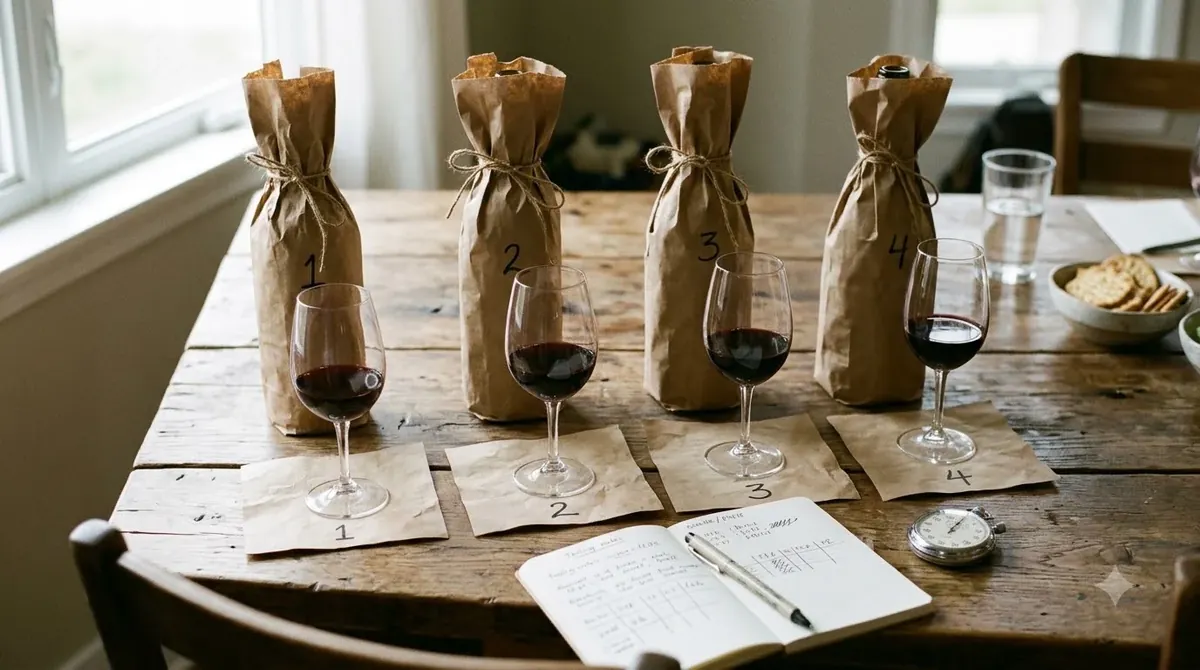
A flight of four wines is enough to show the region’s range without overwhelming your palate. Choose a fresh regional Beaujolais, a Beaujolais-Villages, a lighter cru, and a structured cru such as Morgon or Moulin-à-Vent.
Pour in that order, moving from the lightest and most fruit-driven to the deepest and most structured. A practical lineup could be Beaujolais Nouveau, Beaujolais-Villages, Fleurie, and Morgon. For a less seasonal flight, replace Nouveau with a non-Nouveau Beaujolais AOC. Use Chiroubles or Brouilly for the lighter cru slot and Moulin-à-Vent for the final pour. To compare Gamay with aromatic white wines from another French region, try our Alsace wine tasting guide as a separate flight.
A repeatable tasting sequence
Use the same clear glass for each wine and pour a small sample of about one to two ounces. Look at the color, then smell before and after a gentle swirl. Identify primary fruit first, then note floral, herbal, spice, or earthy aromas. On the palate, assess acidity, body, tannin, and finish separately. Taste once without food, then revisit the wine with bread or a small savory bite; water between pours helps reset your palate.
Write down one strength and one distinction for each bottle. For example: “Fleurie: raspberry and violet, light body, silky finish”; “Morgon: black cherry and earth, firmer tannin, longer finish.” Notes like these reveal whether you prefer a perfumed, delicate wine or a structured bottle with more grip. Avoid strong perfume, scented candles, or heavily flavored snacks that can interfere with aromas.
Tip: Change only one variable at a time. Compare two wines from the same producer at different appellation levels, or taste the same cru from two producers. That makes the effects of site and winemaking easier to recognize.
Serve, Pour, and Evaluate Each Wine
Serve Beaujolais cooler than a warm room but not refrigerator-cold. A slight chill keeps the fruit vivid and the finish refreshing, while excessive cold can mute aromas and make tannin feel more prominent.
For Beaujolais Nouveau and many Beaujolais-Villages wines, aim for about 54 to 57 degrees Fahrenheit. Lighter crus such as Chiroubles, Fleurie, and Brouilly generally show well around 55 to 60 degrees. More structured reds such as Morgon and Moulin-à-Vent can be served closer to 59 to 63 degrees. If the bottle has been stored at room temperature, a short refrigerator chill can bring it into range; check after roughly 15 minutes and let the wine open in the glass. Avoid the freezer.
Use a medium-sized wine glass with enough bowl space to swirl. A standard serving is about five ounces, and a 750-milliliter bottle provides roughly five such glasses; for a comparison, smaller tasting pours let everyone sample more wines. Young, fruit-led Beaujolais rarely needs decanting. An older, concentrated cru may benefit from a gentle decant if it seems closed or has sediment, but extended aeration is not automatically useful. Store bottles away from direct light and temperature swings; for longer storage, aim near 55 degrees Fahrenheit and keep cork-finished bottles on their sides. Discover Beaujolais’ storage and serving guide offers additional region-specific advice.
When evaluating the finish, notice whether the fruit remains fresh or gives way to bitterness, heat, or drying tannin. A balanced Beaujolais should feel lively, not sharp; structured wines may grip the gums slightly, but tannin should sit in proportion to fruit and acidity. Make a note of how the wine changes over ten to fifteen minutes. Some bottles become more expressive with air, while very youthful Nouveau is usually most appealing for its immediate freshness.
Pair Beaujolais with Food
Beaujolais is flexible at the table because Gamay usually combines lively acidity with relatively gentle tannin. Lighter styles work with poultry, seafood, salads, and charcuterie, while structured crus can stand beside roasted meats, mushrooms, and richer dishes.
For a casual board, pair fresh Beaujolais or Beaujolais-Villages with pâté, saucisson, Brie, Camembert, or other mild-to-medium cheeses. Acidity refreshes the palate after salty, fatty bites, and red fruit does not overpower delicate flavors. A light Beaujolais can also work with roast chicken, turkey, grilled vegetables, grain salads, or simply prepared white fish. Very oily fish can be difficult with tannic reds, especially a firm cru.
With richer food, move up in structure. Morgon or Moulin-à-Vent can pair with coq au vin, beef stew, roast duck, grilled sausages, burgers, or mushroom dishes. Fat and salt soften the perception of tannin, so a substantial wine can feel smoother beside a savory meal. Acidity matters too: a sharply dressed salad or tomato-based dish needs enough freshness to keep pace, while dry Beaujolais is rarely right for a very sweet pastry because wine should be at least as sweet as dessert. Chili heat can amplify alcohol and tannin, so favor a juicy, low-tannin style with spicy food rather than a firm cru. Lyonnais sausage, frisée salad with bacon, and pike dumplings are regional dishes that show how naturally Beaujolais fits savory, comforting meals.
Frequently Asked Questions
These answers cover a few details that often come up after a first tasting, including release traditions, white wines, and the way labels identify smaller sites.
When is Beaujolais Nouveau released?
Beaujolais Nouveau is released on the third Thursday of November. The timing is part of the wine’s annual harvest celebration, and the bottles reach the market only a few months after the grapes are picked.
Is all Beaujolais made from Gamay?
Gamay is the signature red grape, but the region also makes Beaujolais Blanc from Chardonnay. White wine represents a small share of total Beaujolais production, so it is less common on store shelves than the red wines.
What does a place name such as Côte du Py mean on a label?
A name such as Morgon Côte du Py identifies a recognized lieu-dit, or named smaller site, within a cru appellation. It gives the buyer a more precise indication of origin than the cru name alone, although the producer and vintage still matter.
Can Beaujolais be made as rosé?
Yes. Rosé is produced in Beaujolais as well as red and white wine, although red bottles dominate the region’s identity and availability. Rosé generally emphasizes freshness and fruit rather than the deeper structure associated with some cru reds.
Does Beaujolais have the same Premier Cru and Grand Cru system as Burgundy?
No. Beaujolais has ten cru village appellations, but it does not have the same established Premier Cru and Grand Cru vineyard hierarchy used in Burgundy. Some cru producers and appellations have pursued more detailed recognition for individual vineyard sites, but that is distinct from the established Burgundy classifications.
A rewarding Beaujolais tasting does not require a large collection or specialist equipment: four contrasting bottles, sensible serving temperatures, and a few careful notes are enough to reveal the region’s range. Start with the style you enjoy most, then compare another cru or producer to discover which balance of fruit, freshness, and structure belongs on your table.
More in Wine Regions
 Willcox Wine Trail: Discover Arizona’s High-Elevation Wine CountryUpdated Nov 20, 2026
 Yakima Valley Wine Region: Find the Best Styles to TryUpdated Nov 20, 2026
 Vosne Romanee Wine Tasting: Identify Aromas and Choose Better PairingsUpdated Nov 20, 2026
 Yakima Valley Wine Festival: Find the Best Seasonal Wine EventsUpdated Nov 20, 2026
 Wales Vineyards: Discover Cool-Climate Wines and Where to VisitUpdated Nov 20, 2026
 Yountville Wine Festival: Discover Napa Wines and Local FoodUpdated Nov 20, 2026