

We may earn a commission when you buy through links on this page, at no extra cost to you. Learn more.
The ideal beaujolais serving temperature is 55–57°F for most red Beaujolais and Beaujolais-Villages, while structured Cru wines generally benefit from 59–63°F. Beaujolais Nouveau is best served slightly cooler, around 54°F, to emphasize its fresh fruit character. White and rosé Beaujolais require colder temperatures, with whites served at 46–50°F and rosés at 41–46°F. A short refrigerator chill is usually enough to bring each style into its recommended range.
Beaujolais is a French wine region particularly associated with Gamay, a grape known for producing lively, fruit-forward reds with refreshing acidity and relatively gentle tannins. Its wines range from light, youthful Nouveau to more concentrated bottles from the region’s ten crus. Serving every bottle at the same temperature overlooks those differences. Understanding how style, age, and structure influence temperature makes it easier to enjoy the wine’s aromas, texture, and balance.
Ideal Serving Temperatures for Different Beaujolais Wines
Most red Beaujolais tastes best slightly cooler than conventional room temperature, while fuller Cru wines benefit from a little extra warmth. The right range depends on the appellation, the wine’s structure, and whether it is intended for immediate enjoyment or longer aging.
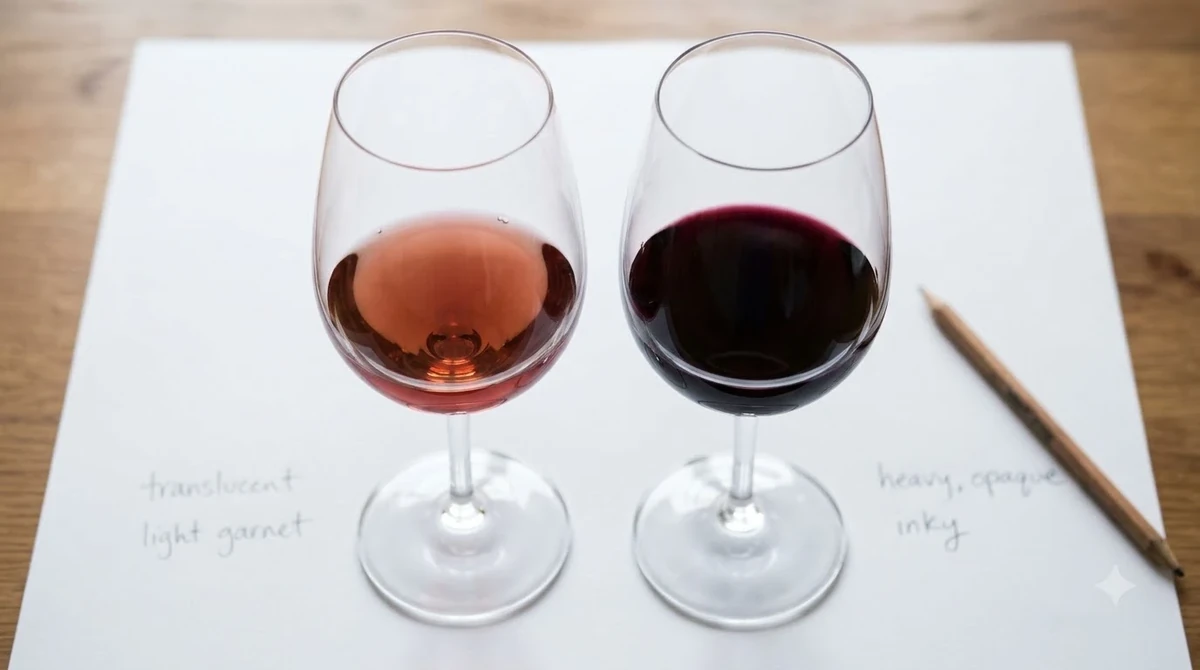
The regional Beaujolais wine organization recommends 13–14°C (55–57°F) for red Beaujolais and Beaujolais-Villages. For Cru Beaujolais, its guidance increases to 15–17°C (59–63°F), particularly for structured wines such as Morgon, Moulin-à-Vent, Juliénas, and Chénas. These ranges provide a useful starting point rather than a requirement to serve every bottle at precisely the same temperature. The official Beaujolais serving-temperature recommendations also distinguish between red, white, rosé, and Nouveau styles.
For younger, lighter wines, cooler temperatures preserve their lively character. Beaujolais Nouveau and Beaujolais-Villages Nouveau are recommended at approximately 12°C (54°F). Their bright strawberry, raspberry, and cherry notes benefit from a refreshing chill, particularly when served at a casual gathering or alongside lighter food.
For a more practical comparison, use the following temperature guide. Fahrenheit conversions are rounded to the nearest whole degree.
| Beaujolais style | Temperature in °C | Temperature in °F | Serving character |
|---|---|---|---|
| Beaujolais Nouveau | 12°C | 54°F | Fresh, youthful, fruity |
| Red Beaujolais | 13–14°C | 55–57°F | Light, lively, aromatic |
| Beaujolais-Villages red | 13–14°C | 55–57°F | Fruity, supple, balanced |
| Cru Beaujolais | 15–17°C | 59–63°F | Structured, complex, savory |
| Beaujolais rosé | 5–8°C | 41–46°F | Crisp, refreshing, fruity |
| Beaujolais white | 8–10°C | 46–50°F | Fresh, floral, mineral |
There are differences between producer recommendations and regional guidelines. For example, Mommessin recommends serving its standard Beaujolais between 11°C and 13°C (52–55°F), while the regional organization recommends 13–14°C. This difference reflects variations in individual wine styles and producer preferences. A practical approach is to begin within the appropriate general range and make small adjustments according to how the wine tastes in the glass.
For a bottle with particularly delicate fruit, begin at the cooler end of its range. If the wine seems muted, allow it to warm slightly before making a judgment. A difference of just a few degrees can change how fruit, acidity, and alcohol are perceived.
Why Temperature Changes Beaujolais Flavor and Aroma
Serving temperature influences how Beaujolais expresses its fruit, acidity, tannins, and alcohol. A modest chill helps preserve freshness, but excessive cold can hide aromas, while excessive warmth can make a light-bodied red seem heavier than intended.
Gamay is especially well suited to slightly chilled service because its wines commonly emphasize fresh red fruit, lively acidity, and moderate tannin. Strawberry, raspberry, cherry, violet, and sometimes subtle spice are familiar aromatic characteristics. A cool serving temperature helps these qualities remain prominent without making the wine feel overly soft or alcoholic.
When Beaujolais is too warm, alcohol can become more noticeable. The wine may seem heavier, less refreshing, and less balanced, particularly if it is a young, fruit-driven bottle. This effect is more apparent when a bottle is served in a room that is considerably warmer than the recommended 55–57°F range.
Cold temperatures create a different problem. Aromas become less expressive, and the wine may seem tight or muted. A Nouveau that should show lively cherry and raspberry can taste unexpectedly simple when poured directly from a very cold refrigerator. A structured Morgon may also lose some of its more subtle earthy and floral characteristics.
Temperature affects more than aroma. It also influences the perception of acidity, sweetness, and texture. Cooler wine can seem firmer and more refreshing, while warmer wine can feel rounder and more expressive. Neither sensation is automatically better; the objective is to find the balance appropriate to the particular style.
Understanding the difference between cool and cold
Serving Beaujolais slightly chilled does not mean serving it at the same temperature as a sparkling wine. A red Nouveau at 54°F is cool enough to emphasize its fresh character while allowing its fruit aromas to remain accessible. A structured Cru at 61°F has more room to reveal its layered flavors.
Consider a simple comparison. Pour one glass of Beaujolais at 54°F and another at 68°F. The cooler glass should feel more refreshing, while the warmer one may show more noticeable alcohol and a softer impression. This comparison illustrates why the traditional idea of serving all red wines at room temperature is not especially helpful for Beaujolais.
For further guidance on how temperature changes across different wine categories, the Wine by Type reference provides useful context for comparing light reds, full-bodied reds, whites, and sparkling styles.
How to Chill Beaujolais Before Serving
Most Beaujolais bottles need only a short period in the refrigerator before serving. The required time depends on the wine’s starting temperature, the style, and the chilling method, so checking the actual wine temperature is more reliable than following a fixed timer.
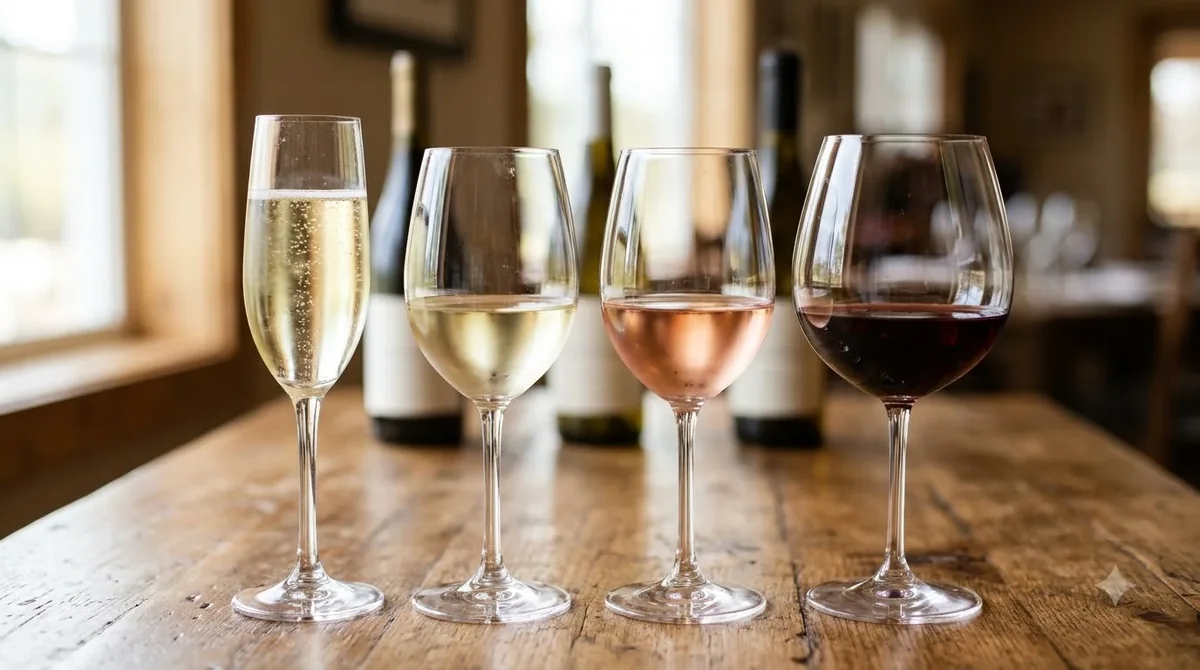
For a room-temperature bottle of Nouveau or Beaujolais-Villages, refrigerating it for approximately 20–30 minutes is a practical starting point. Discover Beaujolais recommends this approach for bringing lighter wines into their preferred 54–57°F range. Its guide to serving Beaujolais at the right temperature also explains how to use an ice-water bucket and avoid excessive chilling.
For a structured Cru such as Fleurie, Morgon, or Moulin-à-Vent, a shorter refrigerator period of approximately 15–20 minutes is suggested by Discover Beaujolais. These wines generally benefit from a warmer serving temperature than Nouveau, so avoid leaving them in the refrigerator for an extended period.
An ice-and-water bucket is another useful option when time is limited. Place the bottle in a container with ice and water for approximately 15 minutes, then check its temperature. Water transfers heat more efficiently than air alone, making this method useful when preparing several bottles for a meal.
Choosing the right chilling method
The following methods make it easier to prepare different styles without overcomplicating the process:
- Refrigerator: Start with 20–30 minutes for standard red Beaujolais and Nouveau. For Cru wines, start with 15–20 minutes if the bottle is at room temperature.
- Ice-water bucket: Allow approximately 15 minutes for a quick chill, checking regularly to avoid excessive cooling.
- Wine refrigerator: Store bottles at a consistent temperature appropriate for the style and bring them to serving temperature before opening.
- Cool room: Leave a bottle in a cooler area for a short period if it is warmer than desired.
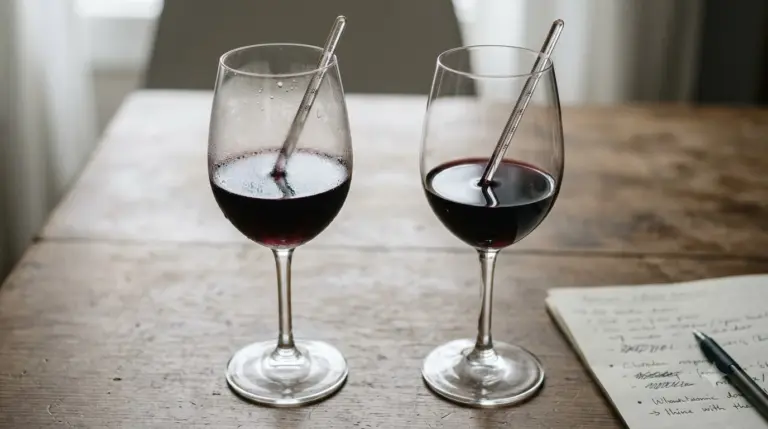
- Thermometer: Measure the wine itself when precision matters rather than relying entirely on the temperature of the refrigerator.
A wine thermometer is particularly helpful when serving several different bottles. It prevents a common mistake: assuming that two wines stored together will necessarily need the same amount of chilling time.
Tip: If you are unsure whether a red Beaujolais is ready, pour a small sample first. If it tastes closed or overly cold, allow the glass to stand for a few minutes. Wine in a glass warms more quickly than an entire bottle, making this an easy way to adjust the serving temperature without waiting for the whole bottle to change.
In warm dining rooms, outdoor settings, and summer gatherings, maintaining the correct temperature requires a little extra attention. A wine cooler or ice-water bucket can help keep the bottle cool between pours. Avoid placing the bottle directly in intense sunlight or next to a hot grill.
For the best results, chill gradually and make small adjustments. The freezer is not a good shortcut because its rapid cooling can leave the wine excessively cold, and forgetting a bottle inside can create additional problems. Gentle temperature control is more dependable.
Temperature Differences Between Nouveau, Villages, and Cru Wines
Beaujolais has several distinct red wine categories, and their differences help explain why serving temperatures vary. Nouveau emphasizes youthful fruit, Beaujolais-Villages offers a little more concentration, and the ten Crus can produce wines with greater structure and aging potential.
Beaujolais Nouveau is released young and is intended to showcase the fresh character of the latest harvest. Its lively fruit profile makes approximately 54°F a useful serving target. At this temperature, strawberry, raspberry, and cherry characteristics can remain bright and refreshing. It is particularly suitable for informal meals, charcuterie, and gatherings where the wine is served without elaborate preparation.
Beaujolais-Villages generally offers more concentration and regional character than basic Beaujolais. A temperature of 55–57°F is a sensible starting point for the red style. Mommessin, for example, describes its Beaujolais as having ruby color, fresh strawberry aromas, and a supple, lively palate. Its own serving recommendation is 52–55°F, illustrating that a particular producer’s wine may be intended for slightly cooler service.
Cru Beaujolais comes from ten named appellations and offers a broad range of styles. Lighter examples can be served relatively cool, while structured wines are often more expressive at approximately 59–63°F. The regional organization recommends 15–17°C for these wines, with 17°C particularly suitable for bottles older than three years.
How the ten crus influence serving choices
The ten Beaujolais Crus are Saint-Amour, Juliénas, Chénas, Moulin-à-Vent, Fleurie, Chiroubles, Morgon, Régnié, Brouilly, and Côte de Brouilly. Although all are associated with Gamay, they do not produce identical wines.
Fleurie and Chiroubles are commonly associated with more delicate, aromatic expressions. These bottles can be enjoyable toward the cooler end of the Cru range, around 57–59°F, depending on their concentration. Brouilly and Régnié can also work well with slightly cooler service when the wine is light and fruit-forward.
Morgon and Moulin-à-Vent are useful examples of Crus that can show more structure and complexity. Their richer fruit, firmer texture, and savory characteristics can benefit from temperatures closer to 61–63°F. Juliénas and Chénas may also suit this warmer approach, especially when the wine has additional bottle age.
Age matters because a mature wine may have developed additional aromatic and textural complexity. A bottle that has spent several years in a cellar may need slightly more warmth than a fresh, youthful example. However, age alone does not determine temperature; a delicate older wine can still be overwhelmed by excessive warmth.
The best method is to start with the appellation’s typical recommendation and adjust according to the individual bottle. A lighter Fleurie and a concentrated Moulin-à-Vent should not automatically be treated as interchangeable simply because both carry the Cru designation.
Serving White and Rosé Beaujolais at the Right Temperature
White and rosé Beaujolais should be served colder than red Beaujolais because their lighter structures and refreshing characteristics benefit from cooler temperatures. The regional recommendations are 46–50°F for white wines and 41–46°F for rosés.
White Beaujolais is commonly associated with Chardonnay, which can produce wines with citrus, white fruit, floral, and mineral characteristics. The 46–50°F range helps preserve freshness while allowing the wine to express its aromatic profile. Serving it too cold can make its texture and more delicate aromas difficult to appreciate.
For a white Beaujolais-Villages, begin around 48°F and allow it to warm slightly in the glass if necessary. This approach works particularly well with seafood, scallops, poultry, and dishes with creamy sauces. The wine’s acidity can help balance richer ingredients without overpowering their flavors.
Rosé Beaujolais is generally light, refreshing, and fruit-driven. The regional recommendation of 41–46°F makes it suitable for serving in a style similar to other refreshing rosé wines. This temperature helps retain its crisp character and makes it especially appealing during warm-weather meals.
Although 41°F is within the recommended range, it is sensible to avoid keeping rosé at the coldest end for too long. A little warming in the glass can make its fruit aromas more apparent. For a leisurely meal, serve a small first pour and allow the wine to develop as the temperature rises.
Matching the glass and serving environment
A standard white wine glass works well for both white and rosé Beaujolais. There is no need for an unusually large glass, but sufficient space above the wine helps aromas collect before each sip.
In a warm dining room, the wine will warm quickly after pouring. Consider serving smaller portions and keeping the bottle in a cooler or ice bucket between pours. In a cooler environment, the wine may retain its temperature longer and require less attention.
The same principle applies to other wine categories. For example, Sauternes serving temperature requires a different approach because its sweetness and concentrated texture influence how it should be presented. Comparing styles makes it easier to understand why a single temperature rule cannot work for every wine.
Food Pairings That Work With Slightly Chilled Beaujolais
Beaujolais is a versatile food wine because its acidity, fresh fruit, and generally moderate tannins work with a broad range of dishes. Slightly chilled service reinforces its refreshing character and makes it particularly suitable for poultry, pork, charcuterie, mushrooms, and many vegetable dishes.
For a simple pairing, serve red Beaujolais at 55–57°F with roasted chicken, grilled pork chops, or a selection of cured meats. The wine’s acidity helps balance savory flavors, while its red-fruit character complements the natural sweetness of roasted ingredients. This is a reliable combination for casual dinners and larger gatherings.
Charcuterie is another natural match. Salami, pâté, terrines, and mild sausages provide savory richness that works well with Gamay’s fruit and moderate tannins. The cooler serving temperature keeps the wine refreshing between bites, especially when the food includes salty or fatty ingredients.
For vegetable dishes, consider mushroom risotto, roasted eggplant, lentils, or grilled vegetables. These foods offer earthy and savory flavors that can complement the more structured expressions of Morgon and Moulin-à-Vent. A lighter Beaujolais or Fleurie can work particularly well with simple vegetable preparations and fresh herbs.
Pairing by wine style
Different Beaujolais styles are better suited to different dishes. Matching the wine’s weight and temperature to the meal is often more effective than relying on grape variety alone.
- Beaujolais Nouveau at 54°F: Pair with roasted chicken, turkey sandwiches, mild cheeses, pork terrines, and simple charcuterie.
- Beaujolais-Villages at 55–57°F: Try grilled pork, chicken fricassee, sausage, pizza, and mushroom-based dishes.
- Fleurie at 57–59°F: Serve with roast poultry, mushroom dishes, grilled vegetables, and lighter meat preparations.
- Morgon at 59–63°F: Match with braised beef, duck, roasted lamb, and dishes featuring mushrooms or herbs.
- Moulin-à-Vent at 59–63°F: Pair with grilled steak, lamb, hearty poultry dishes, and savory casseroles.
- White Beaujolais at 46–50°F: Serve with scallops, white fish, seafood, and creamy poultry dishes.
- Rosé Beaujolais at 41–46°F: Pair with salads, seafood starters, grilled vegetables, and light picnic dishes.
Temperature also matters when the food has a strong flavor. Salt and fat soften the perception of tannin, which can make a structured Cru more comfortable alongside richer meat dishes. Conversely, chili heat can seem more pronounced alongside alcoholic wines with noticeable tannin. For spicy food, a lighter, fruit-forward Beaujolais is often a more comfortable option than a concentrated, structured red.
Acidity is another important consideration. Dishes with pronounced acidity generally benefit from a wine with equal or greater freshness. Beaujolais is often a good match for tomato-based preparations, vinaigrettes, and foods featuring citrus, provided the dish does not overwhelm the wine’s relatively delicate fruit.
For a different style of drink at the end of a meal, sake serving temperature offers a useful comparison. Sake can be served chilled, at room temperature, or warm depending on its style, just as Beaujolais requires temperature adjustments according to its particular characteristics.
Glassware, Pouring, Storage, and Opening Beaujolais
Correct temperature is only one part of serving Beaujolais well. Appropriate glassware, careful storage, moderate pouring, and a little attention after opening help preserve the wine’s freshness from the first glass to the last.
A medium-sized red wine glass is suitable for most Beaujolais. It provides enough room for the wine to release its aromas without requiring the large bowl often used for full-bodied reds. For Nouveau and standard Beaujolais, a versatile red wine glass is perfectly adequate. A slightly larger Burgundy-style glass can be useful for a more structured Cru, particularly Morgon or Moulin-à-Vent.
Pour approximately 5 ounces per serving. A standard 750-milliliter bottle contains approximately five such glasses, leaving enough room in each glass to swirl the wine gently. Filling the glass only partway also helps maintain a comfortable drinking temperature and makes it easier to assess the wine’s aromas.
Most youthful Beaujolais does not need extensive decanting. These wines are often made to emphasize freshness and fruit, so opening the bottle shortly before serving is generally sufficient. More structured young Cru wines may benefit from approximately 15–30 minutes of exposure to air if they initially seem tight, although extensive aeration is not automatically necessary.
Storing bottles before serving
For longer storage, keep Beaujolais in a cool, dark location with stable conditions. A temperature near 55°F is a useful general target for wine storage, while the regional Beaujolais organization identifies 50–57°F as a suitable cellar or wine-refrigerator range.
Keep cork-sealed bottles on their sides so the cork remains in contact with the wine. Avoid direct sunlight, strong vibrations, and locations with repeated temperature fluctuations. A kitchen counter, sunny shelf, or cabinet directly above an oven is not a suitable place for long-term storage.
Once opened, reseal the bottle and place it in the refrigerator. Most still wines remain enjoyable for approximately three to five days after opening when stored properly, although their aromas and freshness can gradually decline. Before serving another glass, allow the wine to return to its preferred temperature.
For a bottle of Beaujolais that has been refrigerated overnight, do not assume it is ready to pour immediately. Take a moment to assess its temperature, especially if it is a Cru intended for service around 61°F. A short period outside the refrigerator may be all that is needed.
Opening and pouring for a dinner
If you are planning a meal, work backward from the serving time. For a 7 p.m. dinner, place a room-temperature Nouveau in the refrigerator around 6:30 p.m. For a Cru, begin with a shorter chilling period around 6:40–6:45 p.m., then check the temperature before pouring.
For multiple wines, arrange the order from lighter to fuller styles. A chilled Beaujolais Nouveau or standard Beaujolais can precede a more structured Morgon or Moulin-à-Vent. White and rosé Beaujolais can be served separately as an aperitif or alongside the appropriate course.
These small preparations help maintain a consistent experience without requiring elaborate equipment. A thermometer, a refrigerator, suitable glasses, and a little planning are enough for most home wine service.
Frequently Asked Questions
Should Beaujolais be served in a Burgundy wine glass?
A Burgundy-style glass is a good option for structured Beaujolais, particularly wines from Morgon and Moulin-à-Vent. Its wider bowl provides room for aromas to develop. However, a standard medium-sized red wine glass is perfectly suitable for Nouveau and lighter Beaujolais-Villages.
Can you serve Beaujolais as an aperitif?
Yes. Young Beaujolais and Beaujolais Nouveau work particularly well as aperitif wines because their fresh fruit and moderate tannins make them approachable before a meal. Serve them around 54–57°F with mild cheeses, olives, or small portions of cured meat.
Does Beaujolais Nouveau need to be decanted?
Most Beaujolais Nouveau does not require decanting because it is designed for early enjoyment and emphasizes fresh, youthful fruit. Opening the bottle shortly before serving is usually sufficient. If a particular bottle smells slightly closed, a few minutes in the glass can help its aromas emerge.
Can Beaujolais be served in a chilled glass?
A slightly cool glass can be useful in a warm environment, but an extremely cold or frosted glass is unnecessary. Excessive chilling of the glass can lower the wine temperature too quickly and suppress its aromas. A clean glass at normal room temperature is generally the simplest choice.
Is Beaujolais suitable for a Thanksgiving dinner?
Yes. Beaujolais pairs well with several traditional Thanksgiving dishes, including roast turkey, herb stuffing, roasted vegetables, and cranberry-based accompaniments. Its fruit and acidity can complement poultry without the heavier tannin associated with many full-bodied reds. A bottle of Beaujolais-Villages served around 55–57°F is a particularly practical choice.
The best beaujolais serving temperature depends on the style: start around 54°F for Nouveau, 55–57°F for standard red Beaujolais, and 59–63°F for structured Cru wines. White and rosé versions require cooler service, while a little attention to chilling, glassware, and food pairing helps every bottle show its character. Rather than treating all red wines alike, serve Beaujolais slightly cool and make small adjustments according to its structure and age.
More in Wine Types & Grapes
 What Is Alvarinho? A Complete Look at Portugal’s Crisp Coastal GrapeUpdated Nov 21, 2026
 What Is Auslese? How to Read, Serve, and Pair This German WineUpdated Nov 21, 2026
 What Is Arneis? Tasting Notes, Origins, and Pairing GuideUpdated Nov 21, 2026
 What Is Airen? A Guide to Spain’s Most-Planted White GrapeUpdated Nov 21, 2026
 What Is Aglianico? A Guide to Italy’s Bold Southern Red WineUpdated Nov 21, 2026
 What Is Alicante Bouschet: The Rare Red-Fleshed Grape Behind Bold RedsUpdated Nov 21, 2026