

We may earn a commission when you buy through links on this page, at no extra cost to you. Learn more.
Beaujolais sangria is a red-wine pitcher drink made with dry, fruit-forward Gamay, fresh citrus, apple, and a modest amount of brandy and sweetener. Beaujolais brings lively red-berry flavor, refreshing acidity, and generally gentle tannins, so it can take on fruit and spirits without becoming heavy. Choose a fresh, unoaked bottle, chill the mixture before serving, and adjust sweetness only after the fruit has had time to mingle with the wine.
Beaujolais gives sangria a French point of view without asking for a complicated recipe. The aim is not to hide the wine under juice or sugar; it is to let Gamay’s cherry and strawberry character meet orange, lemon, apple, and a little brandy. The result should taste like wine first, with fruit, citrus, and a clean finish around it.
Why Gamay Makes a Bright Sangria Base
Gamay is a natural fit for red sangria because it commonly brings fresh red-fruit aromas, lively acidity, and relatively soft tannins. Those qualities matter in a pitcher: fruit and sweetener add more flavor and sugar, while citrus adds sharpness. A wine with enough acidity stays lively after those ingredients are introduced, and a wine with restrained tannin is less likely to turn bitter as it sits with fruit and spirits.
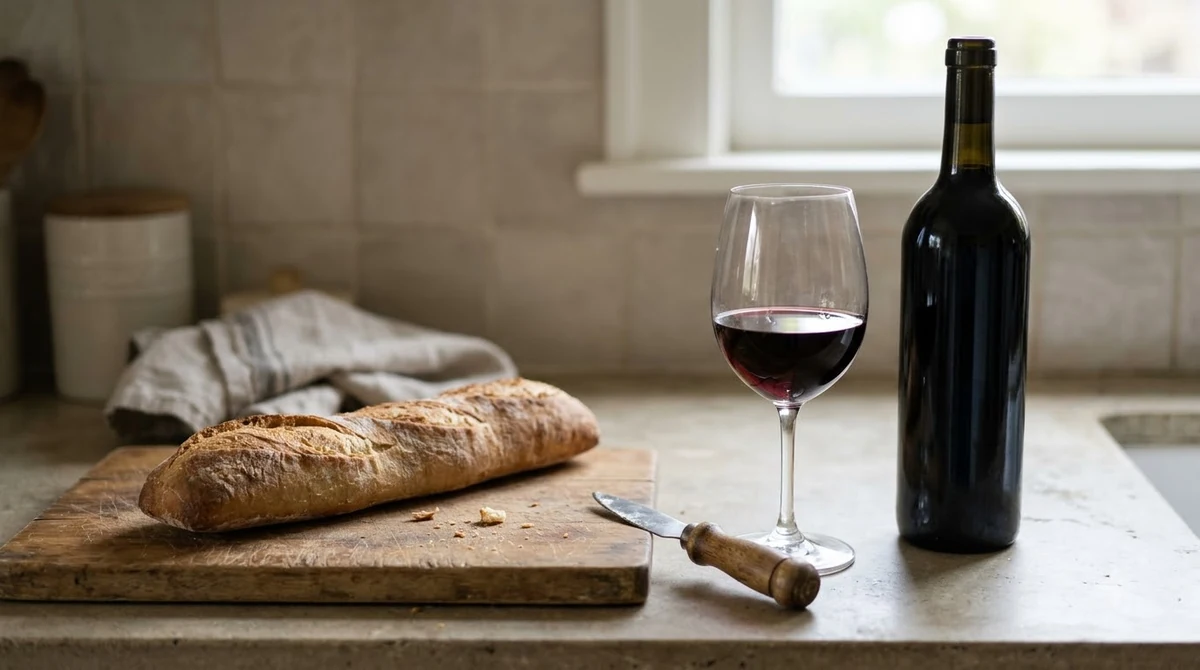
Beaujolais is closely identified with Gamay. Inter Beaujolais reports that Gamay accounts for 98 percent of the surfaces producing Beaujolais and that half of the roughly 30,000 hectares of Gamay planted worldwide are in the region. The official Gamay profile describes flavors that can include raspberry, wild strawberry, blackberry, and black cherry, with peppery or floral notes in some wines. That range gives a sangria maker several useful cues: a simple regional Beaujolais can make a bright, direct pitcher, while a more structured bottle can provide darker fruit and a firmer frame.
Wine Enthusiast characterizes Beaujolais wines as dry, light to medium in body, high in acidity, and low in tannin. That combination is especially useful when the pitcher also contains orange juice, cut fruit, and brandy. The acidity can balance the sweetness that develops from fruit and added sugar; the modest tannin keeps the mixture from feeling too grippy beside citrus peel. A fruity wine still needs to taste sound on its own, because sugar cannot repair dull fruit or an unbalanced finish.
Gamay varies by appellation and cellar choices. Regional Beaujolais is often direct and lively, while cru wines can bring darker fruit, floral notes, or more structure. Choose the profile that suits the pitcher rather than assuming every bottle tastes alike.
Choosing the Right Beaujolais Bottle
For a classic pitcher, start with a dry, youthful Beaujolais or Beaujolais-Villages that tastes fresh and fruit-driven. These styles tend to deliver the cherry, raspberry, or strawberry notes that complement orange and apple, without adding a heavy oak or tannin profile. The best bottle for mixing is not necessarily the most complex; it is the one whose fruit and acidity remain clear when paired with citrus.
Wine Enthusiast groups Beaujolais wines into three broad label levels: Beaujolais, Beaujolais-Villages, and the ten crus. The regional Beaujolais appellation is the broadest expression, while Beaujolais-Villages draws on 38 designated villages in the northern part of the region. At the top are ten crus listed by Wine Enthusiast: Saint-Amour, Juliénas, Chénas, Moulin-à-Vent, Fleurie, Chiroubles, Morgon, Régnié, Côte de Brouilly, and Brouilly. A village or cru name can signal a more individual expression, but a higher rung in the regional hierarchy does not automatically make a better sangria wine.
For the most adaptable result, choose a straightforward red Beaujolais with bright fruit and restrained oak. Beaujolais-Villages adds shape without requiring a powerful wine. If using a cru, consider its character: Wine Enthusiast identifies Morgon and Moulin-à-Vent as fuller-bodied, Fleurie as floral with dark cherry and black plum, and Chiroubles as lighter and fruitier. Beaujolais Nouveau also works, but makes a different pitcher. It is typically aged for only seven to nine weeks and has an immediately youthful style, so use less sugar and enough lemon to keep the finish crisp.
Tip: Taste the wine before building the pitcher. If it already tastes very ripe or soft, begin with one tablespoon of sugar rather than two; if it is sharply tart, use the full amount in the recipe and reassess after chilling.
Beaujolais Sangria Recipe and Ratios
This formula makes one pitcher from a standard 750-milliliter bottle and serves about five to six modest glasses, depending on the amount of ice and whether you add sparkling water. It follows the classic red-sangria structure of wine, citrus, apple, orange juice, brandy, and sugar, as in Liquor.com’s classic sangria recipe, but keeps the additions measured so Gamay remains easy to recognize in the finished drink.
| Ingredient | Amount | Purpose |
|---|---|---|
| Dry Beaujolais or Beaujolais-Villages | 1 bottle (750 ml) | Fresh red-fruit and acidity |
| Orange | 1, cut into wedges or thin half-moons | Juicy citrus and aromatic peel |
| Lemon | 1, cut into wedges or thin half-moons | Sharp citrus lift |
| Apple | 1 medium, cored and diced | Crisp texture and mild sweetness |
| Brandy | 1/2 cup | Warmth and depth |
| Orange juice | 1/2 cup | Rounder citrus flavor |
| Granulated sugar | 1 to 2 tablespoons | Adjustable sweetness |
| Chilled sparkling water (optional) | 1 to 2 cups, to taste | A lighter, gently fizzy finish |
| Ice | As needed | Chills each serving |
To prepare the pitcher, add the orange, lemon, apple, and one tablespoon of sugar to a large pitcher. Press the fruit gently with a muddler or wooden spoon for 20 to 30 seconds, just enough to release juice and aroma without crushing the peel. Add the brandy and orange juice, stir until the sugar dissolves, then pour in the Beaujolais and stir again.
Cover the pitcher and refrigerate it for at least two hours. That rest gives the fruit time to perfume the wine and allows the citrus, brandy, and Gamay to settle into a more unified flavor. Taste a small spoonful before serving. Add the second tablespoon of sugar only if the drink needs it; the apple and orange contribute sweetness of their own, and the wine should still be recognizable.
For a lighter, more refreshing style, add chilled sparkling water just before pouring. Begin with one cup, taste, and add more only if you want a longer, less concentrated drink. Do not add bubbles during the resting period, because the fizz will fade while the pitcher sits. Serve over ice and include a little of the soaked fruit in each glass. For a serving of approximately five ounces, a 750-milliliter bottle contains about five wine-sized pours before the additions are counted.
Balancing Fruit, Sweetness, and Spirits
The most reliable approach is to keep the ingredient list focused: orange, lemon, apple, orange juice, brandy, and a small amount of sugar. Each ingredient has a distinct job. Orange supplies juicy sweetness and peel fragrance, lemon sharpens the finish, apple adds a crisp bite, juice rounds the citrus, and brandy lends warmth. Too many competing fruits or liqueurs can blur the precise red-berry quality that makes Gamay a good base.
Use fruit that is ripe but still firm. A crisp apple holds its shape during the rest, while a very soft one can break down and cloud the pitcher. Choose an orange with fragrant peel and a lemon that feels heavy for its size; wash both well before slicing because the peel stays in contact with the wine. Thin half-moons are easy to serve, while wedges are simple to muddle. Adjust sweetness after the fruit has rested: start with one tablespoon of sugar for a ripe, soft wine or two for a particularly tart bottle. Simple syrup also works because it dissolves quickly when cold; add it in small increments and taste again.
Brandy is a traditional partner for red sangria, but the half-cup measure should remain a supporting note, not the dominant flavor. For a gentler pitcher, reduce it to one-quarter cup and add a little more orange juice or sparkling water at serving time. Gamay’s red-fruit profile also welcomes a small amount of cherry, strawberry, raspberry, or plum; choose one or two rather than adding every fruit at once. Keep the citrus in the recipe for balance, and add delicate berries near serving time if you want them to hold their shape. Frozen berries can chill individual glasses, although they will tint the drink as they thaw.
Chilling, Resting, and Serving the Pitcher
Serve Beaujolais sangria well chilled, but give it enough time for the fruit and wine to combine before the first pour. Refrigerate the pitcher for at least two hours, then serve it over ice in wine glasses or short tumblers. Cold temperature makes the drink feel crisp and keeps the sweetness from seeming heavy. A pitcher that begins at room temperature will take longer to cool and may dilute quickly once the ice is added.
The resting window is a useful planning tool. Two hours is enough for a same-day pitcher; four hours gives the citrus and apple more time to mingle, while an overnight rest can make the fruit flavor more pronounced. For the clearest, freshest result, prepare the wine, spirits, juice, and firm fruit the day of serving and avoid leaving the mixture for several days. Citrus peel can grow more assertive with prolonged contact, and cut fruit gradually loses its fresh texture.
Keep the pitcher covered in the refrigerator while it rests and between pours. Add sparkling water only at the last moment, and keep ice out of the pitcher until serving so it does not melt into the whole batch. Put ice in individual glasses instead. If the pitcher becomes too concentrated as guests serve themselves, lengthen each glass with a small splash of sparkling water rather than diluting the remaining sangria in advance.
A practical serving target is a five-ounce wine pour before accounting for the fruit, ice, and mixer. A standard 750-milliliter bottle supplies roughly five such pours, but the finished pitcher will contain more liquid because brandy and juice are added. Provide a spoon or small ladle so each guest can take fruit, and use a wide-mouthed pitcher that allows orange and apple pieces to move freely. For more on the temperature question, see this guide to whether sangria should be chilled.
Food Pairings and Seasonal Variations
Pair the pitcher with foods that welcome acidity and bright fruit rather than dishes that overwhelm its gentle structure. Beaujolais is often a comfortable match for poultry, light grilled meats, charcuterie, and simple cheese plates, so those foods also make sense alongside a sangria built from the same grape. Roast chicken, turkey sliders, herbed sausages, mushroom tart, and a platter of Brie or Camembert give guests savory options without dominating the drink.
Salt and fat soften the perception of tannin, which helps with red wine, but sangria also contains citrus and added sweetness. Salty almonds, olives, prosciutto, and aged cheeses can provide contrast; fruit-forward salsas, tomato bruschetta, or a grain salad with herbs can echo the drink’s fresh side. Avoid pairing the pitcher with very hot chili dishes, since alcohol can make chili heat feel stronger. Oily fish can also be awkward with tannic reds, so lighter seafood preparations are a better choice than rich, strongly flavored fish.
Seasonal changes can stay simple: strawberries or raspberries and sparkling water suit a summer pitcher; apple, plum, and a restrained pinch of cinnamon fit autumn; blood orange and a small rosemary sprig can work in winter. Remove woody herbs before serving so their aroma does not dominate the fruit. Readers who prefer a sweeter red style can compare this sweet red wine sangria guide, while a lighter-colored pitcher has a different profile in this white Zinfandel sangria guide. For more context on grape varieties and wine styles, browse Wine by Type. As you change the recipe, remember that a wine that is already sweet needs less added sugar, sharp or acidic foods pair more easily with sangria that keeps its acidity, and dessert should be no sweeter than the wine. With dry Beaujolais, fruit tarts and lightly sweet biscuits are easier matches than intensely sugary cakes.
Frequently Asked Questions
These answers cover a few details that can help with bottle selection and expectations beyond the basic pitcher recipe. Beaujolais is a region with more range than its best-known young red style, and Gamay also appears in forms other than the familiar red wine.
Is Beaujolais made from Pinot Noir?
No. The principal red grape of Beaujolais is Gamay, not Pinot Noir. Inter Beaujolais describes Gamay as a natural crossing of Pinot Noir and Gouais Blanc, which explains the family connection without making the two grapes interchangeable.
Can Beaujolais be made as a rosé?
Yes. The official Beaujolais regional profile notes that Gamay is used mainly for red wines but also produces rosé under the Beaujolais and Beaujolais-Villages appellations. A rosé from the region would make a paler, lighter-colored pitcher, though the recipe above is designed for red wine.
Does Beaujolais include white wine?
Yes. Chardonnay is also grown in Beaujolais, even though Gamay defines the region’s red-wine identity. A white Beaujolais would call for a different fruit and spirit balance, so it should be treated as a white sangria rather than a direct swap in this red recipe.
Why can Beaujolais Nouveau smell like banana or candy?
Some Beaujolais Nouveau wines show candy-like or banana aromas as part of their youthful, fruit-forward profile. Wine Enthusiast notes these aromas as a possible characteristic of Nouveau, not a requirement for every Beaujolais bottle. In sangria, a pronounced aroma is a reason to keep the added sugar light.
Are all Beaujolais wines meant to be drunk young?
No. Beaujolais Nouveau is designed for early drinking, but the region also makes more concentrated wines with aging potential. The official Gamay profile describes the grape as capable of producing both elegant young wines and wines for cellaring, so the answer depends on the appellation, producer, and bottling.
For a dependable pitcher, choose dry, fresh Beaujolais, keep the citrus and brandy measured, and let the mixture chill for at least two hours before serving. A restrained recipe leaves room for Gamay’s lively fruit to show through, making this a sangria that tastes distinctly of its wine rather than only of its additions.
More in Wine Types & Grapes
 What Is Furmint? A Guide to Hungary’s Versatile White GrapeUpdated Nov 21, 2026
 What Is Friulano? A Guide to Italy’s Savory White WineUpdated Nov 21, 2026
 What Is Canned Wine? Styles, Sizes, and How to Serve ItUpdated Nov 21, 2026
 What Is Fiano? A Guide to Italy’s Textured White WineUpdated Nov 21, 2026
 What Is Cortese? The Crisp Italian Grape Behind Gavi WineUpdated Nov 21, 2026
 What Is Chardonel? A Complete Guide to This Cold-Hardy White WineUpdated Nov 21, 2026