

We may earn a commission when you buy through links on this page, at no extra cost to you. Learn more.
Barolo vs pinot noir comes down to structure: Barolo is a powerful, highly tannic Italian red made from Nebbiolo, while Pinot Noir is generally a lighter, silkier red with softer tannins and bright acidity. Both wines can show red cherry, floral aromas, earthy complexity, and impressive aging potential. Choose Barolo for firm structure, layered savory flavors, and substantial meat dishes; choose Pinot Noir for delicate fruit, a softer texture, and greater flexibility at the dinner table.
Barolo and Pinot Noir are sometimes compared because their wines can share pale ruby color, high acidity, red-fruit aromas, and an ability to develop complex earthy notes with age. However, their grapes, growing regions, tannin levels, and typical drinking experiences are quite different. Understanding those differences makes it easier to choose a bottle for dinner, a special occasion, or a comparative tasting.
Barolo and Pinot Noir: The Main Differences
The most important distinction is tannin and overall structure. Barolo usually has more powerful tannins and a firmer finish, while Pinot Noir generally emphasizes freshness, fragrance, and a softer mouthfeel.
Barolo is a protected wine appellation in Piedmont, northwestern Italy. It must be made from 100% Nebbiolo grapes, according to the regional agricultural authority of Piemonte. The production area includes 11 communes, among them Barolo, La Morra, Monforte d’Alba, and Serralunga d’Alba. Its regulations require a minimum of three years of aging, with at least five years for the Riserva designation.
Pinot Noir, by contrast, is both a grape variety and the name commonly used for wines produced from it. Burgundy in France is its traditional reference point, but the grape also thrives in Oregon’s Willamette Valley, California, New Zealand, Germany, and other cool or moderate growing regions. Unlike Barolo, Pinot Noir does not describe one specific appellation or one legally defined regional style.
The difference becomes apparent when the wines are poured. Barolo can be surprisingly pale for such a structured red, with an aromatic profile that includes red cherry, roses, tar, leather, and black tea. Pinot Noir often shows strawberry, raspberry, cranberry, cherry, rose petals, and earthy mushroom notes.
| Characteristic | Barolo | Pinot Noir |
|---|---|---|
| Origin | Piedmont, Italy | Burgundy, France; worldwide |
| Primary grape | 100% Nebbiolo | Pinot Noir |
| Typical body | Medium to full | Light to medium |
| Tannin | High, firm | Low to medium |
| Acidity | High | High |
| Typical alcohol | At least 13% ABV | About 12–15% ABV |
| Fruit profile | Sour cherry, cranberry, redcurrant | Strawberry, raspberry, cherry |
| Other aromas | Tar, rose, leather, anise | Mushroom, forest floor, earth, spice |
| Serving temperature | 60–65°F | 55–60°F |
| Typical aging potential | Often 10–15 years or longer | Varies by region and producer |
These are typical profiles rather than absolute rules. A concentrated California Pinot Noir can have more body and alcohol than a restrained Barolo, while an aged Barolo can become remarkably fragrant and refined. Vintage, vineyard location, winemaking, and bottle age all influence the final experience.
For a broader look at how grape varieties compare, the Wine vs Wine comparison guides explain the characteristics that make different wines distinctive.
Grape Varieties and Growing Regions
Barolo comes from one grape and one defined Italian wine-growing area, whereas Pinot Noir is an internationally planted variety with numerous regional expressions. This difference explains why Barolo has a more consistent regional identity while Pinot Noir can vary considerably from one country to another.
Nebbiolo is a late-ripening grape traditionally associated with the fog-covered hills of Piedmont. The name is often connected with the Italian word nebbia, meaning fog. Its growing season allows it to develop substantial acidity and tannin, two characteristics that contribute to Barolo’s reputation for longevity.
The Barolo production zone includes several well-known communes. La Morra is often associated with perfumed, expressive wines, while Serralunga d’Alba is known for examples with substantial structure. Monforte d’Alba and Castiglione Falletto also produce distinctive expressions. The differences between individual vineyards can be significant, even within the same commune.
Pinot Noir has a different growing pattern. Its thin skins and sensitivity to environmental conditions make vineyard management particularly demanding. The grape performs well in cooler climates, where slower ripening helps preserve acidity and develop delicate aromas. Excessive heat can produce riper fruit, more alcohol, and a fuller palate.
Burgundy remains the classic reference for Pinot Noir. The Côte de Nuits and Côte de Beaune produce wines with different combinations of red fruit, mineral character, floral notes, and earthy complexity. Oregon’s Willamette Valley has also developed a strong reputation for Pinot Noir, with a climate that shares similarities with Burgundy.
California offers several recognizable styles. Russian River Valley Pinot Noir often shows generous cherry fruit and a rounder texture, while cooler coastal areas can emphasize freshness and savory character. New Zealand, particularly Central Otago and Martinborough, offers further expressions ranging from vivid fruit to more structured, earthy wines.
These geographical differences matter when choosing a bottle. A Burgundy Pinot Noir may be closer to the savory, restrained side of the grape, while a warmer-climate Pinot Noir can feel more generous and fruit-forward. Barolo also varies by commune and vineyard, but its Nebbiolo foundation remains central to its identity.
Flavor, Aroma, and Texture Differences
Both wines can smell of red cherries, flowers, and earth, but their aromas develop differently. Barolo often combines fragrant fruit with tar, dried herbs, leather, and tea, while Pinot Noir tends to emphasize fresh red berries, flowers, and softer earthy details.
Barolo’s classic aromatic description is often called tar and roses. The combination may seem unusual, but it captures the wine’s contrast between delicate floral perfume and deep savory complexity. Other common aromas include sour cherry, redcurrant, cranberry, violet, anise, citrus peel, and black tea.
Young Barolo can have a firm, drying sensation because Nebbiolo is naturally rich in tannins. The wine may appear light in color, yet the tannins can feel substantial across the gums and cheeks. Its high acidity keeps the palate energetic and prevents the wine from feeling heavy despite its structure.
Pinot Noir usually has a softer texture. Its thin grape skins contribute less tannin than Nebbiolo skins, creating wines that often feel silky or delicate. The primary fruit aromas include strawberry, raspberry, red cherry, and cranberry. With bottle age, some examples develop mushroom, forest floor, dried flowers, leather, and tea-like characteristics.
Oak treatment can also affect the comparison. Barolo producers may use large traditional oak vessels or smaller barrels, depending on their winemaking approach. Pinot Noir producers may use French oak to add spice, vanilla, and texture, but excessive oak can obscure the grape’s more delicate fruit and floral aromas.
It is important not to confuse aroma with sweetness. Both wines are generally dry, even when ripe cherry or raspberry flavors create an impression of sweetness. Barolo’s savory notes and firmer tannins often make it feel more serious and structured, whereas Pinot Noir can appear more immediately approachable.
For a useful comparison, examine the finish. Barolo often leaves a firm, persistent impression with acidity and tannin continuing after the fruit fades. Pinot Noir generally finishes with softer tannins, fresh acidity, and lingering red-fruit or earthy notes.
Tannin, Acidity, Body, and Alcohol
Barolo and Pinot Noir both have substantial natural acidity, but their tannin levels create very different drinking experiences. Barolo is the more structured wine, while Pinot Noir generally offers a lighter framework and less aggressive grip.
Tannin is the compound responsible for the drying sensation associated with many red wines. It comes primarily from grape skins, seeds, and stems, as well as oak contact during aging. Nebbiolo is naturally high in tannin, which explains why young Barolo can feel firm even when its color appears relatively transparent.
Pinot Noir has considerably thinner skins and generally produces lower tannin levels. Its texture is often smooth, with enough structure to support food without creating the same drying sensation as a young Barolo. Some Pinot Noir wines can have medium tannin, particularly concentrated examples from warmer regions or producers using substantial whole-cluster fermentation and oak.
Acidity is high in both wines. It provides freshness, balances the fruit, and helps the wines remain lively during aging. Barolo’s acidity works alongside its strong tannins, while Pinot Noir’s acidity makes its softer structure particularly versatile with food.
Body describes the wine’s overall weight and texture rather than simply its alcohol level. Barolo is commonly medium to full-bodied, although its acidity and relatively pale color can make it seem lighter than expected. Pinot Noir generally falls between light and medium-bodied, though climate and winemaking can produce richer examples.
Alcohol levels also deserve attention. Piemonte’s regional production information specifies a minimum of 13% ABV for Barolo. Wine Enthusiast describes Pinot Noir as typically ranging from 12% to 15% ABV, with cooler-climate wines often falling between 12% and 13.5%.
These ranges overlap, so alcohol alone cannot identify the wine’s style. A Pinot Noir at 14.5% ABV may feel fuller than a restrained Barolo, but the latter can still have much more tannin. For a useful comparison, consider body, acidity, tannin, and alcohol together rather than treating any one measurement as decisive.
The Wine Enthusiast guide to Pinot Noir provides additional detail on how climate, grape characteristics, and winemaking influence the variety’s different expressions.
Food Pairings: Steak, Chicken, Pasta, and More
Barolo is usually the stronger choice for substantial meat dishes and rich savory recipes, while Pinot Noir works particularly well with poultry, mushrooms, pork, duck, and many lighter preparations. Their shared acidity makes both useful at the dinner table, but their tannins determine which foods are most compatible.
Best foods for Barolo
Barolo is a natural companion for roasted meats, braised beef, lamb, and traditional Piedmontese cooking. Its powerful tannins work well with protein-rich dishes, while the wine’s acidity helps balance rich sauces and fatty ingredients.
Consider serving Barolo with:
- Slow-braised beef short ribs with herbs and vegetables.
- Roast beef with rosemary and roasted potatoes.
- Grilled ribeye with a savory mushroom sauce.
- Beef ragù served with fresh tagliatelle.
- Wild mushroom risotto with Parmesan.
- Roasted lamb with garlic and thyme.
- Aged hard cheeses such as Parmigiano Reggiano.
The combination of protein and fat can soften the sensation of Barolo’s tannins. This is particularly helpful when serving a younger bottle that still has a firm structure.
Best foods for Pinot Noir
Pinot Noir’s lower tannin and high acidity make it a flexible partner for lighter meat dishes, earthy vegetables, and some seafood preparations. Its red-fruit flavors can complement savory herbs and roasted ingredients without overpowering them.
Consider serving Pinot Noir with:
- Roast chicken with thyme and garlic.
- Duck breast with cherry sauce.
- Roasted pork tenderloin with apples.
- Mushroom risotto with fresh herbs.
- Salmon with a light herb dressing.
- Grilled portobello mushrooms.
- Roasted turkey with cranberry stuffing.
Pinot Noir can be particularly successful with salmon because its relatively gentle tannins avoid the conflict that oily fish can create with heavily tannic reds. Its acidity also provides freshness alongside the fish’s natural richness.
Foods that require extra care
Spicy dishes can be challenging for both wines, particularly Barolo. Chili heat is amplified by alcohol and tannin, making a highly structured red a difficult match for intensely hot curries or chili-heavy dishes. A milder preparation with creamy ingredients may work better.
Highly acidic foods also require attention. Tomato-based sauces, vinegar dressings, and citrus-heavy dishes can make a wine taste less fresh if the food has more acidity than the wine. Match the dish with a wine of equal or higher acidity whenever possible.
For more grape-level comparisons, the Grenache vs Pinot Noir comparison is useful for understanding how fruit ripeness and tannin influence food pairing decisions.
Aging Potential, Decanting, and Serving Temperature
Barolo generally benefits more from extended bottle aging than everyday Pinot Noir, although high-quality Pinot Noir from Burgundy, Oregon, and other established regions can also develop considerable complexity. Proper serving temperature and decanting help both wines show their best characteristics.
Barolo has the acidity and tannin needed for long-term development. Many examples reach a favorable drinking stage around 10 to 15 years of age, while exceptional bottles can evolve for more than 40 years. With time, firm tannins soften and fresh fruit aromas can develop into dried flowers, leather, tobacco, spice, and earthy notes.
Barolo’s minimum aging requirements are important, but they do not guarantee that every bottle will taste fully mature when released. The standard wine requires at least three years of aging, while Riserva requires at least five years. Producer, vintage, vineyard, and storage conditions all affect how quickly the wine develops.
Pinot Noir’s aging potential is more variable. Simple, fruit-focused examples are often best enjoyed relatively young, while high-quality Burgundy and selected Oregon or California wines can develop additional complexity over many years. Mature Pinot Noir can show mushroom, dried rose, forest floor, tea, and subtle savory notes.
Decanting recommendations
Young, full-bodied Barolo can benefit from 30 to 60 minutes of decanting. Exposure to oxygen helps the aromas become more expressive and can make its firm structure seem more integrated. Older bottles require greater care because excessive aeration can cause delicate aromas to fade.
Pinot Noir generally needs less aeration. Many bottles can be opened shortly before serving, while more structured examples may benefit from a short period in a decanter. Older Pinot Noir should be handled gently, particularly if it has developed fragile tertiary aromas.
Serving temperatures
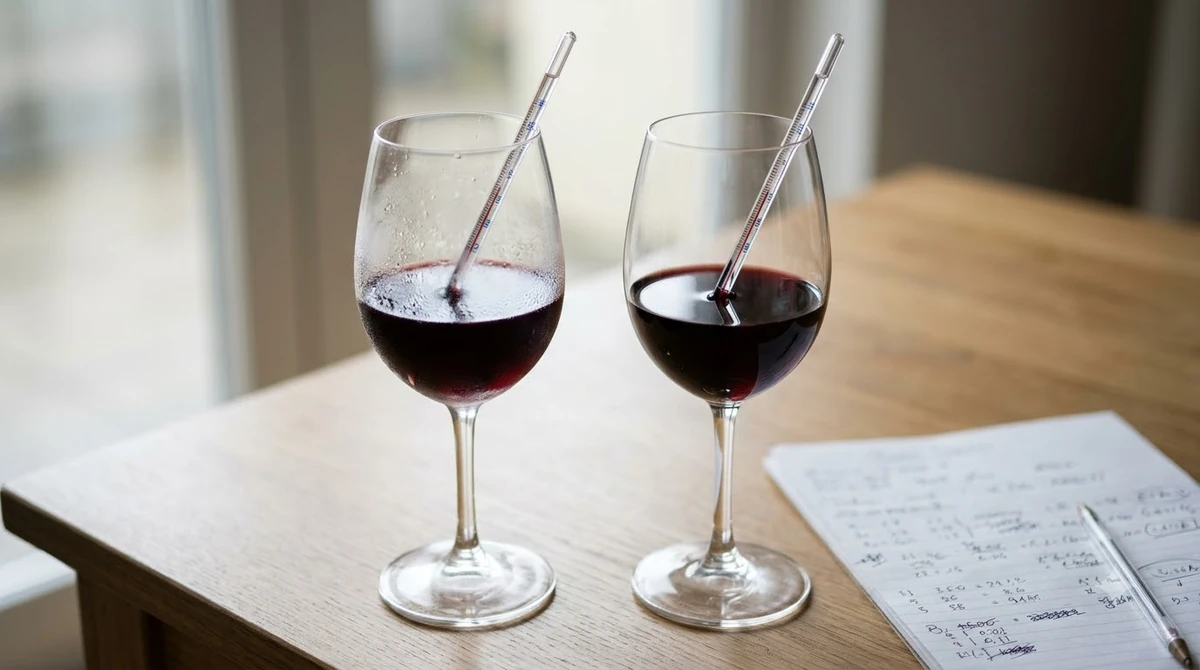
Temperature influences the perception of tannin, alcohol, acidity, and aroma. Barolo is generally best served around 60–65°F, while Pinot Noir benefits from a slightly cooler 55–60°F range.
Serving Barolo too warm can emphasize alcohol and make its structure feel heavier. Serving Pinot Noir too cold can mute its aromas and make its acidity seem more pronounced. If a bottle has been stored at room temperature, a brief period in the refrigerator can help bring it to the right temperature.
Tip: For a side-by-side tasting, serve Barolo at approximately 62°F and Pinot Noir at approximately 57°F. Use identical glasses and pour around 5 ounces per glass, then compare the aromas, acidity, tannins, and length of the finish.
How to Choose Between Barolo and Pinot Noir
The better wine depends on your preferred texture, the meal, and how much structure you enjoy. Barolo suits drinkers looking for firm tannins, complex savory aromas, and a wine that can reward patient cellaring, while Pinot Noir suits those who prefer softer tannins and expressive red-fruit character.
Choose Barolo if you prefer:
- Firm, pronounced tannins and a structured finish.
- Complex aromas of tar, roses, leather, and dried herbs.
- Traditional Italian reds made from a single regional grape.
- Roasted beef, lamb, rich pasta, and savory mushroom dishes.
- Wines with substantial aging potential.
- A more demanding wine that changes considerably with bottle age and aeration.
Choose Pinot Noir if you prefer:
- Silky, relatively gentle tannins.
- Fresh strawberry, raspberry, cherry, and cranberry flavors.
- Floral and earthy aromas without the same tannic intensity.
- Roast chicken, duck, pork, mushrooms, and selected seafood dishes.
- Wines that can be enjoyed relatively young.
- Exploring regional differences between Burgundy, Oregon, California, and New Zealand.
There is also a useful middle ground for people who appreciate Pinot Noir but want something with more structure. Nebbiolo wines outside Barolo can offer similar floral aromas and high acidity, sometimes with a different balance of tannin and fruit. The Nebbiolo vs Pinot Noir comparison provides a closer look at the grape-level differences.
Another consideration is the occasion. For a dinner featuring braised beef, a substantial Barolo can provide a natural match. For a meal with roast chicken, salmon, or mushroom dishes, Pinot Noir is often the more flexible selection. Neither choice is automatically superior; the right bottle is the one whose structure complements the food and the preferences of the people drinking it.
If you are new to both wines, a useful approach is to start with a fruit-forward Pinot Noir and a younger Barolo with some bottle age. This makes it easier to appreciate the contrast between Pinot Noir’s softer tannins and Nebbiolo’s more pronounced structure without requiring an advanced understanding of individual producers or vintages.
Frequently Asked Questions
Is Barolo made from Pinot Noir grapes?
No. Barolo is made exclusively from Nebbiolo grapes, not Pinot Noir. Piemonte’s production rules specify 100% Nebbiolo for the appellation. The wines can look similar in the glass because both may have relatively pale ruby coloring, particularly as they mature.
Is Barolo considered a full-bodied wine?
Barolo is generally classified as medium to full-bodied, although its high acidity can make it feel less heavy than some darker red wines. Its visual color is not a reliable indication of its tannin level or concentration. Nebbiolo can produce a relatively transparent wine with considerable structural intensity.
Can you substitute Barolo for Burgundy Pinot Noir in a recipe?
It depends on the recipe. Barolo can work in slow-cooked beef preparations that benefit from substantial structure, but it may overpower delicate sauces designed around Pinot Noir. For recipes involving poultry or light mushroom sauces, a lighter Pinot Noir is usually the closer match.
Does Barolo have a protected geographical designation?
Yes. Barolo is classified as DOCG, Italy’s highest traditional wine classification. Its protected production area covers designated communes in the province of Cuneo in Piedmont. The designation establishes geographical and production requirements that distinguish authentic Barolo from other Nebbiolo wines.
Does Nebbiolo have other names outside Barolo?
Nebbiolo is also used to produce Barbaresco, another well-known red wine from Piedmont. The grape can also appear in wines from other designated areas, including Langhe Nebbiolo. These wines share some aromatic characteristics with Barolo but have different regional identities and production requirements.
Barolo and Pinot Noir share enough aromatic qualities to make them interesting comparison wines, but their structures create distinctly different experiences. Choose Barolo for powerful tannins, savory complexity, and long aging potential, or Pinot Noir for fragrant fruit, softer texture, and versatile food pairing. Comparing the two side by side is an excellent way to understand how grape variety, growing region, and winemaking shape the character of red wine.
More in Wine vs Wine
 Chenin Blanc vs Pinot Gris: Acidity, Body, and Pairing DifferencesUpdated Nov 20, 2026
 Chianti vs Lambrusco: How Tuscany and Emilia-Romagna Reds CompareUpdated Nov 20, 2026
 Chianti vs Primitivo: Key Differences in Taste, Body, and PairingUpdated Nov 20, 2026
 Chianti vs Rioja: Key Differences in Taste, Aging, and PairingUpdated Nov 20, 2026
 Chianti vs Shiraz: How Acidity, Body, and Food Pairings CompareUpdated Nov 20, 2026
 Chianti vs Syrah: Key Differences in Taste, Body, and Food PairingUpdated Nov 20, 2026