

We may earn a commission when you buy through links on this page, at no extra cost to you. Learn more.
Barolo alcohol content is at least 13% ABV by regulation, and many current bottles fall around 14% to 14.5% ABV. That makes Barolo a full-bodied red with a meaningful alcohol level, although its firm acidity and tannins can keep the wine from seeming heavy. The exact strength varies by vintage, vineyard conditions, and the producer’s choices, so the percentage printed on the bottle is the best guide to an individual wine.
Barolo comes from the Langhe hills of Piedmont in northwestern Italy and is made entirely from Nebbiolo. Its alcohol level is only one part of its structure: bright acidity, substantial tannin, and a long period of required aging shape how the wine feels with food and in the glass. The figures below explain the legal minimum, the range a drinker is likely to encounter, and practical serving choices.
Barolo Alcohol Content: The Legal Minimum and Typical Range
The legal minimum for finished Barolo is 13% ABV, while a practical expectation for many modern bottles is about 14% to 14.5% ABV. The difference matters: 13% is the appellation’s floor, not a promise that every bottle will be made at that strength.
Barolo is a DOCG wine made from 100% Nebbiolo grown in a defined area of the Langhe. The current Barolo production specification states that bottled Barolo and Barolo Riserva must reach at least 13% total alcohol by volume. The rules separately set a minimum natural alcohol potential of 12.5% for standard vineyard production, with higher natural-strength requirements for certain Vigna-designated wines. In other words, the grapes must meet ripeness standards and the finished wine must meet the separate 13% minimum.
In everyday wine-shop terms, 14% and 14.5% are useful reference points. Decanter describes Barolo alcohol as stable at around 14%, and Wine Enthusiast’s recent review of Carlo Revello & Figli 2022 Barolo lists 14.5% ABV. A bottle at 13% is therefore at the legal minimum, while one at 14.5% is stronger but not unusual. Neither number, by itself, tells you whether the wine will taste balanced.
The difference between 13% and 14.5% is 1.5 percentage points, not a small stylistic footnote. On a 5-fluid-ounce pour, that works out to about 0.65 fluid ounce of pure alcohol at 13% and 0.725 fluid ounce at 14.5%. The table puts common label strengths into a serving-size context.
| Barolo ABV | Pure alcohol in a 5 fl oz pour | How to read the number |
|---|---|---|
| 13% | 0.65 fl oz | Appellation minimum |
| 14% | 0.70 fl oz | Common reference point |
| 14.5% | 0.725 fl oz | Seen in current bottle reviews |
| 15% | 0.75 fl oz | Higher-strength example |
Why Nebbiolo Produces a Powerful but Balanced Red
Nebbiolo gives Barolo its combination of high tannin, lively acidity, and substantial body. That structural mix explains why a wine at 14% ABV can feel firm and energetic rather than simply hot or soft.
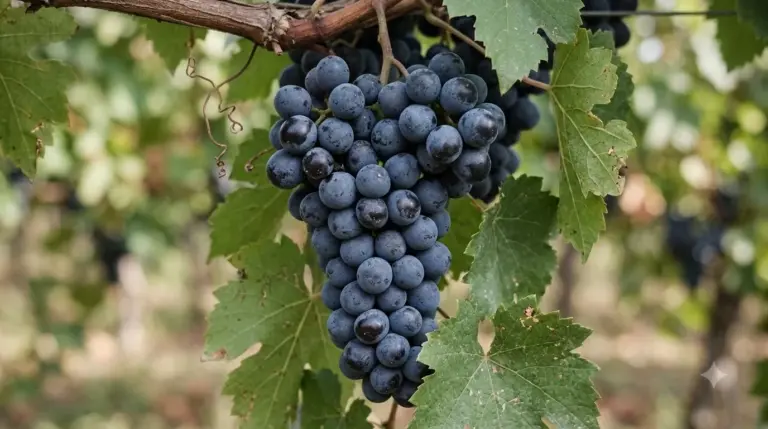
Barolo must be made from Nebbiolo alone, rather than a blend of local or international grapes. Nebbiolo generally ripens late, and growers work with the long growing season in the Langhe to develop ripe fruit and phenolic maturity. The resulting wines commonly show red cherry, rose, violet, licorice, herbs, and earthy notes, supported by pronounced tannin. The acidity is a key counterweight to alcohol and ripe fruit.
Alcohol contributes warmth and body, but the sensation of weight comes from several components working together. A wine with ripe fruit, firm tannins, and fresh acidity may feel more defined than a wine with the same ABV but less acidity. Nebbiolo’s naturally assertive tannin can also make a young Barolo seem more angular than its alcohol figure suggests. As the wine ages, the tannins can become more integrated, while the wine’s underlying acidity remains an important part of its profile.
Barolo’s reputation for structure is not simply a result of high alcohol. Wine Enthusiast describes Nebbiolo in the Barolo region as powerful and full-bodied, with pronounced tannins and acidity. A Barolo with 14.5% ABV may therefore taste savory, aromatic, and taut rather than sweet or syrupy. This is one reason the alcohol number should be read alongside the grape, the vintage, and the wine’s overall balance.
How Vintage, Vineyard, and Winemaking Affect ABV
Warmer, sunnier growing conditions can push grape sugar higher and lead to more alcohol after fermentation, while cooler sites and careful harvest timing can preserve freshness. In Barolo, vineyard elevation, exposure, commune, vintage weather, and producer decisions all influence the final strength.
The appellation covers 11 municipalities in the province of Cuneo, including Barolo, La Morra, Monforte d’Alba, Serralunga d’Alba, and Castiglione Falletto. Its hills do not share one uniform climate or soil. A slope with a warmer exposure may ripen Nebbiolo differently from a higher or cooler parcel, and the difference can show up in fruit ripeness, acidity, tannin maturity, and potential alcohol. The official production rules limit eligible vineyard elevations to 170–540 meters above sea level, a range that still allows meaningful site variation.
Vintages also matter. A warm, dry season can encourage sugar accumulation and push a finished wine toward the higher end of the region’s usual alcohol range. A cooler season may produce a fresher profile and a lower reading, depending on the site and harvest choices. These are tendencies, not guarantees: water availability, canopy management, crop level, picking date, and cellar decisions can change how a particular vineyard performs.
Producers can also choose different ways to express the fruit. Barolo’s traditional and modern approaches have often differed in maceration, extraction, and oak use, but neither method automatically determines alcohol. Fermentation converts grape sugar into alcohol; oak barrels mainly influence texture and aroma rather than serving as the source of the wine’s strength. The cellar team’s decisions about harvest maturity and fermentation are more directly related to the final ABV.
Decanter’s reporting on cooler Barolo sites describes growers seeking freshness through higher vineyard locations and blending fruit from parcels at different elevations. The article notes that some producers use blends from warmer and cooler plots to maintain balance, and places the region’s alcohol level at around 14%. That regional figure is a useful broad guide, but a single label remains the more precise reference for an individual bottle.
What the ABV Number Means in the Glass
ABV is the percentage of a wine’s volume that is pure alcohol, so a 14% Barolo contains about 14 milliliters of alcohol in every 100 milliliters of wine. It is a concentration measure, not a rating of quality, sweetness, or intensity.
A higher ABV may contribute warmth, fuller body, and a richer impression, especially when the fruit is ripe. It does not mean that a Barolo is sweet: Barolo is made as a dry red, and its fruit flavors can seem generous without leaving residual sugar on the palate. Cherry, plum, dried rose, tar, tobacco, and earth are aroma or flavor impressions, not signs that the wine contains dessert-wine levels of sugar.
The volume poured also changes the amount of alcohol in the glass. A 5-ounce pour of 14% wine contains about 0.7 fluid ounce of pure alcohol, while a 3-ounce taste of the same wine contains about 0.42 fluid ounce. A standard 750-milliliter bottle holds roughly 25.4 fluid ounces, or about five 5-ounce pours. Large restaurant pours can therefore contain more alcohol than the same wine served in a smaller tasting portion.
For a quick comparison, consider other styles that use alcohol differently. Fortified wines such as Marsala and tawny Port have alcohol added during production, so their strength and sweetness profile differ from dry, still Barolo. Ice wine is a dessert wine whose concentration comes from frozen grapes rather than fortification. The guides to Marsala alcohol content, tawny Port alcohol content, and ice wine alcohol content help explain why the same ABV figure does not always indicate the same style of wine.
Serving Temperature, Glassware, and Bottle Handling
Serve Barolo slightly cool rather than warm: about 60–65°F is a practical range for a full-bodied red. A large-bowled glass and a little air can help its aromas open without making the alcohol seem more prominent.
The regional tourism authority recommends serving Barolo at 18–20°C, which converts to about 64–68°F. That is warmer than the 60–65°F range often used for full-bodied reds in a general home-serving guide. In a warm room, start near 60–62°F; the wine will gradually warm in the glass. Serving it too warm can make alcohol feel more noticeable, while an overly cold bottle can mute its aroma and make the tannin seem harder.
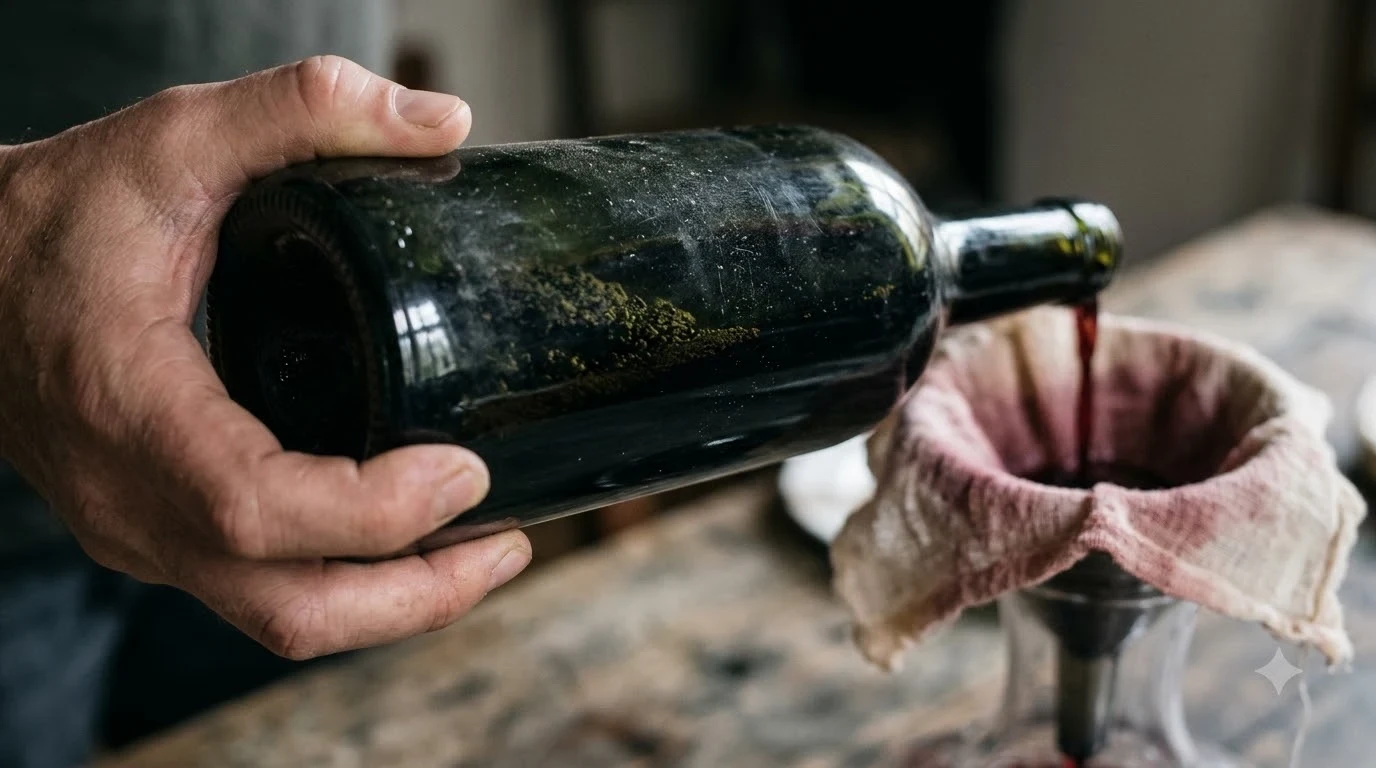
Choose a generous red-wine glass that allows space above the wine for aromas to gather. Pour around 5 ounces rather than filling the bowl, and give a young, tannic Barolo 30–60 minutes in a decanter if it seems closed or tightly wound. Older bottles may need gentler handling because long aging can leave sediment; stand the bottle upright before opening and pour slowly once the sediment has settled. Decanting is a choice for aeration or sediment management, not a rule that every vintage must follow.
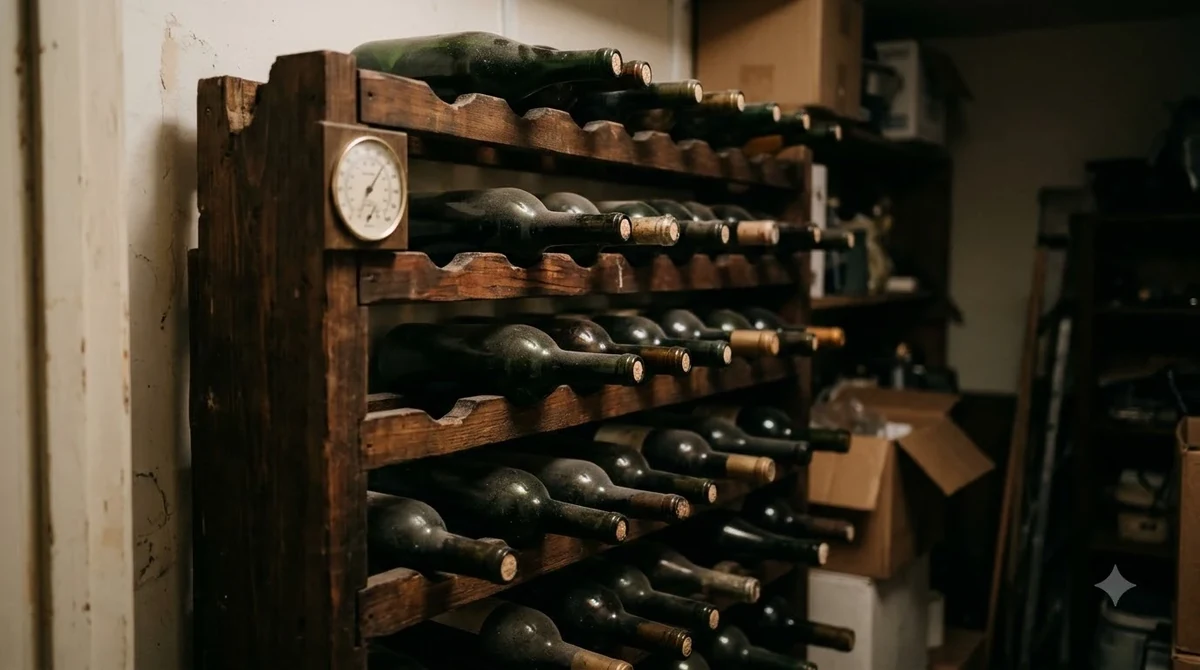
Store unopened Barolo on its side in a cool, dark place near 55°F, away from large temperature swings and direct sunlight. After opening, keep the bottle in the refrigerator with a suitable closure; a still red wine generally keeps for about 3–5 days, though its aromas and structure change over that period. Bring the remaining wine back toward serving temperature before pouring. The cool storage temperature slows oxidation, while a short time in the glass lets the wine show its aromatic range.
Tip: If a 14.5% Barolo seems warm, chill the bottle for 15–20 minutes before serving and pour a 5-ounce glass. A modest temperature drop can make the wine feel more composed without hiding its cherry, floral, and savory aromas.
Food Pairings That Work with Barolo’s Alcohol and Tannin
Barolo’s high tannin, firm acidity, and 13%–14.5% or higher alcohol call for rich, savory food rather than delicate dishes. Fat and protein soften the impression of tannin, while dishes with enough flavor can stand alongside Nebbiolo’s structure.
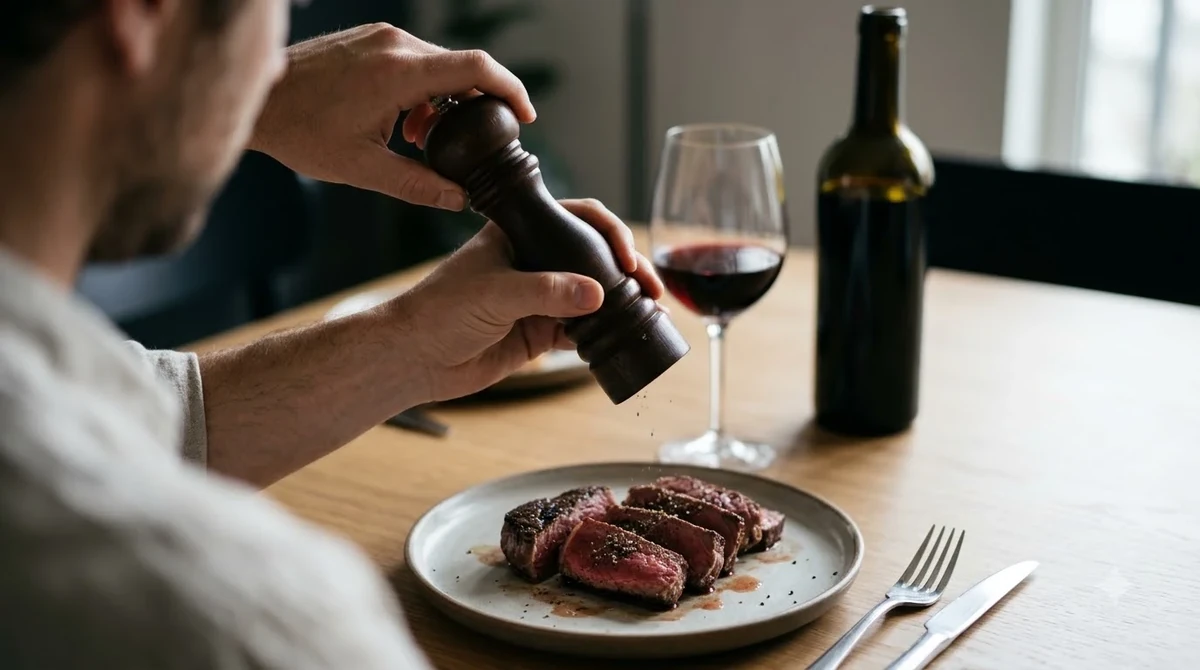
Classic Langhe pairings include braised beef, roast meat, game, and aged hard cheeses. A slowly braised beef dish has enough richness to meet the wine’s tannin, while the savory sauce echoes the wine’s earthy and herbal notes. Roast lamb, venison, and beef short ribs also make suitable partners. For cheese, choose aged Parmigiano-Reggiano or another firm, savory cheese rather than a mild fresh cheese that may seem thin next to Barolo.
Barolo’s acidity helps it work with dishes that have some richness, but the food should not be sharply more acidic than the wine. Tomato-heavy sauces can make a red seem less fresh if the sauce’s acidity dominates. A braise with browned meat, stock, mushrooms, and herbs is often a more natural match than a highly acidic tomato preparation. Salt and fat can soften tannin, which is useful with a young bottle that still feels firm.
Be cautious with strong chili heat. Alcohol and tannin can intensify the burning sensation from spicy food, making a high-ABV Barolo a difficult partner for very hot dishes. Oily fish can also clash with the wine’s tannic structure; grilled salmon or tuna may work better with a lighter red or white selected for the dish. For a broad view of other styles and pairing roles, see Wine by Type.
Frequently Asked Questions
Barolo must meet a 13% ABV minimum, but many bottles are closer to 14% or 14.5%. These answers cover label details, aging categories, serving, and style distinctions that can help when choosing a bottle.
Does Barolo have to be at least 13% alcohol?
Yes. The production specification sets the minimum total alcohol for bottled Barolo at 13% ABV, including Barolo Riserva. The same specification sets minimum total acidity at 4.5 grams per liter, another threshold that helps define the wine’s required composition.
How long must Barolo Riserva age?
Barolo Riserva must age for at least 62 months, including at least 18 months in wood, before it can be released. Standard Barolo requires at least 38 months in total, also including 18 months in wood, so the Riserva designation reflects a longer required maturation period rather than a higher alcohol minimum.
What does Vigna mean on a Barolo label?
Vigna identifies a named vineyard parcel within an officially designated MGA. Barolo cannot use the Vigna designation on its own; the label must also identify the relevant MGA. These wines have stricter production limits, including a maximum grape yield of 7.2 metric tons per hectare.
Does Barolo Chinato have the same alcohol level as regular Barolo?
Not necessarily. Barolo Chinato is an aromatized wine made using Barolo as its base and flavored with botanicals that include cinchona; its final profile and strength depend on how it is prepared. It is a distinct specialty style, not simply an aged bottle of standard Barolo.
Does Barolo only come in a 750 ml bottle?
No. The DOCG packaging rules allow bottles of at least 375 ml, while specifically excluding the 2-liter format. The familiar 750 ml bottle is common, but it is not the only permitted size.
For most shoppers, 14% to 14.5% is a sound expectation for Barolo, with 13% marking the legal minimum rather than the usual target. Look at ABV alongside the vintage, producer, and serving temperature, then pair the wine with food that can meet its acidity and firm Nebbiolo tannins.
More in Wine Types & Grapes
 What Is Alvarinho? A Complete Look at Portugal’s Crisp Coastal GrapeUpdated Nov 21, 2026
 What Is Auslese? How to Read, Serve, and Pair This German WineUpdated Nov 21, 2026
 What Is Arneis? Tasting Notes, Origins, and Pairing GuideUpdated Nov 21, 2026
 What Is Airen? A Guide to Spain’s Most-Planted White GrapeUpdated Nov 21, 2026
 What Is Aglianico? A Guide to Italy’s Bold Southern Red WineUpdated Nov 21, 2026
 What Is Alicante Bouschet: The Rare Red-Fleshed Grape Behind Bold RedsUpdated Nov 21, 2026