

We may earn a commission when you buy through links on this page, at no extra cost to you. Learn more.
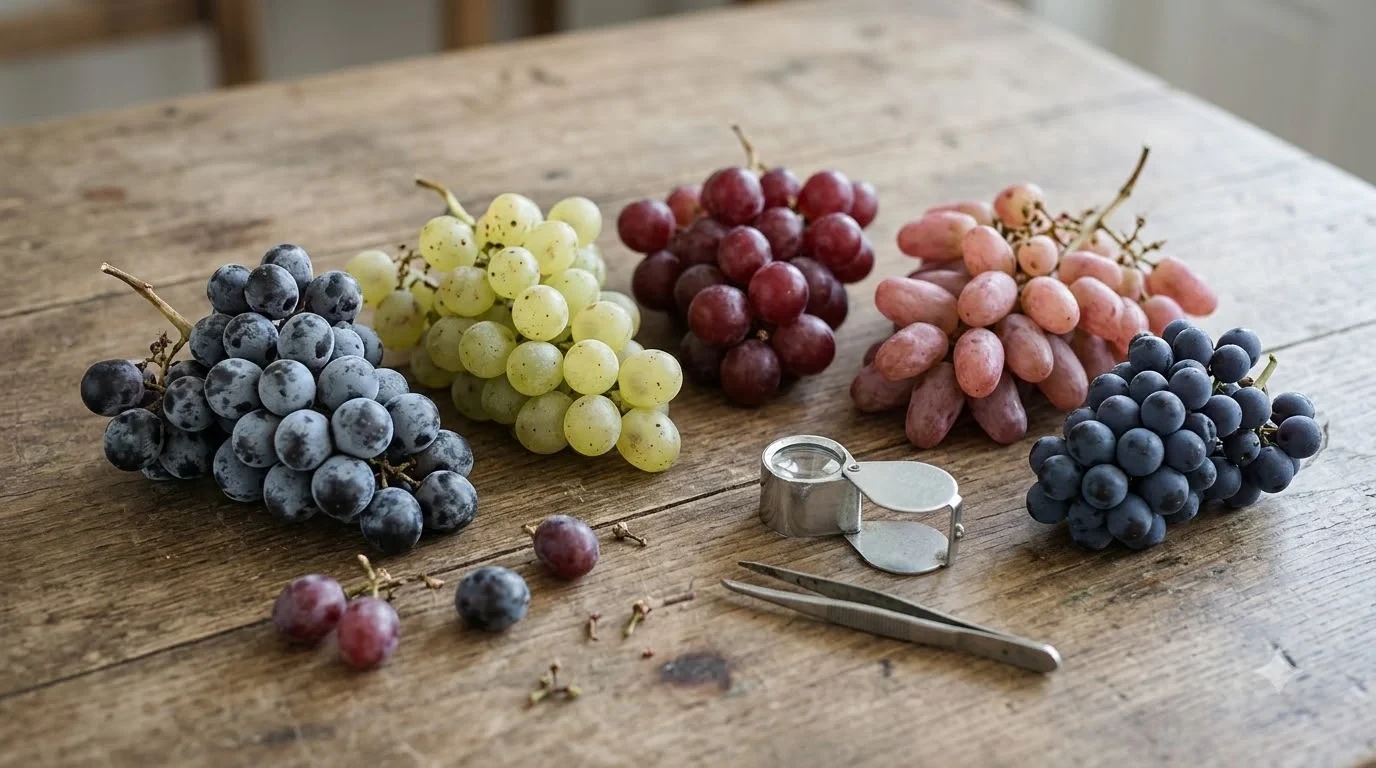
Bandol wine grapes are led by Mourvèdre, Grenache, and Cinsault for red and rosé wines, while Clairette, Bourboulenc, and Ugni Blanc form the foundation of the region’s white wines. Located along the Mediterranean coast of Provence in southeastern France, Bandol is especially famous for structured, age-worthy Mourvèdre-based reds and refreshing, complex rosés. Understanding its permitted grape varieties, blending requirements, and growing conditions makes it easier to recognize what gives each Bandol wine its distinctive character.
Bandol is one of Provence’s most distinctive wine appellations. Its vineyards occupy sunlit slopes and terraces around the coastal town of Bandol, where Mediterranean conditions help grapes reach full maturity. Although the region is often associated with powerful red wines, rosé represents the largest share of its production. White wines provide a smaller but important third category. Each style has its own combination of permitted varieties, and appellation rules determine how those grapes can be used. Here is how the principal varieties work together and what wine drinkers can expect from them.
1. Mourvèdre: The Signature Grape of Bandol
Mourvèdre is the defining grape of Bandol and the most important variety to understand when exploring its red wines. Its naturally firm tannins, concentrated fruit, and ability to develop complexity with age make it particularly well suited to the appellation’s warm Mediterranean climate.
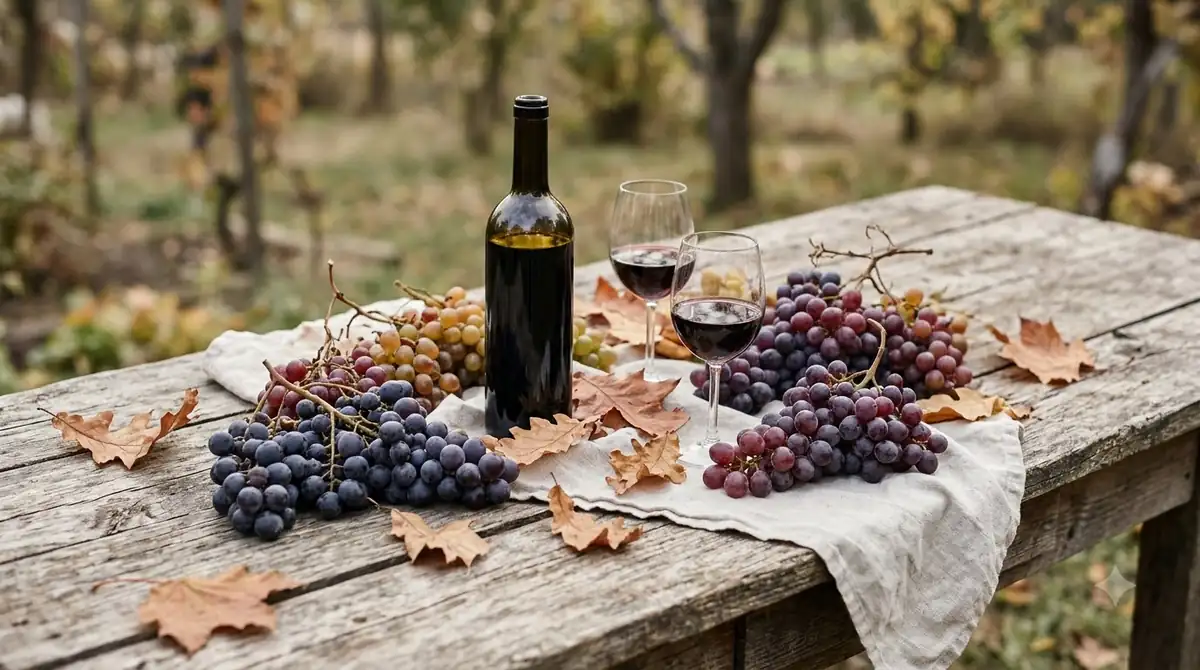
Known as Monastrell in Spain and Mataro in some other wine-producing countries, Mourvèdre is a late-ripening red grape. It generally needs a long growing season and sufficient warmth to reach complete phenolic maturity. Bandol provides favorable conditions because its vineyards receive abundant sunshine and benefit from protection against the cold, drying Mistral wind by the Sainte-Baume mountain range. The result is a setting where this demanding grape can develop depth without losing all its structural character.
Under the Bandol appellation regulations, Mourvèdre must represent between 50% and 95% of the grape-variety composition for red wines. This substantial requirement explains why Bandol reds have such a recognizable identity. Even when Grenache and Cinsault contribute meaningful proportions, Mourvèdre remains the central component.
In the glass, Mourvèdre commonly produces flavors of blackberry, black cherry, plum, and other dark fruits. Depending on the producer, vineyard, and age of the wine, additional notes can include black pepper, dried herbs, leather, earth, and savory spice. Its firm tannins provide structure, while its relatively substantial body makes it a natural partner for richly flavored foods.
Young Bandol reds can feel compact and structured. With bottle aging, their tannins can become more integrated, and additional savory and earthy characteristics can emerge. This capacity for development is one reason serious Bandol reds attract collectors.
Mourvèdre also appears in Bandol rosé. The grape contributes structure, intensity, and savory complexity, giving these wines more substance than many lighter, simpler examples of Mediterranean rosé. Its percentage can vary considerably between permitted blends, so rosé and red wines do not necessarily have the same Mourvèdre concentration.
For anyone beginning to explore Bandol, Mourvèdre is the best reference point. Its presence explains much of the region’s reputation for concentrated reds and characterful rosés. The Maison des Vins de Bandol grape-variety guide also describes the grape’s progression from dark fruit and violet in young wines toward leather, truffle, and undergrowth with age.
2. Grenache: Fruit, Warmth, and Roundness
Grenache complements Mourvèdre by bringing generous fruit, softer tannins, and a rounder impression to Bandol blends. It is one of the three principal varieties permitted in both the appellation’s red and rosé wines.
Grenache is a widely planted Mediterranean grape that generally performs well in warm, dry conditions. It can reach relatively high sugar levels and produce wines with ripe red fruit flavors. In Bandol, it helps balance Mourvèdre’s more pronounced structure and can make a blend feel more immediately approachable.
Common Grenache flavors include strawberry, raspberry, red cherry, and ripe plum. Depending on ripeness and winemaking choices, the wine may also show hints of dried herbs, white pepper, and Mediterranean vegetation. Its fruit character can provide an attractive contrast to Mourvèdre’s darker, more savory profile.
In red Bandol, Grenache contributes a softer texture and greater fruit generosity. It can moderate the impression of Mourvèdre’s tannins without eliminating the firm structure that makes the appellation recognizable. The result is a blend with both depth and balance.
Grenache also plays an important role in rosé. Its red berry character can contribute freshness and fruitiness, while its ripe flavors complement the more structured components of Mourvèdre. The exact result depends on harvesting decisions, blending proportions, and the winemaker’s approach to extraction.
Grenache is particularly useful for understanding why Bandol reds are not simply powerful, tannic wines. Although Mourvèdre supplies much of the structure, Grenache provides another dimension, making the finished wine more balanced and expressive.
3. Cinsault: Freshness and Delicate Red Fruit
Cinsault brings a lighter, more aromatic dimension to Bandol’s traditional red and rosé blends. Compared with Mourvèdre, it generally has softer tannins and a more delicate fruit profile, making it valuable for balancing concentrated Mediterranean varieties.
This southern French grape is well adapted to warm climates. It can produce wines with fresh strawberry, raspberry, cherry, and floral characteristics. Its relatively gentle tannin structure gives it a different role from Mourvèdre, which is valued primarily for concentration and firmness.
In Bandol red wine, Cinsault can add liveliness and make a blend feel less imposing. Its presence can add vivacity to Mourvèdre-based wines. This contribution is particularly useful when producers want to retain the traditional identity of Bandol while achieving a more approachable style.
For rosé, Cinsault is especially useful because of its bright fruit character and lighter structure. It can contribute attractive berry notes and freshness without making the wine feel heavy. The result can be a rosé that has both Mediterranean richness and an energetic finish.
It is important to remember that Cinsault is not simply a secondary grape without a distinct identity. Its contribution can be noticeable even when it represents a relatively modest part of a blend. Its softer profile provides contrast, allowing the characteristics of the other varieties to become more balanced.
When comparing Bandol bottles, look at the relationship between Mourvèdre and Cinsault. A wine emphasizing Mourvèdre may show greater density and structure, while a blend with a noticeable Cinsault contribution may feel more immediately open and fruit-driven.
4. Other Red Grapes: Syrah and Carignan
Syrah and Carignan are permitted accessory varieties in Bandol red wines. They are not the appellation’s principal grapes, but they give producers additional blending options and can contribute different layers of flavor and structure.
Syrah
Syrah is a familiar red variety across the Rhône Valley and other warm wine regions. It typically produces wines with dark berry fruit, black pepper, violet, and sometimes smoked or savory characteristics. Its tannins can be medium-plus to high, depending on growing conditions and winemaking.
In Bandol, Syrah can reinforce the darker fruit character of Mourvèdre and add aromatic complexity. Its peppery notes can complement the savory character of the region’s signature grape, while its structure can help create a more concentrated finished blend.
Carignan
Carignan is another traditional Mediterranean red grape. It can contribute lively acidity, dark fruit, and herbal characteristics, particularly when sourced from carefully managed vineyards. Its profile varies considerably with vine age, growing conditions, and yield management.
In Bandol blends, Carignan can provide another layer of fruit and freshness. Its contribution depends on the producer’s style and the proportion used, rather than following one fixed flavor formula.
The appellation places restrictions on accessory varieties. For red wines, each accessory grape is limited to 10% of the relevant grape-variety composition under the applicable proportion rules. Mourvèdre must remain between 50% and 95%, ensuring that the wine retains its defining identity.
The following table summarizes the principal and accessory red varieties and their typical contributions.
| Grape | Appellation role | Typical contribution |
|---|---|---|
| Mourvèdre | Principal | Dark fruit, firm tannins, savory depth |
| Grenache | Principal | Red fruit, warmth, softer texture |
| Cinsault | Principal | Fresh berry fruit, lighter structure |
| Syrah | Accessory | Black pepper, dark fruit, additional structure |
| Carignan | Accessory | Acidity, dark fruit, herbal character |
These are general grape characteristics rather than guaranteed tasting notes. A wine’s final profile also depends on vineyard exposure, harvest maturity, fermentation, extraction, blending, and aging. Two Bandol reds containing similar varieties can therefore taste noticeably different.
5. Bandol Rosé Grapes: Mourvèdre, Grenache, and Cinsault
Bandol rosé is one of Provence’s most recognizable wine styles, combining refreshing acidity with more depth and structure than many uncomplicated summer rosés. Its principal grapes are Mourvèdre, Grenache, and Cinsault, the same three varieties that form the foundation of the region’s red wines.
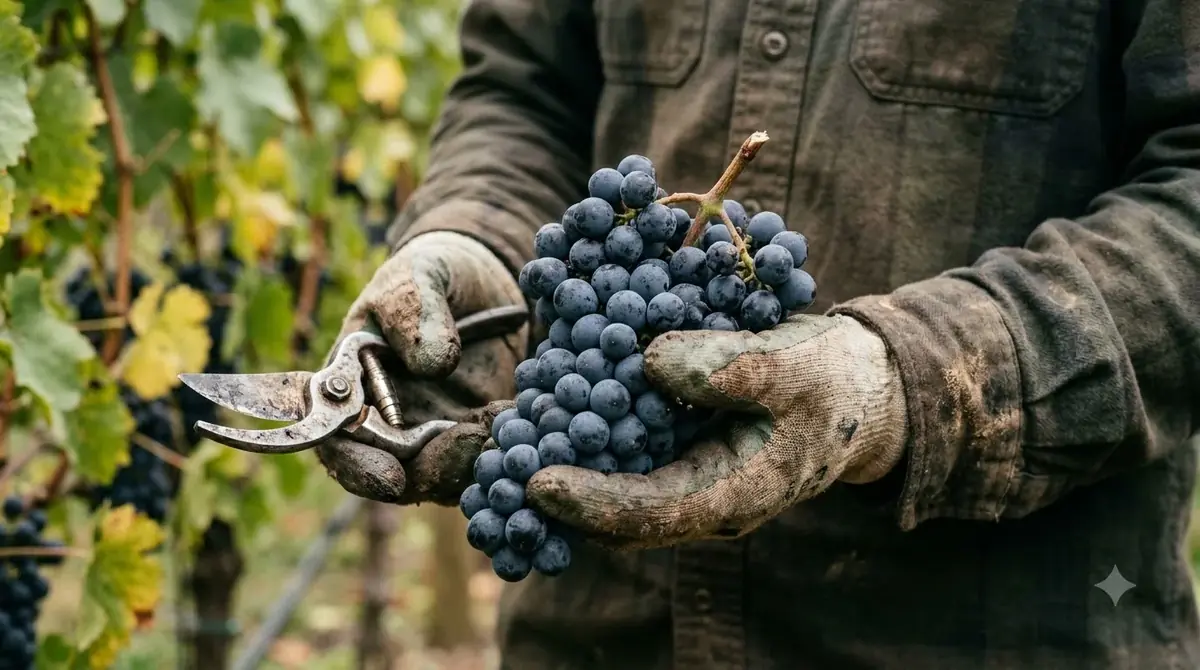
Rosé is particularly important to Bandol’s wine industry. It represents the largest share of the appellation’s production, making it central to the region’s identity despite the international reputation of its age-worthy reds.
Mourvèdre contributes structure, intensity, and a savory dimension. Grenache adds ripe red fruit and a rounded impression, while Cinsault brings lighter berry aromas and freshness. Together, they create a rosé that can be more substantial than a delicate, straightforward Mediterranean style.
The appellation requires Mourvèdre to account for between 20% and 95% of the grape-variety composition for rosé. This is a broad permitted range, giving producers considerable flexibility while maintaining the grape’s importance. The blend can therefore vary between producers, even though the same three principal varieties remain central to the style.
Several accessory grapes are also authorized for Bandol rosé: Bourboulenc, Carignan, Clairette, Syrah, and Ugni Blanc. These varieties give winemakers further blending possibilities, although their presence is subject to the appellation’s proportion requirements.
Bandol rosé commonly offers strawberry, raspberry, citrus, and stone-fruit characteristics. More complex examples may develop notes of quince, apricot, dried herbs, and spice. The balance between freshness and texture makes the wines suitable for a broad range of foods.
Serving temperature is important. A temperature of 45-50°F generally allows the wine to retain its refreshing character without hiding its aromatic complexity. Excessively cold serving can make more structured rosés seem less expressive.
For food pairing, consider grilled seafood, Mediterranean vegetables, roast chicken, herb-seasoned salads, and dishes featuring tomatoes or olive oil. Acidic ingredients work particularly well when the wine has enough acidity to match them.
For readers interested in understanding the regional styles in the glass, Bandol wine tasting provides a useful next step for comparing the differences between red, rosé, and white expressions.
6. Bandol White Wine Grapes: Clairette, Bourboulenc, and Ugni Blanc
Bandol white wines are much less common than the appellation’s reds and rosés, but they offer a distinctive expression of Provence. Their principal varieties are Clairette, Bourboulenc, and Ugni Blanc, with Marsanne, Sauvignon Blanc, Sémillon, and Vermentino permitted as accessory grapes.
Clairette is particularly important in the appellation’s white wine regulations. It must account for between 30% and 95% of the grape-variety composition under the applicable specification. Its position gives Bandol whites an identifiable foundation while allowing room for complementary varieties.
Clairette
Clairette is a traditional southern French white grape that can produce wines with citrus, orchard fruit, and herbal characteristics. Depending on ripeness and winemaking, it may also show subtle floral and mineral impressions. Its naturally moderate acidity means that vineyard conditions and harvest decisions are important in determining the finished wine’s balance.
Bourboulenc
Bourboulenc is another traditional Mediterranean white grape. It is often valued for freshness and relatively restrained aromatic intensity. It can contribute citrus, delicate floral notes, and a clean impression that complements the broader texture of other white varieties.
Ugni Blanc
Ugni Blanc, also known as Trebbiano in Italy, is widely planted in southern European wine regions. In Bandol, it is one of the principal permitted white varieties. Its naturally high acidity can help maintain freshness and balance, particularly in wines made from grapes grown in warm conditions.
Accessory white varieties
Marsanne can bring body, texture, and stone-fruit characteristics. Sauvignon Blanc may add brighter citrus and herbal aromas, while Sémillon can contribute a broader texture and subtle orchard-fruit character. Vermentino, another important Mediterranean variety, can bring citrus, floral, and herbal notes.
These grapes offer different possibilities for white blends. A producer emphasizing Clairette and Bourboulenc may pursue a more restrained, delicate style, while the addition of Marsanne or Vermentino can change the texture and aromatic profile.
Bandol whites are useful for wine drinkers who want to explore a less familiar side of Provence. They can accompany grilled fish, shellfish, roasted vegetables, and dishes with lemon or fresh herbs. Their relatively limited production also makes them an interesting category to seek out when exploring the full range of the appellation.
Those interested in comparing different grape families across regions can also explore orange wine grapes, where white varieties take on a different expression through extended skin contact.
7. Climate, Vineyard Conditions, and the Character of Bandol Grapes
Bandol’s grape varieties are closely connected to its Mediterranean environment. Warm temperatures, abundant sunshine, sea influences, and protective mountain geography help explain why Mourvèdre is so successful here and why the region can produce concentrated wines with distinctive freshness.
The vineyard area extends across eight communes in the Var department. These include Bandol itself, Le Beausset, La Cadière-d’Azur, Le Castellet, Evenos, Ollioules, Sanary-sur-Mer, and Saint-Cyr-sur-Mer. The landscape features slopes, terraces, and varied exposures rather than one uniform vineyard environment.
According to Bandol’s local tourism authority, the vineyards receive approximately 3,000 hours of sunshine annually. This abundant light is particularly valuable for Mourvèdre, which ripens relatively late compared with many other Mediterranean varieties.
The Sainte-Baume massif helps shelter the area from the Mistral, a strong regional wind. The resulting growing conditions favor ripening while maintaining the broader Mediterranean character of the region. Sea influences and differences in elevation also create variation between individual vineyard sites.
Bandol’s soils and vineyard exposures contribute additional differences. Limestone, sandstone, and other local geological formations create different growing environments, while terraced vineyards reflect the practical demands of cultivating sloping land.
The appellation’s planting requirements also reflect the traditional nature of its vineyards. The specification establishes a minimum planting density of 4,440 vines per hectare, with particular spacing provisions for rows and individual vines. These requirements help define how qualifying vineyards are established and managed.
The following table connects the principal grape varieties with their typical vineyard and wine characteristics.
| Grape | Color | Typical wine characteristics | Role in Bandol |
|---|---|---|---|
| Mourvèdre | Red | Dark fruit, tannin, savory depth | Signature red variety |
| Grenache | Red | Ripe berry fruit, warmth | Principal red and rosé grape |
| Cinsault | Red | Fresh berries, softer tannins | Principal red and rosé grape |
| Clairette | White | Citrus, orchard fruit, herbs | Principal white grape |
| Bourboulenc | White | Freshness, restrained citrus | Principal white grape |
| Ugni Blanc | White | Bright acidity, subtle fruit | Principal white grape |
These environmental factors help explain why Bandol is not simply another warm-climate wine region. Its grape varieties, especially Mourvèdre, are shaped by a combination of sunshine, coastal influence, mountain protection, and varied vineyard terrain. The Bandol tourism authority’s overview of the vineyards describes the region’s approximately 1,600 hectares of terraced vines and its Mediterranean setting.
Tip: When choosing a Bandol bottle, start with the color and grape composition. Select Mourvèdre-based red for firm structure and aging potential, rosé for Mediterranean fruit and versatility, or a Clairette-based white for a less common expression of the appellation.
For a broader perspective on how geography and grape selection shape regional wine styles, visit our guide to Wine Regions. Comparing Bandol with other Mediterranean and international growing areas helps clarify why the same grape can produce very different wines under different conditions.
Another useful comparison is the variety of grapes grown in warmer American wine regions. Our overview of Texas wine grapes explores how heat-adapted varieties and local growing conditions influence wines produced in a very different environment.
Frequently Asked Questions
Is Mourvèdre the same as Monastrell?
Yes. Mourvèdre and Monastrell are different regional names for the same grape variety, which is also called Mataro in some countries. Monastrell is particularly associated with southeastern Spain, including the Jumilla and Yecla wine regions. The grape’s expression varies according to climate, soil, and winemaking.
When was Bandol officially recognized as an appellation?
Bandol received its AOC recognition on November 11, 1941. The appellation is historically associated with producers including Domaine Tempier and Château Pradeaux. Its recognition helped establish a protected identity for wines produced in the designated coastal area.
How long can a good Bandol red wine age?
Some well-made Bandol reds can develop over 10-20 years or longer, depending on the producer, vintage, and storage conditions. Their Mourvèdre-based structure provides the foundation for extended development. Mature examples may reveal additional leather, dried herbs, earth, and savory complexity beyond their original dark-fruit character.
What is the difference between Bandol and Côtes de Provence rosé?
Both are Provençal appellations, but Bandol has specific Mourvèdre requirements that distinguish its rosé production. Côtes de Provence encompasses a broader range of permitted grape combinations and regional styles. Bandol rosé is often recognized for its greater structure and savory complexity, although individual bottles vary considerably.
Are Mourvèdre and Monastrell genetically related to Grenache?
Mourvèdre and Grenache are separate grape varieties rather than different names for the same grape. Their distinct identities are reflected in their typical growing behavior, aromas, and wine structure. Mourvèdre is generally more tannic and structured, while Grenache is often more fruit-forward and softer in texture.
Bandol’s identity begins with Mourvèdre, but its full character depends on the relationship between several Mediterranean grape varieties. Grenache and Cinsault give its reds and rosés balance and freshness, while Clairette, Bourboulenc, and Ugni Blanc provide a distinctive foundation for its less common whites. Understanding these grapes makes it easier to choose Bandol wines and appreciate the regional traditions behind every bottle.
More in Wine Regions
 Willcox Wine Trail: Discover Arizona’s High-Elevation Wine CountryUpdated Nov 20, 2026
 Yakima Valley Wine Region: Find the Best Styles to TryUpdated Nov 20, 2026
 Vosne Romanee Wine Tasting: Identify Aromas and Choose Better PairingsUpdated Nov 20, 2026
 Yakima Valley Wine Festival: Find the Best Seasonal Wine EventsUpdated Nov 20, 2026
 Wales Vineyards: Discover Cool-Climate Wines and Where to VisitUpdated Nov 20, 2026
 Yountville Wine Festival: Discover Napa Wines and Local FoodUpdated Nov 20, 2026