

We may earn a commission when you buy through links on this page, at no extra cost to you. Learn more.
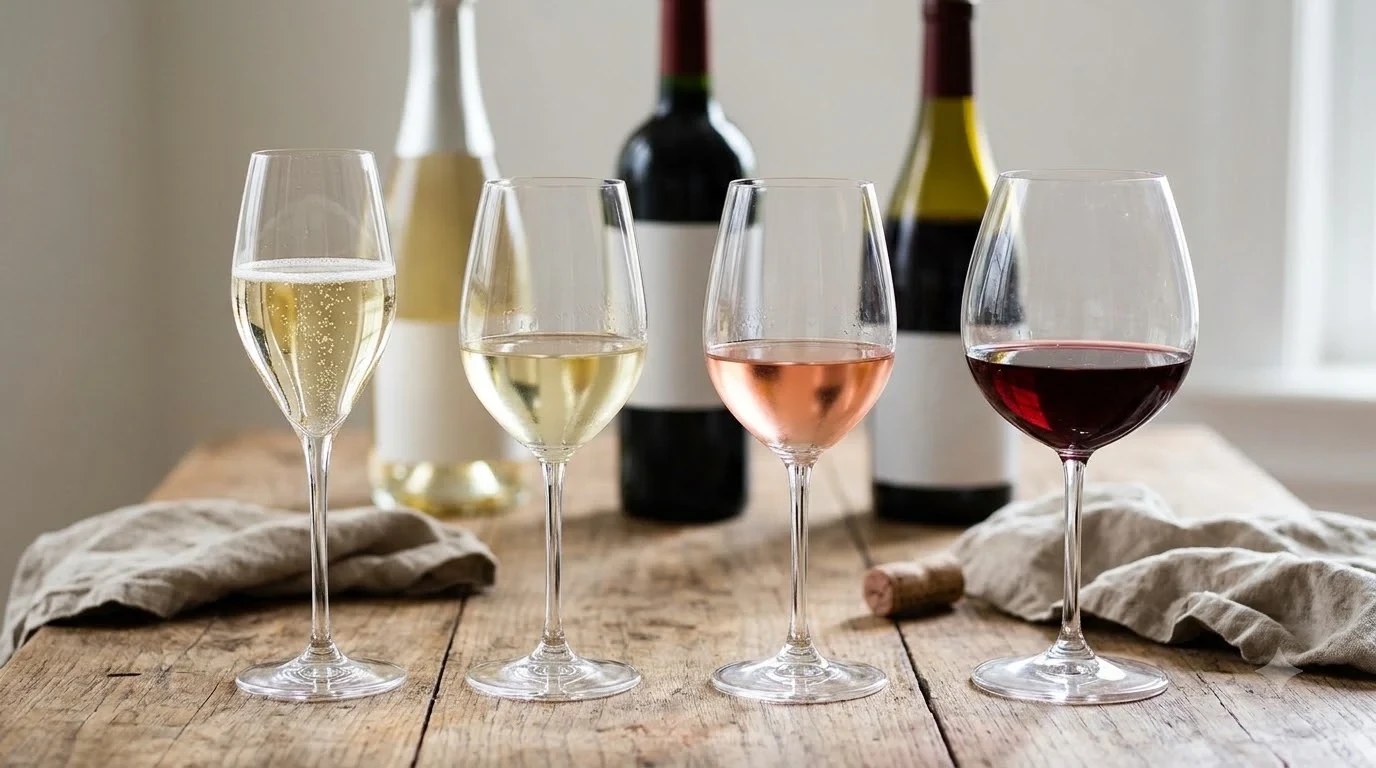
The Bandol wine region sits on the Provence coast of southern France, and it is known for dark, structured red wines built around the Mourvèdre grape, along with spicy rosés and a small amount of white. The appellation is small, with eight communes producing the wine, and it is one of the few places in France where Mourvèdre is required to play a leading role. This guide explains the region’s location, grape rules, wine styles, and how to choose and serve a bottle.
Bandol is one of the more distinctive names in French wine. Its reds are often firm and dark, and they reward patience in the cellar. Its rosés are more savory than many pale, fruit-forward pinks. Understanding the grape rules behind these wines helps you know what to expect when you pick up a bottle, whether you are buying for a special dinner or exploring Provence for the first time.
Where the Bandol Region Sits
The appellation is based around the fishing village of Bandol, which lies west of Toulon on the Mediterranean coast of Provence. According to the Wikipedia entry on the Bandol AOC, eight communes produce the wine, and the vineyards grow on soils that include silicon and limestone.
The coastal setting matters. Sea air moderates the climate, and the vineyards sit on slopes and terraces that look out over the water. The same hillside terracing makes mechanical harvesting impractical, and AOC rules prohibit it, which means that picking is done by hand and that yields are among the lowest in France.
The Mourvèdre Rule
Mourvèdre is the defining grape of Bandol. The appellation rules require that Mourvèdre make up at least 50 percent of the blend for red and rosé wines. Most producers use considerably more than the minimum, and Grenache and Cinsaut usually make up the rest of the blend.
Syrah and Carignan are permitted in limited amounts. According to the same Wikipedia entry, the two together may make up no more than 15 percent of a blend, and each one individually is capped at 10 percent. This structure means that Bandol reds and rosés share a common backbone, while individual producers still shape their wines through blend ratios, oak use, and aging choices.
Red Bandol: Dark Fruit, Spice, and Time
Red wine makes up nearly 70 percent of Bandol production, and it is the style most people think of first. Reds are dark and concentrated, with black fruit, vanilla, cinnamon, and leather notes in many examples. Wikipedia notes that they must age at least 18 months in oak before release.
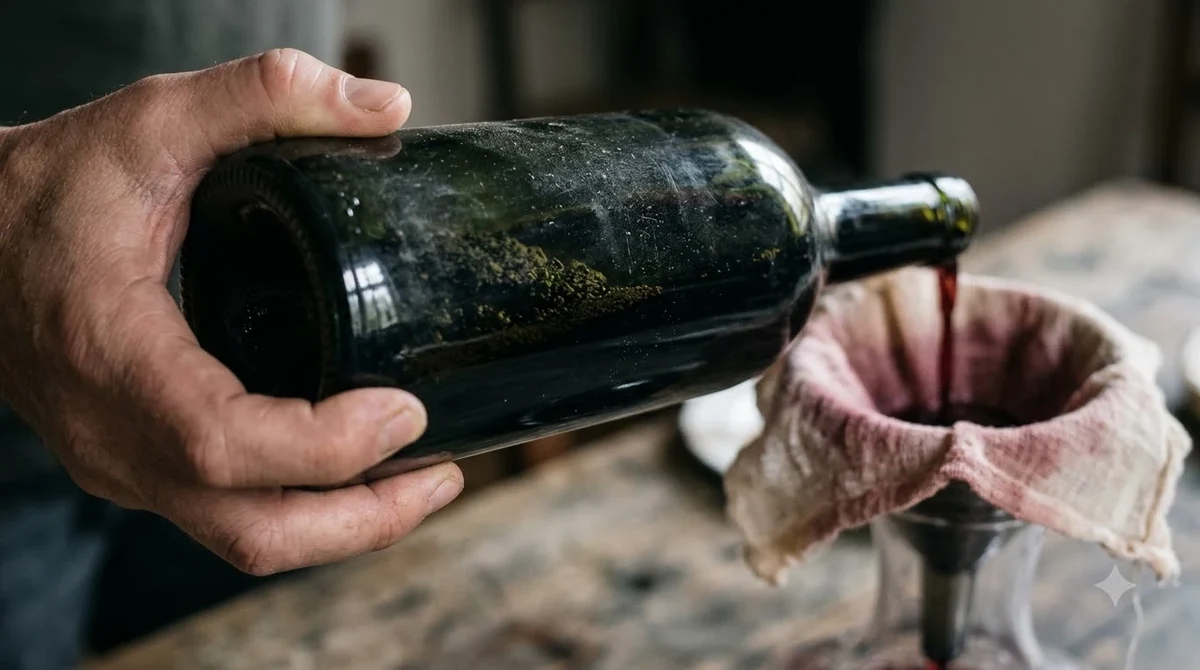
Bandol reds are known for their need for time. The entry states that they typically need at least 10 years to develop fully, although some examples are drinkable after about three years. Buyers who want to open a bottle soon should look for a younger release or ask the seller about the style, while those who enjoy aged wines can keep a few bottles in a cool cellar and watch them change over the years.
| Style | Main grape character | Typical profile | Good with |
|---|---|---|---|
| Red | Mourvèdre-led blend | Dark fruit, leather, spice, firm tannins | Lamb, roast meats, hearty stews |
| Rosé | Mourvèdre-led blend | Spicy, earthy, savory; some strawberry notes | Grilled fish, Mediterranean salads |
| White | Clairette blanche, Bourboulenc, Ugni blanc | Small share of production, fresh and aromatic | Seafood, bouillabaisse, herbs |
Tip: If you plan to drink a Bandol red soon after buying it, check the release date and ask whether the producer recommends an early opening. Younger bottles often benefit from decanting.
Rosé and White Bandol
Bandol rosé is more savory than many lighter pinks. According to the Wikipedia article, it is spicy and earthy, and it can resemble the rosés of Tavel, another famous Rhône-style pink. Some examples show strawberry notes, which give the wine a bright, fresh edge. Because the rosé is built on Mourvèdre, it tends to have more structure than a pale, delicate style.
White Bandol is a small share of production. The entry lists Clairette blanche, Bourboulenc, and Ugni blanc as the main white varieties, and it notes that Sauvignon blanc was used in the past and is not prohibited. White wines from this region are less well known than the reds, but they are a good option for buyers who want to explore the appellation beyond its signature style.
Why Bandol Is Rare
Bandol is a small appellation, and its scarcity helps explain the price and availability of its wines. The hillside vineyards are demanding to farm, and the rules that prohibit mechanical harvest add labor and limit yields. The entry notes that Bandol has some of the lowest yields in France, which means that producers work with a limited amount of fruit each year.
The region’s history has also shaped its wines. Bandol’s reputation grew around the Mourvèdre-led style, and producers have kept that identity through a set of rules that prioritize the grape. For buyers, this consistency is useful: the core character of a Bandol red or rosé is fairly predictable, even when individual producers vary in their approach.
Scarcity also shapes how shops and restaurants handle the wines. Small production means that a given release can sell out quickly, and a single producer’s allocation may be limited to a few stores in each market. Buyers who find a bottle they like should note the producer’s name and vintage, since the same estate may release other Bandol styles that are easier to find. A helpful starting point is to ask a specialist shop which producers they stock, because they often know which estates are consistent from year to year.
Visitors interested in Mediterranean reds can also explore other coastal and warm-climate regions. The Adelaide Hills wine region guide, for example, shows how a different climate changes the balance of fruit and acidity, which is a useful comparison when you taste a Bandol next to wines from elsewhere.
How to Choose a Bandol Bottle
Start with the style you want. A red is the right choice for a long dinner or a cool evening, while a rosé suits warm weather and grilled food. White Bandol is a niche purchase, but it can be a rewarding choice for seafood dinners.
Next, think about timing. If you want a wine to drink now, look for a younger bottle or ask the seller whether the producer suggests an early opening. If you have a cellar and enjoy watching wines develop, a Bandol red can reward several years of patience. Keep an eye on the vintage and producer, since both affect how the wine tastes today.
For a broader view of how grape rules and climate shape a region, the wine regions guide is a useful next stop. It explains how appellation rules, soils, and climate combine to create regional identities in the way that Bandol does.
Frequently Asked Questions
What grape is Bandol best known for?
Mourvèdre. The appellation rules require at least 50 percent Mourvèdre in red and rosé blends, and most producers use more than the minimum.
Is Bandol red wine ready to drink when it is released?
Some Bandol reds are drinkable after about three years, but Wikipedia notes that many need at least 10 years to develop. Check the release date and the producer’s guidance before you open a bottle.
How is Bandol rosé different from other rosés?
It is typically more savory and spicy, with earthy notes and a firmer structure than many pale, fruit-forward pinks. Its Mourvèdre base gives it more backbone.
Where is the Bandol wine region?
It is on the Mediterranean coast of Provence in southern France, based around the fishing village of Bandol, west of Toulon. Eight communes produce the wine.
Bandol rewards buyers who enjoy structured reds and savory rosés, and it shows how a single grape can define an entire appellation. To place it alongside other wine areas, start with the wine regions guide and compare how different climates and rules shape the bottles on the shelf.
More in Wine Regions
 Willcox Wine Trail: Discover Arizona’s High-Elevation Wine CountryUpdated Nov 20, 2026
 Yakima Valley Wine Region: Find the Best Styles to TryUpdated Nov 20, 2026
 Vosne Romanee Wine Tasting: Identify Aromas and Choose Better PairingsUpdated Nov 20, 2026
 Yakima Valley Wine Festival: Find the Best Seasonal Wine EventsUpdated Nov 20, 2026
 Wales Vineyards: Discover Cool-Climate Wines and Where to VisitUpdated Nov 20, 2026
 Yountville Wine Festival: Discover Napa Wines and Local FoodUpdated Nov 20, 2026