


We may earn a commission when you buy through links on this page, at no extra cost to you. Learn more.
The augusta wine trail is a collection of wineries in Augusta, Missouri, within America’s first officially designated American Viticultural Area (AVA). Located along the Missouri River, this historic wine region offers several distinctive wineries, vineyard views, and locally produced wines. Visitors can explore four closely clustered wineries in a single day, add a fifth area winery, and discover grape varieties that make Missouri wine different from more familiar wine regions.
Augusta is an appealing destination for travelers who enjoy wine, local history, and relaxed countryside scenery. Its wineries combine 19th-century winemaking heritage with contemporary tasting rooms, regional grape varieties, restaurants, and outdoor spaces. Whether you are planning a day trip from St. Louis or a weekend in Missouri wine country, understanding the area’s geography and winery choices will help you make the most of your visit.
Why Augusta Matters in American Wine History
Augusta stands out because its wine region received official recognition before Napa Valley and many other famous American wine destinations. The approximately 15-square-mile AVA combines a long grape-growing tradition with distinctive Missouri River geography.
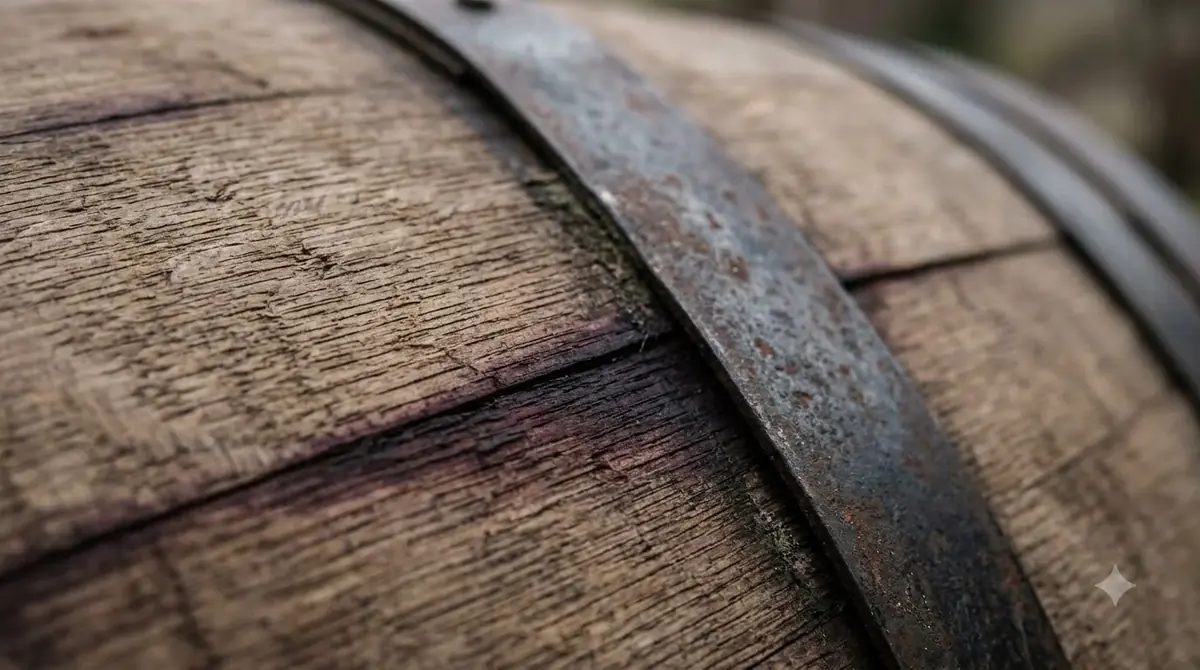
The Augusta AVA received its official designation on June 20, 1980. That milestone made it the first American Viticultural Area in the United States, eight months before Napa Valley received its designation in January 1981. The distinction is an important part of the area’s identity, but Augusta’s importance goes beyond the date. Its designation recognized a specific geographical area with particular soils, climate, and winemaking history. For a useful overview of the designation, regional landscape, and principal grape varieties, see Wine Enthusiast’s Augusta AVA overview.
Augusta sits west of St. Louis in Missouri’s wine country, along the Missouri River. The region’s boundaries encompass approximately 15 square miles, making it a relatively compact appellation compared with larger American wine-growing districts. Its northern and western ridges and southern river boundary create a distinctive landscape. Flooding from the Missouri River contributed loamy, silty soils, while the surrounding geography helps moderate temperatures. These conditions influence the varieties that local growers choose and the wines that area producers make.
The region’s winemaking heritage stretches back to the mid-1800s. German immigrants recognized the potential of the Missouri River Valley for grape cultivation and established vineyards and wineries in the surrounding communities. That history gives Augusta a different character from destinations primarily developed around modern wine tourism. Visitors encounter a working wine region whose identity is tied to generations of agricultural activity.
An AVA is a federally recognized grape-growing region defined by geographical characteristics. The designation identifies where grapes are grown; it does not automatically guarantee a particular wine style, sweetness level, or quality rating. For wine travelers, however, it provides a useful geographical reference when comparing bottles and exploring producers. Readers interested in how American appellations differ can also explore our broader guide to Wine Regions.
What to Expect from a One-Day Visit
Augusta is particularly suitable for a relaxed winery day because four principal wineries sit within roughly a 10-mile stretch. A late-morning start, two or three tasting stops, and a leisurely lunch provide a comfortable itinerary without making the day feel rushed.
Begin by deciding whether you want to concentrate on the historic wineries in town or spend more time enjoying the countryside. Augusta Winery and Mount Pleasant Estates are located on High Street, making them convenient starting points. Montelle Winery offers a different experience with its elevated position overlooking the Missouri River Valley, while Balducci Vineyards provides an additional destination for wine and food. The four wineries are close enough to make a compact driving itinerary practical.
A useful schedule begins around 11 a.m. Start with an early tasting at Augusta Winery, then visit Mount Pleasant Estates before taking a break for lunch. Continue to Montelle Winery for its hilltop scenery and finish at Balducci Vineyards. This order is a suggested sightseeing arrangement rather than a fixed tour schedule. Winery opening hours, tasting availability, and special events can vary, so arrange reservations when needed and confirm each destination’s operating information before departure.
Augusta Winery lists daily operating hours of 11 a.m. to 5 p.m. Its Wine and Beer Garden is a seasonal option, operating from April through October with weekend live music. Those hours provide a useful reference for planning the day, but they should not be treated as the operating schedule for every other winery. A visit during the warmer months can make outdoor seating particularly appealing, while a cooler-season visit may offer a quieter tasting-room experience.
There is also a fifth winery to consider: Noboleis Vineyards. It appears in regional Augusta winery listings and offers outdoor space, casual food, and live music. Allow extra driving time when adding it to the four-stop cluster. Most visitors will enjoy two or three wineries more thoroughly than trying to squeeze every destination into a single afternoon.
Tip: Choose a designated driver before beginning a winery itinerary. Four nearby wineries may look convenient on a map, but tasting pours add up, and responsible transportation makes the entire visit more comfortable.
Four Core Stops and One Nearby Winery
The main Augusta wine-country cluster includes Augusta Winery, Montelle Winery, Mount Pleasant Estates, and Balducci Vineyards. Each has a different setting and history, while Noboleis Vineyards provides an additional option for visitors who want to explore the wider area.
Augusta Winery is an excellent starting point for understanding the region’s wine styles. Established in 1988, it is located at 5601 High Street in Augusta. The winery offers a tasting room and a Wine and Beer Garden, with seasonal weekend music. Its wine selection includes familiar grapes such as Cabernet Sauvignon and Chardonnay alongside regional varieties such as Norton, Chambourcin, Vignoles, and Vidal Blanc. This combination makes it an accessible introduction for visitors who know international grape varieties but want to discover Missouri wines.
Mount Pleasant Estates offers a particularly strong connection to Augusta’s historical background. Established in 1859, it is one of the area’s oldest wine estates. Its setting combines established winemaking heritage with views across the surrounding countryside. The winery is a natural choice for visitors who want to understand the historical development of Missouri wine production while enjoying a traditional estate atmosphere.
Montelle Winery was established in 1970 and is known for its hilltop position overlooking the Missouri River Valley. Its location makes it one of the region’s notable stops for scenic views. The landscape is an important part of the experience, particularly for visitors interested in photography or enjoying a glass of wine outdoors. Its elevated setting provides a different perspective from the tasting rooms closer to central Augusta.
Balducci Vineyards was established in 2001 and adds an Italian-inspired food and hospitality element to the local winery selection. It is a good option for visitors who want to combine wine with a meal rather than treating each tasting as a separate stop. The rolling-hill setting and outdoor atmosphere also make it an appealing destination for a longer afternoon visit.
Noboleis Vineyards expands the selection beyond the four closely clustered stops. Its visitor experience includes Missouri wines, casual food, live music, and outdoor seating. The vineyard setting provides an opportunity to spend more time in the countryside instead of concentrating exclusively on the historic center of Augusta.
The following table summarizes the principal stops and their distinguishing features. The establishment years help illustrate how several generations of winemaking history are represented across the region.
| Winery | Established | Notable feature |
|---|---|---|
| Mount Pleasant Estates | 1859 | Historic wine estate and countryside views |
| Montelle Winery | 1970 | Hilltop setting overlooking the Missouri River Valley |
| Augusta Winery | 1988 | Historic-town tasting room and seasonal Wine and Beer Garden |
| Balducci Vineyards | 2001 | Italian-inspired food and vineyard scenery |
| Noboleis Vineyards | Not specified | Outdoor seating, casual food, and live music |
For a first visit, prioritize the four wineries within the approximately 10-mile cluster. Add Noboleis when you have sufficient time or are arranging an overnight stay. The best choice depends on whether you prefer historic tasting rooms, expansive views, vineyard scenery, or a wine-and-food experience.
Grapes and Wine Styles to Seek Out
Augusta’s wine selection includes familiar European varieties alongside American and French-American hybrid grapes. Norton, Chambourcin, Vidal Blanc, Vignoles, Chardonel, and Traminette are particularly useful varieties to explore when comparing the region’s different wine styles.
Visitors accustomed to California Cabernet Sauvignon or Chardonnay may initially gravitate toward those familiar names. Augusta also provides an opportunity to discover wines made from varieties particularly well suited to Missouri’s climate. Some of the region’s most interesting bottles come from grapes that receive less attention in mainstream American wine shops.
Norton is Missouri’s official state grape and is an important variety in the state’s wine identity. It produces bold, dry red wines with berry, cherry, spice, vanilla, and chocolate characteristics. Norton is a worthwhile choice for visitors who enjoy fuller reds but want something different from a typical Cabernet Sauvignon. Its local importance also makes it a natural conversation starter during a tasting.
Chambourcin is a French-American hybrid used for red wines and rosé. Its flavor profile can include dark fruit, cherry, and earthy notes. Compared with very tannic Cabernet Sauvignon, Chambourcin generally offers softer tannins, making it a useful choice for visitors who prefer a less drying red wine. It can also work well with food that would otherwise compete with a more heavily structured red.
Vidal Blanc is one of the region’s notable white grapes. It can produce crisp wines with pear, apple, and citrus characteristics, as well as semi-dry and dessert styles. Dry Vidal Blanc makes an interesting alternative for someone who normally chooses Sauvignon Blanc or Pinot Grigio. Its versatility also means that the same grape can appear in different tasting experiences depending on the winemaking approach.
Vignoles is another grape worth seeking out. It can produce dry, semi-sweet, and late-harvest wines, with tropical fruit, peach, apricot, citrus, and floral notes. If you enjoy a slightly sweeter white wine, a semi-sweet Vignoles may be an appealing choice. Its range of styles also makes it useful for understanding how grape ripeness and winemaking decisions influence the finished wine.
Chardonel and Traminette round out the selection. Chardonel, a cross between Chardonnay and Seyval Blanc, can range from crisp and fresh to richer, oak-influenced styles. Traminette is aromatic and may be made dry or semi-sweet, with floral notes and a distinctive fragrance. Sampling these grapes alongside Vidal Blanc and Vignoles gives visitors a useful overview of the region’s white-wine possibilities.
Tasting, Food Pairing, and Serving Details
A successful Augusta tasting day is about comparing individual wines rather than simply collecting tasting stops. Start with lighter whites, move toward fuller whites and rosés, and finish with reds or sweeter wines where the tasting selection allows.
Ask about the grape variety, sweetness level, acidity, and production approach for each wine. A dry Vidal Blanc and a semi-sweet Vignoles can look similar in color but offer very different experiences. Comparing them side by side helps you understand how acidity and residual sugar affect the palate. With Norton and Chambourcin, pay attention to tannin, body, fruit concentration, and the length of the finish.
Food pairing is another useful way to appreciate the local wines. Crisp Vidal Blanc and lighter Chardonel work naturally with grilled chicken, seafood, and fresh salads. Vignoles can accompany fruit-based appetizers, mild cheeses, or dishes with a little sweetness. Chambourcin is suitable for grilled meats, roasted vegetables, and tomato-based dishes, while Norton generally works better with richer foods such as beef, barbecue, and savory stews.
Sweetness and acidity are especially important considerations. A wine served with dessert should generally be at least as sweet as the dessert itself. Foods with pronounced acidity are best paired with wines of equal or higher acidity, while salt and fat can soften the perception of tannin in red wines. Very hot chili dishes can make alcohol and tannin feel more pronounced, so a high-alcohol red may not be the most comfortable accompaniment to a spicy meal.
Serving temperature also affects how a wine expresses itself. Light whites and rosé generally show well at 45 to 50 degrees Fahrenheit, while fuller-bodied whites are better around 50 to 55 degrees. Light reds can be served at 55 to 60 degrees, and fuller reds around 60 to 65 degrees. Sparkling wines are best around 40 to 50 degrees, while sweet whites generally benefit from 43 to 50 degrees.
Plan portions sensibly when tasting several wines. A standard wine pour is approximately 5 ounces, and a 750-milliliter bottle contains about five standard glasses. Tasting portions will generally be smaller, but multiple stops can still add up. Drink water, take time between tastings, and enjoy food during the afternoon rather than postponing lunch until the end of the route.
When bringing bottles home, protect them from excessive heat during transportation. Store unopened bottles on their sides in a cool location near 55 degrees Fahrenheit. Once opened, still wines generally keep for three to five days in the refrigerator, while sparkling wines are best consumed within one to three days. These details are useful if you plan to purchase several regional bottles during your trip.
Beyond the Tasting Rooms: Katy Trail and Small-Town Stops
Augusta is more than a wine-tasting destination, and its surrounding communities provide additional reasons to stay overnight. The villages of Defiance, Dutzow, and Marthasville add historical character, outdoor recreation, small businesses, and further wine-country experiences to the itinerary.
The Katy Trail is one of the most appealing outdoor attractions in the broader area. Visitors can combine a wine-country trip with a walk or bicycle ride, creating a change of pace between winery visits. This is particularly appealing for travelers who prefer an active weekend rather than a schedule based entirely around tasting rooms. Plan the outdoor activity separately from wine tasting so that driving and cycling arrangements remain sensible.
Augusta itself has a small-town atmosphere with local dining and shopping opportunities. Root Food + Wine is one dining option listed by the town, while Augusta Bakery and Coffee provides another stop for visitors looking for a morning snack. Local specialty shops, galleries, and crafts give visitors opportunities to explore the community beyond the vineyards. These smaller stops can be especially welcome between tasting appointments.
For a longer trip, consider staying in the area rather than making a rushed return journey. Bed-and-breakfast accommodation and guest houses provide an alternative to a standard hotel stay. Overnight visitors have more flexibility to enjoy an evening meal, explore the countryside, and divide the winery visits across two days instead of trying to complete everything in one afternoon.
Travelers comparing American wine destinations may also enjoy the distinct character of the traverse city wine trail, with its different regional setting and winery experiences. The applegate valley wine trail provides another useful comparison for visitors interested in smaller wine-growing areas. Those planning trips around wineries in different parts of the country can also look at the charlottesville wine trail for another example of a regional wine itinerary.
For Augusta, the ideal approach is to combine two or three wineries with a meal, some time outdoors, and a little exploration of the town. The region’s compact geography makes that type of visit practical, while its history gives the experience a distinctive character. A weekend stay is particularly attractive for anyone who wants to explore the surrounding communities without rushing between destinations.
Frequently Asked Questions
These answers cover additional details about Augusta’s early wine history, local businesses, and the wider Missouri wine industry. They are useful for visitors planning a first trip or looking for something beyond the principal winery stops.
What geological features were important in establishing the Augusta AVA?
The original Augusta petition described loess and glacial till soils as important characteristics of the region. It also highlighted ridges approximately 250 feet above the fertile vineyard land, which helped protect certain areas from spring frost. These geological details helped explain why Augusta merited recognition as a distinct grape-growing area.
Who filed the original petition for the Augusta AVA?
The proprietors of Mount Pleasant Estates and Montelle Winery filed the original petition on October 12, 1978. Winemaker Lucian Dressel of Mount Pleasant played an important part in preparing the application. Their work helped establish the foundation for the first federally recognized American Viticultural Area.
Are there additional wineries outside the main Augusta cluster?
Yes. Blumenhof Winery, for example, is an additional regional destination. Its family has produced estate-bottled wines since 1986, using grapes grown within 60 miles of the winery. Other nearby destinations identified in Missouri wine tourism listings include Defiance Ridge Vineyards and Chandler Hill Winery.
Can visitors combine an Augusta wine trip with a historic overnight stay?
Yes. The H.S. Clay House is a notable accommodation in the area, with an 1867 cottage and an 1885 Victorian house. The property is located four blocks from the Katy Trail, wineries, shops, restaurants, and the local history museum, making it a convenient base for exploring the community.
How many American Viticultural Areas does Missouri have?
Missouri has five AVAs: Augusta, Hermann, Ozark Mountain, Ozark Highlands, and Loess Hills District. Each has its own geographical characteristics and wine-growing history. Exploring more than one of these appellations provides a broader perspective on Missouri’s wine industry.
The Augusta wine region offers an appealing combination of American wine history, distinctive regional grapes, and scenic Missouri countryside. Begin with the four closely clustered wineries, leave time for a relaxed meal, and consider extending your visit to Noboleis Vineyards or the nearby communities. Whether you are an experienced wine traveler or simply curious about America’s first AVA, Augusta is a rewarding destination to explore.
More in Wine Regions
 Willcox Wine Trail: Discover Arizona’s High-Elevation Wine CountryUpdated Nov 20, 2026
 Yakima Valley Wine Region: Find the Best Styles to TryUpdated Nov 20, 2026
 Vosne Romanee Wine Tasting: Identify Aromas and Choose Better PairingsUpdated Nov 20, 2026
 Yakima Valley Wine Festival: Find the Best Seasonal Wine EventsUpdated Nov 20, 2026
 Wales Vineyards: Discover Cool-Climate Wines and Where to VisitUpdated Nov 20, 2026
 Yountville Wine Festival: Discover Napa Wines and Local FoodUpdated Nov 20, 2026