


We may earn a commission when you buy through links on this page, at no extra cost to you. Learn more.
Assyrtiko food pairing works best with grilled seafood, oysters, shellfish, lemon-dressed fish, salty cheeses, and Mediterranean dishes featuring olive oil and fresh herbs. This Greek white wine has naturally high acidity, a dry profile, and a distinctive mineral character that complement both delicate seafood and richly seasoned food. Santorini examples are particularly good with grilled octopus, shrimp, and fried calamari, while fuller mainland and oak-aged versions can accompany roasted poultry, pork, and creamy dishes.
Assyrtiko is one of Greece’s most distinctive white wine grapes, with its original home on the volcanic island of Santorini. Its combination of bright citrus flavors, firm acidity, and sometimes saline or smoky notes makes it a particularly useful wine at the dinner table. Unlike some delicate whites that disappear beside strongly flavored ingredients, Assyrtiko can maintain its character alongside lemon, garlic, olive oil, herbs, and seafood. The best pairing depends on the wine’s origin, winemaking style, and the intensity of the dish.
Understanding Assyrtiko’s Flavor and Structure
Assyrtiko’s high acidity, dry finish, and medium to full body explain why it pairs successfully with foods that need freshness as well as structure. Santorini bottlings often emphasize citrus, salt, and volcanic mineral impressions, while mainland examples can show more ripe fruit and softer textures.
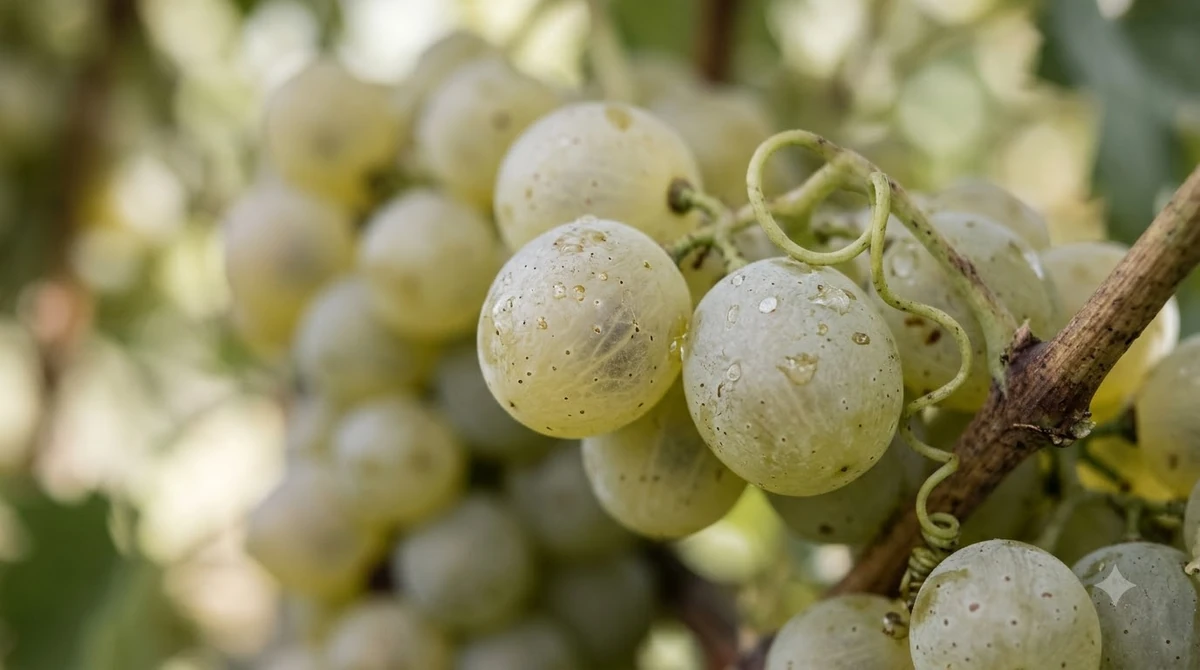
On Santorini, the grape grows in challenging conditions, including strong winds, limited rainfall, and volcanic soils containing pumice. Traditional basket-shaped vine training, known as kouloura, protects the grapes from the island’s intense sunshine and wind. These growing conditions help explain the distinctive character associated with the island’s wines. Wine Enthusiast describes Santorini Assyrtiko through its combination of bracing acidity, bright citrus, and mineral character. Its overview of Assyrtiko wines provides additional background on the grape and its Greek origins.
In the glass, expect flavors such as lemon, lime, grapefruit, green apple, white peach, and sometimes a slightly smoky or salty finish. Floral aromas and subtle herbal notes can also appear. The wine is generally dry, with enough body to complement substantial dishes without losing the freshness needed for seafood.
Not every bottle tastes identical. Santorini Assyrtiko tends to be more mineral-driven and structured, while wines from regions such as Drama and Crete can have more pronounced peach, tropical fruit, and herbal characteristics. Oak fermentation or maturation can add toast, spice, and additional texture. Lees aging can also create a broader, creamier mouthfeel.
These differences matter because a lean, stainless-steel Assyrtiko is particularly effective with raw shellfish and simply prepared fish, whereas a richer, oak-influenced bottle can stand beside roast chicken, seafood with cream sauce, or more substantial Mediterranean dishes.
For readers exploring the characteristics of different grapes, the Wine by Type collection provides additional context for understanding how acidity, body, and tannin influence food choices.
Seafood and Shellfish Are the Best Assyrtiko Pairings
Grilled fish, oysters, shrimp, mussels, and octopus are among the strongest matches for Assyrtiko because the wine’s acidity refreshes the palate while its mineral character complements seafood’s natural salinity. Both raw and cooked preparations work particularly well, especially when lemon, olive oil, or fresh herbs are involved.

Start with grilled sea bass, branzino, or snapper dressed with lemon juice, olive oil, salt, and oregano. These preparations allow the fish to remain the centerpiece while the wine adds freshness and a citrus-driven contrast. The slight char from grilling also works with the smoky, stony character often found in Santorini bottlings.
Oysters are another excellent choice. Their briny flavor naturally complements Assyrtiko’s saline impressions, while the wine’s acidity keeps each bite refreshing. Serve oysters simply, with a small squeeze of lemon rather than a heavy sauce. Sushi and sashimi also work well, particularly with white fish, sea bass, scallops, and other delicate seafood.
Cooked shellfish provides even more opportunities. Shrimp grilled with garlic and parsley, steamed mussels with lemon and herbs, and scallops with a light citrus dressing all complement the wine’s structure. For richer preparations, choose a fuller-bodied Assyrtiko that can match the additional texture.
Grilled octopus is a particularly satisfying Greek-inspired combination. Its firm texture, savory flavor, and lightly charred exterior suit the wine’s acidity and mineral finish. Add olive oil, lemon, oregano, and a little black pepper. The result is a dish in which the wine and food share several complementary flavors.
Fried seafood deserves special attention. Fried calamari, battered shrimp, and lightly fried white fish all benefit from Assyrtiko’s refreshing acidity. The wine helps balance the richness of the cooking oil without overwhelming the seafood. A crisp Santorini bottling is especially suitable for these dishes.
For the most straightforward seafood pairing, use a simple preparation rather than adding multiple competing sauces. Lemon, parsley, dill, garlic, and olive oil provide enough flavor to connect the wine and the food.
Greek Meze, Salads, and Mediterranean Flavors
Assyrtiko is naturally suited to Greek meze because many traditional small plates combine salty cheese, olive oil, citrus, vegetables, and seafood. Feta, olives, grilled zucchini, tomato dishes, and seafood spreads offer contrasting textures without overwhelming the wine’s freshness.
Greek village salad is a practical starting point. Tomatoes, cucumbers, red onion, olives, oregano, and feta provide a mixture of acidity, salt, and freshness. The wine’s crisp structure works especially well with the olive oil and salty cheese. Because tomatoes and vinegar can make a wine taste less fresh, choose a lively Assyrtiko with enough acidity to keep the pairing balanced.
Feta is another natural partner. Its salty, tangy character contrasts with the wine’s citrus fruit and mineral finish. Serve feta with tomatoes, cucumbers, olives, and a drizzle of olive oil. A slightly fuller Assyrtiko can also accompany baked feta with oregano and lemon.
Other useful meze combinations include:
- Tzatziki: Cucumber, yogurt, garlic, and dill create a cool, tangy combination for a crisp, dry Assyrtiko.
- Dolmades: Rice-filled grape leaves with lemon and herbs complement the wine’s citrus character.
- Fried zucchini: The wine’s acidity refreshes the palate after each crisp, oil-rich bite.
- Grilled eggplant: Garlic, olive oil, parsley, and smoky vegetable flavors work with a more structured Santorini bottling.
- Taramosalata: This savory fish roe spread benefits from the wine’s acidity and refreshing finish.
- Tomato fritters: The combination of sweet tomatoes, herbs, and fried texture works particularly well with youthful Assyrtiko.
Greek dips and vegetable dishes can vary considerably in richness. A light cucumber-based dip needs a fresher, more restrained wine, while roasted eggplant with generous olive oil can accommodate a fuller style. The general principle is to match the weight of the dish with the weight of the wine.
Assyrtiko also works beyond Greek cuisine. Mediterranean dishes featuring preserved lemon, capers, parsley, olives, and grilled vegetables offer similar flavor connections. Italian grilled vegetables, Spanish seafood tapas, and Middle Eastern mezze can all make satisfying companions.
For more ideas on combining Greek dishes with regional wines, see Wine Enthusiast’s guide to Greek food and wine pairing. Its recommendations provide useful inspiration for matching traditional ingredients and cooking methods with Greek wines.
When serving several small plates, avoid relying on one particularly sweet or heavily spiced dish to define the entire meal. Assyrtiko is most comfortable with savory, fresh, and moderately rich flavors.
Cheese, Fried Foods, and Rich Sauces
Assyrtiko’s acidity makes it useful with salty and fatty foods, particularly feta, goat cheese, fried appetizers, and seafood with buttery sauces. The best combinations balance the wine’s crispness against the dish’s richness without introducing excessive sweetness or heavy seasoning.
Fresh goat cheese is an especially good choice. Its tangy flavor and creamy texture complement Assyrtiko’s lemon and mineral characteristics. Try a simple goat cheese salad with cucumber, fresh herbs, and olive oil. A more concentrated Santorini example can also accompany a baked goat cheese appetizer.
Feta remains one of the most reliable cheese choices. Its saltiness helps soften the impression of acidity, while its creamy texture provides contrast. Other salty Mediterranean cheeses can work too, particularly when served with olives, roasted peppers, and bread.
Harder, aged cheeses require a little more consideration. An aged sheep’s milk cheese such as graviera can work with a fuller Assyrtiko, especially one with lees aging or oak influence. A very delicate, young stainless-steel wine may seem too light beside an intensely nutty or strongly aged cheese.
Fried foods are another strong category. Consider these combinations:
- Fried calamari: The acidity balances the crisp coating and oily texture.
- Fried zucchini: Fresh citrus and mineral notes complement the mild vegetable flavor.
- Grilled halloumi: Salt and firm texture contrast with the wine’s freshness.
- Fried white fish: A squeeze of lemon reinforces the wine’s citrus character.
- Potato croquettes: A richer Assyrtiko can complement the creamy interior and crisp exterior.
Rich sauces can work as long as the wine has enough body. Seafood in a light butter sauce, scallops with a creamy lemon dressing, and shrimp with garlic butter are suitable examples. Choose a fuller Assyrtiko rather than the leanest, most austere bottle for these preparations.
Tip: Match the richness of the sauce to the body of the wine. Choose a crisp, stainless-steel Assyrtiko for lemon-dressed fish and a fuller, lees-aged or oak-influenced example for seafood in butter or cream sauce.
There is also an important distinction between salt and sweetness. Salty foods often make acidic wines feel more approachable, but sweet sauces can make a dry white seem sharper and less balanced. If a dish contains a sweet glaze, use a restrained amount and retain some acidity through lemon or other citrus ingredients.
Chicken, Pork, and Other Main Courses
Assyrtiko can accompany poultry and lighter meats when the preparation includes citrus, herbs, garlic, or moderate richness. Lemon-roasted chicken, grilled pork souvlaki, and herb-seasoned turkey are particularly suitable because their savory flavors complement the wine without overpowering it.
Lemon chicken is one of the easiest meat pairings. Roast chicken with olive oil, garlic, oregano, rosemary, and lemon creates a flavorful dish with enough acidity to connect naturally with the wine. A medium-bodied Assyrtiko can handle both the browned skin and the juicy meat.
Grilled chicken skewers are another dependable option. Marinate the meat in olive oil, lemon juice, garlic, and oregano before grilling. Serve with cucumber salad, pita bread, and tzatziki. A fresh Santorini bottling works well with this combination, particularly when the chicken is not heavily charred.
Pork is also worth considering. Pork souvlaki with lemon and herbs is a particularly good match, while grilled pork tenderloin can work with a fuller mainland Assyrtiko. The wine’s acidity refreshes the palate, and its body gives it enough presence to accompany the meat.
For richer pork preparations, consider the seasoning carefully. A roast with rosemary, garlic, and lemon is more suitable than one covered in a sweet barbecue glaze. Assyrtiko’s dry, citrus-focused profile generally favors savory herbs over pronounced sweetness.
Turkey and other white meats can also work. Roasted turkey breast with lemon, thyme, and a moderate amount of butter is a useful choice, particularly for a meal where a white wine needs to accompany several side dishes. Avoid excessively sweet cranberry-style sauces if the wine is bone-dry.
Vegetarian main courses offer additional possibilities. Grilled cauliflower with tahini, roasted squash with herbs, vegetable moussaka, and chickpeas with lemon and parsley can all suit Assyrtiko. The key is to retain freshness and avoid making the dish excessively sweet or heavy.
For readers who also enjoy red wines with Mediterranean food, comparing the structure of Assyrtiko with grenache blanc food pairing can help illustrate how different white grapes approach richer sauces, herbs, and roasted vegetables. For a contrasting red-wine option, blaufrankisch food pairing offers a useful comparison for meat-centered meals.
Choosing the Right Assyrtiko Style and Serving Temperature
The best Assyrtiko for a particular meal depends on its origin and winemaking style. Stainless-steel Santorini bottlings are excellent with seafood and lemon-based dishes, while richer mainland and oak-influenced wines can accompany roasted meats, creamy sauces, and substantial vegetarian food.
Consider three broad styles when selecting a bottle:
- Classic Santorini Assyrtiko: Dry, high in acidity, and often marked by lemon, saline impressions, and smoky minerality. Choose it for oysters, grilled sea bass, octopus, and Greek meze.
- Mainland Greek Assyrtiko: Often more fruit-forward, with peach, apricot, and herbal characteristics. Serve it with chicken, grilled vegetables, seafood pasta, and moderately seasoned pork.
- Oak-aged or lees-aged Assyrtiko: Generally richer in texture, sometimes with creamy, nutty, or toasted notes. Choose it for scallops in butter sauce, roast poultry, richer seafood, and aged cheeses.
Origin alone does not determine style. Winemaking choices, vineyard conditions, ripeness, and aging all influence the final wine. A mainland wine can still have substantial acidity, and a Santorini wine with extended lees aging may have considerable weight. Use the overall structure and texture as your guide rather than assuming that every bottle from one region tastes identical.
Serving temperature also affects the experience. A practical target for Assyrtiko is 45-50 F, particularly for a fresh, unoaked bottling. This temperature preserves the refreshing citrus character while allowing the wine’s mineral and floral details to remain noticeable.
| Assyrtiko style or serving detail | Typical characteristics | Best food matches |
|---|---|---|
| Classic Santorini | High acidity, citrus, saline minerality | Oysters, grilled fish, octopus |
| Mainland Greek | Ripe peach, apricot, herbal notes | Chicken, vegetables, seafood pasta |
| Oak-aged | Fuller texture, toast, spice | Roast poultry, scallops, richer sauces |
| Lees-aged | Creamier texture, added weight | Grilled shellfish, aged cheese, pork |
| Fresh serving | 45-50 F | Raw seafood and lighter appetizers |
For a specific example, Santo Wines identifies its Santorini Assyrtiko as a dry wine made entirely from Assyrtiko. Its published technical information gives an alcohol level of 13.4% and total acidity of 6.5 grams per liter. These figures illustrate how a wine can have substantial body and alcohol while maintaining pronounced freshness.
Once opened, keep the bottle refrigerated and reseal it between servings. A still white wine generally retains its best qualities for approximately three to five days under refrigeration, although freshness can decline sooner. If the wine becomes noticeably flat or loses its aromatic definition, it is less suitable for delicate seafood pairings.
Those interested in exploring another Greek or Mediterranean-inspired white wine can also compare Assyrtiko with other grapes through the site’s wine-type resources. The goal is to understand the relationship between acidity, body, and food rather than treating all dry whites as interchangeable.
Building a Complete Meal Around Assyrtiko
A successful Assyrtiko dinner can move from fresh seafood and salty appetizers to grilled fish, poultry, and Mediterranean vegetables. The wine’s acidity makes it flexible across several courses, provided the dishes remain predominantly savory and do not become dramatically sweeter or heavier as the meal progresses.
For a simple opening course, serve oysters or a Greek salad with feta, cucumber, tomatoes, and olives. Both preparations introduce the salty and fresh flavors that complement the wine. A small plate of grilled zucchini or tzatziki can provide an additional vegetable option.
For the main course, prepare whole grilled sea bass with lemon, garlic, olive oil, and oregano. Add roasted potatoes and a side of greens dressed with olive oil. This combination is particularly suitable for classic Santorini Assyrtiko because the fish, herbs, and citrus reinforce the wine’s natural character.
If seafood is not on the menu, substitute lemon-roasted chicken or pork souvlaki. Keep the marinade savory, using garlic, oregano, thyme, and lemon rather than a sweet glaze. A fuller mainland Assyrtiko can provide enough weight for these dishes while preserving the refreshing finish expected from the grape.
For a vegetarian meal, build the menu around roasted eggplant, chickpeas, grilled zucchini, feta, and lemon. A richer Assyrtiko can accompany the roasted vegetables, while a crisp, unoaked example is especially good with cucumber, tomato, and fresh herbs.
Consider the progression of flavors when serving several courses. Begin with the most delicate preparations, such as oysters or lightly dressed salads, before moving to grilled fish and richer dishes. This keeps the wine from being overwhelmed early in the meal.
Assyrtiko can also be served alongside foods from outside Greece. Japanese sushi, Spanish grilled prawns, Italian seafood risotto, and Middle Eastern grilled vegetables all share ingredients or cooking methods that suit the grape. The common elements are freshness, moderate richness, herbs, citrus, and savory flavors.
When a meal includes several dishes, choose the bottle according to the main course rather than trying to find one wine that perfectly matches every ingredient. A structured Santorini Assyrtiko is a strong all-around choice for a seafood-centered table, while a fruitier or fuller example can accommodate more varied food.
Frequently Asked Questions
These answers address practical details about Assyrtiko, including its Greek origins, pronunciation, alternative wine styles, and food combinations beyond the usual seafood recommendations.
How do you pronounce Assyrtiko?
Assyrtiko is commonly pronounced ah-SEER-tee-ko, with the emphasis on the second syllable. Its Greek spelling is Ασύρτικο. The name refers to the grape variety rather than a single wine producer or appellation.
Can Assyrtiko be aged for several years?
Yes. Some structured Santorini Assyrtiko wines can develop additional complexity over several years in the bottle. With age, fresh citrus can give way to preserved lemon, waxy textures, dried herbs, and more developed savory aromas. The aging potential depends on the wine’s concentration, acidity, winemaking, and storage conditions.
Is Assyrtiko always made as a single-variety wine?
No. Although many well-known examples are made entirely from Assyrtiko, some Greek wines blend it with indigenous varieties such as Athiri and Aidani. These grapes can contribute additional aromatic character and influence the wine’s overall texture. The exact blend depends on the wine and its appellation requirements.
Can Assyrtiko be used for sweet wine and dessert pairings?
Yes. Santorini is also known for Vinsanto, a traditional sweet wine that can include Assyrtiko made from sun-dried grapes. Its concentrated sweetness and developed fruit character make it suitable for almond pastries, dried figs, honey-based desserts, and blue cheese. This is a different style from the familiar dry Assyrtiko served with seafood.
Does Assyrtiko grow outside Greece?
Yes. Assyrtiko has been planted in Australia, including the Clare Valley, where it has developed into an alternative expression of the Greek variety. Jim Barry Wines produced Australia’s first commercial bottling of Assyrtiko in 2016. The grape’s ability to retain acidity in warm climates is one reason it has attracted interest from growers beyond Greece.
Assyrtiko is one of the most versatile Greek white wines for seafood, Mediterranean vegetables, salty cheeses, and citrus-seasoned poultry. Start with grilled fish or oysters for the classic combination, then explore fuller mainland and oak-influenced styles with richer dishes. Its distinctive acidity and mineral character make it a particularly rewarding choice for meals built around fresh ingredients and savory flavors.
More in Wine Types & Grapes
 What Is Aglianico? A Guide to Italy’s Bold Southern Red WineUpdated Nov 21, 2026
 What Is Alicante Bouschet: The Rare Red-Fleshed Grape Behind Bold RedsUpdated Nov 21, 2026
 What Glass for Sparkling Wine Brings Out the Best Bubbles and AromaUpdated Nov 21, 2026
 What Glass for Sangria Works Best for Easy, Chilled ServingUpdated Nov 21, 2026
 What Does Vin Santo Taste Like? Flavor Profile, Styles, and Pairing GuideUpdated Nov 21, 2026
 What Glass for Sake Works Best to Unlock Every AromaUpdated Nov 21, 2026