

We may earn a commission when you buy through links on this page, at no extra cost to you. Learn more.
Assyrtiko wine is a dry white from Santorini, Greece, known for high acidity, lime and saline flavors, and a mineral edge that makes it one of the most food-friendly whites in the Mediterranean. It is bone-dry and light-bodied with no tannins, and it ages better than most white wines. If you are new to it, think of a crisp, bright white with a stony finish rather than a soft, fruity one.
Assyrtiko is one of the grapes that has put Greek wine on the international map over the past few decades. Shoppers see it on wine lists in seaside restaurants and on shelves next to Sauvignon Blanc and Albariño. This guide explains what an assyrtiko wine tastes like, where it comes from, how to serve it, and what to eat with it.
What Assyrtiko Wine Is
Assyrtiko is a white grape native to Santorini, the volcanic island in the Aegean Sea. The grape is rare by planted area, but it is spreading across other parts of Greece. Wine Folly describes the grape as being known mainly for its acidity, texture, and minerality, and those three traits show up in almost every bottle.
The wine is usually made dry. Wine Folly notes that the grape is valued for how it holds its structure, so winemakers are careful not to strip the acidity during fermentation or to let the fruit overwhelm the minerality. Winemakers pick the grapes with enough acid to keep the wine fresh for years, and most bottles are made without oak, so the fruit and the soil stay in the foreground.
Flavor and Style
The typical assyrtiko wine opens with citrus, especially lime, along with passion fruit. Many bottles carry a waxy note of beeswax, a smoky or flinty edge, and a saline finish that people often compare to sea spray. The body is light to medium, and the wine feels crisp rather than rich.
Alcohol usually sits between 13.5 and 15 percent ABV, which is typical for a dry white. Because the acidity is high, the wine tastes lively even when it is served cold on a hot day, and it tends to leave the mouth clean after each sip.
Where Assyrtiko Grows
Santorini is the grape’s home, and the island’s dry, windy climate and volcanic soils shape the wine. The vines are kept low to the ground, and the grapes ripen slowly, which helps them keep their acidity. Those conditions are hard to copy, so the island’s wines are often treated as the benchmark for the variety.
Outside Santorini, assyrtiko is planted in several other parts of Greece, including the mainland and northern regions. Wines from those places can be softer and fruitier than the island versions, so it helps to check the producer and the origin on the label before you buy.
How to Serve Assyrtiko Wine
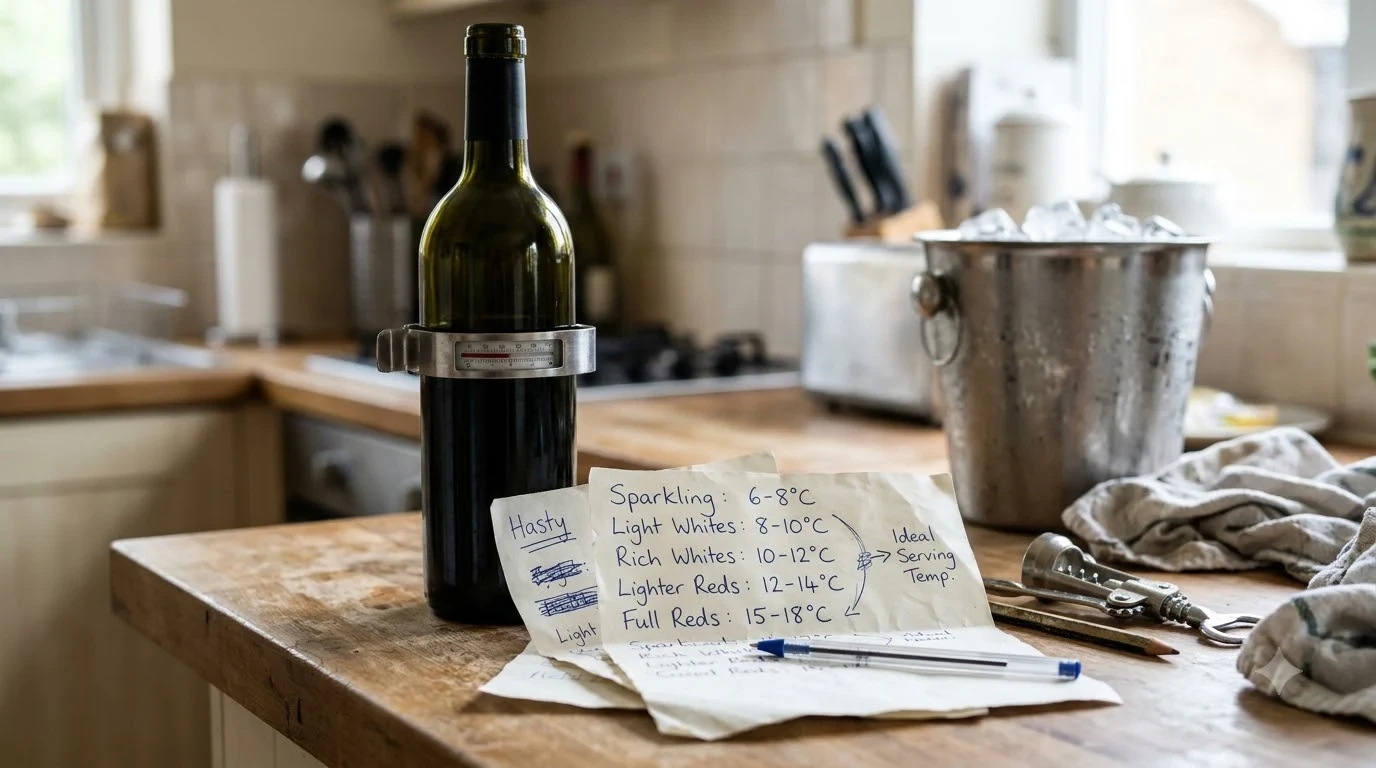
Serve assyrtiko cold, but not icy. Wine Folly recommends 38 to 45 degrees Fahrenheit, which is about 3 to 7 degrees Celsius. A standard white wine glass is enough, and the wine does not need decanting. Keeping the bottle in the refrigerator for about two hours before serving is a practical way to reach that range.
Because the wine is so bright, a fridge that is too cold can mute the aromas. If the bottle sits out for a while, the flavors open up and the lime and mineral notes become easier to pick out.
| Aspect | Typical assyrtiko wine |
|---|---|
| Body | Light to medium |
| Tannins | None |
| Acidity | High |
| Main flavors | Lime, passion fruit, beeswax, flint, saline |
| Alcohol | About 13.5 to 15 percent ABV |
| Serving temperature | 38 to 45 degrees Fahrenheit |
| Cellaring | Often 5 to 10 years for good bottles |
Food Pairing
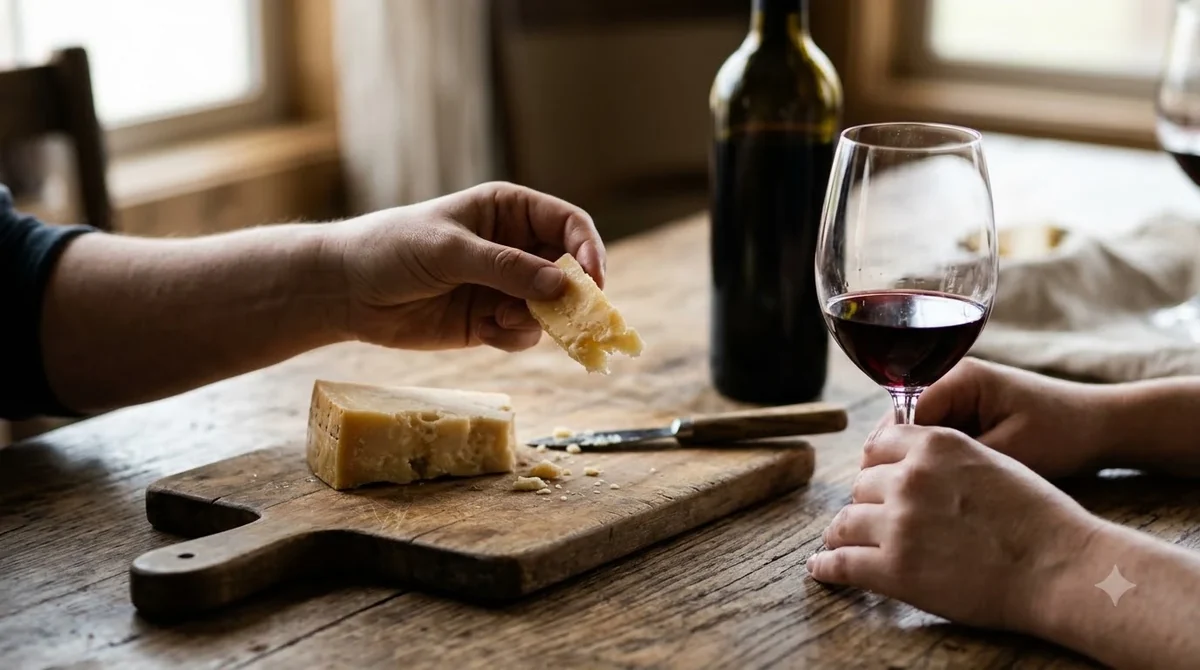
Food matters more with a wine this sharp, because a good match makes the acidity feel balanced instead of harsh. Pair it with dishes that have their own salt, lemon, or oil, and the wine will act like a squeeze of citrus over the plate.
Assyrtiko is at its best with seafood. Shellfish such as mussels, clams, and grilled shrimp match the wine’s salt and citrus, and so does a fresh Greek tomato and feta salad. The acidity cuts through fried or lightly oiled dishes, which is why many Greek restaurants pour it with fried calamari.
The wine also works with white fish, lemon-herb chicken, and vegetables such as zucchini or asparagus. Because it is dry and not heavy, it rarely overpowers a dish. Avoid pairing it with big, tannic red meats, since the lack of tannin leaves the wine feeling thin next to them.
Tip: If you want to understand the grape before you buy a bottle, try a wine made on Santorini first. Then compare a mainland version to see how much the origin changes the style.
How to Choose a Bottle

Start with the origin. A bottle labeled Santorini will usually show the most intensity and minerality, while a mainland bottle can be easier to drink with a simple dinner. Check the vintage too, since the wine is built to age, and a recent bottle will taste bright while an older one will show more honey and nutty notes.
Because assyrtiko can be expensive in its home market, many shoppers look for a mainland version as an entry point. Read the producer’s notes and look for words like dry, mineral, or crisp, which tend to describe the classic style.
Storage matters as well. Keep the bottle away from heat and light, and store it on its side if you plan to keep it for several years with a cork closure. Once opened, a white with this much acidity will hold its character for a day or two in the refrigerator, which makes it a practical choice for a relaxed dinner rather than a single special occasion.
Many people also ask whether assyrtiko is a good match for a casual evening. It is. The wine is refreshing on its own, does not need a long pour to be enjoyed, and pairs with simple snacks like olives, feta, and grilled vegetables. For a dinner party, it is a safe white to serve with a range of starters, especially when the menu leans toward the sea.
Frequently Asked Questions
Is assyrtiko wine sweet or dry?
Assyrtiko is almost always made dry. The sensation of sweetness comes from ripe fruit and is usually absent. What you taste is citrus, salt, and a stony edge.
What does assyrtiko taste like?
Expect lime and passion fruit, a waxy beeswax note, and a flinty or saline finish. The acidity is high, so the wine tastes crisp and clean.
Can you age assyrtiko wine?
Yes. Wine Folly suggests cellaring for around 5 to 10 years. Over time the wine gains honey and nutty notes while keeping its acidity.
Is assyrtiko a good wine for beginners?
It can be. The style is dry and clean, and the flavors are direct. If you already like Sauvignon Blanc or Pinot Grigio, assyrtiko is a natural next step to try.
Assyrtiko is a white wine that rewards curiosity. The grape is also a good example of how a single variety can change with its place, from the dry, mineral wines of Santorini to the rounder bottles made on the mainland, and that variety is part of its appeal. Start with a bottle from Santorini if you can find one, serve it cold with seafood, and compare it with other whites from the same shelf. The Wine Folly grape guide on assyrtiko covers the flavor and serving details in more depth. For more on how grape and style choices change a glass, see Wine by Type, or read about the difference between moscato wine and dry whites like this one.
More in Wine Types & Grapes
 Zinfandel Sugar Content: Dry Red vs. White Zinfandel GramsUpdated Nov 21, 2026
 Best Zinfandel Substitute Options for Sipping and CookingUpdated Nov 21, 2026
 Zweigelt Food Pairing: Best Dishes, Cheeses, and Serving TipsUpdated Nov 21, 2026
 Zinfandel Tannins Explained: How Structure Shapes Every BottleUpdated Nov 21, 2026
 Zinfandel Sweetness Level: Dry Red vs. Sweet White Zin ExplainedUpdated Nov 21, 2026
 Xinomavro Food Pairing: Best Dishes, Styles, and Serving TipsUpdated Nov 21, 2026