

We may earn a commission when you buy through links on this page, at no extra cost to you. Learn more.
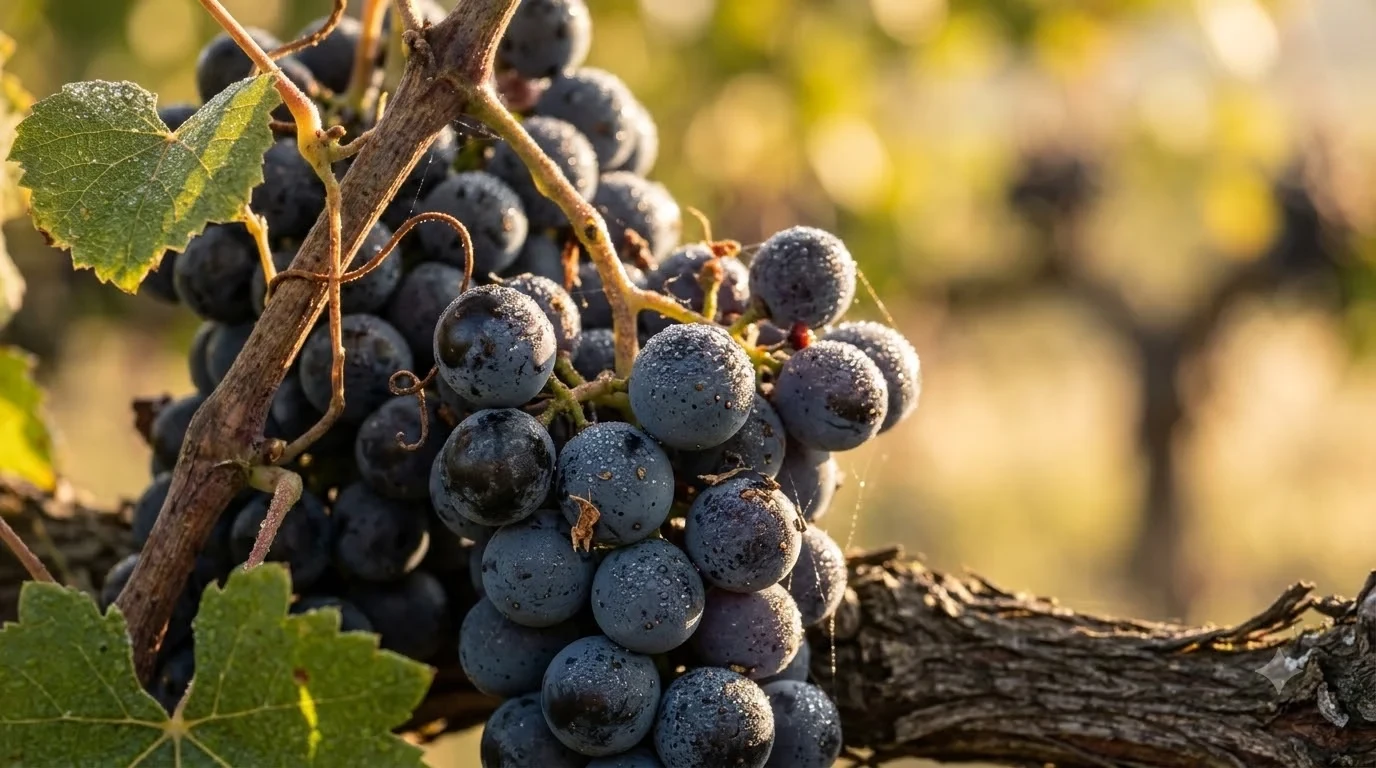
Greece wine has one of the oldest winemaking traditions in the world, with grapes grown on the mainland and across many islands. The best-known styles are dry white wines from Assyrtiko on Santorini, reds from Agiorgitiko in Nemea and Xinomavro in Macedonia, and the resinated white called retsina. Greece has roughly 200 grape varieties, so most bottles are made from grapes few drinkers outside the country have tried.
Many wine shoppers meet Greek wine only as a restaurant house white or a bottle of retsina, which makes it easy to miss how varied the country is. This guide explains the history behind the wines, the main regions, the grapes that matter most, and how to serve and pair them at home.
What Greek Wine Is
Greece is often described as one of the oldest wine-producing regions on earth. Evidence of winemaking goes back roughly 6,500 years, and Greek wine was prized in Roman Italy. Medieval wines from Crete and Monemvasia were sold at high prices in northern Europe, which shows how far the trade once reached.
Modern Greek wine rests on a classification system. Wines fall into Protected Designation of Origin (PDO) and Protected Geographical Indication (PGI) categories, plus basic table wine. A Wine Institute was set up in 1937, and appellation laws followed in the early 1970s. That legal framework explains why the label of a Greek bottle tells you more than the color alone, since the region and the grape are often printed clearly on the front.
Greece also has a more complicated reputation than many countries. Retsina became the national drink in the 1960s, and for many years it defined Greek wine abroad. Retsina is flavored with pine resin, and it is still made today, but the country’s wine scene has moved far beyond it, with many producers now focused on dry, site-driven wines.
Main Wine Regions
Greek vineyards are spread across the mainland and the islands, and each area brings a different climate and grape mix. The Aegean islands, including Santorini, Samos and Rhodes, produce bright whites in a dry, windy setting. Crete has its own traditions, while the north has cooler mountain sites where red varieties can ripen slowly.
Some names worth knowing are listed in the table below. Many of these appellations are small, so a single bottle can tell you a lot about its village or island.
The Ionian islands, including Kefalonia, Corfu and Zakynthos, sit on the western side of the country and have their own local varieties and wine traditions. Epirus, in the northwest, and Thessaly, with appellations such as Rapsani, add mountain-influenced wines to the mix. Because the country is so long and so mountainous, the same grape can taste quite different from one zone to the next, which is part of what makes Greek wine interesting to explore.
| Area | Notable places | Typical grapes |
|---|---|---|
| Aegean Islands | Santorini, Samos, Rhodes, Paros | Assyrtiko |
| Crete | Archanes, Sitia, Peza | Liatiko |
| Macedonia | Naoussa, Goumenissa, Amyntaio | Xinomavro |
| Peloponnese | Nemea, Mantineia, Patras | Agiorgitiko, Moschofilero |
| Attica | Attica, Atalanti | Savatiano |
Key Grapes and Styles
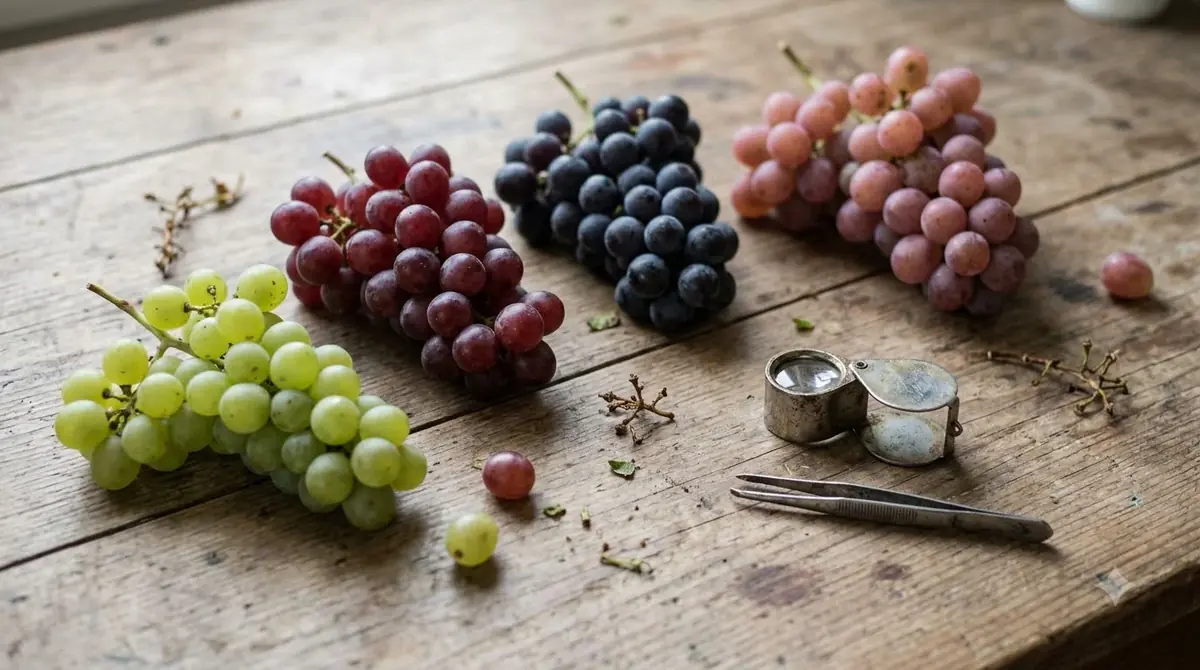
A handful of grapes carry most of the story. On the red side, Agiorgitiko grown mainly in Nemea makes soft, fruity wines that can age for several years. Xinomavro, the main variety of Macedonia centered on Naoussa, is tannic and age-worthy, and it is often compared to Nebbiolo from Italy because of its acidity and structure.
White wine is led by Assyrtiko from Santorini, which keeps its acidity as it ripens and is often compared to Riesling. Moschofilero from Mantineia gives crisp, floral wines in still and sparkling styles, and Savatiano is the dominant white in Attica and the base for retsina. Sweet and fortified wines are also part of the picture, including Mavrodaphne, made in a solera style.
A good starting point is Assyrtiko, which tends to be bone-dry and light-bodied with no tannin. According to Wine Folly’s Assyrtiko profile, the wine shows lime, passion fruit, beeswax and flint, with saline notes from the coastal vineyards. Alcohol usually falls between 13.5 and 15 percent, and the best bottles can be cellared for five to ten years.
How to Serve Greek Wine
Serving temperature matters with Greek whites. Assyrtiko is best poured at about 38 to 45 degrees Fahrenheit, cold enough to keep the wine lively but not so cold that the aromas disappear. A standard white wine glass works well, and there is no need to decant a young Assyrtiko.
Reds from Xinomavro and Agiorgitiko do better with a little more warmth. Let them sit out for a short time before pouring, and consider decanting a structured Xinomavro if it is still young, since that helps soften the tannins. Retsina is traditionally served chilled and is often enjoyed with food rather than on its own.
In a Greek taverna, the wine list often leans toward house bottles from local producers, and the staff can usually suggest a pairing for the meal. Ordering a dry white with a seafood starter and a red with the main course is a simple way to taste the range without planning ahead. Carafe wine is also common in the country, and it tends to be fresh and easy to drink with food.
If you want to see how other European regions handle similar wines, the Italian wine guide covers several family-run regions with long winemaking histories, and it makes a useful comparison with Greek reds.
Food Pairing
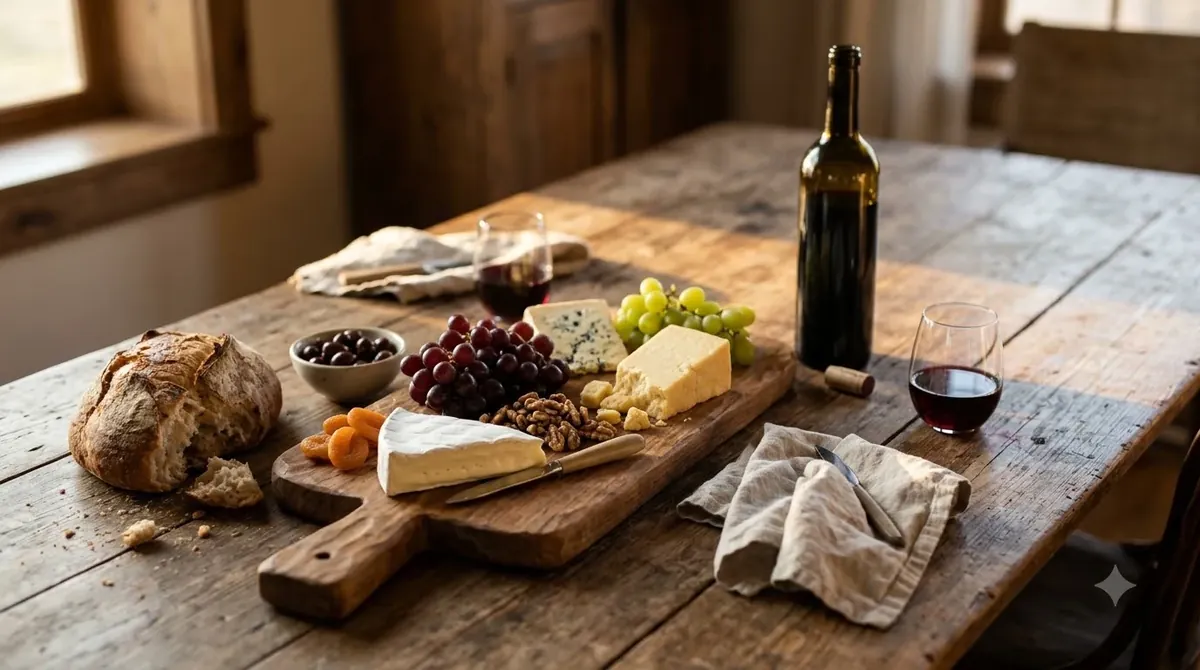
Greek food and Greek wine were made for each other. Assyrtiko is a natural partner for shellfish, grilled octopus, and the classic tomato and feta salad, because the wine’s acidity and salinity match fresh and briny flavors. Crisp whites from Moschofilero suit lighter seafood, salads and fresh herbs.
Red wines from Agiorgitiko go well with grilled lamb, roasted meats and tomato-based dishes. Xinomavro pairs with richer meals, such as baked dishes with tomato and cheese, because its tannins and acidity can stand up to heavier sauces. Retsina is often matched with fried foods, grilled meats and strongly flavored Mediterranean dishes, where its resinous character feels at home.
How to Choose a Bottle
When you shop for Greek wine, start by reading the label for the appellation or region. A PDO label tells you the wine comes from a defined area and follows the local rules, while a PGI label gives producers more flexibility in grape and method. The name of the grape is often printed on the front, so you can choose by variety as well as by place.
New drinkers can start with a dry Assyrtiko or a light Agiorgitiko and see how the flavors differ. More adventurous buyers can try a Xinomavro from Naoussa, which tends to show more structure, or a retsina if they want to taste the traditional style. Because Greek producers often make small quantities, a good bottle from a local shop or a specialist importer can be more rewarding than a mass-market label.
Frequently Asked Questions
Is Greek wine mostly white or red?
Both are important. Dry white wines from grapes such as Assyrtiko and Moschofilero are very common, and red wines from Agiorgitiko and Xinomavro are widely made too. The balance varies by island and region.
What is retsina?
Retsina is a Greek wine flavored with pine resin. It has a distinctive aroma that some drinkers love and others find strong. It is traditionally made from Savatiano, and it is often served chilled with food.
Which Greek grape should a beginner try first?
Assyrtiko is a good first choice for white wine drinkers because it is dry, crisp and easy to pair with food. For reds, Agiorgitiko is soft and fruity, which makes it more approachable than the firmer Xinomavro.
Can Greek wine be aged?
Some Greek wines age well. Assyrtiko can be cellared for several years, and structured reds such as Xinomavro can develop more complexity with time. Many everyday wines, however, are best enjoyed young.
Greek wine rewards curiosity. Start with one dry white and one red, serve them at the right temperature, and pair them with simple seafood or grilled dishes. For a wider view of how regions compare, the wine regions guide is a good next step.
More in Wine Regions
 Willcox Wine Trail: Discover Arizona’s High-Elevation Wine CountryUpdated Nov 20, 2026
 Yakima Valley Wine Region: Find the Best Styles to TryUpdated Nov 20, 2026
 Vosne Romanee Wine Tasting: Identify Aromas and Choose Better PairingsUpdated Nov 20, 2026
 Yakima Valley Wine Festival: Find the Best Seasonal Wine EventsUpdated Nov 20, 2026
 Wales Vineyards: Discover Cool-Climate Wines and Where to VisitUpdated Nov 20, 2026
 Yountville Wine Festival: Discover Napa Wines and Local FoodUpdated Nov 20, 2026