

We may earn a commission when you buy through links on this page, at no extra cost to you. Learn more.
The term alvaro palacios wine refers to bottles from the producer’s projects in Priorat, Bierzo, and Rioja, with styles shaped by Garnacha, Mencía, and site-specific blends. The name does not describe one uniform red or one winery: it spans several estates and distinct Spanish appellations. Start with the region on the label, then use the grape, vineyard name, and bottling level to decide which bottle best fits your meal or cellar.
Álvaro Palacios is one of the winemakers associated with the revival of modern Spanish fine wine. His work connects the slate slopes of Catalonia’s Priorat, the mountain valleys of Bierzo in northwest Spain, and the Garnacha-centered vineyards of Rioja Oriental. Those places explain why two bottles carrying the Palacios name can differ in weight, aroma, texture, and aging potential.
Who Álvaro Palacios Is and Why the Portfolio Spans Three Regions
Palacios built his reputation by pursuing old vineyards and distinctive sites rather than making every wine in a single house style. His career links Bordeaux training, the Priorat revival, a family winery in Rioja, and a later project in Bierzo with his nephew Ricardo Pérez.
Born in Alfaro, La Rioja, in 1964, Palacios studied enology in Bordeaux and worked under Jean-Pierre Moueix at Château Pétrus in Pomerol. He arrived in Gratallops in 1989, when Priorat was still a remote and economically challenged wine area. The DO Priorat producer profile places him among the “Priorat 5,” alongside René Barbier, José Luis Pérez, Carles Pastrana, and Daphne Glorian. Their work helped put the appellation back on the international wine map.
Palacios acquired Finca Dofí in 1990 and the L’Ermita vineyard in 1993. The first L’Ermita vintage followed in 1993 and became a defining wine for the region. Rather than return directly to the family business after his time in France, he developed a Priorat estate and later joined the family’s Palacios Remondo operation in Rioja. His nephew Ricardo Pérez became his partner in the Bierzo project, Descendientes de J. Palacios, which began in 1998.
That history matters when reading a wine list. The producer name is a starting point, but the winery name and place are more useful clues. A Priorat bottle such as Finca Dofí, a Bierzo Mencía such as Pétalos, and a Rioja Oriental Garnacha such as Finca La Montesa are not interchangeable expressions. For a broader way to compare producers by origin and style, browse our Wine Brands directory.
Priorat: Garnacha, Llicorella, and the Flagship Wines
Priorat is the most closely associated region in the Palacios story, and its wines often combine ripe red and dark fruit with firm structure and a distinct mineral edge. Look for Garnacha, locally called Garnatxa, supported in some blends by Carignan, known locally as Samsó, and shaped by steep slate-rich sites.
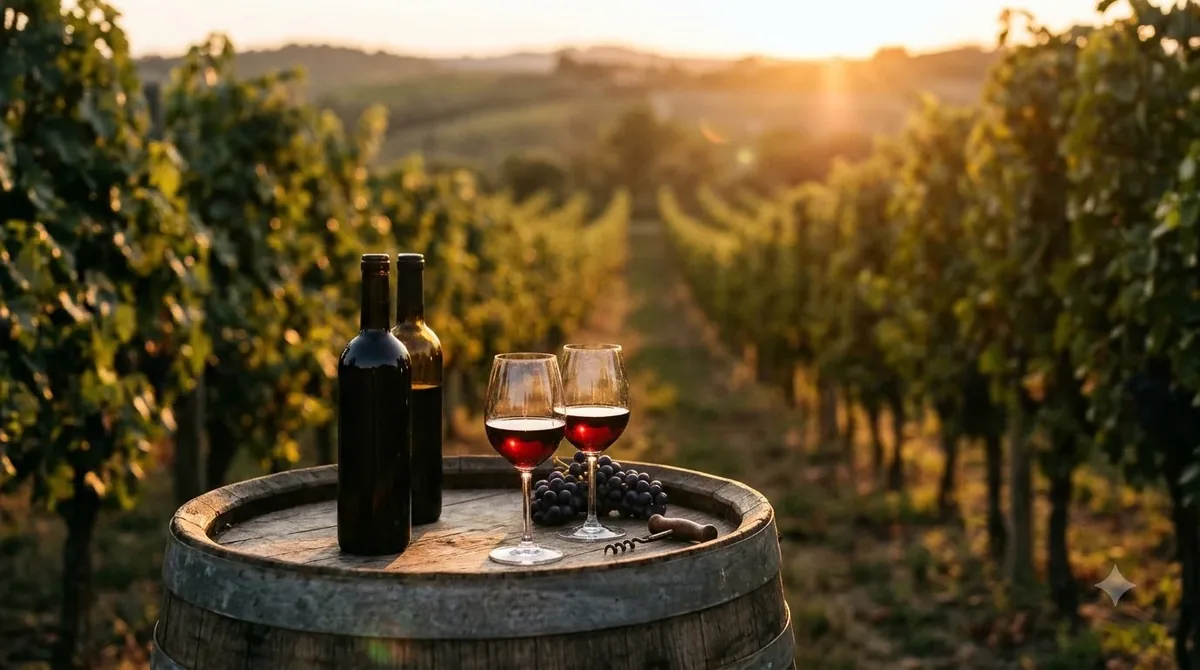
The local slate is called llicorella, and its broken, dark fragments are a visual signature of many Priorat vineyards. Palacios’s L’Ermita plot sits on a steep schist-and-quartz slope around 350 to 430 meters above sea level, according to Decanter’s producer profile. The DO Priorat account describes the vineyard as old Garnacha planted between 1900 and 1940, with a small hermitage at the top of the hill giving the wine its name. Such a site is difficult to farm, and its limited scale helps explain why L’Ermita is treated as a collectible wine rather than an everyday regional red. Other Priorat labels make the range easier to approach. Finca Dofí is a single-estate wine from Gratallops and is a useful way to explore Palacios’s interpretation of Garnacha without beginning at the rarest end of the portfolio. Les Terrasses draws from a broader selection of old-vine sites and is often a practical introduction to the appellation. Camins del Priorat is another regional bottling that can offer a more accessible snapshot of the area, while Gratallops Vi de Vila places the village name at the center of the story.
At the highest level, L’Ermita is not the only site-specific wine to know. La Baixada and Les Aubaguetes are also tightly identified with individual vineyards, while Finca Dofí has its own classified vineyard status. The names on the label can be more useful than a generic expectation of “big Spanish red”: one bottle may emphasize floral Garnacha and freshness, while another leans toward deeper fruit, broader texture, or a more pronounced savory finish.
Bierzo: Mencía and the Descendientes de J. Palacios Range
Bierzo offers a different expression of the Palacios approach: fragrant, structured reds built mainly around Mencía rather than Garnacha. The region’s cooler mountain setting and varied soils can give these wines bright acidity, red-fruit detail, and a more lifted feel than many powerful Priorat bottlings.
Descendientes de J. Palacios was founded in 1998 by Álvaro Palacios and his nephew Ricardo Pérez. The project focuses on Bierzo, in Castilla y León, where old Mencía vineyards are spread across valleys and slopes. Wine Enthusiast reports that Mencía accounts for about 75 percent of the region’s wine grapes and that an estimated 80 percent of its Mencía vines are at least 50 years old. That old-vine heritage is an important part of why the grape can show both concentration and freshness in the same wine.
Mencía is often described through red cherry, raspberry, plum skin, violet, herbs, and a stony or earthy note. In Bierzo, elevation and mountain influence help preserve acidity as grapes ripen. The region includes clay as well as schist-based slopes; clay can retain winter and spring moisture, while slate contributes a mineral impression. Wine Enthusiast’s regional overview describes Bierzo as cooler and higher than hotter parts of north-central Spain, a useful distinction when comparing a Bierzo wine with a broader, riper red from elsewhere. Pétalos is one of the best-known entry points into the Descendientes de J. Palacios range. It offers a regional view of Mencía and is a sensible first bottle for someone who wants to understand the variety before moving to more specific sites. Villa de Corullón adds a village focus, while single-vineyard wines such as La Faraona, Las Lamas, Moncerbal, and Valdafoz show how much character can shift from one slope or parcel to another. These names belong to the Bierzo project, not the Priorat estate.
Rioja Oriental: Garnacha in a Different Register
Rioja adds another side to the portfolio, with a family connection and a strong focus on Garnacha in Rioja Oriental. Here, labels from Palacios Remondo and the separate Álvaro Palacios project sit under the broader Rioja umbrella, so the producer or winery name matters.
Palacios returned to manage and develop the family business, Palacios Remondo, in 1999. The winery is based in Alfaro in Rioja Oriental, the eastern part of Rioja historically called Rioja Baja. A Decanter profile of Palacios and his regional projects describes the return as an important part of restoring Garnacha’s reputation in the area. The name Rioja may lead some shoppers to expect Tempranillo first, but Palacios’s work here gives Garnacha a prominent role. Finca La Montesa is the key Palacios Remondo label to recognize. It is a crianza from Rioja Oriental and is now Garnacha-led; Decanter reports that the first Garnacha-dominant vintage was 2013. The vineyard was initially planted with 50 percent Tempranillo, with Mazuelo, Graciano, and Garnacha among the other varieties. The vineyard is certified organic, and the producer has been shifting some plantings from cordon-trained vines toward bush vines. That combination of a large estate wine and careful vineyard adjustments helps explain why La Montesa is often the most accessible way into the Rioja side of the family’s work.
Quiñón de Valmira is a different proposition. It is a single-vineyard Garnacha from Alfaro in Rioja Oriental and is classified as Viñedo Singular, Rioja’s single-vineyard category. Decanter notes that its blend includes a small proportion of other traditional red varieties alongside Garnacha. The result is a more site-specific expression than Finca La Montesa, and a useful choice for someone curious about the finer detail of Rioja Oriental rather than a broad regional style.
Keep the labels straight: Palacios Remondo makes Finca La Montesa and other family wines, while Álvaro Palacios’s own Rioja project includes Quiñón de Valmira. The family portfolio also includes the Viura-based white Plácet de Valtomelloso. If you are comparing European producers across regions, our profile of Zenato wine offers a useful Italian reference point alongside this Spanish portfolio.
How to Choose a Bottle and Read the Label
The simplest way to choose among these wines is to begin with the appellation, then decide whether you want a regional blend, a village wine, or a single-vineyard bottling. The table below summarizes the practical distinctions without treating the Palacios range as one ladder of quality.
| Region | Labels to recognize | Useful concrete detail | What to expect |
|---|---|---|---|
| Priorat | Camins del Priorat, Les Terrasses, Finca Dofí, L’Ermita | L’Ermita’s vineyard sits around 350–430 meters; its old Garnacha vines were planted between 1900 and 1940 | Garnacha-led reds with slate-driven character and site variation |
| Bierzo | Pétalos, Villa de Corullón, La Faraona | Mencía represents about 75% of Bierzo wine grapes; roughly 80% of the region’s Mencía vines are at least 50 years old | Fragrant reds with red fruit, acidity, and a mountain-region feel |
| Rioja Oriental | Finca La Montesa, Quiñón de Valmira, Plácet de Valtomelloso | Finca La Montesa’s first Garnacha-dominant vintage was 2013; Quiñón de Valmira is a Viñedo Singular | Garnacha with a range from generous crianza to focused single-vineyard wine |
For a first purchase, match the wine to the style you already enjoy. Choose Pétalos if you usually prefer reds with freshness, red-fruit character, and a moderate sense of weight. Choose Les Terrasses or Camins del Priorat if you want to understand the character of Priorat without beginning with an extremely site-specific bottling. Choose Finca La Montesa for a generous Rioja red that makes Garnacha central to the experience.
Move toward Finca Dofí, Villa de Corullón, or Quiñón de Valmira when the vineyard or village detail is part of the appeal. L’Ermita, La Faraona, La Baixada, and Les Aubaguetes are more specialized names that reward a buyer who already knows the producer’s style and wants to explore a particular parcel. These are not simply different labels for the same blend: they point to different regions, grapes, and vineyard origins.
Also pay attention to the estate name. “Descendientes de J. Palacios” signals Bierzo; “Palacios Remondo” signals the family’s Rioja operation; and “Álvaro Palacios” appears on his Priorat wines and his separate Rioja single-vineyard wine. A bottle described only as “Palacios” in a restaurant list is incomplete information. Ask for the full label name and appellation before deciding, especially when comparing wines from different regions.
Serving, Cellaring, and Food Pairings
Serve these reds cool enough to keep their fruit and acidity clear, and match the food to the wine’s weight rather than to the producer’s reputation. Bierzo Mencía often works at a slightly cooler temperature than a more powerful Priorat or Rioja red.
For a lighter or medium-bodied Bierzo Mencía, aim for 55–60°F; serve fuller Priorat and Rioja reds around 60–65°F rather than at a warm room temperature. A standard 750-milliliter bottle yields about five 5-ounce glasses. Young, full-bodied reds can benefit from 30–60 minutes in a decanter, but taste first and use less air for an older bottle. Store unopened bottles on their sides in a cool, stable place near 55°F, away from direct light and temperature swings.
Pair Mencía with grilled lamb, roast pork, chicken with mushrooms, or bean and lentil stews. Garnacha-led Rioja works with roast vegetables, sausages, tomato-based dishes, and grilled meats; Priorat suits braised short ribs, rosemary lamb, charred eggplant, or lentils with smoked paprika. Salt and fat soften tannin, so a well-seasoned cut of meat can feel more harmonious with a structured red than a delicate, unsalted dish. Keep chili heat moderate because alcohol and tannin can intensify the burn, and avoid pairing tannic reds with oily fish such as sardines or mackerel.
Tip: Open a Bierzo Mencía at 55–60°F and a fuller Priorat at 60–65°F, then taste both with the same simple dish such as roast pork or grilled mushrooms. The comparison makes the differences in grape, acidity, and site easier to recognize.
Frequently Asked Questions
These answers clarify details behind labels such as Finca Dofí, La Faraona, and Quiñón de Valmira when browsing a shop or restaurant list.
What does “Dofí” mean in Finca Dofí?
“Dofí” means “dolphin” in Catalan. Decanter reports that the original name Clos Dofí referred to Palacios’s own nickname, and the wine is now known as Finca Dofí. The name is a personal reference rather than a grape or vineyard classification.
Is Bierzo part of Catalonia?
No. Bierzo is in the province of León in the autonomous community of Castilla y León, in northwest Spain. Priorat is in Catalonia, so the two projects are separated by geography as well as by their principal grapes.
How large is the La Faraona vineyard?
La Faraona covers about 0.5 hectare, according to Decanter. It is also described as the highest vineyard on the Descendientes de J. Palacios estate, a detail that helps explain why it is treated as a highly specific site bottling.
When did Rioja introduce Viñedo Singular?
Rioja introduced the Viñedo Singular category with the 2017 vintage. The designation gives qualifying single-vineyard wines a formal place in the region’s classification, and Quiñón de Valmira is one Palacios example.
Who manages the Bierzo winery?
Ricardo Pérez, Palacios’s nephew and business partner, runs Descendientes de J. Palacios. Decanter notes that Pérez has also driven the project’s use of biodynamic practices and work on a village-to-vineyard classification structure.
Alvaro Palacios wine is best understood as a map of three Spanish wine regions rather than a single house style. Start with Pétalos for Bierzo, Les Terrasses or Camins del Priorat for Priorat, or Finca La Montesa for Rioja Oriental, then explore the more specific vineyard bottlings as your preferences become clearer.
More in Wine Brands
 Underwood Wine Price: Compare Bottles, Cans, and Pack SizesUpdated Nov 21, 2026
 Zenato Wine Price: Compare Styles and Choose the Right BottleUpdated Nov 21, 2026
 Zuccardi Wine Price: Compare Bottles and Find the Right RangeUpdated Nov 21, 2026
 Yellow Tail Moscato Review: Taste, Sweetness and Serving TipsUpdated Nov 21, 2026
 Wolf Blass Yellow Label Review: Choose Your Best StyleUpdated Nov 21, 2026
 Wolffer Estate Rose Review: Choose the Right Bottle for Your TableUpdated Nov 21, 2026