

We may earn a commission when you buy through links on this page, at no extra cost to you. Learn more.
The Alexander Valley wine festival experience is best enjoyed during Access Alexander Valley Wine Week, a week-long September celebration of harvest, winery tastings, vineyard activities, and local hospitality in Sonoma County, California. Organized by Alexander Valley Winegrowers, this event connects visitors with local wineries, growers, and winemakers through individually booked experiences rather than a traditional festival with one central venue. The next announced celebration runs September 20–26, 2027, making late September an excellent time to plan a wine country visit.
For wine enthusiasts, a visit to Alexander Valley offers more than an afternoon of tasting Cabernet Sauvignon. The area’s harvest celebrations provide opportunities to explore working vineyards, discover family-owned wineries, enjoy food pairings, and learn how Sonoma County grapes become distinctive wines. Understanding the event format, participating wineries, and local travel options will help you organize a rewarding visit without rushing between appointments.
What to Expect From the Alexander Valley Wine Festival
The Alexander Valley wine festival is better understood as a collection of winery-hosted harvest experiences than as a conventional festival. Access Alexander Valley Wine Week brings together participating wineries and hospitality partners for several days of tastings, vineyard activities, and opportunities to meet the people behind the wines.
Alexander Valley Winegrowers organizes the celebration around the region’s agricultural identity. Rather than bringing every visitor to a single event field, the program encourages guests to visit individual properties and experience the valley through its vineyards, cellars, and tasting rooms. This approach gives visitors more opportunities to speak with winery representatives and understand how different producers work with local grapes.
The distinction matters when planning a trip. A conventional wine festival might provide one ticket, one entrance, and a fixed schedule of tasting stations. Alexander Valley Wine Week operates differently: visitors select experiences from the published itinerary and arrange reservations with the individual wineries offering them. The organizers specifically direct guests to the wineries for bookings rather than handling reservations centrally.
The event also reflects the importance of harvest in Northern Sonoma County. September is a particularly interesting period because wineries are preparing for or actively managing the grape harvest. Visitors may encounter vineyard teams, winemakers, and hospitality staff working during one of the region’s busiest agricultural seasons.
Wine Week is especially appealing to travelers who prefer smaller experiences and personal interaction. A vineyard walk with a grower, a guided tasting, or a conversation about barrel aging can provide a different perspective from simply sampling several wines at a crowded public tasting.
For a broader understanding of the area’s producers, vineyards, and geography, explore the Alexander Valley wine region before deciding which wineries to visit.
When to Attend and What Happens During Harvest Week
Late September is the main period to consider for the Alexander Valley wine festival experience. The next announced Access Alexander Valley Wine Week takes place September 20–26, 2027, with activities distributed across participating wineries and nearby Healdsburg.
Harvest season gives the celebration its character. Depending on the winery and its individual program, visitors may find vineyard walks, grape stomps, cave tastings, blending activities, and special food experiences. These activities provide different ways to understand the work behind a bottle of wine.
The organizers’ published program describes several types of experiences:
- Vineyard walks: Explore vineyard properties and learn about grape growing from winery representatives.
- Tractor tours: See historic vineyard areas from a different perspective while learning about vineyard operations.
- Cave tastings: Discover barrel-aging environments and sample wines in distinctive winery settings.
- Grape stomps: Participate in a traditional harvest-themed activity.
- Blending competitions: Learn how different wine components can be combined to create a finished blend.
- Winemaker gatherings: Meet winery professionals and learn about their approaches to winemaking.
- Food pairings: Explore how local dishes complement wines from the region.
Not every activity is available at every property, and individual experiences can change between annual programs. Visitors should therefore treat the published itinerary as the starting point rather than assume that every winery offers the same activities.
The September dates also provide a useful opportunity to combine organized experiences with independent winery visits. You might spend the morning exploring a vineyard, enjoy a scheduled tasting in the afternoon, and finish with dinner in Healdsburg or Geyserville.
For the most accurate event information, consult the official Access Alexander Valley Wine Week itinerary. It identifies participating wineries, scheduled activities, and hospitality partners.
Tip: Plan around one or two scheduled experiences per day rather than trying to visit every participating winery. Harvest activities may require advance reservations, and allowing extra time between properties makes the trip more enjoyable.
Participating Wineries and Their Signature Experiences
Alexander Valley Wine Week features a selection of established producers and smaller wineries, giving visitors an opportunity to compare different interpretations of Sonoma County wine. The published participating-winery list includes producers such as Alexander Valley Vineyards, Silver Oak, J. Rickards Winery, and Robert Young Estate Winery.

The participating wineries offer different reasons to visit. Some are particularly interesting for Cabernet Sauvignon, while others provide opportunities to explore vineyard history, cellar practices, or distinctive tasting experiences. Checking each property’s program before making reservations helps visitors choose experiences that suit their interests.
Alexander Valley Vineyards
Alexander Valley Vineyards is a useful stop for visitors interested in the relationship between wine production and cellar aging. Its property includes a 48,000-square-foot underground wine cave, with daily complimentary cave tours listed at noon and 2:30 p.m.
The winery also offers an Immersive Cave Tour and Tasting on Saturdays and Sundays at 1 p.m. The 90-minute experience includes five wines and an introduction to the underground cave and the winery’s winemaking process. Another option is a Cabernet Sauvignon-focused tasting featuring four wines, including Estate Cabernet Sauvignon, organically grown Cabernet Sauvignon, Alexander School Reserve Cabernet Sauvignon, and CYRUS.
Silver Oak
Silver Oak is a recognizable name for visitors interested in Cabernet Sauvignon. Its inclusion in the Wine Week itinerary creates an opportunity to encounter the producer during the broader celebration rather than treating the trip as a series of unrelated tasting-room appointments.
Visitors interested in the winery should look for its scheduled Wine Week pouring opportunities and confirm the location and reservation arrangements before traveling. A focused Cabernet Sauvignon tasting can also help wine enthusiasts compare structure, oak influence, and regional character across different producers.
J. Rickards Winery and Other Local Producers
J. Rickards Winery appears in the Wine Week itinerary at several Healdsburg-area venues. This arrangement gives visitors an opportunity to encounter its wines in a social setting outside the traditional winery tasting room.
Other participating producers listed by Alexander Valley Winegrowers include Bedarra Vineyards, Francis Ford Coppola Winery, Lampson Family Wines, La Cienega Vineyards, Mercury Wine, Robert Young Estate Winery, Stuhlmuller Vineyards, and Trione Vineyards & Winery.
Each producer brings a different perspective to the region. Comparing their wines can help visitors understand how vineyard locations, grape varieties, winemaking choices, and aging methods influence the finished bottle.
Before booking, consider whether you are more interested in Cabernet Sauvignon, vineyard exploration, cellar tours, or informal tastings with winery representatives. Choosing experiences by theme can make the schedule more coherent than selecting wineries simply because their names are familiar.
How to Plan a Wine Week Itinerary
A successful Alexander Valley wine festival itinerary balances scheduled experiences with enough free time to enjoy the surrounding countryside. Since participating wineries are spread across Alexander Valley and the Healdsburg area, planning the order of visits is particularly important.
Start by reviewing the official schedule and identifying the experiences that interest you most. A vineyard walk, a cave tasting, and a winemaker gathering provide three different perspectives on the region, but they may take place at separate properties and require individual reservations.
The following sample schedule illustrates how a three-day visit could be organized. It is a planning example, not a confirmed event timetable.
| Day | Morning | Afternoon | Evening |
|---|---|---|---|
| Day 1 | Arrive in Healdsburg and explore downtown | Visit one Alexander Valley winery | Dinner and a relaxed wine-country evening |
| Day 2 | Vineyard walk or harvest activity | Guided winery tasting or cave experience | Food pairing or winemaker gathering |
| Day 3 | Visit another participating winery | Explore Geyserville and enjoy a final tasting | Depart or extend the stay |
For a one-day visit, prioritize a single winery-hosted experience and one additional tasting appointment. This is usually more practical than trying to cover several properties in a few hours. For a longer visit, alternate structured activities with relaxed meals and time outdoors.
Use Healdsburg as a Planning Base
Healdsburg is a convenient starting point for exploring Northern Sonoma County. It provides access to restaurants, accommodations, and winery experiences in several nearby wine-growing areas. Some Wine Week activities also take place at venues within the town.
The published itinerary includes vintner pourings at venues such as Lo & Behold, El Milagro Healdsburg, The Matheson, Jimtown & Then Sum, and Hotel Trio. These gatherings can be useful additions to a day spent visiting individual wineries.
For example, the itinerary lists selected evening pourings at The Matheson from 5 p.m. to 8 p.m. It also includes afternoon and early-evening sessions at other participating venues. These scheduled gatherings can provide an alternative to another full winery appointment.
Reserve Experiences Individually
Do not assume that one general event registration automatically includes every winery experience. The organizers explain that guests should arrange bookings directly with the participating wineries. Some properties may accept walk-ins for ordinary tastings, while special tours and harvest activities may have limited capacity.
Make a list of your preferred experiences, confirm the start times, and check how much travel time separates each location. If a winery offers a scheduled tour followed by a tasting, avoid booking another appointment too close to its expected finish.
Understanding the Wines and Food of Alexander Valley
Wine tasting is a central part of the Alexander Valley wine festival experience, and Cabernet Sauvignon is an especially important variety to explore. The region is also worth investigating through its other wines, including Merlot, Zinfandel, Chardonnay, and blends produced by individual wineries.
Cabernet Sauvignon typically has relatively high tannin, which contributes structure and a drying sensation on the palate. Merlot generally offers softer, medium tannin, while Pinot Noir tends to have lower-to-medium tannin and higher acidity. Comparing these varieties can help visitors understand how grape selection changes a wine’s texture and flavor profile.
When tasting several wines at different properties, pay attention to more than fruit aromas. Consider acidity, tannin, body, alcohol, oak influence, and the length of the finish. These characteristics provide useful clues about the style of each wine and the decisions made during production.
Pairing Local Food With Wine
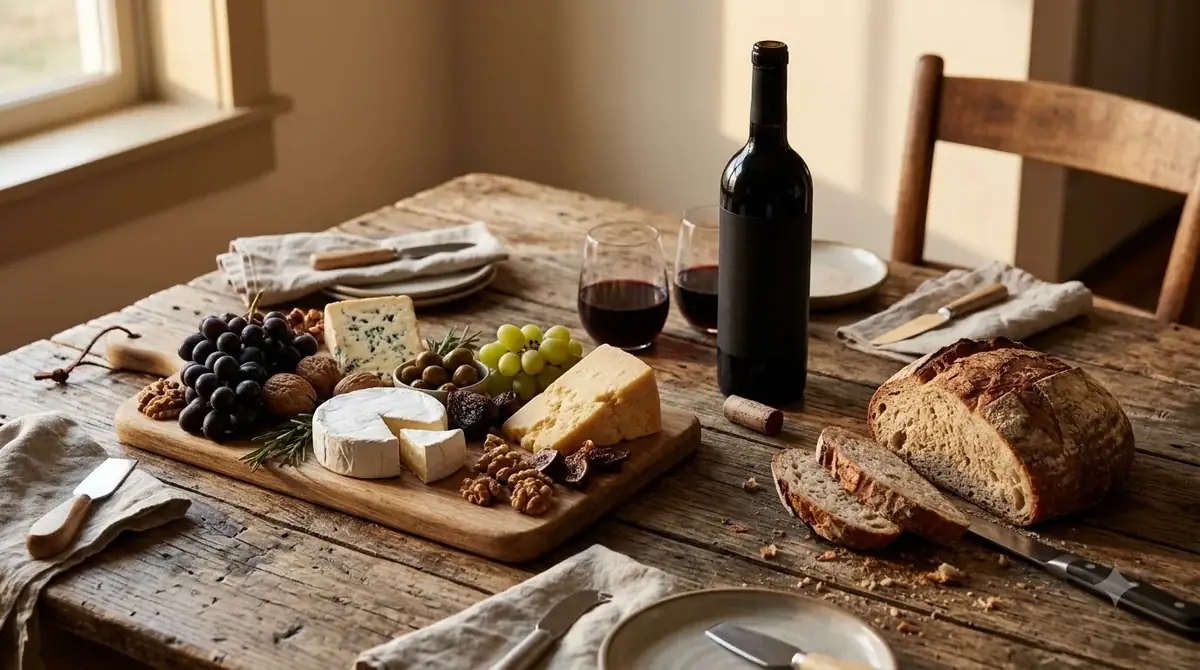
Food is an important part of the Wine Week experience. Special pairing menus and restaurant collaborations provide opportunities to explore how regional ingredients work with local wines.
Cabernet Sauvignon is often a natural companion for grilled beef, lamb, and other richly flavored dishes. Its tannins interact favorably with the fat and protein in these foods, making the wine feel less astringent. Merlot can be a softer alternative with roast chicken, pork, or moderately rich dishes.
For lighter meals, Sauvignon Blanc offers refreshing acidity that works well with vegetables, seafood, and dishes featuring citrus or fresh herbs. Chardonnay can suit richer preparations, particularly when the wine has enough acidity to balance creamy sauces.
When selecting a pairing, consider the intensity of both the food and wine. A delicate dish can be overwhelmed by a powerful red, while a rich grilled preparation may make a light white seem less expressive.
Practical Tasting Guidelines
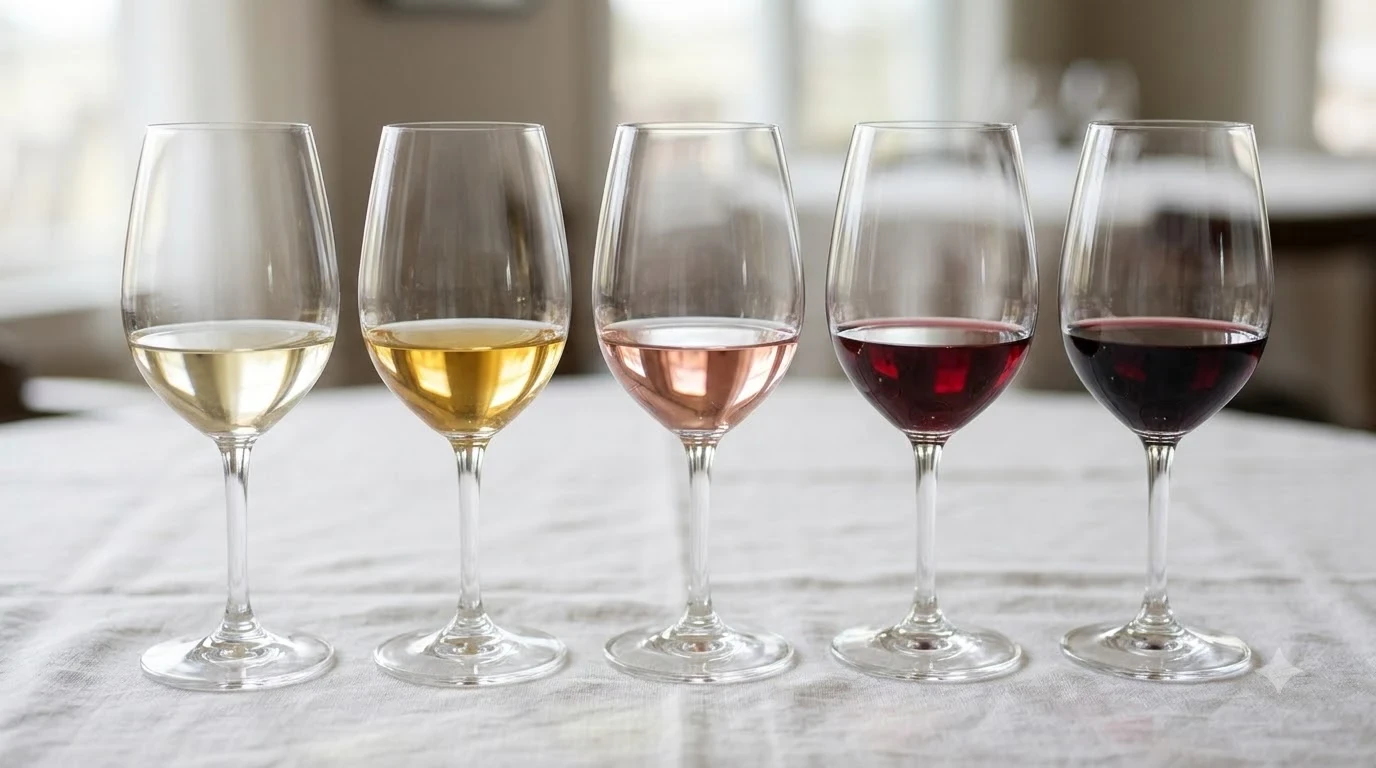
Visitors can improve their tasting experience by paying attention to serving temperature and portion size. A full-bodied red served too warm may seem heavy, while a white served too cold can hide some of its aromas.
- Serve full-bodied red wines at approximately 60–65 degrees Fahrenheit.
- Serve lighter red wines at approximately 55–60 degrees Fahrenheit.
- Serve full-bodied white wines at approximately 50–55 degrees Fahrenheit.
- Serve lighter whites and rosé at approximately 45–50 degrees Fahrenheit.
- Use a standard 5-ounce tasting pour as a useful reference for a full glass of wine.
During a multi-winery visit, take short notes about the wines you particularly enjoy. Record the producer, grape variety, vintage, and one or two observations about the wine’s structure or flavor. This makes it easier to remember favorite bottles after the trip.
Visitors who want to organize their appointments around particular producers can also explore Alexander Valley wine tasting for additional information about the area’s tasting experiences.
Travel, Accommodation, and Practical Visitor Tips
Planning transportation and accommodation is just as important as choosing wineries. Alexander Valley is a rural wine-growing area, and its tasting experiences are distributed across different properties rather than concentrated in a single walkable festival location.
Healdsburg and Geyserville are useful places to consider when choosing accommodation. Both provide access to nearby wine country experiences, although the best location depends on the wineries and restaurants included in your itinerary.
The Wine Week organizers have highlighted accommodation partners and special guest offers as part of the celebration. Visitors should review the current lodging information when planning their stay, since hotel availability and promotional arrangements can differ between years.
Arrange Transportation Before Tasting
Driving between wineries requires planning, particularly when several tastings are scheduled on the same day. Consider arranging a designated driver, private transportation, or a guided wine tour before beginning the trip.
Do not plan a schedule that requires rushing between appointments after tasting several wines. Allow time for vineyard tours, meals, and unexpected delays. A slower schedule is also more appropriate for experiences that involve walking through working vineyard properties.
Bring Suitable Clothing
September can bring warm afternoons and cooler mornings and evenings in Northern Sonoma County. Comfortable walking shoes are useful for vineyard activities, especially when routes include uneven ground or dirt paths.
For outdoor experiences, bring sun protection and a light layer for changing temperatures. Some cave and cellar activities take place in cooler indoor environments, so clothing that works in both outdoor and indoor settings is practical.
Understand the Difference Between Events
Not every wine celebration advertised in Sonoma County is part of Alexander Valley Wine Week. TASTE Alexander Valley, for example, is a separate program that Visit Healdsburg describes as an April tasting event involving participating wineries.
The Wine & Food Affair is another distinct Northern Sonoma County event. It includes participating wineries across Alexander Valley, Dry Creek Valley, Russian River Valley, and the Healdsburg area. Its format centers on traveling between wineries for wine and food pairings.
The difference is useful when choosing dates. Travelers interested in harvest activities and vineyard experiences should focus on late September. Visitors more interested in food-focused winery stops may also consider the November Wine & Food Affair.
For additional regional travel ideas, the Alexander Valley wine country overview can help connect winery visits with the wider destination.
Frequently Asked Questions
Is Alexander Valley Wine Week suitable for first-time wine visitors?
Yes. Visitors do not need professional wine knowledge to enjoy the celebration. Many winery experiences introduce basic topics such as grape growing, fermentation, barrel aging, and wine appreciation. A guided tasting can be a comfortable starting point for someone who has never visited a working winery.
Are non-drinkers able to enjoy the event?
Yes, although individual activities differ. Some experiences focus on vineyard scenery, agricultural history, and winery architecture rather than wine consumption. Alexander Valley Vineyards also lists an alcohol-free tasting option, giving visitors another way to participate in a winery experience.
Can visitors buy wine directly from participating wineries?
Many wineries have direct purchasing options through their tasting rooms or winery websites. Some also offer wine club memberships and shipping arrangements. Ask each producer about its available purchasing and shipping policies, particularly if you are traveling internationally.
Is Alexander Valley a recognized American Viticultural Area?
Yes. Alexander Valley is an established American Viticultural Area in Sonoma County, California. The AVA designation identifies a defined wine-growing region with recognized geographic characteristics. It helps distinguish wines associated with the area from wines made elsewhere in Sonoma County.
What should visitors bring home besides wine?
Regional food products, winery merchandise, tasting glasses, and locally made gifts are useful alternatives. Visitors interested in learning more about winemaking can also look for educational materials or winery publications. These souvenirs provide a reminder of the people and agricultural traditions behind the region’s wines.
The Alexander Valley wine festival experience offers an engaging way to discover Sonoma County’s harvest traditions, local producers, and distinctive wines. With the next announced Wine Week scheduled for September 20–26, 2027, visitors have an opportunity to plan ahead and select experiences that match their interests. Choose a few wineries, reserve special activities early, and leave enough time to enjoy the vineyards, food, and hospitality that make Alexander Valley a memorable wine country destination.
More in Wine Regions
 Willcox Wine Trail: Discover Arizona’s High-Elevation Wine CountryUpdated Nov 20, 2026
 Yakima Valley Wine Region: Find the Best Styles to TryUpdated Nov 20, 2026
 Vosne Romanee Wine Tasting: Identify Aromas and Choose Better PairingsUpdated Nov 20, 2026
 Yakima Valley Wine Festival: Find the Best Seasonal Wine EventsUpdated Nov 20, 2026
 Wales Vineyards: Discover Cool-Climate Wines and Where to VisitUpdated Nov 20, 2026
 Yountville Wine Festival: Discover Napa Wines and Local FoodUpdated Nov 20, 2026