

We may earn a commission when you buy through links on this page, at no extra cost to you. Learn more.
This aldi wine review finds that Aldi offers genuinely worthwhile wines for everyday drinking, particularly in its California Heritage, Specially Selected, and Exquisite Collection ranges. Its selection includes approachable reds, crisp whites, rosé, and sparkling bottles, with quality varying considerably between labels and individual wines. The smartest approach is to compare grape varieties, regional designations, and producer information rather than assuming every inexpensive bottle offers the same experience.
Aldi has become a recognizable destination for shoppers who want wine alongside their regular groceries without visiting a specialty wine store. Its private-label approach makes the selection different from a traditional wine shop: familiar grape varieties appear under exclusive labels, and the exact bottles available can change between stores and shopping trips.
That creates both an opportunity and a challenge. There are bottles that offer considerably more character than their supermarket presentation suggests, but there are also simple, fruit-forward wines that are best suited to casual occasions. Understanding the main ranges, knowing which styles match different preferences, and recognizing useful information on the label can make shopping considerably easier.
Who This Aldi Wine Review Is For
Aldi wine is particularly appealing to shoppers who want uncomplicated bottles for weeknight dinners, casual gatherings, and everyday meals. It also deserves consideration from wine beginners who want to explore Cabernet Sauvignon, Pinot Noir, Chardonnay, and Sauvignon Blanc without committing to unfamiliar premium producers.
Budget-conscious shoppers are an obvious audience, but Aldi’s selection is not limited to basic entry-level wine. Wine Enthusiast has recognized individual Aldi bottles with professional scores of 86 points and higher, including a 92-point Exquisite Collection Chardonnay from California and an 89-point California Heritage Pinot Noir. Those results show why judging the entire selection by its most recognizable inexpensive label can be misleading.
The selection also suits people who enjoy discovering different wine regions. Aldi carries wines associated with California, Monterey County, Argentina’s Uco Valley, New Zealand’s Marlborough, and other international regions. A shopper who normally buys the same domestic Chardonnay or Cabernet Sauvignon may find an interesting alternative among the rotating selections.
However, Aldi is not necessarily the right destination for someone who wants a particular winery, vintage, or consistently stocked bottle. Its private-label structure means the name on the front of the bottle may not provide the same producer continuity found at an independent wine retailer. Availability can also differ between locations because alcohol sales depend on local regulations and individual store assortments.
Consider Aldi if convenience, accessible grape varieties, and value matter more than following a particular winery. If a specific estate, appellation, or vintage is essential, a specialist retailer with a broader and more consistent selection may be a better option.
Key Factors to Compare When Buying Aldi Wine
The most useful way to compare Aldi wines is to consider the grape variety, geographic origin, sweetness, body, and production style together. These details tell shoppers more about the likely drinking experience than a familiar-looking label or an attractive package.
| Factor | What to Look For | Why It Matters |
|---|---|---|
| Wine category | Red, white, rosé, or sparkling | Identifies the basic drinking style |
| Grape variety | Cabernet Sauvignon, Merlot, Pinot Noir, Chardonnay | Helps predict body, acidity, and tannin |
| Region | Monterey County, Marlborough, Uco Valley | Provides more specific origin information |
| Sweetness | Dry, off-dry, sweet | Helps match personal preferences and food |
| Alcohol content | Percentage ABV on the label | Shows the proportion of alcohol by volume |
| Sparkling method | Traditional method or tank method | Indicates how the bubbles were produced |
| Vintage | Harvest year, where applicable | Helps distinguish one reviewed bottle from another |
Grape variety is a useful starting point because different grapes generally have recognizable structural characteristics. Cabernet Sauvignon typically has high tannin, which can create a firmer, more drying sensation. Merlot usually has medium tannin and a softer impression, while Pinot Noir generally has lower to medium tannin and relatively high acidity.
White wines offer another useful comparison. Sauvignon Blanc and Riesling typically have high acidity, making them suitable choices for people who prefer refreshing, lively wines. Chardonnay generally has medium acidity and can range from crisp and restrained to fuller-bodied and creamy, depending on its production style. Moscato usually has lower to medium acidity and is commonly associated with sweeter fruit flavors.
Regional information is particularly useful in Aldi’s private-label selection. The Washington Post recommends paying attention to specific origins, such as Monterey County, rather than treating every wine labeled simply California as equivalent. A narrower geographic designation can provide a more meaningful indication of where the grapes originated. Its Aldi wine recommendations and buying advice also illustrate the range of regional styles shoppers may encounter.
Alcohol content is another practical comparison. The percentage ABV describes the amount of alcohol by volume, not sweetness, quality, or body by itself. For example, a sparkling wine with 12.5% ABV is not automatically sweeter or more complex than a still wine with a similar alcohol percentage.
Vintage information also deserves attention. A professional score awarded to a 2022 bottle does not automatically apply to a later vintage carrying the same label. Grapes, growing conditions, blending decisions, and production can change, so an older review should be treated as evidence about that particular bottle rather than a permanent endorsement of the entire range.
For more background on supermarket selections and producers, the broader Wine Brands resource can help put private-label wines into context.
Tip: Compare the grape, region, vintage, and ABV before comparing packaging. A bottle identifying Monterey County or Marlborough provides more useful shopping information than a generic description such as red wine or white wine.
Step-by-Step: How to Choose a Good Aldi Wine
A successful Aldi wine purchase starts with a preferred drinking style and ends with a bottle that suits the occasion. Following a few consistent steps helps narrow the selection without relying on brand recognition alone.
-
Decide whether you want red, white, rosé, or sparkling wine.
Start with the type of wine you normally enjoy. Choose red for dishes such as grilled beef or tomato-based pasta, white for seafood and lighter meals, rosé for casual outdoor dining, and sparkling wine for celebrations or brunch.
-
Choose a grape variety that matches your taste.
Cabernet Sauvignon is a useful choice if you prefer structured reds with substantial tannin. Merlot generally offers a softer red-wine experience, while Pinot Noir is a better starting point for lighter-bodied reds. For whites, Sauvignon Blanc provides refreshing acidity, while Chardonnay offers a broader range of textures.
-
Compare the Aldi label families.
Look beyond Winking Owl and examine California Heritage, Specially Selected, Exquisite Collection, and other available labels. Wine Enthusiast identifies California Heritage as a particularly interesting range, while its coverage of Specially Selected highlights wines from established international regions.
-
Check the geographic designation.
Compare a specifically identified origin such as Monterey County with a broad California designation. For international selections, look for named regions such as Marlborough in New Zealand or the Uco Valley in Argentina. Specific origins can make comparisons more meaningful.
-
Determine whether you prefer dry or sweet wine.
Do not assume that a red wine is necessarily dry or that a white wine is necessarily sweet. Look for the wine’s sweetness description and consider the grape variety. Moscato and White Zinfandel are often suitable for drinkers who enjoy sweeter profiles, while Sauvignon Blanc is commonly selected for a drier, more refreshing style.
-
Look for credible reviews of the exact bottle.
Wine Enthusiast provides professional ratings and tasting descriptions for selected Aldi wines. Compare the reviewed vintage with the bottle in the store. A score of 92 points for a particular Chardonnay vintage should not be transferred automatically to a different vintage.
-
Match the bottle to the occasion.
A casual dinner may call for an uncomplicated Merlot, while a more substantial meal may suit Cabernet Sauvignon. For brunch, consider a sparkling wine or crisp Sauvignon Blanc. Think about the people drinking the wine as well as the food being served.
This process also helps prevent an easy shopping mistake: choosing a bottle simply because it has a familiar grape name. Two Chardonnay wines can differ substantially in oak influence, acidity, body, and fruit character. The same is true of Cabernet Sauvignon from different regions and producers.
For a more detailed look at one of Aldi’s recognizable labels, the Aldi wine overview provides additional context about its selection.
Aldi Wine Types and Label Families Explained
Aldi’s wine selection covers several recognizable styles, from simple everyday bottles to more ambitious regional selections. The differences between its labels matter because the store’s overall quality is not uniform across every grape variety and bottle.
Winking Owl: This is one of Aldi’s best-known wine labels. Its selection includes familiar varieties such as Cabernet Sauvignon, Merlot, Chardonnay, Pinot Grigio, and Moscato. The range generally targets uncomplicated everyday drinking rather than detailed regional expression.
Sporked describes Winking Owl Cabernet Sauvignon as offering blackberry, plum, toasted oak, vanilla spice, cedar, and milk chocolate characteristics. Its Merlot is described as fruit-forward, with mixed berries, oak, and vanilla, alongside approachable tannins. These descriptions suggest styles that can appeal to drinkers who prefer familiar fruit flavors over restrained, highly structured wines. Sporked’s Aldi wine ranking and tasting descriptions provide further examples of how the individual labels differ.
Winking Owl is also worth distinguishing by sweetness preference. Its Sweet Red and White Zinfandel styles are aimed at people who enjoy sweeter fruit profiles. They should not be confused with a dry Cabernet Sauvignon or a more traditional dry Merlot.
California Heritage: This label is particularly interesting for shoppers who want recognizable California varieties. Wine Enthusiast specifically highlights the range as an everyday wine concept built around traditional California grapes.
The 2022 California Heritage Pinot Noir earned 89 points from Wine Enthusiast, with a description mentioning strawberry-rhubarb, orange peel, cardamom, cherry, cream, and mineral characteristics. The publication suggested grilled salmon as a food pairing. This is a useful example of how an Aldi wine can offer more than a basic fruit-forward supermarket profile.
Specially Selected: This range gives shoppers access to wines associated with more specific regions and grape varieties. Wine Enthusiast identifies the Uco Valley in Argentina and Marlborough in New Zealand among the regions represented in the collection.
Specially Selected is a useful place to investigate when a shopper wants something more geographically distinctive than a generic house wine. However, the label itself should not be treated as a guarantee that every bottle will deliver the same quality. The Washington Post also notes that quality can vary within Aldi’s higher-tier selection.
Exquisite Collection: This range includes bottles that have attracted professional wine criticism. One notable example is the 2022 Exquisite Collection Chardonnay from California, which earned 92 points from Wine Enthusiast.

Its tasting description includes white peach, apple, lemongrass, orange zest, grapefruit, and spiced pear, alongside creamy vanilla and cinnamon characteristics. This combination makes the wine an interesting reference point for shoppers who prefer fuller white wines with both fruit and oak-related flavors.
William Walker Winemaker’s Reserve: This label has also appeared in professional reviews. Wine Enthusiast awarded 88 points to a 2021 Monterey County Pinot Noir and an 88-point score to a 2022 Monterey County Chardonnay. The two wines illustrate the range of styles that can appear under Aldi’s more specialized labels.
Sunshine Bay and seasonal selections: Aldi also carries other labels, including Sunshine Bay Sauvignon Blanc and rotating specialty wines. Sporked describes Sunshine Bay Sauvignon Blanc as dry and fresh, with tropical fruit, peach, lemon, and grapefruit characteristics. Seasonal bottles can provide opportunities to explore styles that are not necessarily available throughout the year.
The important distinction is that these labels are not interchangeable quality grades. A good bottle from one range does not establish that every bottle from that label is equally good. Comparing the specific wine and vintage remains more useful than relying exclusively on the name.
Common Mistakes When Shopping for Aldi Wine
The biggest mistakes are assuming that inexpensive wine is automatically poor, believing that every bottle from a recognized label is equally good, and confusing sweetness with fruit flavor. A more careful approach helps shoppers avoid bottles that do not match their preferences.
Assuming every Aldi wine tastes the same: Aldi carries multiple wine styles, grape varieties, and geographic origins. A Cabernet Sauvignon from California will generally offer a different structure from a Pinot Noir associated with Monterey County. A sparkling wine also has a completely different purpose from a still Chardonnay.
Buying exclusively by label: Winking Owl is recognizable, but familiarity is not the same as quality. Similarly, Specially Selected and Exquisite Collection contain individual wines with different characteristics. A label should be the beginning of the comparison, not the end.
Confusing sweetness with fruitiness: A dry wine can smell and taste of ripe berries, peaches, citrus, or tropical fruit without containing noticeable residual sugar. Conversely, a sweet wine can have relatively modest acidity and a soft finish. If a shopper prefers dry wines, choosing solely by descriptions such as strawberry, peach, or blackberry can lead to disappointment.
Ignoring regional information: A bottle labeled simply California does not provide the same geographic detail as one identifying Monterey County. Regional specificity can help shoppers make more informed decisions, particularly when comparing Pinot Noir, Chardonnay, or Cabernet Sauvignon.
Relying on outdated wine ratings: Professional reviews are tied to individual wines and vintages. The 92-point Exquisite Collection Chardonnay reviewed by Wine Enthusiast was the 2022 vintage. A later bottle with the same label may be a different wine experience.
Choosing the cheapest bottle automatically: The least expensive option is not necessarily the best value if its sweetness, acidity, or body does not suit the drinker. Someone who dislikes sweet reds is unlikely to enjoy a fruit-forward sweet blend simply because it is inexpensive.
Serving wine at the wrong temperature: Even a good bottle can seem less balanced when served too warm or too cold. A full-bodied red served at a typical warm room temperature may feel heavy, while a delicate white served too cold can lose much of its aroma.
Expecting every store to carry the same selection: Aldi’s assortment changes, and local alcohol regulations affect which locations can sell wine. A bottle featured in a national publication may not appear at every store.
These mistakes are avoidable with a simple rule: buy according to the actual wine style, rather than relying on a low price, familiar label, or previous review alone.
Food Pairing, Serving, and Storage Tips
Good serving habits can make Aldi wine more enjoyable without requiring expensive accessories or specialized equipment. Matching acidity, tannin, sweetness, and body to the food is more important than choosing an elaborate glass for every variety.
Red wine pairings: Cabernet Sauvignon is a natural option for grilled beef, burgers, and other rich dishes because its higher tannin structure works well with protein and fat. Merlot’s softer tannins make it a flexible choice for meatballs, roasted chicken, and tomato-based pasta. Pinot Noir is generally a better match for dishes such as grilled salmon, roast chicken, and mushroom-based meals.
Syrah is another red variety worth considering if it appears in the selection. It typically has medium-plus to high tannin and can work well with grilled meats, barbecue, and savory dishes. By contrast, a lighter Pinot Noir is often more suitable for meals that would overwhelm a strongly tannic red.
White wine pairings: Sauvignon Blanc is a good companion for seafood, salads, goat cheese, and dishes with citrus or fresh herbs. Its relatively high acidity helps it work with acidic foods. Chardonnay can suit roasted chicken, creamy pasta, and richer seafood dishes, especially when the wine has a fuller texture.
Riesling offers another useful option, particularly with spicy or aromatic dishes. Its high acidity can provide freshness, and wines with some residual sweetness can complement spicy food. However, alcohol and tannin can intensify the sensation of chili heat, so highly alcoholic, tannic reds are not always the most comfortable pairing.
Rosé and sparkling wine: Dry rosé works well with grilled vegetables, salads, seafood, and light appetizers. Sparkling wine is especially versatile with salty snacks, fried appetizers, and brunch foods because acidity and bubbles help refresh the palate.
For sparkling wine, sweetness terminology is important. The usual progression from driest to sweetest is Brut Nature, Extra Brut, Brut, Extra Dry, Dry, Demi-Sec, and Doux. Extra Dry is actually sweeter than Brut, a detail that often surprises shoppers.
Recommended serving temperatures:
- Sparkling wine: 40–50°F.
- Light-bodied white wine and rosé: 45–50°F.
- Full-bodied white wine: 50–55°F.
- Light-bodied red wine: 55–60°F.
- Full-bodied red wine: 60–65°F.
- Sweet white wine: 43–50°F.
These ranges are useful for Aldi’s Chardonnay, Sauvignon Blanc, Pinot Noir, Cabernet Sauvignon, and sparkling selections. A refrigerator is generally colder than the ideal serving temperature for many wines, so removing a bottle shortly before serving can improve its aromatic expression.
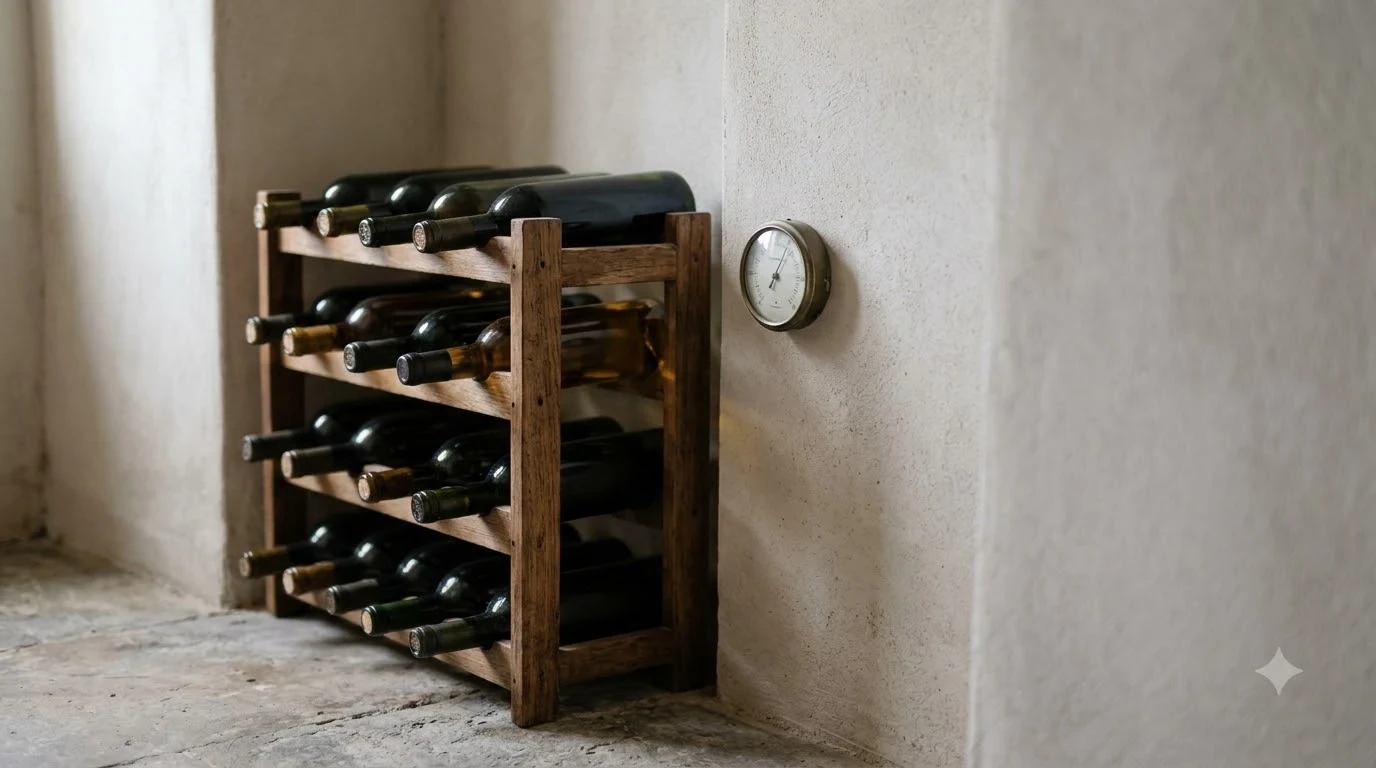
Storage: Unopened wine should generally be kept away from direct sunlight, heat, and substantial temperature fluctuations. For longer storage, bottles with traditional cork closures are usually kept on their sides, in a cool environment near 55°F. Avoid placing wine beside ovens, radiators, or other heat-producing appliances.
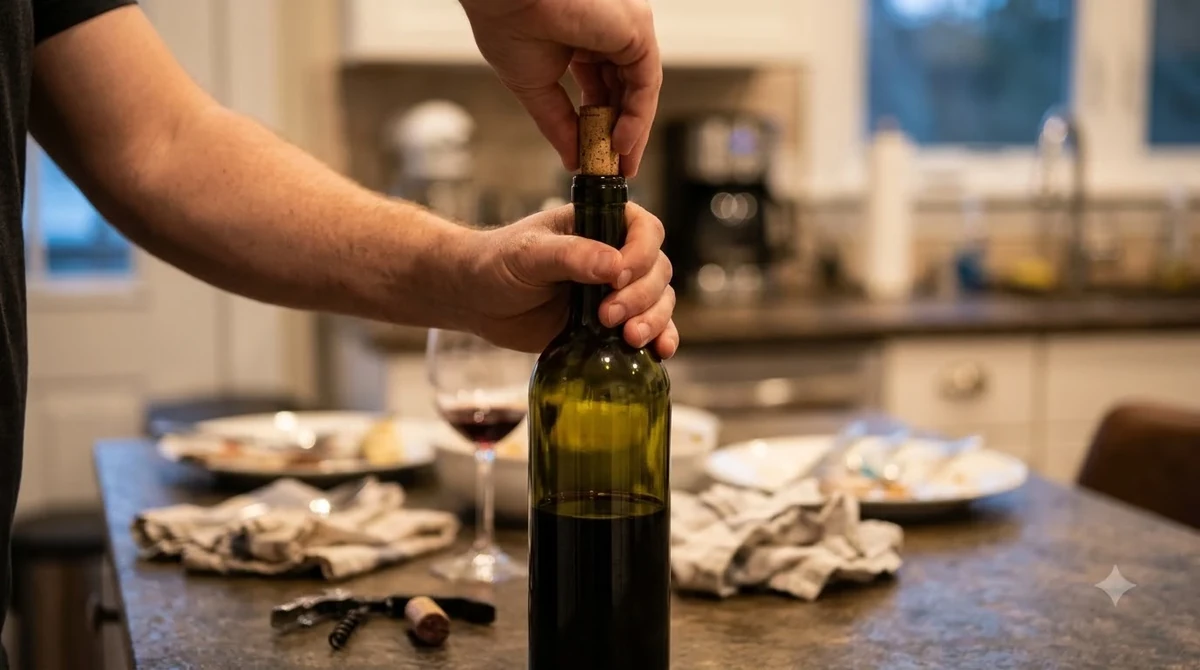
After opening, reseal the bottle and refrigerate it. Sparkling wine generally keeps for around one to three days with an appropriate sparkling-wine stopper, while most still wines remain enjoyable for approximately three to five days. Fortified wines can last several weeks, and bag-in-box wines can remain usable for approximately four to six weeks after opening, depending on the product and storage conditions.
Full-bodied young reds may also benefit from 30 to 60 minutes of decanting. This can help soften their initial presentation and release aromas, although simpler everyday wines generally do not require elaborate decanting.
For additional guidance about alcohol percentages, the Aldi wine alcohol content resource is useful when comparing bottles. ABV should be treated as a separate characteristic from sweetness and body.
Frequently Asked Questions
Does Aldi use the same wine producer for every bottle under one label?
No single producer should be assumed across an entire Aldi label family. Aldi works with suppliers and wine producers to source its selections, and private-label arrangements can involve different producers. This is one reason that a familiar brand name does not guarantee an identical style from one bottle to another.
Can Aldi wines be suitable for a formal dinner?
Yes. A wine’s suitability for a formal dinner depends more on its quality, style, and compatibility with the menu than on the supermarket where it was purchased. A well-chosen regional Pinot Noir, Chardonnay, or traditional-method sparkling wine can be appropriate for a carefully planned meal.
What does private-label wine mean at Aldi?
Private-label wine is sold under a retailer’s own brand rather than being marketed primarily under the winery’s name. The retailer works with suppliers to develop or source products for its selection. This arrangement allows a supermarket to offer distinctive labels, although the actual producer may not be immediately obvious to shoppers.
Does Aldi carry organic or vegan wine?
Availability depends on the individual product and store assortment. Organic certification and vegan suitability are separate considerations: organic wine relates to regulated agricultural and production standards, while vegan suitability concerns the ingredients and processing materials used in production. Shoppers looking for either characteristic should seek an appropriate certification or product statement.
What is the difference between Prosecco and traditional-method sparkling wine?
Prosecco is made primarily from the Glera grape and generally uses the tank method for its secondary fermentation. Traditional-method sparkling wine undergoes its secondary fermentation in the bottle, as Champagne and Cava do. These different production methods can create noticeably different textures and flavor profiles, including more developed bread-like aromas in many traditional-method examples.
Aldi is a worthwhile place to explore if the goal is accessible wine with familiar grape varieties and occasional regional discoveries. California Heritage, Specially Selected, and Exquisite Collection deserve particular attention, while Winking Owl remains an option for uncomplicated everyday drinking. The best purchase is the specific bottle that matches the drinker’s preferred sweetness, structure, and occasion.
More in Wine Brands
 Underwood Wine Price: Compare Bottles, Cans, and Pack SizesUpdated Nov 21, 2026
 Zenato Wine Price: Compare Styles and Choose the Right BottleUpdated Nov 21, 2026
 Zuccardi Wine Price: Compare Bottles and Find the Right RangeUpdated Nov 21, 2026
 Yellow Tail Moscato Review: Taste, Sweetness and Serving TipsUpdated Nov 21, 2026
 Wolf Blass Yellow Label Review: Choose Your Best StyleUpdated Nov 21, 2026
 Wolffer Estate Rose Review: Choose the Right Bottle for Your TableUpdated Nov 21, 2026