

We may earn a commission when you buy through links on this page, at no extra cost to you. Learn more.
Albert Bichot wine comes from a Burgundy négociant house with roots going back to 1831, and its range spans white, rosé, and red wines from Chablis to Beaujolais. The house owns several estates in key appellations and also buys grapes and wine from growers across the region. This guide explains the house, its main regions and styles, and how to choose a bottle.
Albert Bichot is one of the names shoppers see most often when they look for Burgundy wine. The label can cover a single vineyard, a village wine, or a broader regional bottle, and the differences matter when you are choosing a bottle for dinner. This page covers the house, the regions it works in, and the questions to ask at the shop. For more about other producers, the wine brands guide is a useful starting point.
The House and Its History
According to the house’s website, the family has been making wine “from father to son since 1831.” That long record gives the brand a deep connection to Burgundy, the region in eastern France known for Chardonnay and Pinot Noir. The website describes the house as a buyer at the Hospices de Beaune wine auction, which is one of the best-known wine sales in the region.
The house is not only a grower. It combines its own estates with wine and grapes sourced from other producers, which is typical of a négociant business. This structure allows the house to offer a broad range across many appellations, but it also means the character of a bottle depends on the vineyard and the winemaking choices behind that particular label.
Estates and Regions
The house’s website lists several estates. Domaine Long-Depaquit in Chablis is listed at 52.1 hectares, the largest of the estates named on the site. Domaine du Clos-Frantin in Nuits-Saint-Georges is listed at 13.2 hectares, Vignoble du Pavillon in Pommard at 19.5 hectares, Vignoble Adélie in Mercurey at 7.4 hectares, and Domaine de Rochegrès in Moulin-à-Vent at 4.9 hectares.
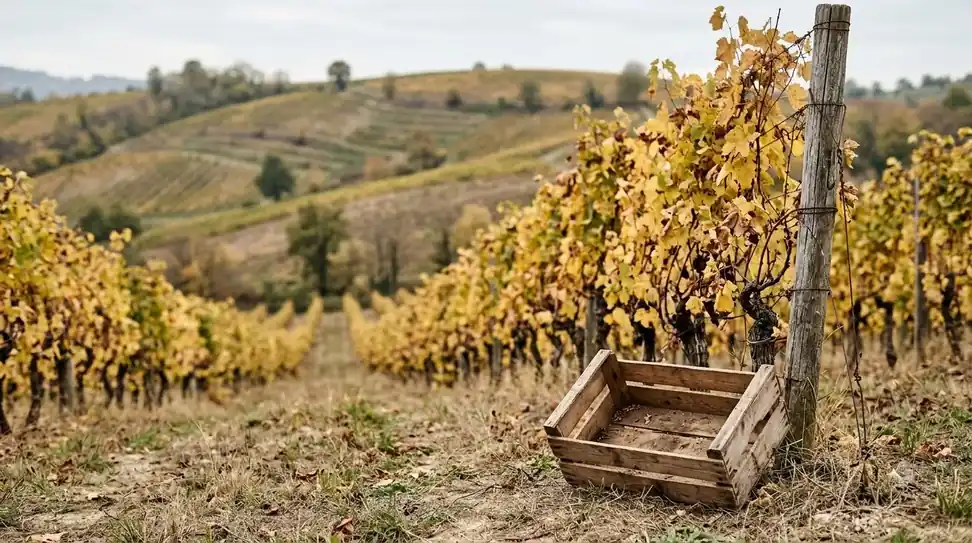
The regions covered by the range include Bourgogne, Chablis, the Côte de Nuits, the Côte de Beaune, the Côte Chalonnaise, the Mâconnais, and Beaujolais. Each region produces a different style. Chablis is known for crisp, mineral whites, while the Côte de Nuits is the home of many well-regarded Pinot Noirs. Knowing the region helps you predict the taste before you open the bottle.
| Region on the site | Typical style |
|---|---|
| Chablis | Crisp, mineral white wines |
| Côte de Nuits | Red wines, often Pinot Noir |
| Côte de Beaune | Both white and red, with rich whites and elegant reds |
| Côte Chalonnaise | Value-minded reds and whites |
| Mâconnais | Fresh, fruit-driven whites |
| Beaujolais | Light, fruity reds |
Understanding the Appellation Levels
The house’s site uses four appellation levels: AOC Grand Cru, AOC Premier Cru, AOC Régionale, and AOC Village. Grand Cru is the top level and refers to specific vineyards with the highest reputation. Premier Cru sits below it. Village wines come from named communes, and Régionale wines carry the broadest regional name.
In practice, a higher level usually means a more specific vineyard and often a higher price, but the level is only one factor. A well-made village wine can be more enjoyable than a weaker Premier Cru, so tasting notes and the producer’s reputation matter as well. Read the label carefully for the appellation and the vineyard name.
Styles and Colors in the Range
The site offers white, rosé, and red wines. It also lists Crémant de Bourgogne sparkling wines, along with many named cuvées and single-vineyard bottles. Chardonnay and Pinot Noir are the grapes most associated with the region, although the range also includes other styles.
When you choose a bottle, decide what you want first. A crisp white suits seafood and salads, while a Côte de Nuits Pinot Noir works well with roast poultry or mushrooms. Crémant offers a lighter sparkling option for aperitifs and celebrations.
Serving and Pairing Tips
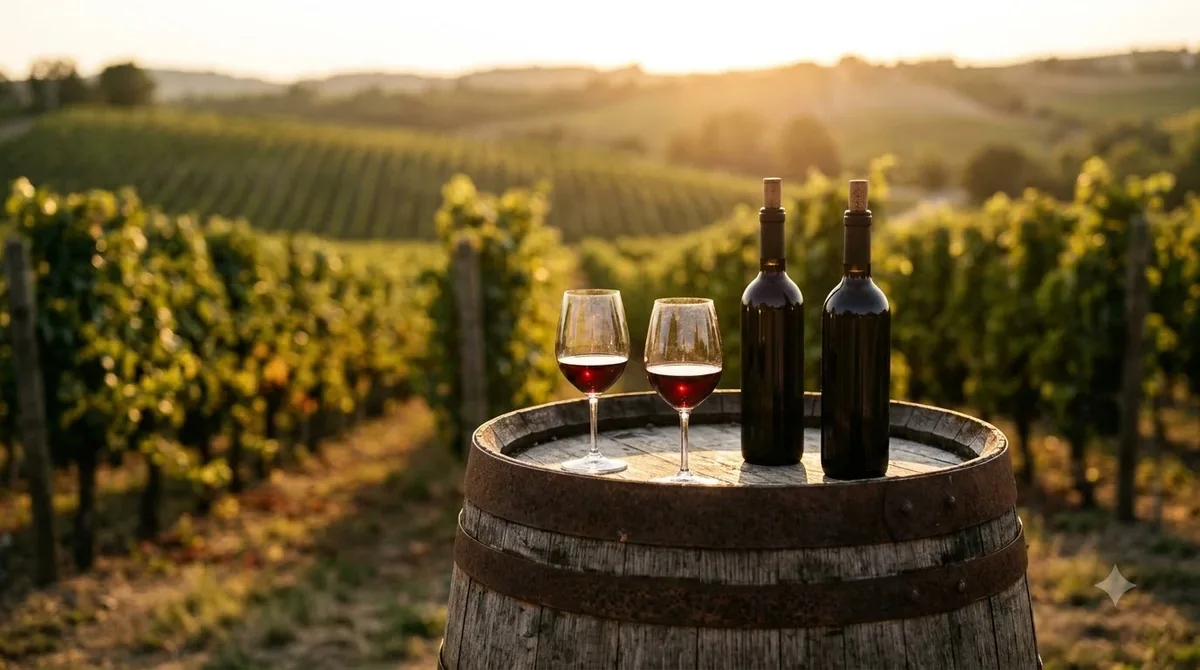
Serve whites chilled but not ice cold, and reds slightly cooler than room temperature. A short time in the refrigerator before serving usually works for both colors. The site does not publish specific serving temperatures, so use these general guidelines and adjust to taste.
Burgundy reds are often food-friendly because their acidity and fine tannins sit well with roasted meat, duck, and earthy dishes. Burgundy whites suit fish, poultry, and creamy sauces. For a casual evening, a village-level white or red is a practical choice.
Tip: If you are new to Burgundy, start with a village-level bottle from a region you like, then move to a Premier Cru to see what the extra vineyard focus adds.
How to Choose an Albert Bichot Bottle
Start with the region and the appellation level on the label. Then decide whether you want white, rosé, or red, and match that to the meal. If you are unsure about the vintage or the style, ask the retailer for a recent tasting note or check the producer’s product page for current information.
Keep in mind that the house’s range includes many single-vineyard and named cuvée wines, so the same name can appear on several different bottles. Read the front and back labels together to confirm the region, the color, and the appellation before you buy.
Burgundy Basics for Shoppers
Burgundy wines can seem complicated because the region is divided into many small appellations. A useful starting point is to remember that the region’s wines are built around two main grapes: Chardonnay for white and Pinot Noir for red. Within that framework, the place the grapes grew shapes the taste as much as the grape does, which is why the label’s region and vineyard names matter so much.
Village wines are a good entry point. They give a clear sense of a commune’s character without the higher cost that often comes with a Premier Cru or Grand Cru. Once you find a village you enjoy, a single-vineyard bottle from the same area can show how the site changes the wine. This kind of side-by-side comparison teaches more than reading about the region in the abstract.
Vintage matters too. Burgundy weather varies from year to year, so two bottles from the same producer can taste different. Check the year on the label and, if possible, ask the retailer for a recent tasting note. Younger wines are often brighter and more fruit-driven, while older bottles can show more earthy, savory notes, although that depends on the wine and how it was stored.
Storage is worth planning for. Keep bottles on their side in a cool, dark place with steady temperatures, away from heat and vibration. Once opened, a Burgundy red is best enjoyed over a day or two, and a white should be kept refrigerated and finished within a few days.
Frequently Asked Questions
Where is Albert Bichot based?
The house’s website describes its roots in Burgundy and lists estates across several regions, including Chablis and the Côte de Nuits. It does not state a single headquarters on the pages reviewed here.
What does AOC Premier Cru mean on an Albert Bichot label?
Premier Cru is a level below Grand Cru and refers to a specific, well-regarded vineyard. It usually signals more site-specific character than a village wine.
Does Albert Bichot make white and red wine?
Yes. The house’s site lists white, rosé, and red wines, plus Crémant de Bourgogne sparkling wines, across regions from Chablis to Beaujolais.
What food goes with Albert Bichot Burgundy?
Chablis and other Burgundy whites suit fish, poultry, and creamy dishes. Pinot Noir from the Côte de Nuits works with roast poultry, duck, and mushroom dishes.
Albert Bichot offers a broad window into Burgundy, from crisp Chablis to light Beaujolais, and the appellation levels help you judge what you are buying. Start with the region you like, check the label, and pair the bottle with a meal you already enjoy. For a comparison with other brands on the shelf, read the 14 Hands red wine guide or the 19 Crimes red guide. The house’s own site, albert-bichot.com, lists its estates and current wines.
More in Wine Brands
 Underwood Wine Price: Compare Bottles, Cans, and Pack SizesUpdated Nov 21, 2026
 Zenato Wine Price: Compare Styles and Choose the Right BottleUpdated Nov 21, 2026
 Zuccardi Wine Price: Compare Bottles and Find the Right RangeUpdated Nov 21, 2026
 Yellow Tail Moscato Review: Taste, Sweetness and Serving TipsUpdated Nov 21, 2026
 Wolf Blass Yellow Label Review: Choose Your Best StyleUpdated Nov 21, 2026
 Wolffer Estate Rose Review: Choose the Right Bottle for Your TableUpdated Nov 21, 2026