

We may earn a commission when you buy through links on this page, at no extra cost to you. Learn more.
Abruzzo wineries are a strong choice for discovering Italy’s native Montepulciano, Cerasuolo, Trebbiano, and Pecorino wines in a region between the Apennines and the Adriatic Sea. The best visits connect a bottle to its place: northern Teramo for structured reds, the hills around Pescara for distinctive whites, and Chieti for a broad range of regional styles. Planning helps you choose producers, understand appellations, and make room for local food.
Abruzzo is on Italy’s central Adriatic coast, east of Rome, and its wine identity is broader than the familiar bottle of Montepulciano d’Abruzzo. Small estates, historic family cellars, and large cooperative producers all contribute to the region. Use this guide to focus a tasting trip or make better-informed choices from an American wine shop.
How the Apennines and Adriatic Shape Abruzzo Wine
Abruzzo’s geography gives its vineyards a combination of mountain influence, coastal warmth, and cooling air movement. The region stretches from the Apennines to the Adriatic, with vineyards on the rolling hills between them; Wine Enthusiast places Abruzzo about two hours east of Rome. Elevation and exposure support reds, whites, and deeply colored rosato.
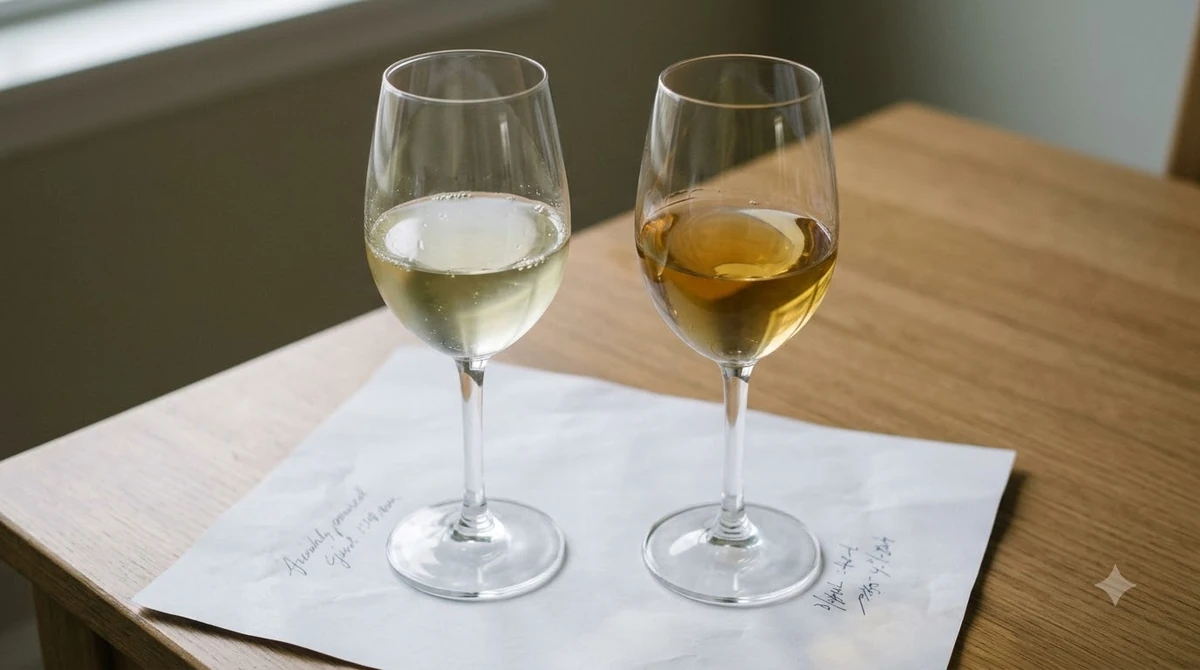
The mountains and sea help moderate summer conditions. Wine Enthusiast describes warm days and cooler nights, with mountain and maritime breezes helping preserve acidity. The southern province of Chieti is especially important: the publication attributes 75% of Abruzzo’s vineyard area to Chieti, where warmer conditions and fertile soils can support generous yields. The north, particularly the hills of Teramo, is associated with the region’s most closely defined Montepulciano territory, while Pescara province is a useful reference point for producers working with Pecorino and Trebbiano.
These differences matter more than a simple north-versus-south rule. Altitude, aspect, soil, vine age, and harvest choices affect the wine, so two bottles with the same broad regional name can taste different. Treat a province or subzone as a clue, not a guarantee of one flavor.
There is also a meaningful contrast between cooperative volume and estate-led bottlings. Wine Enthusiast estimates that cooperatives account for about 80% of Abruzzo’s wine production, while individual growers have increasingly established their own wineries. Cooperatives show production at scale, while family estates may focus on an individual hillside or parcel.
Understanding Abruzzo Appellations and Wine Labels
Abruzzo’s appellation names identify both grape rules and geographic origin, but the names can be confusing at first. Start with Montepulciano d’Abruzzo DOC, Trebbiano d’Abruzzo DOC, and Cerasuolo d’Abruzzo DOC; then look for more specific names such as Colline Teramane Montepulciano d’Abruzzo and Terre Tollesi, also called Tullum. The regional consortium lists these alongside other protected designations including Abruzzo, Controguerra, Ortona, and Villamagna.
Separate the grape from the place name: Montepulciano is the grape, while Montepulciano d’Abruzzo is the appellation. It is not Vino Nobile di Montepulciano from Tuscany, a Sangiovese-based wine named for a Tuscan town. Read the full name rather than assuming that every label with “Montepulciano” refers to the same wine.
Wine Enthusiast explains that Montepulciano d’Abruzzo DOC must contain at least 85% Montepulciano, while Colline Teramane Montepulciano d’Abruzzo DOCG requires at least 90%. Its regional overview also states that a Montepulciano d’Abruzzo labeled Riserva must be aged for at least two years. These rules make the subzone and aging term more useful than a vague assumption that every bottle from the region is made in the same way.
| Label or designation | Wine style | Useful number or rule |
|---|---|---|
| Montepulciano d’Abruzzo DOC | Red | At least 85% Montepulciano |
| Colline Teramane Montepulciano d’Abruzzo DOCG | Red | At least 90% Montepulciano |
| Montepulciano d’Abruzzo Riserva | Red | At least 2 years of aging |
| Trebbiano d’Abruzzo DOC | White | Established as a DOC in 1972 |
| Cerasuolo d’Abruzzo DOC | Rosato | Its own DOC since 2010 |
| Terre Tollesi or Tullum | Regional appellation | DOCG recognition in 2019 |
The table is a starting point, not a full list of permitted styles. The Consortium for the Protection of Abruzzo Wines maintains the production rules for Colline Teramane, Terre Tollesi/Tullum, Montepulciano d’Abruzzo, Trebbiano d’Abruzzo, and Cerasuolo d’Abruzzo. For technical details, consult the Consorzio’s protected-wine designations.
The Native Grapes Behind the Region’s Best Bottles
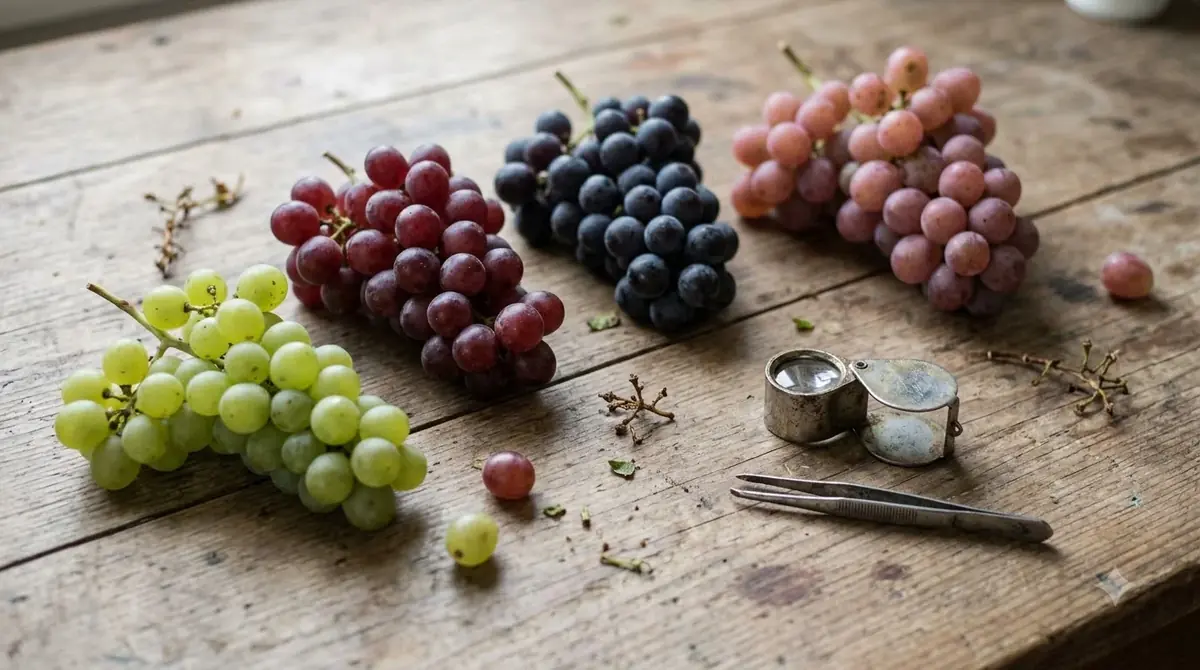
Montepulciano is the region’s best-known red grape, but it is only one part of the picture. Trebbiano, Pecorino, Passerina, Cococciola, and Montonico Bianco help make Abruzzo a worthwhile source for white wine as well as red. Wine Enthusiast identifies Montepulciano and Trebbiano as the two leading varieties, accounting for 57% and 29% respectively in its regional breakdown; smaller plantings of native white grapes give curious drinkers more styles to explore.
Montepulciano typically produces a deeply colored red with dark cherry, plum, blackberry, and savory notes that can include pepper, herbs, and tobacco. Its tannin and acidity give it enough structure for tomato-based dishes, grilled meats, sausage, and aged cheeses, although the degree of firmness varies with site and cellar choices. Some producers favor freshness and restrained oak, while others make more concentrated wines intended for longer cellaring. A bottle from Colline Teramane may be a useful step up in specificity for someone who already enjoys the broader DOC.
Cerasuolo d’Abruzzo is the region’s distinctive rosato, made from Montepulciano and known for a more vivid, deeper color than the pale pink styles many American shoppers expect. Decanter describes the wine as dry, savory, and expressive, with red-fruit and herbal character. It works well with pizza, cured meats, grilled vegetables, and seafood dishes that have enough texture to meet its flavor. Do not treat it as merely a lighter red: its freshness and food-friendly structure make it a category of its own.
Among the whites, Trebbiano d’Abruzzo can range from uncomplicated and bright to intense, complex examples with the capacity to age. Pecorino is a particularly useful variety to seek out if you like high-acid whites with citrus, apple, and a firm mineral impression. Passerina tends toward a taut, savory profile, while Cococciola can be more floral and gently textured. Compare Pecorino with Trebbiano or Passerina to see the region’s white-wine diversity.
Tip: For a first tasting, compare one Montepulciano d’Abruzzo DOC, one Cerasuolo d’Abruzzo, and one Pecorino. That three-bottle flight shows the region’s red, rosato, and white identities without making the differences hard to follow.
Abruzzo Wineries and Producers to Put on Your List
Build a shortlist around different places and approaches. Masciarelli, Emidio Pepe, Fattoria Nicodemi, Illuminati, La Valentina, and Tiberio are useful starting names; the Consortium directory helps identify more estates offering tastings, vineyard visits, or lodging. Decide whether you want a broad portfolio, a traditional cellar, or a close look at one grape.
Masciarelli Tenute Agricole
Masciarelli is based in San Martino sulla Marrucina in Chieti province and was established by Gianni Masciarelli in 1981. The winery says its vineyards and olive groves extend across all four Abruzzo provinces, and its current range includes 22 labels across seven product lines. Its range includes Montepulciano d’Abruzzo, Trebbiano d’Abruzzo, Pecorino, and Cerasuolo, making it possible to compare styles from one producer.
The visitor experience includes Castello di Semivicoli, a seventeenth-century baronial residence restored as a wine resort. Tours are by appointment on working days and can include the grape reception and cellar areas, including a red-wine cellar with more than 1,000 French oak barrels. Confirm arrangements through the producer’s winery and hospitality information.
Emidio Pepe
Emidio Pepe is in Torano Nuovo, in Teramo province, and is closely associated with Montepulciano and Trebbiano d’Abruzzo. The producer’s official site highlights separate vinification of two older vineyard parcels beginning in 2020, an approach that makes the differences between adjacent sites part of the wine’s story. Its cellar philosophy includes unfiltered aging and a long wait before decanting older bottles, so it is a particularly interesting name for drinkers who want to understand traditional cellar practice rather than only fruit-forward young reds.
The estate also has an agriturismo in the family house in Torano Nuovo, extending the visit beyond a quick cellar stop. Ask in advance about availability, since a tasting and an overnight stay are different experiences. Pepe is a strong choice for a Teramo itinerary focused on Montepulciano.
Fattoria Nicodemi and Illuminati
For a closer look at the Colline Teramane area, Wine Enthusiast names Fattoria Nicodemi and Illuminati among the leading producers. It describes Nicodemi as farming its vineyards organically and notes that Illuminati was founded in 1890. Those details make the two estates useful names to investigate when comparing how producers interpret Montepulciano in the northern part of Abruzzo.
Visitor schedules and walk-in policies vary. Contact the estate before traveling and ask whether the visit includes a vineyard walk, cellar tour, and guided tasting. Comparing a standard Montepulciano with a Riserva often reveals more than sampling several similar young reds.
La Valentina and Tiberio
La Valentina is another name to look for across red, white, and rosato styles, while Tiberio is especially relevant to drinkers interested in the character of Trebbiano Abruzzese. Decanter’s regional profile discusses the efforts of Cristiana Tiberio and the broader quality shift among producers who want the grapes to express more clearly defined sites. These are good names to compare with larger, multi-range estates because they help show how a more focused producer can shape a distinct house style.
For a wider search, the regional consortium’s producer directory is a practical planning resource. It lists wineries and filters for activities such as tasting, winery visits, vineyard visits, accommodation, and food service. It can help you find producers near a planned base rather than driving across the region for a single appointment. For another Italian coastal region with a different set of grapes and wine styles, compare your shortlist with Puglia wineries.
Planning a Winery Visit Across Teramo, Pescara, and Chieti
Abruzzo is easier to explore when you organize visits by province instead of trying to cross the whole region in one day. Teramo is a natural base for Colline Teramane and producers such as Emidio Pepe; Pescara province is useful for Pecorino-focused tastings and the hills around Loreto Aprutino; Chieti gives access to Masciarelli and the broad southern vineyard area. A two- or three-day route allows time for relaxed appointments.
Before confirming a tasting, ask what the visit includes, how long it lasts, which wines are poured, whether the tasting is paired with local food, and whether English-language hosting is available. If a producer offers both a winery tour and a vineyard walk, ask which is available in the season you plan to travel. Some estates list lodging or restaurant services as well as tastings, but those services are not automatically included in a standard visit. The Consorzio directory is useful for identifying possibilities; the winery must confirm dates and arrangements.
Leave time for food and scenery between appointments. Ortona and Vasto are coastal reference points, and the Trabocchi shoreline is known for traditional fishing platforms that now include restaurants. For a contrast in white-wine traditions, consider a separate visit to Wachau wineries.
Keep formal tastings to about two per day. Arrange a designated driver or local transport, and note the producer, appellation, grape, vintage, and cellar choices. If a winery is unavailable, ask about a tasting room, partner restaurant, or nearby estate before adding a long detour.
Choosing, Serving, and Pairing Abruzzo Wines
Choose a bottle based on the food and style you enjoy, not on classification alone. Montepulciano d’Abruzzo DOC introduces the region’s red, Colline Teramane gives a more specific origin, Cerasuolo suits fans of dry rosato, and Pecorino offers a lively white.
Serve at temperatures that preserve freshness. Light or medium-bodied Montepulciano generally suits 55–60°F; fuller reds, 60–65°F. Serve Cerasuolo, Pecorino, and Trebbiano around 45–50°F. Montepulciano’s tannin and dark fruit suit grilled lamb, pork, sausage, tomato-based pasta, and hard cheeses. Salt and fat soften tannin, so cured meat or rich cheese can make a structured red seem smoother. Cerasuolo pairs with pizza, roast chicken, vegetables, and seasoned seafood; Pecorino and Trebbiano suit shellfish, fried fish, acidic salads, and fresh cheeses. Match vinaigrette or tomato sauce with a wine of equal or higher acidity.
Use the broader Wine Regions library to compare Abruzzo with other areas. Pecorino’s lively acidity also makes an interesting contrast with coastal whites from Spain’s Basque Country; a look at txakoli wineries shows another way local grapes reflect maritime conditions. A standard pour is 5 ounces, so a 750-milliliter bottle provides about five glasses. Young, full-bodied Montepulciano may benefit from 30–60 minutes in a decanter. Store unopened bottles on their side near 55°F, away from light and heat. Refrigerate opened still wines and aim to finish them within 3–5 days.
Frequently Asked Questions
How do you pronounce Abruzzo?
Wine Enthusiast renders the pronunciation as “Uh-brut-sow.” The stress and vowel sounds can feel unfamiliar to English speakers, so hearing the name spoken by an Italian speaker is a useful reference before a winery visit.
Why is the Pecorino grape called Pecorino?
The name is linked to pecora, the Italian word for sheep. One traditional explanation says sheep grazing along hillside routes ate the grapes as they moved through the vineyards. The name is a bit of local folklore as well as a memorable way to identify the variety.
Can Trebbiano d’Abruzzo be made from more than one Trebbiano grape?
Yes. The traditional rules have allowed Trebbiano Abruzzese and/or Trebbiano Toscano. The grape material can therefore affect the character of the finished wine, which is one reason that the producer’s identity and approach matter as much as the broad appellation name.
What does the word tendone mean in an Abruzzo vineyard?
Tendone is a traditional pergola-style vine-training system that forms a canopy over the vineyard. It shades grape clusters and can make harvest work easier. You may still see this system in older plantings, alongside newer vineyards trained in rows.
Is Abruzzo only known for still wines?
No. Producers also make sparkling wines from native varieties, including Trebbiano, Pecorino, Cococciola, Montonico, and Passerina. The combination of naturally fresh acidity and local grapes gives winemakers options beyond the region’s better-known still red and rosato wines.
Abruzzo is rewarding because its best-known red grape shares the stage with a characterful rosato and a growing range of expressive whites. Choose producers by province, compare appellations rather than labels alone, and leave time for the region’s food and coastal scenery. A tasting that includes Montepulciano, Cerasuolo, and Pecorino is an excellent first introduction to the region’s range.
More in Wine Regions
 Willcox Wine Trail: Discover Arizona’s High-Elevation Wine CountryUpdated Nov 20, 2026
 Yakima Valley Wine Region: Find the Best Styles to TryUpdated Nov 20, 2026
 Vosne Romanee Wine Tasting: Identify Aromas and Choose Better PairingsUpdated Nov 20, 2026
 Yakima Valley Wine Festival: Find the Best Seasonal Wine EventsUpdated Nov 20, 2026
 Wales Vineyards: Discover Cool-Climate Wines and Where to VisitUpdated Nov 20, 2026
 Yountville Wine Festival: Discover Napa Wines and Local FoodUpdated Nov 20, 2026